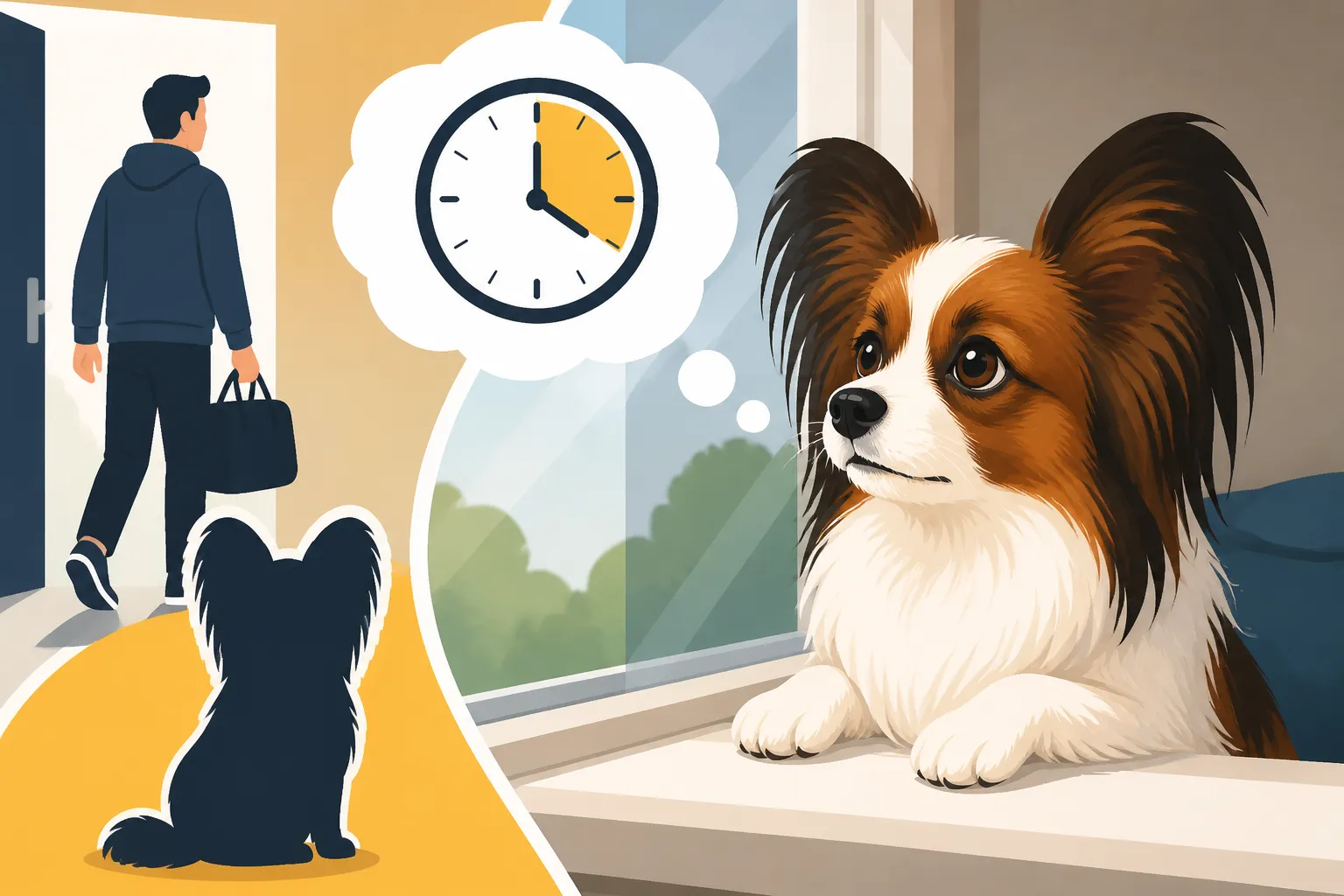
How Long a Papillon Copes Alone
It's a common dilemma for Papillon parents: you adore your little butterfly-eared companion, but life, work, and errands call. The gnawing question, "How long can my Papillon truly cope on its own?" often leads to guilt and anxiety, leaving you wondering if you're doing right by your highly social, intelligent little dog. This comprehensive guide will delve into the factors that determine how much alone time your Papillon can handle, offer strategies to make their solitude comfortable, and help you understand when "alone" becomes "lonely" for this sensitive breed.
Understanding the Papillon's Temperament and Needs
Papillons are not just pretty faces; they are known for their big personalities, keen intelligence, and deep bonds with their human families. This unique combination directly impacts their ability to cope with solitude. Ignoring their natural inclinations can lead to stress, barking, and destructive behaviors.
The Papillon's Social Nature
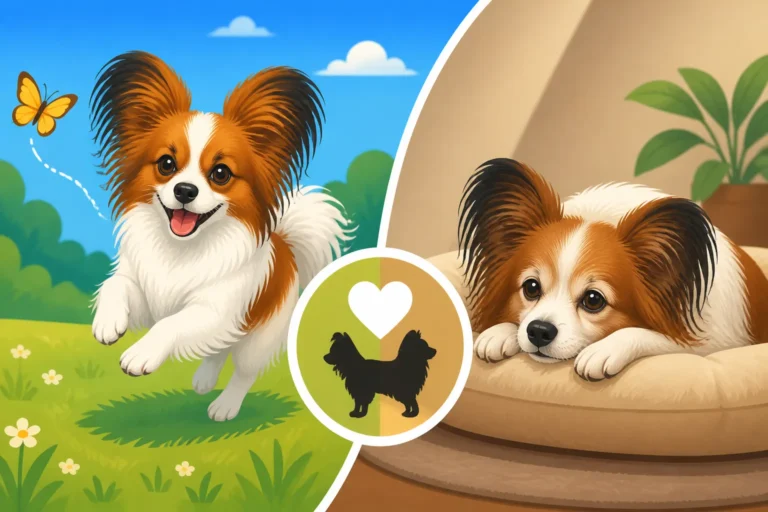
These delightful dogs thrive on companionship. Historically, Papillons, or their ancestors, were cherished lapdogs of European nobility, always by their owner's side. This long history has cemented their desire for human interaction. They are not the type of dog to be content with just a quick walk and then left to their own devices for endless hours. They crave engagement, whether it's cuddling on the sofa, learning a new trick, or simply following you from room to room. When that constant connection is suddenly removed, it can be quite jarring for them.
This inherent need for closeness means they often become quite attuned to your schedule and presence. A Papillon can pick up on the subtle cues that you're about to leave – the jingle of keys, putting on your shoes, grabbing your bag. For some, these cues can trigger immediate anxiety because they anticipate the separation. Their social drive also means they often struggle more than some other breeds if they don't have enough quality time with their people when you are home.
Intelligence and Boredom
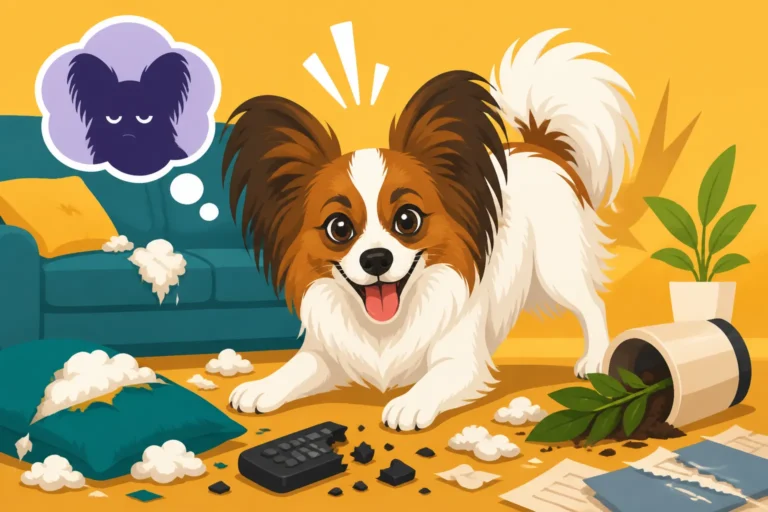
Papillons consistently rank high among the most intelligent dog breeds, often surprising people with their quick wit and problem-solving abilities. While this makes them incredibly fun to train and live with, it also means they require mental stimulation. A bored Papillon is rarely a quiet or inactive one; instead, they might channel their smarts into less desirable activities. This could manifest as chewing on furniture, investigating forbidden cabinets, or, most commonly, barking at every leaf that blows past the window. What a Bored Papillon Destroys goes into more detail on how a lack of mental engagement can turn into unwanted behaviors.
Think of it this way: a Papillon's mind is a supercomputer, and if it's not given appropriate tasks, it will find its own to run. Without interactive toys, puzzles, or background sounds, the silence and lack of stimulation can become overwhelming. This isn't naughtiness; it's often a cry for engagement or a way to self-soothe when under-stimulated. Providing outlets for their intelligence even when you're away is crucial for their well-being and your peace of mind.
Energy Levels and Exercise Needs
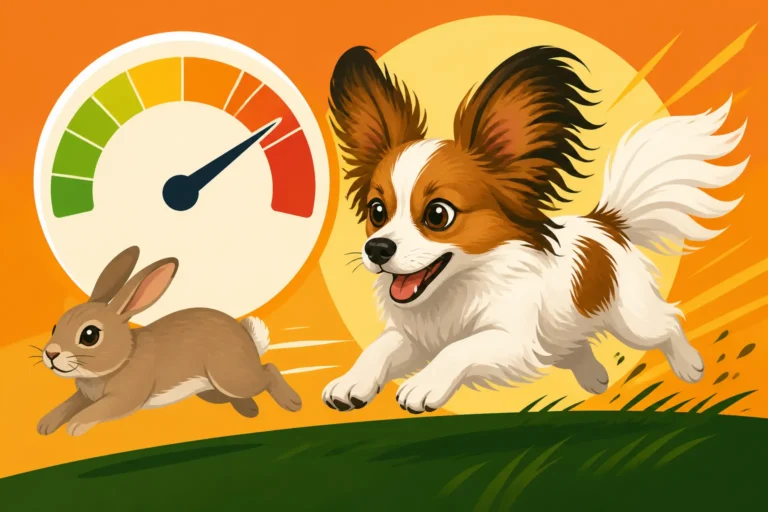
While small, Papillons are surprisingly energetic. They are not content to be couch potatoes all day, every day. They need regular opportunities to burn off energy, both physically and mentally. A Papillon that hasn't had adequate exercise before being left alone is far more likely to be restless and anxious. A good, brisk walk, a game of fetch in the yard, or even a spirited indoor play session before you leave can make a world of difference. How Much Exercise a Papillon Needs offers a deeper dive into their physical requirements.
Their small size can sometimes lead owners to underestimate their exercise needs. However, these little dogs were bred to be active and agile. They love to run, jump, and play. Depriving them of this outlet means they'll have pent-up energy, which, when combined with loneliness or boredom, can be a recipe for destructive behavior or incessant barking. It's about finding a balance: enough physical exertion to tire them out, but not so much that they're over-stimulated right before you leave.
How Long is Too Long: Practical Timelines for Papillons
Determining the "right" amount of time to leave a Papillon alone is less about a hard and fast rule and more about understanding their individual needs, age, and training. However, there are general guidelines that can help you gauge what's reasonable and when you might need to adjust your routine or seek additional support.
The Ideal Scenario: Short and Sweet Absences
Ideally, adult Papillons thrive with absences that are relatively short. Think in terms of 2-4 hours. This allows them enough time for a good nap, a chew on a favorite toy, and perhaps a bit of quiet observation, without feeling truly abandoned or needing a potty break. This timeframe is often manageable for running errands, a quick appointment, or a short visit with friends.
During these shorter periods, a well-adjusted Papillon, especially one that has been properly exercised and had a potty break beforehand, is likely to settle down and enjoy some quiet time. They might doze in a sunbeam, work on a puzzle toy, or simply watch the world go by from a comfortable perch. The key is that the absence is predictable and finite, which reduces their anxiety. It reinforces that you always come back, building their confidence in their alone time.
Realistic Limits: When Life Happens
Of course, life isn't always ideal. There will be times when you need to be away for longer. For a healthy, well-trained adult Papillon with no history of separation anxiety, 5-6 hours can often be managed if they've had ample exercise, a potty break, and mental stimulation before you leave. However, pushing beyond this regularly starts to become problematic for many dogs, and certainly for a Papillon.
Consider the physical needs first: even an adult Papillon will typically need to relieve themselves every 4-6 hours. Holding it for longer can lead to discomfort, accidents, and even potential health issues like urinary tract infections over time. Then there's the mental and emotional toll. Six hours can feel like an eternity to a highly social dog. They might start with a nap, but wake up feeling restless, lonely, and bored, which can escalate into whining, barking, or destructive chewing. It's a fine line, and every Papillon will have a different threshold.
The Absolute Maximum: Red Flag Warnings
Leaving an adult Papillon alone for 8 hours or more on a regular basis is generally considered too long and can lead to significant problems. This isn't just about potty accidents; it's about their overall mental and emotional well-being. A Papillon regularly left alone for a full workday can develop chronic anxiety, destructive behaviors, incessant barking, or even become withdrawn and depressed. It can strain the bond you share, as they may associate your departure with prolonged distress.
If your schedule routinely requires you to be away for this long, it's crucial to implement strategies to break up their day. This could involve hiring a dog walker, arranging for a trusted friend or family member to visit, or utilizing doggy daycare a few days a week. Forcing a highly social breed like a Papillon to endure such long stretches of solitude without intervention is often unfair to them and can lead to a host of behavioral issues that are far more difficult to resolve later. What a Papillon Does All Day explores their typical daily rhythms, which highlights why long periods of isolation are unnatural.
Here's a quick comparison of general alone time guidelines for Papillons:
| Life Stage | Ideal Alone Time | Maximum Tolerable (with prep) | Red Flag / Too Long (regularly) | Key Concerns |
|---|---|---|---|---|
| Puppy (8-16 weeks) | 1-2 hours | 2-3 hours | 4+ hours | Potty training, hypoglycemia, fear periods |
| Puppy (4-6 months) | 2-3 hours | 3-4 hours | 5+ hours | Continued potty training, teething, boredom |
| Adolescent (6-12 months) | 3-4 hours | 5-6 hours | 7+ hours | Energy levels, boundary testing, developing habits |
| Adult (1-7 years) | 4-5 hours | 6-7 hours | 8+ hours | Social needs, mental stimulation, physical comfort |
| Senior (8+ years) | 3-4 hours | 5-6 hours | 7+ hours | Increased potty needs, mobility, cognitive decline |
Note: These are general guidelines. Every Papillon is an individual, and their tolerance for alone time will vary based on temperament, training, and routine.
Preparing Your Papillon for Alone Time
Successfully leaving your Papillon alone isn't just about how long you're gone, but how you prepare them for the experience. It involves a combination of routine, positive associations, and setting them up for comfort and safety.
Crate Training and Safe Spaces
Crate training can be an invaluable tool for a Papillon who needs to spend some time alone, provided it's introduced positively and never used as punishment. A crate, when properly sized and made comfortable, becomes a safe, den-like space where your Papillon can feel secure. It prevents destructive chewing, helps with house training, and can reduce anxiety by giving them a defined personal area. Make sure it's large enough for them to stand, turn around, and lie down comfortably, but not so large that they can soil one end and sleep at the other. Crating a Papillon Overnight has more on making the crate a positive space.
Beyond a crate, establishing a "safe room" or gated-off area can also work wonders, especially for Papillons who aren't keen on crates or for longer absences where they might appreciate more space. This area should be puppy-proofed, meaning anything they shouldn't chew, knock over, or get into is removed. Include a comfy bed, fresh water, and a few favorite toys. Consistency is key; this area should always be associated with positive experiences, like treats or special toys they only get when you leave.
Establishing a Routine
Dogs, and Papillons especially, thrive on routine. They find comfort and predictability in knowing what to expect throughout their day. Before you leave for an extended period, establish a consistent "pre-departure" routine. This should always include a good potty break and some form of exercise or play to burn off excess energy. This could be a vigorous walk around the neighborhood, a game of fetch in the yard, or a training session focused on What Mental Work a Papillon Needs.
Once their physical and mental needs are met, you can then move into a calm departure. Avoid making a big fuss when you leave or return. A dramatic goodbye can heighten their anxiety, making them think your departure is a big, stressful event. Similarly, an overly enthusiastic reunion can inadvertently reward their anxious behavior. Aim for calm, understated greetings and departures, showing them that your coming and going is a normal, low-key part of life.
Gradual Desensitization
For many Papillons, the fear isn't just being alone, but the act of you leaving. They pick up on all your cues. To help them, practice gradual desensitization. Start by doing your "leaving routine" (keys, shoes, coat) but don't actually leave. Just do the actions, then sit back down. Repeat this multiple times until they no longer react. Then, try stepping out the door for a few seconds, then come back in. Slowly increase the duration of your absence over days or weeks.
The goal is to teach them that your departure isn't a permanent disappearance and that you always come back. Keep these practice sessions short, positive, and varied. Leave them with a high-value treat or a puzzle toy, so they associate your leaving with something good. This systematic approach can significantly reduce their anticipatory anxiety and help them develop confidence in their ability to cope when you're truly gone.
Enrichment and Engagement During Solitude
Leaving your Papillon with nothing to do for hours is a recipe for disaster. Providing engaging activities and comfort items can transform their alone time from a stressful ordeal into a relatively pleasant experience.
Interactive Toys and Puzzles
Food puzzle toys are a lifesaver for intelligent, food-motivated breeds like Papillons. Stuffing a Kong with peanut butter or cream cheese and freezing it can provide a long-lasting activity. There are also various treat-dispensing toys available on platforms like Amazon that require your dog to manipulate them to release kibble or treats. These aren't just entertainment; they provide valuable mental stimulation, mimicking the natural foraging behaviors dogs enjoy.
Rotate these toys regularly to keep them novel and exciting. Don't leave out all their toys all the time; save certain high-value, interactive toys specifically for when you're gone. This makes them special and something to look forward to. The act of figuring out how to get the treats engages their clever Papillon minds, reducing boredom and helping to redirect any anxiety into a productive task.
Comfort Items and Scent
Familiar scents can be incredibly comforting to a Papillon. Leaving them with an old t-shirt or blanket that smells strongly of you can provide a sense of security. Some owners even use specialized dog-appeasing pheromone diffusers or calming collars, which release synthetic pheromones that mimic those secreted by a mother dog, potentially helping to soothe anxious puppies or adults.
Beyond scent, simply providing a very comfortable, cozy bed can make a big difference. Papillons love to burrow and snuggle, so a soft blanket or a bed with raised sides can feel like a secure nest. The goal is to make their alone space as inviting and calming as possible, rather than a sterile, empty room. Consider a heated bed in colder months, as Whether a Papillon Gets Cold Under Anesthesia touches upon their sensitivity to temperature changes due to their small size.
Ambient Sound and Visuals
Silence can be unsettling for some dogs, making every external noise more startling. Leaving on a radio, television, or a white noise machine can provide comforting background sound, masking sudden noises from outside and creating a more predictable auditory environment. Classical music or talk radio often works well; avoid anything with sudden loud noises.
For visual stimulation, some owners find leaving a window safely accessible (perhaps with a dog bed nearby) where their Papillon can watch the world go by can be entertaining. Just ensure it's a secure window and that the view isn't overly stimulating with constant triggers like passing dogs or people if your Papillon tends to bark excessively. For others, leaving on a nature documentary or a specific "dog TV" channel might offer a calming distraction.
Addressing Separation Anxiety and Problem Behaviors
Sometimes, "coping alone" turns into full-blown separation anxiety, which is a serious concern that requires a dedicated approach. It's more than just boredom; it's genuine distress at being left alone.
Recognizing the Signs
True separation anxiety isn't just a dog getting into mischief. It manifests as a cluster of specific behaviors that only occur when the dog is left alone or separated from their primary attachment figure. Common signs include:
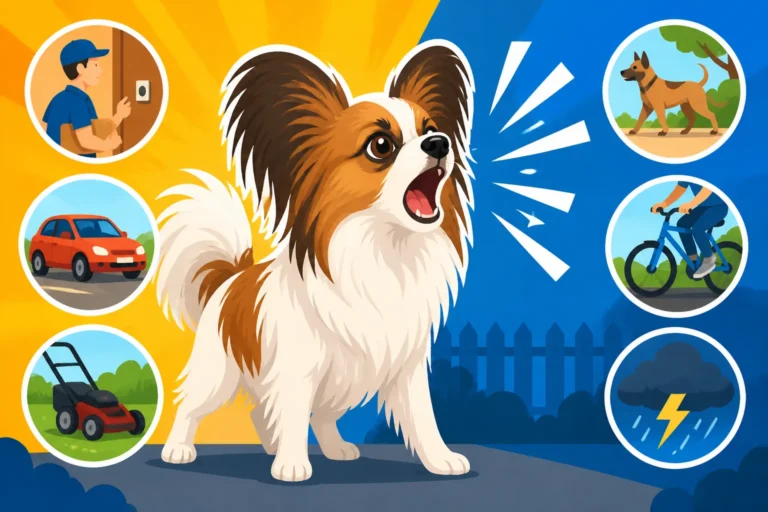
- Excessive vocalization: Persistent barking, howling, or whining that starts shortly after you leave and continues. How Much a Papillon Barks provides more context on their typical vocal habits.
- Destructive chewing: Often focused on exit points like doors or windows, or items that smell like you.
- House soiling: Urination or defecation indoors, even if the dog is fully house-trained and had a recent potty break. This isn't defiance; it's a physiological response to stress.
- Pacing or trembling: Observed via a pet camera.
- Excessive salivation or drooling.
- Self-harm: Some dogs may chew at their paws or tails in extreme cases.
If you suspect separation anxiety, consider setting up a pet camera (many affordable options are available on Amazon) to observe your Papillon's behavior when you're gone. This objective evidence can be invaluable for diagnosis and tracking progress.
Seeking Professional Help
If you're observing consistent signs of distress rather than just boredom, it's crucial to consult with a veterinarian to rule out any underlying medical conditions. Once cleared, working with a certified professional dog trainer or a veterinary behaviorist specializing in separation anxiety is highly recommended. This isn't a problem that typically resolves on its own, and attempting to punish anxious behaviors will only worsen them.
A behaviorist can help you develop a tailored desensitization and counter-conditioning program. This often involves very gradual increases in alone time, coupled with positive reinforcement and, in some cases, medication to help manage the anxiety while behavioral modification is underway. Resources like BAXTER & Bella offer online training programs that can guide you through various behavioral challenges, including anxiety. They can help break down complex training concepts into manageable steps, which can be particularly useful for owners dealing with sensitive breeds like Papillons.
Management Strategies
While working on the underlying anxiety, management strategies are essential to prevent your Papillon from practicing the anxious behaviors. This means avoiding situations where they are left alone for periods that trigger their anxiety. If you know your Papillon can't handle being alone for more than 30 minutes, then do not leave them for an hour. This might mean:
- Dog walker or pet sitter: Arranging for someone to come to your home to provide a potty break, play, and companionship.
- Doggy daycare: For some Papillons, a structured daycare environment can provide the social interaction and stimulation they need. However, ensure the daycare is small-dog friendly and has staff experienced with smaller, more delicate breeds.
- Taking your dog with you: Whenever possible, if appropriate for the destination.
- Puzzle toys and chews: As mentioned, providing high-value, long-lasting distractions during the short periods they can tolerate being alone.
The key is to set them up for success, never failure. Every time they experience severe anxiety when left alone, it reinforces the negative association, making the problem harder to fix.
Special Considerations for Papillon Puppies and Seniors
The "how long" question changes significantly depending on your Papillon's stage of life. Puppies and senior dogs have unique needs that demand shorter alone times and more frequent check-ins.
Papillon Puppies and House Training
Papillon puppies are tiny bundles of energy and learning, but their bladders are even tinier! An 8-week-old puppy simply cannot hold it for more than 1-2 hours, max. Expecting them to do so is unrealistic and will only lead to accidents and frustration. As they grow, their bladder control improves, but even a 4-month-old puppy can usually only hold it for about 3-4 hours. How Long House Training a Papillon Takes details the patience required.
Beyond potty training, puppies are also in a critical socialization window. Leaving them alone for long stretches can hinder their development, leading to isolation, fear, or insecurity. They need frequent, positive interactions with their environment and people. Also, tiny Papillon puppies are susceptible to Signs a Papillon Puppy Has Low Blood Sugar if they go too long without food, which is another reason extended alone time is dangerous. Regular feeding, as outlined in Whether a Papillon Puppy Should Be Fed Overnight, is crucial for their health.
During their first year, especially, prioritize shorter alone times. If you work, consider a puppy-sitter, taking them to work if allowed, or staggering schedules with family members to minimize their time alone. This foundational period sets the stage for a well-adjusted adult dog.
The Needs of the Aging Papillon
As your Papillon enters their senior years (typically around 8-10 years old), their needs often shift. Just like puppies, older dogs may need more frequent potty breaks due to aging bladders or conditions like arthritis that make holding it longer uncomfortable. Mobility might also be a concern; if they struggle to get to their potty spot quickly, accidents can happen. Caring for an Aging Papillon offers a comprehensive guide to their changing needs.
Senior Papillons might also experience cognitive decline, similar to dementia in humans, which can manifest as increased anxiety, disorientation, or changes in routine. They might become more sensitive to noise or more dependent on your presence. Their eyesight or hearing may also decline, making them feel more vulnerable when left alone.
For senior Papillons, consider increasing the frequency of potty breaks, ensuring their environment is comfortable and easy to navigate (e.g., ramps to furniture), and providing extra comfort items. Shorter alone times are generally advisable, and monitoring their comfort with a pet camera becomes even more valuable. Their golden years should be spent in comfort and companionship, not prolonged solitude.
Final Thoughts on Papillon Alone Time
Ultimately, how long a Papillon copes alone is a delicate balance of their individual personality, training, age, and the environment you create for them. While they can certainly learn to tolerate periods of solitude, their inherently social and intelligent nature means they are not dogs meant to be left for a full workday without significant intervention.
Being realistic about your schedule before bringing a Papillon home, or making adjustments once they are part of your family, is key to their well-being. Investing in proper training, providing ample mental and physical stimulation, and recognizing the signs of distress are acts of love that will ensure your beautiful butterfly dog thrives, whether you're home or away.
Disclaimer
This article is for general informational purposes only and does not constitute professional advice. Laws, prices and regulations vary by location and change over time. Consult a qualified professional for guidance on your specific situation.