What a Papillon Chews
It’s a common scenario for any dog owner, but particularly for those of us with intelligent, active Papillons: you walk into a room to find your tiny companion enthusiastically gnawing on something entirely inappropriate – be it the leg of your antique coffee table, your favorite leather shoe, or worse, an electrical cord. This isn't just a naughty phase; chewing is a fundamental canine behavior, but when it's directed at your cherished possessions or, more critically, at dangerous items, it becomes a genuine headache. This comprehensive guide will delve deep into why your Papillon chews, help you identify what they shouldn't be chewing, introduce you to a world of safe and satisfying alternatives, and equip you with practical strategies to manage and redirect this natural urge, ensuring both your belongings and your beloved butterfly dog stay safe and happy.
The Many Reasons Why Your Papillon Turns Into a Little Chew Monster
Understanding the root cause of your Papillon's chewing habits is the first crucial step to managing them effectively. It's rarely out of spite; more often, it's driven by instinct, discomfort, or an unmet need. Our little butterfly dogs, despite their delicate appearance, are still very much dogs, complete with all their natural canine behaviors.
Navigating the Puppy Teething Gauntlet
If you're raising a Papillon puppy, you know this phase all too well. From around three weeks of age, when their needle-sharp puppy teeth first emerge, up until they're about six months old and their adult teeth have fully settled in, your little one is navigating a world of oral discomfort. Imagine having itchy, sore gums for weeks on end!
Puppies chew to relieve this pressure and pain. Their mouths hurt, and counter-pressure feels good. That's why they might grab anything and everything – the rug, your fingers, the baseboards – anything they can clamp down on to try and alleviate that persistent ache. It’s not just about pain, though; it’s also how they explore their new world. Their mouth is their primary tool for understanding textures, tastes, and how objects interact with pressure. During The First Year With a Papillon Puppy, you’ll find that providing plenty of appropriate outlets for this teething phase is absolutely vital. If you don't give them something acceptable, they will find something else.
When Boredom and Anxiety Take Over
A tired dog is a good dog, and a bored dog often finds its own (usually destructive) entertainment. Papillons are incredibly intelligent and active little dynamos, and if their minds aren't engaged and their bodies aren't exercised, they can quickly turn to chewing as an outlet for pent-up energy or frustration. Think about it: if you're stuck inside all day with nothing to do, wouldn't you start fiddling with something?
Similarly, chewing can be a self-soothing mechanism for anxiety. If your Papillon suffers from separation anxiety, for example, they might chew excessively on items that smell like you (like your shoes or a blanket) to cope with your absence. This isn't them being naughty; it's a genuine coping strategy. A Papillon might chew because they're simply stressed, perhaps due to a change in routine, a new environment, or even loud noises. They’re trying to release tension. Recognizing What a Bored Papillon Destroys can help you understand the urgency of addressing these underlying emotional states.
Instinctive Exploration and Natural Instincts
Beyond teething and anxiety, chewing is simply a fundamental canine instinct. Dogs are natural scavengers and predators (even tiny Papillons have those instincts!). Chewing helps keep their jaws strong, cleans their teeth (to some extent), and provides mental stimulation. When they get their mouth around something, they're not just destroying it; they're learning about it, processing it, and fulfilling a deep-seated urge.
Some Papillons might have a higher "prey drive," meaning they find particular satisfaction in tearing apart soft, squeaky toys or objects that resemble small animals. This isn't something to suppress entirely, but rather to redirect. It's part of being a dog, plain and simple. Over time, chewing can also become a habit. If they've chewed on something inappropriate a few times and found it rewarding (e.g., it felt good, or it got your attention), they're more likely to repeat that behavior, even if the initial reason for chewing (like teething) is long gone.
Identifying the Risky Business: What Your Papillon Shouldn't Be Chewing
It might seem obvious, but sometimes, in the flurry of daily life, we forget just how many everyday items can pose a serious threat to a curious chewing Papillon. Their small size doesn't make them immune to danger; in fact, it can sometimes make them more vulnerable to certain hazards.
Household Hazards: Furniture, Cords, and Collectibles
Your home is full of tempting targets that are either expensive to replace or, more critically, dangerous for your dog. Consider the sturdy leg of a wooden chair. To your Papillon puppy, it might feel exactly like a satisfying chew stick, especially during teething. The problem is that splinters can break off and cause internal injuries, and some finished woods or varnishes can be toxic if ingested.
Even more perilous are electrical cords. A Papillon who chews on a lamp cord or a phone charger risks severe electrical burns in their mouth, electrocution, or even starting a house fire. These are not just inconvenient; they are life-threatening. Then there are your personal treasures – remote controls, eyeglasses, decorative items, or even books. Not only is the destruction heartbreaking for you, but ingesting pieces of plastic, batteries (which can cause chemical burns and heavy metal poisoning), or other materials can lead to choking, internal blockages, or toxic exposure. Setting Up a House That Protects a Papillon's Knees also means thinking about general safety, including what they might accidentally ingest.
Personal Items: Shoes, Socks, and Clothing
Ah, the irresistible allure of your shoes! It’s a classic dog behavior, and Papillons are no exception. There's a simple reason for this: your shoes, socks, and clothing smell overwhelmingly of you. Dogs are incredibly scent-driven, and chewing on items permeated with your scent can be comforting, especially if they're feeling anxious or missing you. It's like a security blanket for their mouth.
Beyond the sentimentality of your favorite slippers, chewing on these items carries real risks. Socks, underwear, and small pieces of fabric can be easily swallowed by a small dog like a Papillon. These items don't digest and can cause a gastrointestinal obstruction, a serious and often life-threatening condition that requires emergency veterinary surgery. Buttons, zippers, or embellishments on clothing can also break off and become choking hazards or cause internal damage. It's not just about replacing your ruined items; it's about preventing a trip to the emergency vet.
Curating a Safe and Satisfying Chew Arsenal for Your Papillon
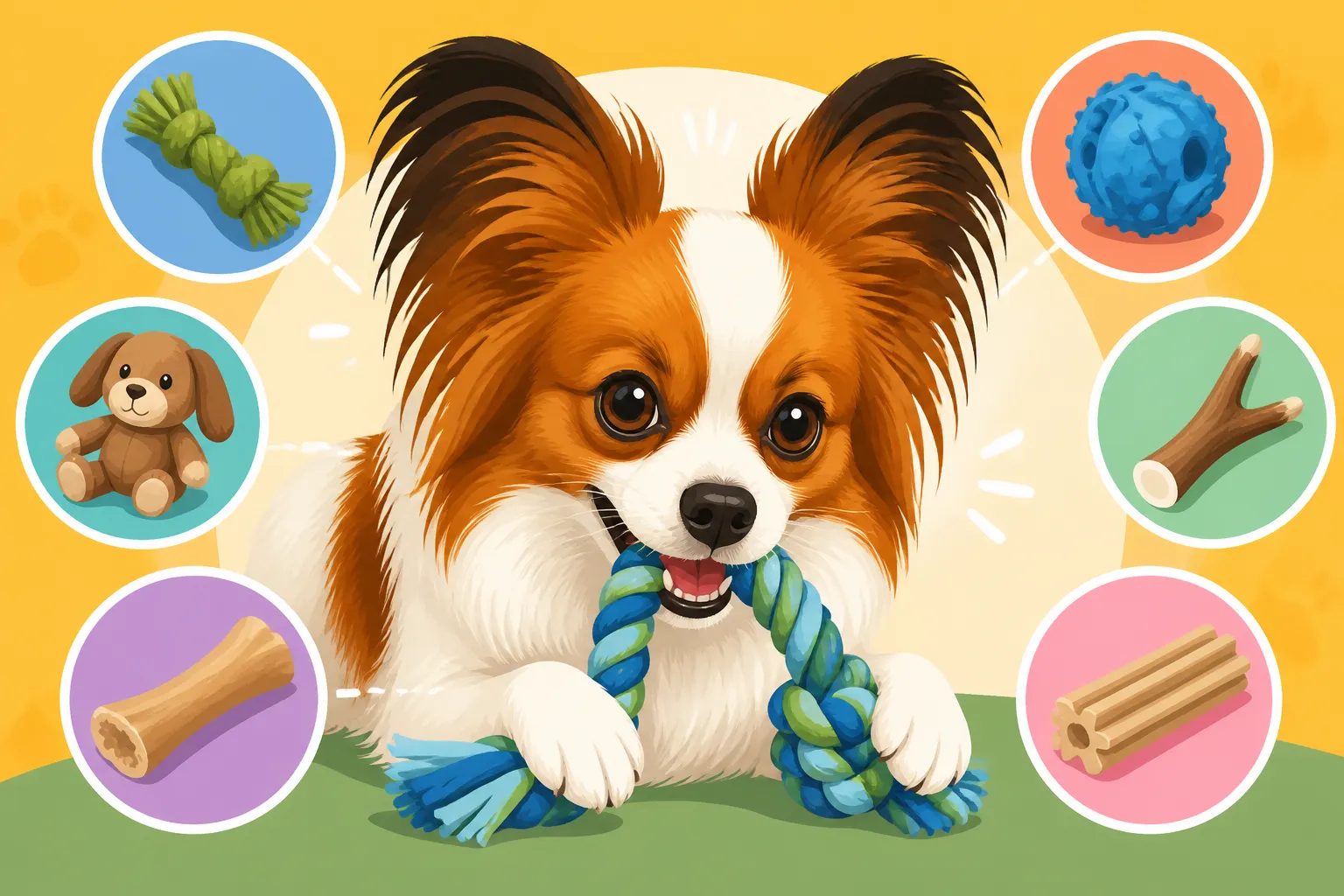
Since chewing is a natural and necessary behavior for dogs, the key isn't to stop it entirely, but to redirect it towards appropriate, safe items. Building a "chew arsenal" means having a variety of textures, shapes, and purposes to keep your Papillon engaged and satisfied.
Durable Chews for the Persistent Gnawer
For Papillons who love a good, long chew, durable rubber and nylon chews are indispensable. Brands like Kong offer classic rubber toys that can withstand heavy chewing and often have hollow centers perfect for stuffing with treats. These are fantastic because they engage your dog for extended periods, turning a destructive habit into a rewarding one. You can find a vast selection of these on platforms like Amazon, offering everything from hard rubber balls with intricate designs to classic bone shapes.
Nylon chews, often resembling bones or sticks, are another excellent option. They're designed to be gnawed on, and tiny bristles often rise up to help clean teeth as your dog chews. Always make sure you're buying a size appropriate for a small dog, as larger chews can be too big for a Papillon's jaw or too heavy. A chew that's too small, conversely, can become a choking hazard. Always inspect these chews regularly for excessive wear and tear; once they start breaking into small pieces, it's time to replace them.
Edible Delights and Dental Health Boosters
Edible chews serve a dual purpose: they satisfy the urge to chew and can contribute to better dental health. Dental sticks or chews, often with ridges and a slightly abrasive texture, are formulated to help reduce plaque and tartar buildup. While they are never a substitute for regular brushing (and trust me, Brushing a Papillon's Teeth in a Very Small Mouth is crucial), they can be a helpful addition to your Papillon's oral hygiene routine.
Frozen treats also make wonderful, long-lasting chews. Stuff a Kong with a bit of peanut butter (xylitol-free!), plain yogurt, mashed banana, or even wet dog food and freeze it. This creates a challenging, delicious chew that takes time to consume, keeps them cool on warmer days, and provides a great sensory experience. You can find a lot of recipes and ideas for these on pet blogs or from reputable dog training resources. Remember to introduce new edible chews slowly and supervise your Papillon, especially if they're known to gulp things down quickly. Avoid cooked bones or rawhide, as these can splinter or cause digestive blockages in small dogs.
The Power of Interactive Puzzle Toys
Sometimes, chewing isn't just about the physical act; it's about mental stimulation. Papillons, being incredibly smart (they rank very high in canine intelligence!), thrive on challenges. Interactive puzzle toys are brilliant for this. These toys require your dog to manipulate them to release treats, engaging their problem-solving skills and keeping their minds active.
These can range from simple roll-and-treat balls to more complex sniff puzzles. The mental effort involved in figuring out how to get the reward can be just as tiring and satisfying as a physical chew. If your Papillon is prone to boredom chewing, especially when left alone, a puzzle toy filled with a portion of their meal can be a game-changer. It turns mealtime into a scavenger hunt, providing valuable enrichment. This aligns perfectly with What Mental Work a Papillon Needs to stay balanced and happy.
| Chew Type | Material / Composition | Pros | Cons | Ideal Use |
|---|---|---|---|---|
| Durable Rubber Toys | Natural or Synthetic Rubber | Long-lasting, good for heavy chewers | Can be expensive, need appropriate size | Daily chewing, treat stuffing, anxiety reduction |
| Nylon Chews | Hard Nylon | Very durable, some dental benefits | Can be too hard for some dogs, sharp edges develop | Satisfying strong chewers, dental aid |
| Dental Chews/Sticks | Edible, formulated ingredients | Helps clean teeth, palatable | Not a substitute for brushing, can be high calorie | Oral hygiene support, quick treat |
| Frozen Stuffed Kongs | Rubber toy + food/treats | Engaging, long-lasting, calming | Messy if not contained, prep time required | Boredom busting, crate training, anxiety |
| Interactive Puzzle Toys | Plastic, wood, rubber, fabric | Mental stimulation, problem-solving | Can be too easy/hard, some not chew-proof | Mental enrichment, slow feeding, distraction |
Practical Strategies to Redirect and Manage Chewing Habits
Now that we understand the motivations and have a good grasp of safe alternatives, let's talk about how to implement these changes effectively. Consistency, patience, and proactive management are your best friends when it comes to guiding your Papillon's chewing habits.
Environmental Proofing and Supervision
The absolute first line of defense against inappropriate chewing is to puppy-proof your home, regardless of your Papillon's age. This means getting down to their level and looking for anything tempting or dangerous. Put away shoes, secure electrical cords, remove accessible knick-knacks, and keep wastebaskets covered. If your Papillon can't reach it, they can't chew it.
When you can't actively supervise your Papillon, especially a puppy, consider using a crate or a playpen. A crate, when used properly as a safe den (never for punishment), can be an invaluable tool. It limits their access to destructive items and encourages them to settle with their approved chews. This is particularly helpful during the house training phase as well. Direct supervision means exactly that: eyes on your dog. If you see them heading for something they shouldn't chew, immediately intervene with a calm "leave it" command (if they know it), and then redirect them to an appropriate chew toy. Praise them lavishly when they choose the right item.
Consistent Training and Positive Reinforcement
Training is crucial for teaching your Papillon what is acceptable to chew. Commands like "leave it" and "drop it" are indispensable. "Leave it" teaches them to ignore an undesirable item, while "drop it" teaches them to release something they already have in their mouth. Practice these commands regularly, using high-value treats as rewards. Teaching a Papillon Tricks Faster Than You Think of Them will show you just how quickly these smart little dogs can pick up new cues.
When your Papillon does choose an appropriate chew, make a big deal about it! Offer praise, a gentle pat, or even another small treat. This positive reinforcement strengthens the association that chewing on this item earns good things. If they're chewing on something forbidden, avoid yelling or harsh punishment. This can create fear and anxiety, potentially exacerbating the chewing problem or leading to other behavioral issues. Instead, calmly redirect them to a safe chew. Online dog training programs, like those offered by BAXTER & Bella, can be incredibly helpful for teaching these foundational commands and for general puppy socialization, offering structured guidance for dealing with common puppy behaviors including chewing. They provide step-by-step instructions that can make training less overwhelming for new owners.
Ensuring Ample Exercise and Mental Enrichment
As mentioned earlier, a bored Papillon is a destructive Papillon. These dogs are intelligent and energetic, despite their size. They need both physical exercise and mental stimulation every single day to be content and well-behaved. Daily walks, even short ones, are important, but for a Papillon, a walk alone often isn't enough to satisfy their keen minds. Why a walk alone does not satisfy a Papillon delves into this further.
Incorporate playtime that engages their natural instincts, like fetch or hide-and-seek with toys. Set aside short, consistent training sessions to practice tricks and obedience cues; even 5-10 minutes a few times a day can make a huge difference, as discussed in How Short a Papillon's Training Session Should Be. Use puzzle toys, rotate their chew toys to keep them interesting, and consider teaching them new skills. Think about the variety of activities your Papillon could do throughout What a Papillon Does All Day. A mentally and physically satisfied Papillon is far less likely to resort to chewing out of boredom or frustration, making for a happier home for everyone.
Disclaimer
This article is for general informational purposes only and does not constitute professional advice. Laws, prices and regulations vary by location and change over time. Consult a qualified professional for guidance on your specific situation.