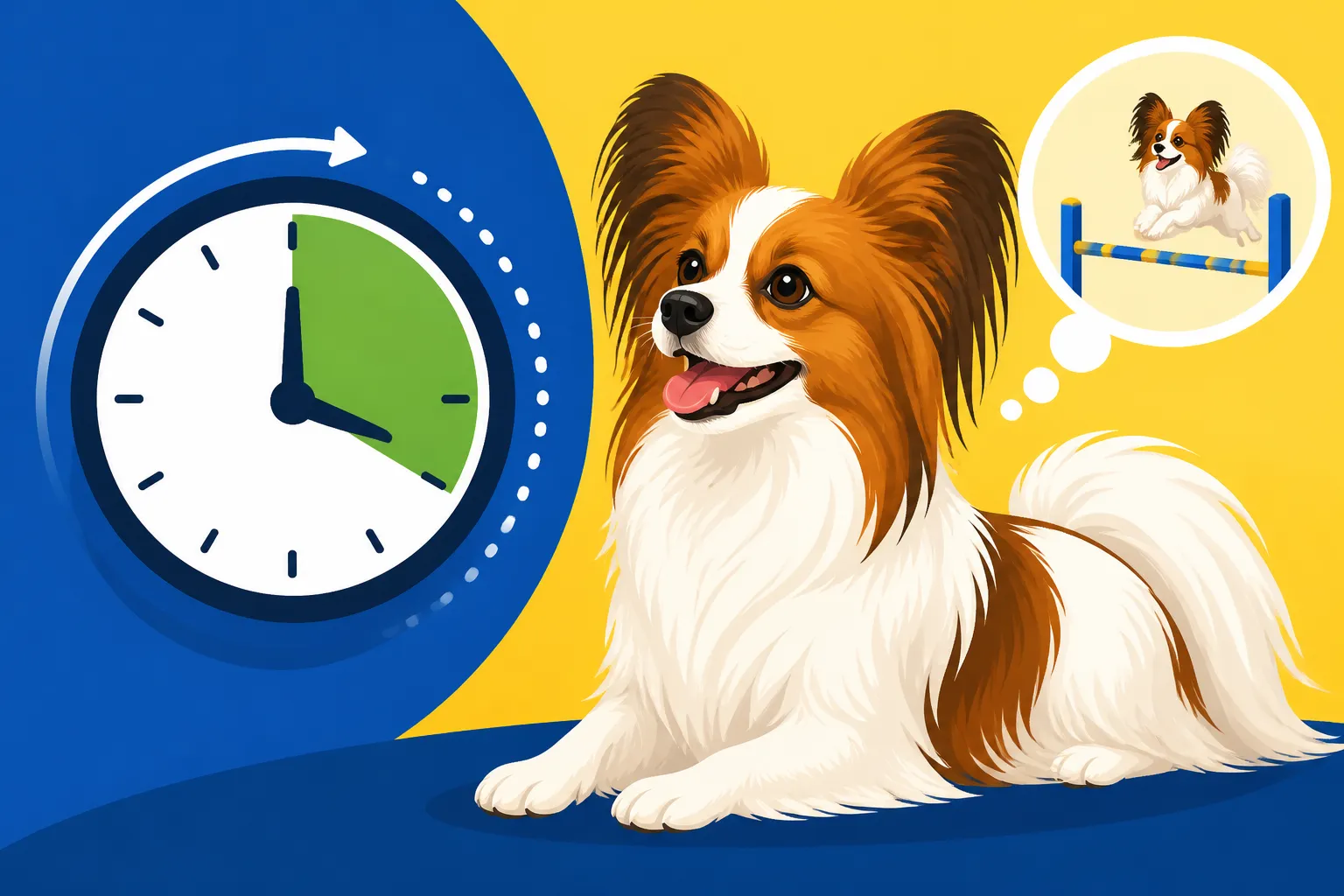
How Long a Papillon Will Work in a Session
It's a common dilemma for Papillon owners: you know these little dogs are incredibly smart, capable of learning just about anything you throw at them, but how long can you actually keep their attention during a training session before their bright eyes start to glaze over or they decide a dust bunny is far more interesting than your cues? This guide will dive deep into understanding your Papillon's unique mind, offering realistic expectations for training session lengths, and sharing practical strategies to keep your little genius engaged and eager to learn for years to come.
Understanding Your Papillon's Unique Brain and Energy
Papillons are often celebrated for their astonishing intelligence, a trait that makes them incredibly fun to train but also presents a unique challenge: they get bored easily. It’s a double-edged sword when you have a dog that can pick up complex commands in what seems like mere minutes. You might find yourself wanting to capitalize on their quick wit, but then quickly realize their enthusiasm wanes if the session drags on or becomes too repetitive. Understanding this dynamic is key to successful, long-term training.
The Papillon's Intelligence and Focus
There’s a reason why the Papillon consistently ranks among the most intelligent dog breeds, often appearing in the top ten for obedience intelligence. They have a remarkable ability to understand new commands and remember them with very few repetitions. This isn't just about simple "sit" and "stay" commands; we're talking about complex sequences, multi-step tricks, and the kind of problem-solving that leaves other breeds scratching their heads. This high intelligence means they can focus intently, but that focus is like a laser beam – incredibly powerful for short bursts, but easily diverted if not properly managed. They thrive on mental stimulation and genuinely enjoy the process of learning, but only if it feels like a game, not a chore. If you've ever seen a Papillon pick up a new trick in what feels like moments, you know exactly what I mean. The Papillon Is the Smartest Toy Breed There Is They love to figure things out, and that intrinsic motivation is a huge asset in training.
However, this sharp intellect also means that if a task becomes too monotonous or isn't challenging enough, they'll check out. They’re not going to dully repeat the same action for twenty minutes straight just because you asked them to. Their minds are constantly seeking novelty and engagement. Think of it like a gifted child in a classroom; they might grasp a concept faster than their peers, and then become disruptive if not given more advanced material or a different activity. This isn't stubbornness, it's just their brain saying, "Okay, I got it, what's next?" You'll notice How Fast a Papillon Learns a New Cue, but also How Fast a Papillon Gets Bored of Repetition. Keeping training fresh and exciting is paramount to maintaining their laser-like focus.
Energy Levels and Attention Span
While their intelligence governs what they can learn, their boundless energy often dictates how long they're willing to engage. Papillons, despite their delicate appearance, are spirited little dynamos. They were bred to be active companions, and that energy manifests not just in physical romps, but also in mental drive. A Papillon that hasn't had enough physical exercise will struggle to settle down for a mentally demanding training session. They'll be fidgety, distracted, and their attention span will feel even shorter than usual. Think of trying to concentrate on a puzzle when you really need to go for a run – it's tough!
This inherent zest for life means that while they might want to learn, their bodies might be urging them to move, sniff, or explore. Especially with younger Papillons, their attention span is directly linked to their energy levels. You might find that a short burst of play, a quick walk around the block, or even a session of fetch before training can significantly improve their ability to focus. It helps them burn off some of that physical exuberance so their brilliant minds can then settle into problem-solving mode. It's a delicate balance; too much energy, and they're bouncing off the walls; too little (perhaps from an overly long session), and they're mentally checked out, finding the floor much more appealing than your treat pouch.
Optimal Training Session Lengths by Age and Development Stage
When it comes to training a Papillon, there's no one-size-fits-all answer for how long a session should be. What works for a bouncy eight-week-old puppy is going to be wildly different from what engages a seasoned adult. Tailoring your training duration to your Papillon's age and developmental stage is crucial for building a strong foundation, preventing burnout, and ensuring that training remains a positive, enriching experience throughout their life.
Puppy Papillons: Short and Sweet
For Papillon puppies, think micro-sessions. Their attention spans are incredibly short, often no more than a few minutes at a time. Trying to push a puppy beyond this limit is counterproductive; you’ll only end up with a frustrated pup who starts to associate training with boredom or pressure. Instead, aim for frequent, very brief sessions throughout the day. We're talking 2-5 minutes, max, for an 8-16 week old puppy.
These short bursts are perfect for introducing basic concepts like When to Start Training a Papillon Puppy, "sit," "down," or targeting. The key is to keep it fun, upbeat, and end on a positive note before they lose interest. Imagine doing three successful "sits," then immediately praising and stopping. You want them to think, "Oh, that was great! I wanted to do more!" This builds anticipation and eagerness for the next session. You might do 4-6 of these mini-sessions spread throughout the day, maybe before meals, after a potty break, or during a play session. This constant, gentle exposure helps new behaviors stick without overwhelming their tiny, developing brains. It's like building muscle memory for learning itself – short, successful repetitions lead to consistent progress.
Adolescent Papillons: Building Stamina
As your Papillon moves into adolescence (roughly 6 months to 1.5 years), their attention span will naturally lengthen, and their ability to focus for longer periods will improve. This is a fantastic time to start building on those foundational skills and introducing more complex behaviors. You can gradually increase your training sessions to 5-10 minutes, perhaps 2-3 times a day. At this stage, they're developing more physical and mental stamina, and they're often brimming with confidence and curiosity.
This is where you might start working on chaining behaviors together, introducing more advanced agility foundations, or refining cues with distractions. It's also a great time to introduce new environments for training, helping them generalize their skills. However, even with this increased capacity, variety remains vital. Don't spend the entire 10 minutes drilling the same trick. Mix it up! Do a few minutes of "stay," then switch to a quick retrieve, then practice a "spin." Always watch for signs of disengagement, and be prepared to take a quick play break if their focus starts to wander. How Short a Papillon's Training Session Should Be is a good question to continually ask yourself, even with an adolescent. The goal is to keep them keen and eager, not to wear them out mentally.
Adult Papillons: Maintaining Engagement
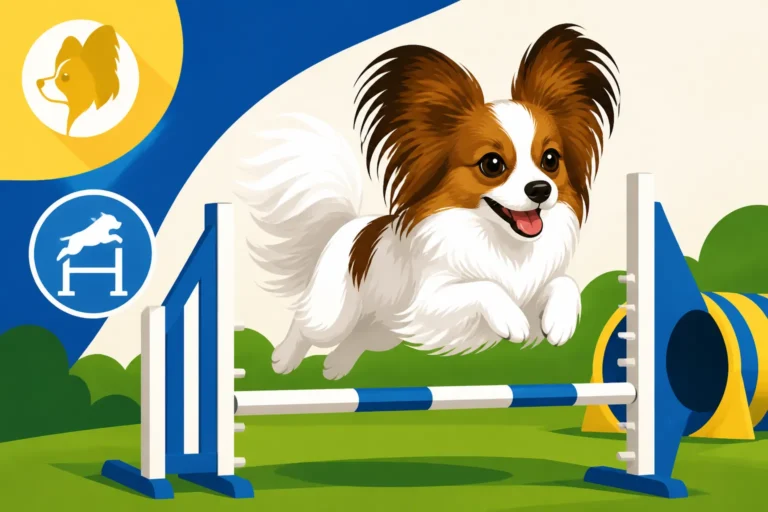
Once your Papillon reaches adulthood, typically around 1.5 to 2 years of age, their attention span is generally at its peak. They can handle longer, more intensive training sessions, especially if they've had a consistent training history. For an adult Papillon, a training session might comfortably last 10-15 minutes, perhaps even 20 minutes for highly engaged dogs working on complex tasks like agility sequences or advanced obedience. Some particularly driven Papillons in competitive sports may work for even longer, but these sessions are usually interspersed with active physical work and structured breaks.
The key with adult Papillons is to continually challenge them and keep the training stimulating. They thrive on novelty and problem-solving. This is where you can explore What Mental Work a Papillon Needs beyond basic obedience. Think about scent work, canine freestyle, or intricate trick training. If you're preparing for performance events like agility trials, your sessions might naturally become a bit longer to practice entire courses. Even then, remember that quality trumps quantity. An intense, focused 15 minutes is far more effective than a distracted, drawn-out 30 minutes. Always integrate praise, play, and a variety of rewards to keep their enthusiasm high. An adult Papillon that enjoys training will come bounding over with a wagging tail at the mere mention of a "training game!"
Recognizing the Signs of a Papillon Losing Interest
One of the biggest mistakes we can make as dog owners is to miss the subtle cues our Papillons give us when they're starting to feel overwhelmed, bored, or frustrated during a training session. They can't tell us in words, so it's up to us to become fluent in their body language. Learning to read these signals isn't just about being a good trainer; it's about respecting your dog and preventing negative associations with learning. Pushing a Papillon past their mental limit can lead to them becoming shut down, disengaged, or even resistant to future training.
Subtle Cues of Disengagement
Your Papillon might not suddenly walk away or refuse a command when they're losing interest. Often, the first signs are much more subtle, almost imperceptible if you're not paying close attention. Look for these "polite" ways your Papillon tries to communicate that they're done:
- Sniffing the ground: This is a classic disengagement signal. It's an attempt to self-soothe or to find an alternative, less demanding activity. They might just drop their nose to the floor and pretend to find something incredibly fascinating.
- Looking away or avoiding eye contact: If your Papillon consistently breaks eye contact, turns their head away, or even turns their whole body away from you, it's a clear sign their attention is drifting or they're feeling a bit pressured.
- Yawning or licking lips: These aren't always signs of tiredness or hunger. In a training context, especially when no food is present, they can be stress signals or signs of mild anxiety or discomfort with the situation.
- Scratching or shaking off: If there's no obvious itch or reason to shake, these can be displacement behaviors – actions a dog performs when they're feeling conflicted or unsure, often to relieve mild stress.
- Slowed responses or "soft" body language: Are their movements less enthusiastic? Do they respond to cues more slowly than usual? Is their tail lower than normal, or tucked? These are all indicators that their enthusiasm is waning.
- Increased sniffing around the training area: Similar to ground sniffing, but a broader exploration. They're looking for something else to do, anything to escape the current task.
Catching these early signals allows you to adjust your session – perhaps end it, take a short play break, or switch to an easier, highly rewarding trick to finish on a high note.
Escalating Frustration or Overwhelm
If those subtle cues are missed, or if you continue to push your Papillon when they're already mentally tired, their signs of disengagement can escalate into more overt expressions of frustration or overwhelm. This is when training can quickly become counterproductive and even damage your relationship.
- Refusing known cues: A Papillon that consistently performs a "sit" but suddenly "forgets" it is likely not actually forgetting. They're choosing not to engage, or they're too overwhelmed to think. This is their clearest way of saying "no."
- Nipping or mouthing: While rare in a well-socialized Papillon, a frustrated puppy or even an adult might resort to a gentle nip or mouthing at your hand, especially if you're holding a treat they can't quite get, or if they're overstimulated. It's often a signal of "too much, too fast!"
- Barking or whining: A Papillon might start vocalizing out of frustration, especially if they're not understanding what's being asked, or if they're just over-aroused and need a break. Why a Papillon Barks So Much can sometimes stem from frustration in training too.
- Attempting to escape the training area: If your Papillon tries to leave the room, pulls hard on the leash to get away, or actively avoids coming near you, it's a strong indicator that they want out. They're associating the training with unpleasant feelings.
- Hyperactivity or zoomies: Sometimes, extreme overstimulation can manifest as a sudden burst of frantic energy, a sort of "stress zoomie" where they run around wildly, unable to settle. This isn't happy play; it's an overflow of stress.
When you see these more obvious signs, it's definitely time to stop the session immediately. Do not push through. End by asking for one super easy, known trick they can absolutely succeed at, reward heavily, and then call it a day. The goal is to always leave them wanting more, not dreading the next training time. If you consistently encounter these escalating signs, it's a clear indicator that your sessions are too long, too intense, or lacking sufficient positive reinforcement.
Strategies for Maximizing Engagement and Extending Focus
Papillons are incredibly eager to please and love to learn, but their brilliant minds need constant stimulation and variety to stay engaged. Simply repeating the same commands in the same spot with the same treats day in and day out is a recipe for boredom and disinterest. To truly harness your Papillon's intelligence and extend their focus during training, you need to employ smart strategies that keep them excited, challenged, and eager to participate.
The Power of Positive Reinforcement and High-Value Rewards
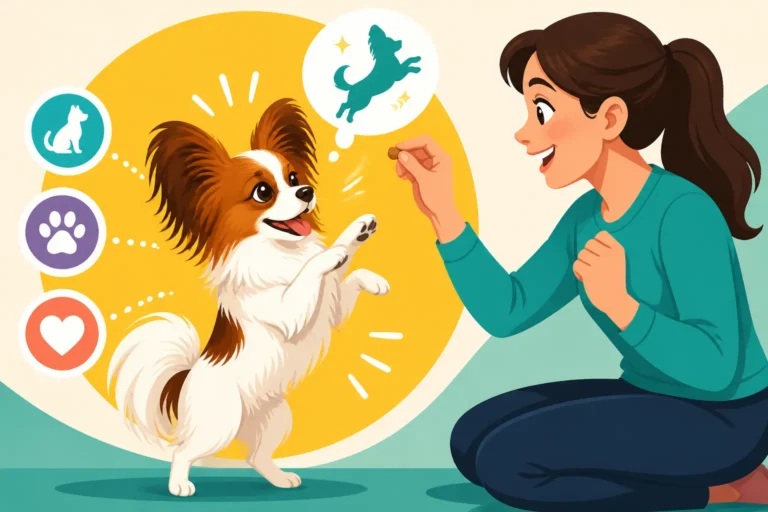
Papillons respond incredibly well to positive reinforcement – rewarding desired behaviors rather than punishing mistakes. This approach builds confidence, strengthens your bond, and keeps training fun. For a Papillon, a simple "good dog" might not cut it for long. You need to pull out the big guns when it comes to rewards, especially for new or challenging behaviors.
Treats: Small, soft, smelly, and incredibly delicious treats are usually top-tier motivators for Papillons. Think tiny pieces of cooked chicken, cheese, or specialized training treats. Experiment to find what makes your particular Papillon's eyes light up. What might be a high-value treat for one Papillon might be just "meh" for another. A quick search on Amazon for "small dog training treats" will show you a vast array of options to try, from freeze-dried liver to soft chewy bites. It's worth investing in a variety to keep things interesting. Keep treats pea-sized or even smaller to avoid overfeeding and allow for rapid delivery during short training windows.
Toys: Don't underestimate the power of a favorite toy! Many Papillons are highly toy-motivated and will work enthusiastically for a quick game of tug or chase. A small squeaky toy or a soft plush can be an excellent reward, especially for dogs who might get full on treats. Whether a Papillon Works for Toys depends on the individual, but many will, especially for active games. The key is to make the toy interaction short, exciting, and immediately rewarding. A quick tug, a toss, then back to training.
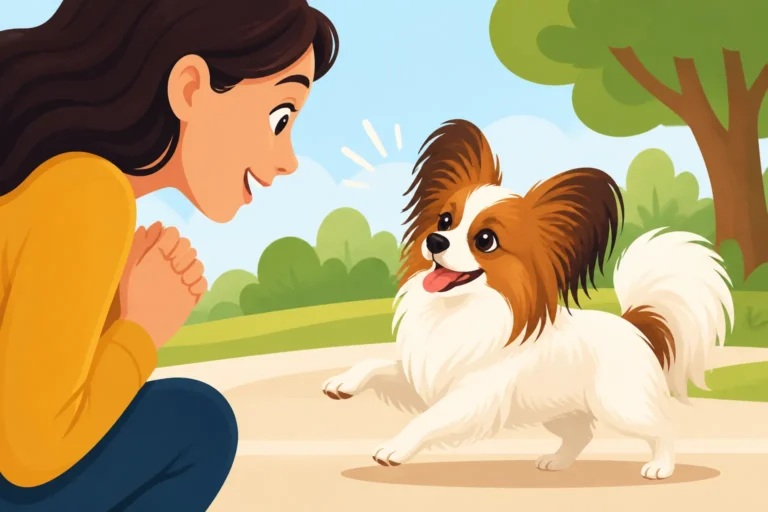
Praise and Affection: While not always enough on its own, enthusiastic verbal praise ("Yes!" "Good boy/girl!") combined with gentle petting or a belly rub can amplify the effect of treats and toys. Your excitement is contagious to your Papillon, so make sure your voice is upbeat and joyful. A happy, validated Papillon is a motivated Papillon. Remember, Which Rewards a Papillon Works For might be a combination of all three, changing depending on the context!
Varying Your Training Approach and Environment
Consistency is important for learning, but repetition in the same exact setting can quickly lead to boredom. To keep your Papillon engaged and ensure they can perform commands in any situation, introduce variety into your training.
Change Locations: Don't just train in your living room. Take your Papillon to the backyard, a quiet park, a friend's house, or even a different room in your home. Each new environment introduces different sights, sounds, and smells, which challenges your Papillon to focus on you despite distractions. This also helps them generalize commands, so they understand that "sit" means "sit" whether they are on the couch or at the vet's office.
Vary the Cues and Tricks: Instead of drilling "sit" ten times in a row, cycle through different behaviors. Do a "sit," then a "down," then a "spin," then a "come." This keeps their mind active and prevents them from anticipating the next command, requiring them to truly listen. Introduce new tricks regularly. Papillons love learning new things, so teaching them something new, even a simple trick, can reignite their enthusiasm. They are brilliant enough that Whether a Papillon Outsmarts Its Owner is a real possibility if you don't keep them challenged!
Incorporate Different Training Styles: While you might be the primary trainer, sometimes having another family member or even a trusted friend work with your Papillon can provide a fresh perspective and keep things interesting for your dog. Consider joining a puppy class or an obedience class for a structured, varied environment. Even watching online tutorials for new tricks can inspire you to try different approaches.
Incorporating Play and Breaks
Training shouldn't be a rigid, unbroken stretch of commands. Papillons, like all dogs, benefit immensely from interspersed play and mental breaks. These aren't just downtime; they're vital for recharging focus and maintaining a positive attitude towards training.
Short Play Breaks: During a longer session (10-15 minutes), especially with an adolescent or adult Papillon, insert a 30-second to one-minute play break. This could be a quick game of tug, a chase with a favorite toy, or even just some enthusiastic praise and a belly rub. This allows them to decompress, burn off a little physical energy, and return to the "work" feeling refreshed. It reinforces that training is fun and interactive.
Active Rewards: Sometimes, the reward itself can be a mini-break. Instead of just handing over a treat, toss it a few feet away, encouraging a quick dash and retrieve. This adds a physical element to the reward, which Papillons often appreciate. You can also use a toy as a reward, playing a quick game of fetch after a successful string of commands.
Knowing When to Stop: The most important aspect of breaks is knowing when the session needs to end entirely. It's always better to end a session when your Papillon is still eager and successful, rather than pushing until they're fatigued or frustrated. This leaves them with a positive feeling about training and makes them more enthusiastic for the next session. This is part of the "always end on a high note" philosophy.
Structured Programs and Online Resources
For those looking for ongoing variety and a consistent learning path, structured programs and online resources can be a game-changer. These platforms often provide a progressive curriculum that keeps both you and your Papillon engaged.
For example, BAXTER & Bella offers an online puppy school program that breaks down training into manageable steps, perfect for Papillons. They provide lessons on everything from basic obedience to problem-solving, often emphasizing short, frequent sessions and positive reinforcement. This kind of structure can prevent you from running out of ideas and ensures a well-rounded training experience. Such programs can guide you through various exercises, making sure you introduce new concepts at the right pace and keep things exciting.
Another option is exploring training videos on platforms like YouTube, where many professional trainers share creative tricks and games. While not a structured program, it can be a great source of inspiration for varying your routine and finding new challenges for your Papillon. Just be sure to always prioritize positive, force-free methods, as Why Harsh Correction Fails on a Papillon is very true for this sensitive breed. They respond best to kindness, clarity, and fun.
When to Call It a Day and End on a High Note
Knowing when to end a training session is just as important as knowing how to start one. It can feel counterintuitive, especially when you're on a roll and your Papillon is performing brilliantly. However, pushing too far can erase all the goodwill and positive associations you've built up. The goal is always to leave your Papillon wanting more, not feeling relieved that it's finally over. This approach ensures that training remains a joyful activity for both of you, fostering a lifelong love of learning in your tiny companion.
The "Always End Successfully" Rule
This is perhaps the most crucial rule in dog training, especially with intelligent and sensitive breeds like Papillons. You want the very last interaction in a training session to be a successful one. This means that even if your Papillon struggled with a new trick or lost focus a few moments before, you should quickly revert to a command they know perfectly, ask for it, reward them enthusiastically, and then immediately end the session.
For instance, if you were trying to teach a new "wave" and your Papillon just wasn't getting it, and then started sniffing the ground, don't keep trying to force the wave. Instead, ask for a simple "sit" or "touch," which they can do in their sleep. As soon as they perform it, give them their highest value treat, a shower of praise, and say, "All done!" or "Good job, let's play!" and put the training tools away. The idea is that the positive feeling of success, combined with the reward, is the last memory they have of the session. This builds confidence and makes them excited for the next time, because they remember feeling clever and getting rewarded. If they leave a session feeling frustrated or like a failure, they'll be less enthusiastic to participate next time.
Preventing Burnout and Aversion to Training
If you consistently push your Papillon beyond their mental or physical limits, you risk creating burnout or, worse, an aversion to training altogether. Think about it from their perspective: if every training session ends with them feeling tired, confused, or corrected, why would they want to join in? Papillons thrive on engagement and positive interaction. If training becomes a chore, they will quickly lose interest, and their natural eagerness to learn will diminish.
Burnout can manifest as a general lack of enthusiasm for training cues, slower responses, or even actively trying to avoid you when you bring out the treat pouch. It's harder to re-engage a dog that has learned to dislike training than it is to keep a dog engaged from the start. This is why paying close attention to the subtle signs of disengagement discussed earlier is so vital. Your Papillon is communicating, and it's our job to listen and adjust.
Remember, training is a marathon, not a sprint, especially with a breed that lives for How Long a Papillon Lives. You have years to teach your Papillon countless things. By keeping sessions short, fun, varied, and always ending on a successful, positive note, you'll ensure that training remains a valuable bonding experience and a source of lifelong mental enrichment for your intelligent little butterfly dog.
| Papillon Age Group | Recommended Session Length | Frequency Per Day | Key Focus | Signs of Overwhelm |
|---|---|---|---|---|
| Puppy (8 wks – 6 mos) | 2-5 minutes | 4-6 times | Basic cues, socialization, fun | Yawning, sniffing, looking away |
| Adolescent (6 mos – 1.5 yrs) | 5-10 minutes | 2-3 times | Building stamina, complex cues, generalizing | Slower responses, mild barking, fidgeting |
| Adult (1.5+ yrs) | 10-15 minutes (up to 20 for advanced) | 1-2 times | Refining skills, advanced tricks, sports | Refusal of cues, escaping, persistent scratching |
Disclaimer
This article is for general informational purposes only and does not constitute professional advice. Laws, prices and regulations vary by location and change over time. Consult a qualified professional for guidance on your specific situation.