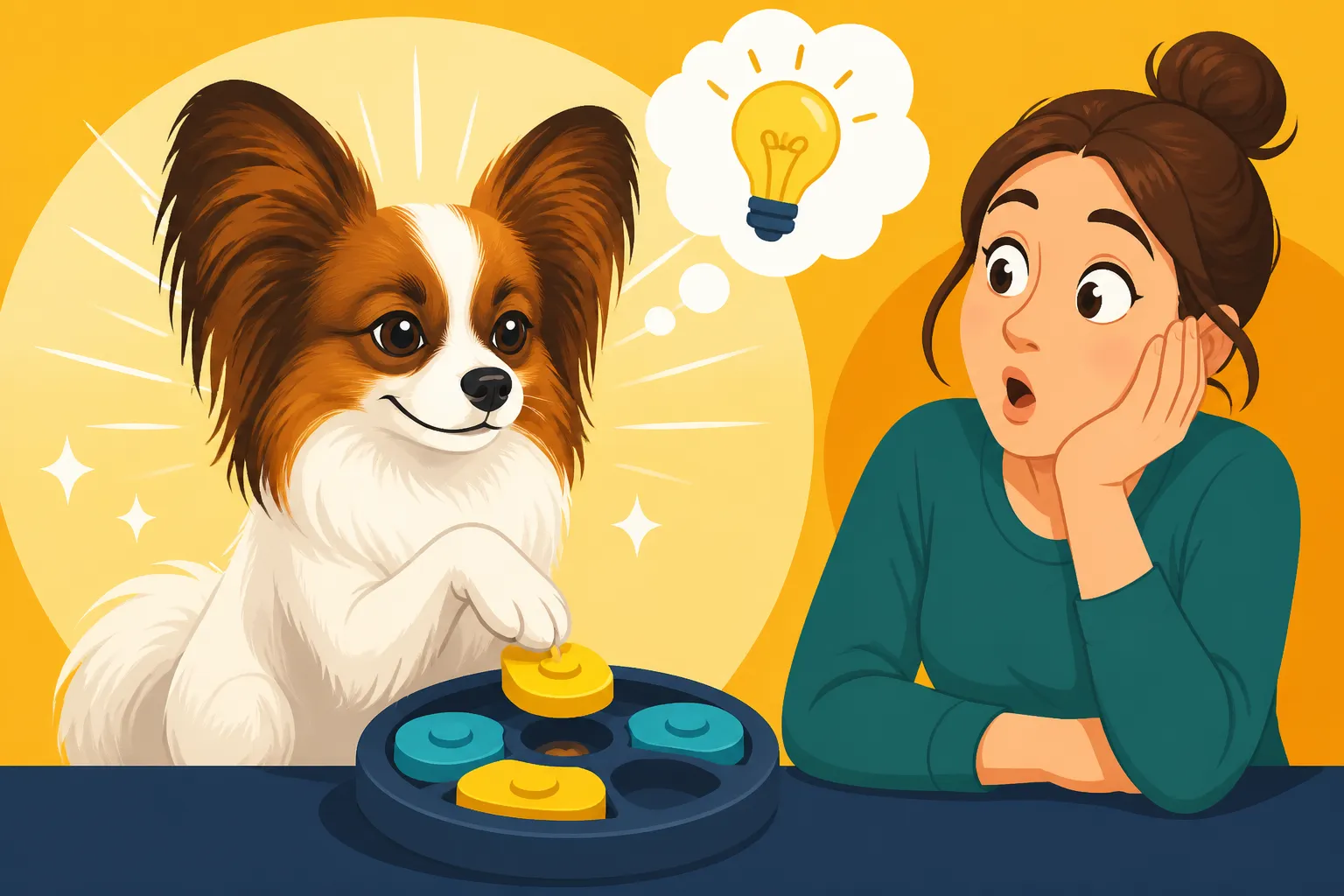
Whether a Papillon Outsmarts Its Owner
It’s a common, almost universal, feeling among Papillon owners: that moment when you look into those intelligent, dark eyes and realize your tiny, butterfly-eared companion seems to be one step ahead of you. You might think your Papillon is genuinely outsmarting you, not just being a clever dog, but actively manipulating situations or bending rules to their advantage. This guide will delve into what this "outsmarting" truly means for such an intelligent breed and offer practical, empathetic strategies to ensure you maintain a harmonious, well-understood relationship with your brilliant little friend.
Unpacking What "Outsmarting" Truly Means with a Papillon
Let's be real, no dog is sitting around plotting world domination or devising elaborate schemes to make your life difficult. When we say a Papillon is "outsmarting" us, it's usually our human interpretation of their incredibly fast learning, keen observation, and natural drive to get what they want. It often stems from a combination of their innate intelligence and our unintentional inconsistencies.
It's About Clever Learning, Not Malice
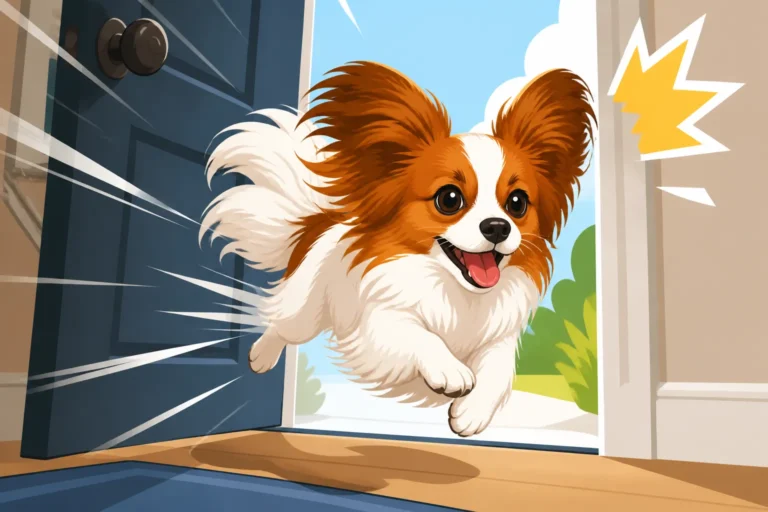
Your Papillon isn't trying to be "bad" or defiant. What they are doing is learning what behaviors yield desired results. If barking at you while you're on a Zoom call occasionally gets them a tossed toy or a quick cuddle, they quickly learn that barking sometimes works. If dashing out the door when it opens leads to a fun chase game, why wouldn't they try it every time? Their world operates on cause and effect, and they are masters at figuring out which "causes" lead to the most favorable "effects" for them. This isn't malice; it's pure, unadulterated canine logic. They're simply optimizing their efforts to get what they want, and if we're not careful, we can inadvertently train them to exhibit behaviors we find frustrating.
The Art of Canine Observation and Association
Papillons are incredibly observant little creatures. They absorb every nuance of your daily routine, your body language, and even your tone of voice. They quickly make associations: the jingle of keys means a walk, the rustle of a treat bag means a reward, and that particular sigh you make means you're about to give in to their demands. This ability to link cues with outcomes is what makes them so trainable, but it also means they can "read" you like an open book. They learn when you're busy, when you're distracted, and when you're most likely to concede. For example, if your Papillon knows that you're most likely to share a tiny piece of your dinner if they sit and stare intently at you for a full two minutes after you've told them "no," they've learned to push that boundary. This isn't a sign of them being a sneaky mastermind; it’s a testament to their cognitive abilities and how well they understand their environment and the people in it.
How Our Inconsistencies Create "Masterminds"
Here's the truth bomb: much of what feels like being "outsmarted" by your Papillon often comes down to our own inconsistencies. Imagine you've decided the sofa is off-limits. One day, you're strict, enforcing the rule. The next, you're tired, and their pleading eyes melt your resolve, so you let them up "just this once." For a Papillon, "just this once" isn't an exception; it's a new possibility. They don't understand context or your varying moods. They only understand what sometimes works. Every time you waver on a rule, you're essentially reinforcing their belief that if they try hard enough, or at the right moment, they might just get their way. This is particularly true for intelligent breeds like the Papillon, who are quick to pick up on these fluctuating boundaries. They are not intentionally trying to break rules; they are simply trying to navigate the inconsistent rules we've set.
Why Papillons Excel at Seemingly "Outsmarting" Their Humans
Papillons are not just pretty faces with magnificent ears; they possess some serious brainpower. Their intelligence, combined with their charming personalities, makes them incredibly adept at navigating the human world in ways that often feel like they're playing chess when we're playing checkers.
A Mind Built for Problem-Solving
If you've spent any time around a Papillon, you know they're often brimming with curiosity and an insatiable desire to engage with their surroundings. They are often ranked among the most intelligent dog breeds, which means they thrive on mental stimulation. This intelligence translates into incredible problem-solving skills. They might figure out how to open a cupboard, retrieve a toy from under a difficult spot, or even unfasten a gate if it's not truly dog-proofed. This isn't just about learning commands; it's about applying knowledge in new situations. For instance, if a specific toy is put away, a smart Papillon might try nudging the cupboard door with their nose, then pawing at it, and if a slight gap appears, they'll leverage it. This drive to solve problems, while admirable, can sometimes manifest as "mischief" if not channeled appropriately. Their capacity for learning means they pick up new cues quickly, but also that they are very good at learning when they can get away with something. To learn more about their incredible minds, check out The Papillon Is the Smartest Toy Breed There Is.
Small Stature, Big Brain: The Resourceful Papillon
It's easy to look at a seven-pound Papillon and underestimate their sheer mental tenacity. Their small size can sometimes lead owners to be less strict or to baby them more than they would a larger breed. This is where the Papillon's resourcefulness truly shines. They might use their diminutive size to their advantage, slipping past your legs unnoticed, or squeezing into tight spaces to get what they want. Their agility and quickness, combined with their intelligence, allow them to execute their plans with surprising efficiency. A Papillon who wants to share your snack might not jump on the table, but they might sit perfectly still, radiating an aura of intense longing until you, the benevolent human, relent. They learn that their charming looks and persistent, silent pleas can be just as effective as more boisterous tactics. This breed's combination of brains and charming looks makes them formidable negotiators in any household dynamic.
The Eagerness to Engage (and Sometimes Manipulate)
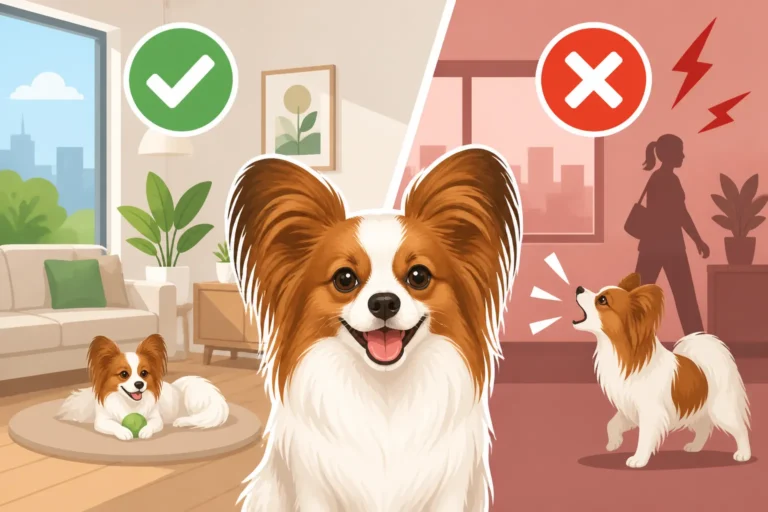
Papillons are not aloof; they crave interaction and being a central part of their family's life. This eagerness to engage, while wonderful for bonding, also gives them ample opportunity to experiment with different behaviors to get your attention. They learn that a little whimper might get you to pick them up, or a specific bark might send you running to see what's wrong. They understand that any attention, even negative attention, is still attention. So, if you accidentally reinforce unwanted behaviors by reacting, they will continue to employ those tactics. For instance, if your Papillon barks incessantly when you’re talking on the phone, and you repeatedly tell them "no" or "quiet" in a frustrated tone, they might interpret that as "Mommy is talking to me!" and continue the barking. They've found a way to insert themselves into your conversation, even if it's not the way you intended. They are very attuned to human emotional responses, and they can leverage these reactions to their benefit.
Strategies to Stay One Step Ahead of Your Clever Companion
While it might feel like your Papillon is a chess grandmaster, you can absolutely create an environment where their intelligence is channeled positively, and frustrating "outsmarting" behaviors are minimized. It's all about consistent communication and proactive management.
Establishing Crystal-Clear Rules and Boundaries
This is perhaps the most crucial step. Every single person in your household must agree on the rules and enforce them 100% of the time. If "no jumping on the sofa" is the rule, then no one lets the Papillon on the sofa, ever. This consistency is golden for highly intelligent dogs who are always testing boundaries. Use clear, consistent verbal cues and body language. Enroll in an online training program like BAXTER & Bella, which provides structured lessons and support that can help ensure everyone in the family is teaching the same commands in the same way. This eliminates confusion for your Papillon and prevents them from finding loopholes in your training. A confused Papillon will simply try everything until something works, and that's when you feel "outsmarted." Consider what rules are important to you and stick to them with unwavering resolve. Your Papillon isn't trying to be difficult; they're just trying to understand the rules of the game you've presented them with.
Harnessing Their Intelligence for Positive Outcomes
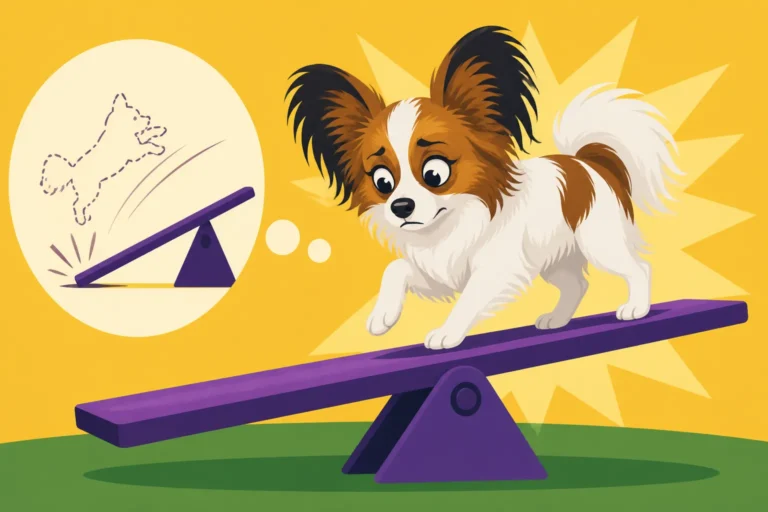
Instead of battling their intelligence, embrace it! Papillons thrive on mental stimulation. Provide plenty of opportunities for them to use their brains in constructive ways. Puzzle toys, many of which can be found easily on Amazon, are fantastic for this, requiring them to figure out how to get treats. Trick training is another excellent outlet; Papillons often pick up new tricks incredibly quickly, satisfying their need to learn and engage. Enroll them in dog sports like agility or rally obedience. Even just regular training sessions where you teach new commands or refine old ones can be immensely beneficial. A mentally challenged Papillon is usually a happy, well-behaved Papillon. If they're bored, they'll invent their own "games," which might include behaviors you'd rather they didn't do. For more ideas on keeping their minds busy, take a look at What Mental Work a Papillon Needs.
| "Outsmarting" Behavior | What It Actually Is (Often) | How to Address It |
|---|---|---|
| Selective hearing | Lack of consistent reinforcement / distraction | Make yourself more rewarding than the distraction; practice in various environments. |
| Persistent barking | Learned attention-seeking behavior | Ignore barking, reward quiet; teach an alternate "settle" command. |
| Sneaking forbidden items | Opportunity / lack of clear boundaries | Remove temptations, use gates, teach "leave it" with strong positive reinforcement. |
| Potty accidents inside | Inconsistent potty breaks / lack of supervision | Strict potty schedule, immediate outdoor rewards, thorough clean-up, rule out medical issues. |
| Holding out for better food | You've inadvertently reinforced pickiness | Offer food for a set time, then remove it; no free-feeding; avoid constant treat offerings. |
Proactive Management and Environmental Control
Sometimes, the best strategy is simply to prevent the "outsmarting" scenarios from happening in the first place. This means thinking ahead and managing their environment. If your Papillon is a known counter surfer (yes, even little ones can find ways!), don't leave tempting snacks near the edge. If they tend to bolt out the door the moment it opens, work on strict door manners and use a baby gate or crate at the entryway as a management tool. Why a Papillon Bolts Through Doors discusses these exact challenges. Consider ramps or steps for furniture if you want to prevent them from jumping off and potentially injuring their delicate knees, rather than constantly trying to catch them mid-air. Proactive management isn't about giving in; it's about setting your Papillon up for success by removing opportunities for them to practice undesirable behaviors.
Common "Outsmarting" Scenarios and How to Navigate Them
Let’s face it, some Papillon behaviors just feel like they're trying to pull a fast one on you. Understanding the underlying canine logic can help you respond effectively and lovingly.
The Case of the "Selective Hearing" Papillon
You know the drill: your Papillon can do a perfect "sit" and "stay" in the living room, but the moment you're at the dog park and call their name, they act as if they've never heard it before. This isn't usually a malicious act of ignoring you. Instead, it's often a case of competing motivators and a lack of generalization in training. The exciting smells, sights, and sounds of the park are far more reinforcing than your voice, especially if your voice isn't always associated with the highest value rewards in that environment. To combat this, you need to make yourself more interesting than the distractions. Practice recall and other commands in increasingly distracting environments, always using incredibly high-value treats and enthusiastic praise when they succeed. Start small, like in the backyard, then move to a quiet park, gradually increasing the distractions. For more on improving their response, read How Reliably a Papillon Comes When Called. Remember, your Papillon isn't deaf when distracted; they're just prioritizing.
The Persistent Bark for Attention
Papillons can be quite vocal, and their barks are often distinct and attention-grabbing. If your Papillon barks at you, and you consistently respond (even if it's just to tell them to stop), they've learned that barking is an effective way to get your attention. This can quickly escalate into what feels like a constant demand for interaction. The trick here is to completely ignore the barking. Yes, it's hard, especially if they have a piercing little bark! Wait for a brief moment of silence, then immediately reward and praise them. You can also teach an alternative behavior, like lying on their mat, and reward that instead. This teaches them that quiet, calm behavior earns rewards, while barking does not. For more insight into their vocal habits, check out What a Papillon Barks At. Consistency is key here; every time you respond to a bark, you reinforce the behavior.
The "Accidental" Potty Break Inside
"But they know better!" you might exclaim, cleaning up another puddle. This is a classic "outsmarting" feeling. A Papillon who is otherwise reliably house-trained might suddenly have an accident inside, often seemingly in protest or frustration. While it can feel like defiance, it's almost always a breakdown in communication or routine. Are they getting enough potty breaks? Are they being taken to the right spot outside? Are they being fully supervised inside, or do they sneak off to a quiet corner? Accidents can also be a sign of a medical issue, so a vet check is always a good first step if house-training suddenly regresses. Beyond that, reinforce strict potty schedules, generously reward outdoor successes, and use gates or crates to limit unsupervised access indoors until their reliability is rock solid again. Understanding How Long House Training a Papillon Takes can help set realistic expectations.
Navigating Mealtime Manipulation
Some Papillons are incredibly smart when it comes to food. They might refuse their regular kibble, holding out for a tastier treat or a piece of your human food. This can feel like they're "training" you to provide better options. To counter this, establish a consistent feeding routine: offer their meal for 10-15 minutes, and if they don't eat it, pick it up until the next scheduled meal. Do not offer other food or treats in between. They will eventually eat when they are hungry. This teaches them that their regular food is available at certain times, and holding out won't get them a better deal. It requires patience, but it’s effective. You can find more advice on this topic in Getting a Picky Papillon to Eat.
Ultimately, the feeling that your Papillon is outsmarting you is a testament to their incredible intelligence, adaptability, and charm. They're not being malicious; they're simply being dogs – clever, observant, and always seeking to optimize their world for their own benefit. By understanding their motivations, being consistent in your training, and providing plenty of mental stimulation, you can transform perceived "battles of wits" into opportunities for deeper connection and a more harmonious life together. Your brilliant little Papillon isn't trying to trick you; they're just waiting for you to set the rules they can thrive within.
Disclaimer
This article is for general informational purposes only and does not constitute professional advice. Laws, prices and regulations vary by location and change over time. Consult a qualified professional for guidance on your specific situation.