Whether a Papillon Knows It Is Small
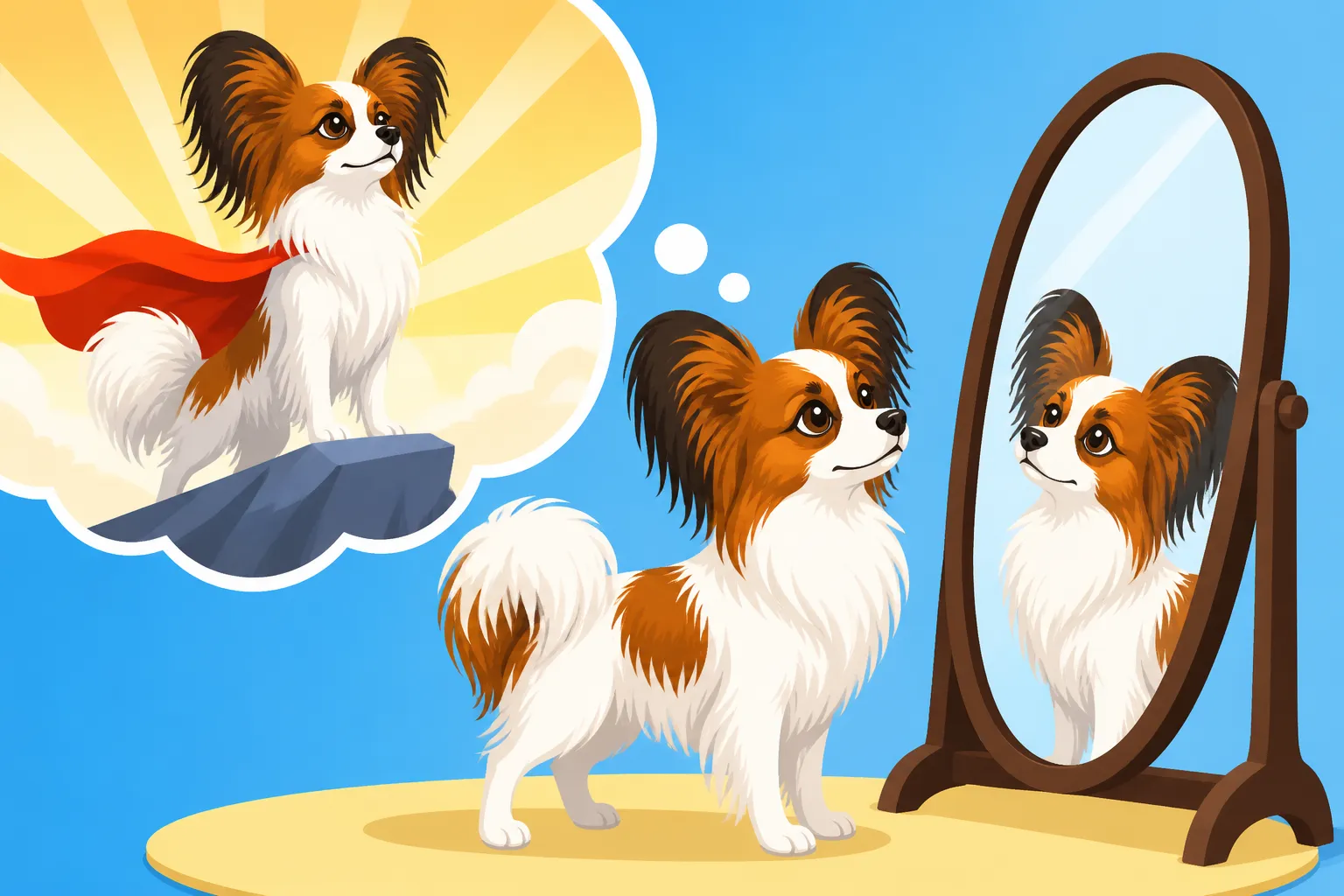
It's a common observation, isn't it? You watch your tiny Papillon, all five pounds of fluff and ears, strutting around like they own the entire neighborhood, seemingly oblivious to the Golden Retriever twice their size. The truth is, that perception isn't far off. Many Papillon owners find themselves asking, "Does my Papillon know it's small?" and the answer, in short, is usually "not really." This guide will delve into the fascinating psychology of these spirited little dogs, explore how their big personalities shape their interactions with the world, and provide practical advice for keeping your pint-sized powerhouse safe and confident.
The Papillon's Inner World: Why Size Doesn't Always Matter
Papillons, with their delicate frames and elegant "butterfly" ears, often carry themselves with the bravado of a much larger breed. It's not uncommon to see them confidently approach much bigger dogs, sometimes with an almost comical lack of self-preservation. This isn't just an adorable quirk; it's deeply rooted in their nature and how they perceive their place in the world.
The Big Dog in a Small Package Syndrome
Imagine living your life with boundless energy, an eager intelligence, and a strong will. That's a Papillon! These dogs were not bred to be shrinking violets; they were companions to royalty, accustomed to being the center of attention and having their every whim catered to. This historical context, coupled with their inherent intelligence, often manifests as a bold, assertive personality. They don't typically cower or feel intimidated by their stature. Instead, they operate on a level playing field in their minds. To them, they are simply dogs, and every other creature, regardless of size, is just another dog to interact with – or, perhaps, to politely inform of their superior intellect and agility.
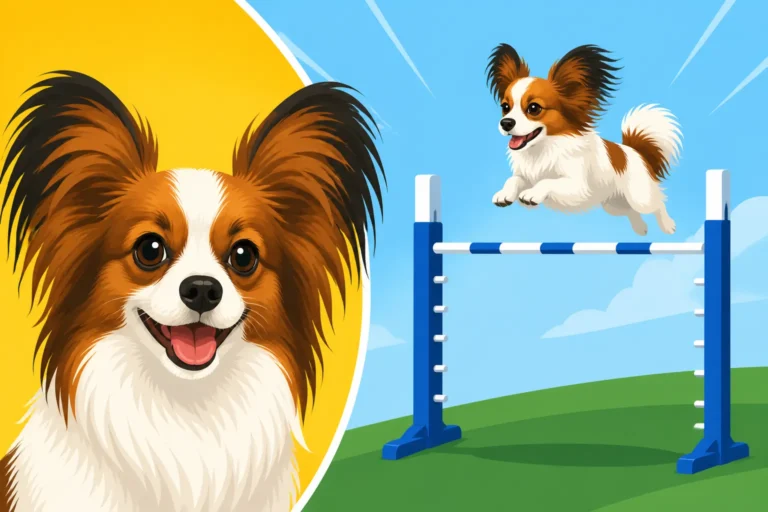
This "big dog in a small package" mentality can be both charming and, at times, a little nerve-wracking for us humans. They'll fearlessly navigate obstacle courses, leap onto furniture, and demand playtime from a German Shepherd without a second thought. It's a testament to their incredible spirit and confidence, but it also means we, as their guardians, need to be extra vigilant. We can't rely on them to instinctively understand that charging a Rottweiler might not end well because, in their world, they're just as capable. They often possess an innate belief in their own capability, a trait that makes them formidable competitors in dog sports like agility, as explored in Why a Papillon Beats Bigger Dogs at Its Own Size.
Instinct Over Actual Size
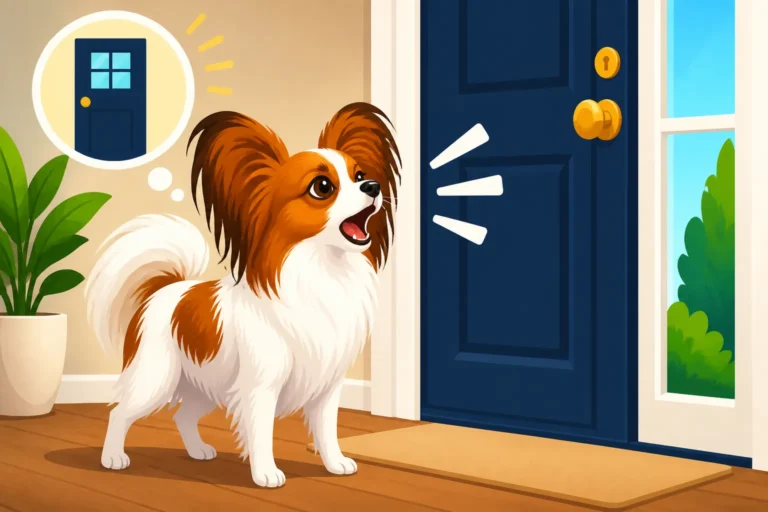
Dogs, in general, rely heavily on body language and energy rather than pure size metrics. A confident, assertive small dog can easily project an aura of self-importance that larger, more timid dogs might respond to. Papillons often exude this confidence naturally. Their high energy levels, quick movements, and vocalizations can make them seem larger and more formidable than they physically are. When they bark at a perceived threat or challenge, they're not thinking about their height; they're reacting based on their instincts and their perceived role in protecting their home or their human.
Furthermore, a Papillon's world is often shaped by their human's reactions. If we constantly coddle them or express fear when they encounter larger dogs, they might pick up on our anxiety and become more reactive, not less. Conversely, if we treat them as capable, confident dogs (while still ensuring their safety), they tend to live up to that expectation. Their internal mapping of their environment isn't based on a measuring tape; it's based on their experiences, their energy levels, and the way they are encouraged to interact with the world around them. This is why early and positive socialization is absolutely critical for a Papillon puppy, setting the stage for how they view themselves and others, a topic often discussed during The First Year With a Papillon Puppy.
How Papillons Interact with Larger Dogs and the World
The bold nature of a Papillon profoundly impacts how they engage with other dogs, people, and their surroundings. While their confidence is endearing, it also necessitates a proactive approach to their safety and social interactions.
Facing Down Giants: Play Styles and Confidence
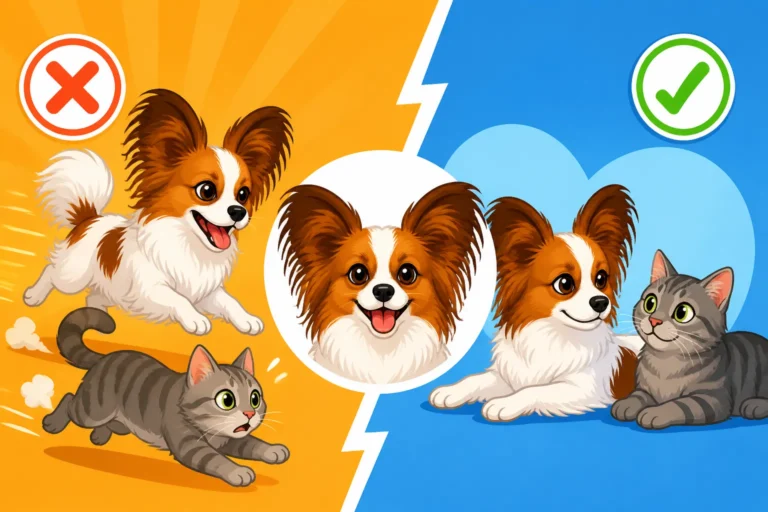
It's a sight many Papillon owners know well: their tiny dog, ears flying, engaging in a full-on play battle with a dog three, four, or even five times their size. Papillons are incredibly playful and often initiate interactions, even with much larger breeds. They're quick, agile, and often possess a natural ability to dodge and weave, making them surprisingly difficult for bigger, slower dogs to catch. This agility gives them a sense of invincibility during play. They truly don't see themselves as fragile, which is part of their charm but also their greatest vulnerability. For a deeper dive into their interactions, consider reading How a Papillon Behaves With Large Dogs.
They often adapt their play style to match their larger companions, sometimes adopting a more "herding" approach, nipping at heels and darting away, or using their speed to initiate games of chase. However, this confidence can sometimes be misinterpreted by other dogs. A Papillon "squaring up" to a bigger dog, as described in Why a Papillon Squares Up to a Big Dog, might be seen as playful or assertive by the Papillon, but another dog might perceive it as a challenge. It's important to remember that not all larger dogs are tolerant, and even the most good-natured giant can accidentally injure a small dog with an enthusiastic paw or a clumsy tumble.
When "Brave" Becomes "Risky": Understanding the Dangers
While their fearless nature is admirable, it also puts Papillons at a higher risk of accidental injury. They are not built to withstand the same rough-and-tumble play as a larger, sturdier breed. A playful nip from a Rottweiler could be a minor scratch for another large dog, but it could be serious for a Papillon. A clumsy pounce from a Labrador, even one meant in fun, could lead to broken bones or internal injuries. Unfortunately, this is a harsh reality for many owners, and learning Where a Papillon Gets Hurt Playing With Large Dogs can be a sobering but important lesson.
The dangers extend beyond just physical play. A Papillon's bold barking at a passing stranger or another dog can escalate into an unwanted confrontation. While they may not pick fights with malicious intent, their incessant yapping or fearless posturing can provoke a reaction from a less-socialized or reactive dog. This is why understanding Whether a Papillon Picks Fights and how to manage those situations is crucial. Dog parks, for instance, can be a minefield for small dogs. While some Papillons thrive in diverse dog groups, the uncontrolled environment of a typical dog park means constant vigilance is required. It's worth considering Whether a Dog Park Suits a Papillon before diving in. Sometimes, controlled, supervised playdates with known, gentle dogs are a much safer alternative.
Cultivating Confidence and Safety for Your Papillon
Given their "big dog" mindset, our job as Papillon owners is to foster their natural confidence while simultaneously implementing strategies to keep them safe in a world that isn't always built for small breeds. It's a delicate balance, but entirely achievable with consistency and awareness.
Socialization Done Right
Effective socialization is paramount for a Papillon. It's not just about exposing them to other dogs; it's about teaching them appropriate ways to interact and understand different types of dogs. A Papillon needs to learn that while they can be confident, not every dog wants to play their way, and some might require a more respectful, gentle approach.
Start early, even during The First Year With a Papillon Puppy. Introduce them to a variety of safe, calm, and well-behaved dogs of all sizes. Focus on positive experiences. Enroll in puppy classes where interactions are supervised and structured. Online training programs, like those offered by BAXTER & Bella, can provide excellent guidance on structured socialization and positive reinforcement techniques, helping you navigate these crucial early months. This controlled exposure helps your Papillon build confidence without inadvertently developing risky behaviors. They learn that big dogs aren't inherently scary, but also that some boundaries are necessary.
Beyond other dogs, expose your Papillon to different sights, sounds, people, and environments. This builds a robust, well-adjusted dog who is less likely to be fearful or overly reactive, and therefore less likely to put themselves in a dangerous situation out of anxiety or bravado.
Managing Encounters and Environments
Prevention is always the best medicine when it comes to a small dog's safety. This means actively managing their environment and interactions.
Leash and Harness Safety: Always keep your Papillon on a leash in unfenced public areas. Their instinct to chase a squirrel or greet another dog can put them directly in harm's way, especially if they don't perceive the risk of cars or larger dogs. A well-fitting harness, rather than a collar, is highly recommended to protect their delicate trachea and provide better control. Many excellent options are available on Amazon, ensuring comfort and security.
Supervised Playdates: When it comes to playing with larger dogs, constant supervision is non-negotiable. Watch for signs of overexcitement in either dog. A Papillon's high energy can sometimes egg on a larger dog, and what starts as fun can quickly become too rough. Be ready to intervene calmly and separate them if play escalates. Remember, even a friendly tail wag from a large dog can send a Papillon tumbling.
Respecting Personal Space: Teach your Papillon that not all dogs want to be greeted face-to-face, especially not with their usual bold approach. If you see a larger dog exhibiting signs of stress (tail tucked, stiff body, lip licking, looking away), immediately redirect your Papillon. Sometimes, the best interaction is no interaction. Learning How a Papillon Accepts a New Dog can help you understand subtle cues and ensure harmonious introductions.
Home Environment: Even at home, consider safety. Ramps or steps can prevent jumping injuries from furniture, protecting those tiny knees from conditions like patellar luxation. Ensure there are safe, quiet spaces where your Papillon can retreat if they feel overwhelmed, especially if you have other pets or children.
Training and Management to Reinforce Desired Behavior
Given their intelligence and spirit, Papillons respond incredibly well to training. This isn't just about obedience; it's about shaping behaviors that keep them safe and allow their confident personalities to shine without putting them at risk.
Harnessing That Big Dog Energy
Papillons are smart – notoriously so! They are often ranked among the most intelligent breeds, capable of learning complex commands and tricks with remarkable speed. This intelligence means they thrive on mental stimulation as much as physical exercise. Without it, their "big dog" energy can manifest as boredom, excessive barking, or even destructive behaviors.
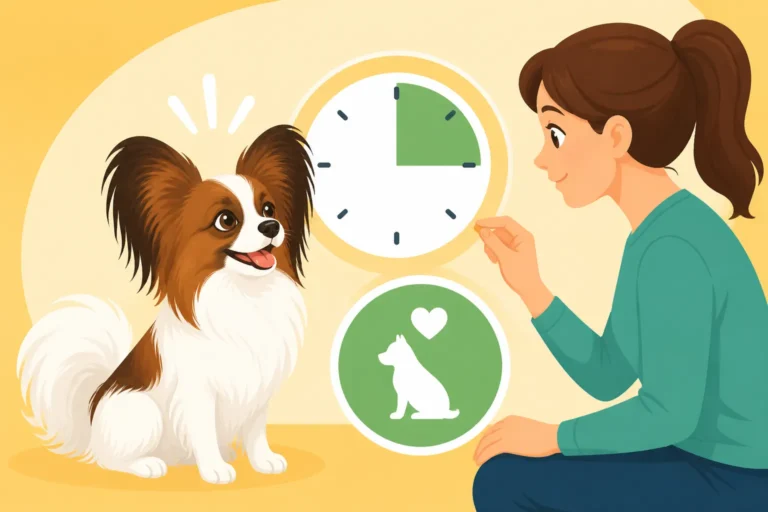
Channel their energy into productive outlets. Agility, rally obedience, trick training, or even just consistent daily training sessions can provide the mental workout they crave. Positive reinforcement works wonders with Papillons. They love to please and are highly food-motivated, making training a fun and rewarding experience for both of you. You'll find many treat pouches, clickers, and engaging puzzle toys on Amazon that can aid in training and mental enrichment.
Consider enrolling in online courses or finding local trainers who specialize in positive reinforcement. Programs like BAXTER & Bella's online puppy school can be invaluable for teaching foundational behaviors and manners, all from the comfort of your home. This gives them a job to do and reinforces that you are the benevolent leader, helping them trust your judgment in situations where their natural bravado might lead them astray.
Teaching Boundaries for Their Own Good
Because Papillons often act like they're invincible, we need to teach them boundaries that protect them. This isn't about crushing their spirit but guiding their confidence safely.
"Leave It" and "Come": These are arguably two of the most critical commands for a Papillon. "Leave It" can prevent them from charging towards a perceived threat, picking up something dangerous, or engaging in unwanted interactions with other dogs. A reliable "Come" (recall) can be a literal lifesaver if they slip off-leash or dash into a risky situation. Practice these commands frequently in various environments, making them fun and rewarding.
Managing Excitement: Papillons can get quite excited, especially when meeting new dogs or people. Teach them to sit and wait politely instead of lunging or barking. This helps prevent them from overwhelming other dogs, who might react negatively to such an intense greeting. It also teaches them impulse control, which is vital when their instincts tell them to charge forward.
Understanding Their Limits: While a Papillon might think they can keep up with a marathon runner, their small bodies have limits. Be mindful of extreme weather, long walks, or overly strenuous activities. Their delicate bone structure means too much impact from jumping or rough play can lead to injuries. Always prioritize their physical well-being over their perceived capabilities.
Here’s a quick overview of how a Papillon's perception impacts various situations:
| Situation | Papillon's Likely Perception | Owner's Reality & Best Practice |
|---|---|---|
| Encountering a Large Dog | "New friend to play with!" / "Must assert myself!" | Potential for accidental injury; supervise closely, intervene if needed. |
| Barking at a Stranger | "Alerting my pack!" / "I am the guardian!" | Can be perceived as aggressive; teach "quiet" and positive greetings. |
| Jumping Off Furniture | "I can fly!" / "No big deal!" | Risk of patellar luxation or other joint injuries; use ramps/steps. |
| Off-Leash in Unfenced Area | "Freedom! Adventure!" / "I'm safe here!" | High risk of running into traffic, larger dogs, or getting lost; always leash. |
| Play with Rough Dog | "This is fun! I'm fast!" | High risk of severe injury; manage interactions, choose playmates carefully. |
By understanding that your Papillon genuinely doesn't perceive themselves as small or vulnerable, you can be a better advocate and guardian for them. You can celebrate their bold spirit while intelligently managing their environment and training them to navigate the world safely. Their intelligence and eagerness to please make them incredibly receptive to learning these life-saving boundaries.
Disclaimer
This article is for general informational purposes only and does not constitute professional advice. Laws, prices and regulations vary by location and change over time. Consult a qualified professional for guidance on your specific situation.