How a Papillon Greets a Stranger
It's incredibly common for Papillon owners to feel a mix of pride and anxiety when a new person enters the room or approaches them on a walk. You're never quite sure if your little butterfly dog is going to launch into a full-body wiggle and demand attention, or if they're going to shrink behind your legs and offer a few sharp, suspicious barks. Navigating these interactions is key to a happy, well-adjusted Papillon, and this guide is here to walk you through understanding your dog's greeting style and how to help them put their best paw forward.
Understanding the Papillon Temperament with Strangers
Papillons, despite their delicate appearance, are far from fragile or aloof. They are known for being bright, alert, and often quite opinionated. This means their reaction to strangers can be a nuanced dance between their inherent traits and how well they've been socialized.
The Papillon's Natural Disposition
Our little butterfly dogs are incredibly intelligent and keenly observant, traits that serve them well in many aspects of life, but can also contribute to their initial wariness around new people. A Papillon often processes a lot of information in a short amount of time when a stranger approaches: What does their body language say? What is their tone of voice? Are they carrying anything unusual? Is their energy calm or excitable? All of these factors go into their immediate assessment. This isn't necessarily fear; it's often a deep-seated alertness that stems from their nature. The Papillon Is the Smartest Toy Breed There Is for a reason—they're always thinking and processing!
Sometimes, this translates into immediate acceptance and a shower of affection, especially if the stranger is calm and respectful. Other times, it means a momentary pause, a slight stiffening of the body, or even a low growl or bark as they decide if this new human is friend or foe. They are often sensitive souls, and a loud voice, sudden movement, or an overly enthusiastic reach can easily set a cautious Papillon on edge. This isn't a flaw in their character; it's simply part of their refined disposition, asking for a moment of respect before intimacy.
Breed History and Instincts
Believe it or not, these dainty little dogs have a history that involved more than just being pampered laps dogs for European royalty. While they absolutely excelled at being charming companions, their intelligence and alertness also made them excellent little alarm systems. Imagine a grand château or even a smaller, bustling household in centuries past; a Papillon's keen senses and quick bark would have been invaluable for announcing visitors, wanted or unwanted.
This historical role means that many Papillons still carry that "alert dog" instinct within them. A stranger at the door isn't just a new person; it's a potential breach of their territory, a change in their routine, and something that demands their immediate attention. This isn't to say they are inherently aggressive, but rather that they have an innate drive to be aware of their surroundings and to signal any perceived novelty or threat to their human family. Understanding this instinct can help us be more empathetic when our Papillon barks at the delivery driver or a new guest, rather than just seeing it as "bad behavior." They're just doing what their ancestors did!
The Range of Papillon Personalities
Just like people, every Papillon is an individual. While the breed as a whole tends to be intelligent, active, and generally friendly, there's a huge spectrum of personalities within that definition. You might have one Papillon who is an absolute social butterfly (pun intended!) and greets everyone with an enthusiastic tail wag and an offer of kisses. This dog thrives on new interactions and sees every stranger as a potential playmate or source of pets.
Then, there's the more reserved Papillon. This dog might hang back, observing from a safe distance, carefully assessing the newcomer before deciding if they're worthy of a polite sniff or a tentative tail wag. They're not necessarily fearful, but they're certainly not going to rush in blindly. And on the other end, you might encounter a truly shy or even fearful Papillon, especially if they haven't had adequate early socialization or have had negative experiences. These dogs might retreat, tremble, or even bark defensively when confronted with a stranger. It's crucial to remember that there's no "one size fits all" Papillon, and appreciating their individual quirks is part of the joy of sharing your life with them.
Common Papillon Greeting Styles
When a stranger enters your Papillon's orbit, you might witness a few distinct styles of greeting. Knowing what these look like and what they mean can help you respond appropriately and guide your dog towards more desired behaviors.
The Enthusiastic Greeter
Oh, the joy of a truly enthusiastic Papillon greeter! This is the dog who acts like every new person is their long-lost best friend. You’ll see a whirlwind of motion: a rapidly wagging tail that might even involve their whole rear end, darting little dances around the newcomer's feet, and often, an attempt to jump up for a closer face-to-face greeting. These Papillons are usually keen on offering "kisses" (licks to hands or faces) and will lean into any offered pet with gusto, sometimes even nudging your hand for more attention.
While this can be incredibly endearing and often elicits delighted chuckles from strangers, it does have its downsides. Not everyone appreciates a dog jumping on them, even a small one, or a face full of licks. For children or elderly guests, it can even be a tripping hazard. This kind of exuberance, while well-intentioned, can also make it difficult for the dog to settle down and relax in a new social situation. They might be so overstimulated that they struggle to hear your cues or calm themselves. It's a wonderful trait, but one that still needs gentle guidance to ensure politeness and safety.
The Reserved Observer
Then there’s the Papillon who approaches new encounters with a touch more decorum, a true "reserved observer." This dog won't rush in. Instead, they might stay close to your side, perhaps even slightly behind your legs, head held high, ears swiveled, taking everything in. Their tail might be held neutrally or give a very slow, almost hesitant wag. They're processing, analyzing, and deciding if this new human is worth their precious attention.
Often, they'll allow a stranger to approach and offer a hand, perhaps giving it a quick, polite sniff before backing away or deciding to lean in for a gentle pet. They might accept a treat offered calmly, but won't snatch it. This behavior isn't about fear; it’s more about a thoughtful, cautious nature. They are discerning and prefer to make their own judgments rather than blindly accepting everyone. This can be a lovely trait, as it means they're less likely to be overstimulated or make poor choices, but it does require patience from strangers and an understanding owner who respects their need for space.
The Alert Barker
Ah, the alert barker. This is a common Papillon trait, stemming from their watchdog heritage. How Much a Papillon Barks can vary greatly, but many Papillons will certainly let you know when a stranger is near. This greeting style is usually characterized by a series of sharp, rapid barks, often accompanied by a stiffened body, ears forward, and intense focus on the newcomer. The tail might be wagging, but it's a tight, high-energy wag, not a loose, happy one.
It’s important to differentiate between different types of barking. Is it a territorial bark, announcing "You are on my property!"? Is it a fear-based bark, signaling "Stay away, I'm scared!"? Or is it an attention-seeking bark, meaning "Hey! Look at me! I know you're there!" Understanding the motivation behind the bark is crucial for addressing it. A Papillon might bark at the sight of a new person, the sound of footsteps on the porch, or even just a glance from a stranger they haven't "approved" yet. While they might never be completely silent, teaching them a "quiet" cue or redirecting their focus can make a world of difference for everyone's sanity. What a Papillon Barks At dives deeper into the specific triggers for this vocal breed.
Factors Influencing a Papillon's Reaction to Strangers
A Papillon's greeting style isn't just random; it's shaped by a combination of their early life, your influence, and the way the stranger interacts with them. Understanding these factors can give you the tools to help your dog develop more confident and polite greetings.
Early Socialization Experiences
This is, without a doubt, one of the most critical factors in how your Papillon will react to strangers throughout their life. The period from about 3 to 16 weeks of age is a crucial window for puppy socialization. During this time, puppies need positive exposure to a wide variety of people of different ages, genders, appearances (hats, glasses, beards), and gaits. If a Papillon puppy primarily meets only one or two types of people during this sensitive period, they may grow up to be wary or even fearful of anyone outside that narrow experience.
A lack of proper socialization can manifest as excessive shyness, fear-biting, or reactive barking towards strangers. They simply haven't learned that most new people are safe and mean no harm. Conversely, a Papillon who was thoughtfully exposed to many positive interactions with diverse strangers (always keeping experiences positive and never overwhelming) is far more likely to be a confident, friendly greeter. This isn't just about meeting people; it's about associating new people with good things, like treats and calm praise. When to Start Training a Papillon Puppy emphasizes the importance of early positive experiences.
Owner's Behavior and Cues
Our Papillons are incredibly tuned into us, and our own behavior, energy, and even subtle cues play a massive role in how they perceive and react to strangers. If you're tense, anxious, or constantly pulling your dog away from people, they'll pick up on that. They might interpret your anxiety as a sign that the stranger is a threat, reinforcing any existing fear or creating new ones. Our dogs look to us for guidance and reassurance.
Conversely, if you approach new people with a relaxed posture, a calm voice, and project confidence, your Papillon is much more likely to follow suit. A simple, "It's okay, say hello!" spoken in a cheerful tone, coupled with a relaxed leash and a confident stride, can signal to your dog that this new encounter is safe and positive. Many owners unknowingly create or exacerbate issues by hovering, clutching their dog, or using a high-pitched, worried tone. Remember, your Papillon views the world through your emotional lens. How Sensitive a Papillon Is explains just how attuned they are to our emotions and actions.
The Stranger's Approach and Demeanor
You know that feeling when someone comes at you too fast, too loud, or with too much intensity? Your Papillon feels it tenfold. The way a stranger approaches and interacts can dramatically influence your dog's reaction. A person who rushes forward, bends over the dog, reaches out a hand quickly, or speaks in a booming voice is likely to trigger caution or fear in many Papillons, especially those who are already a bit reserved.
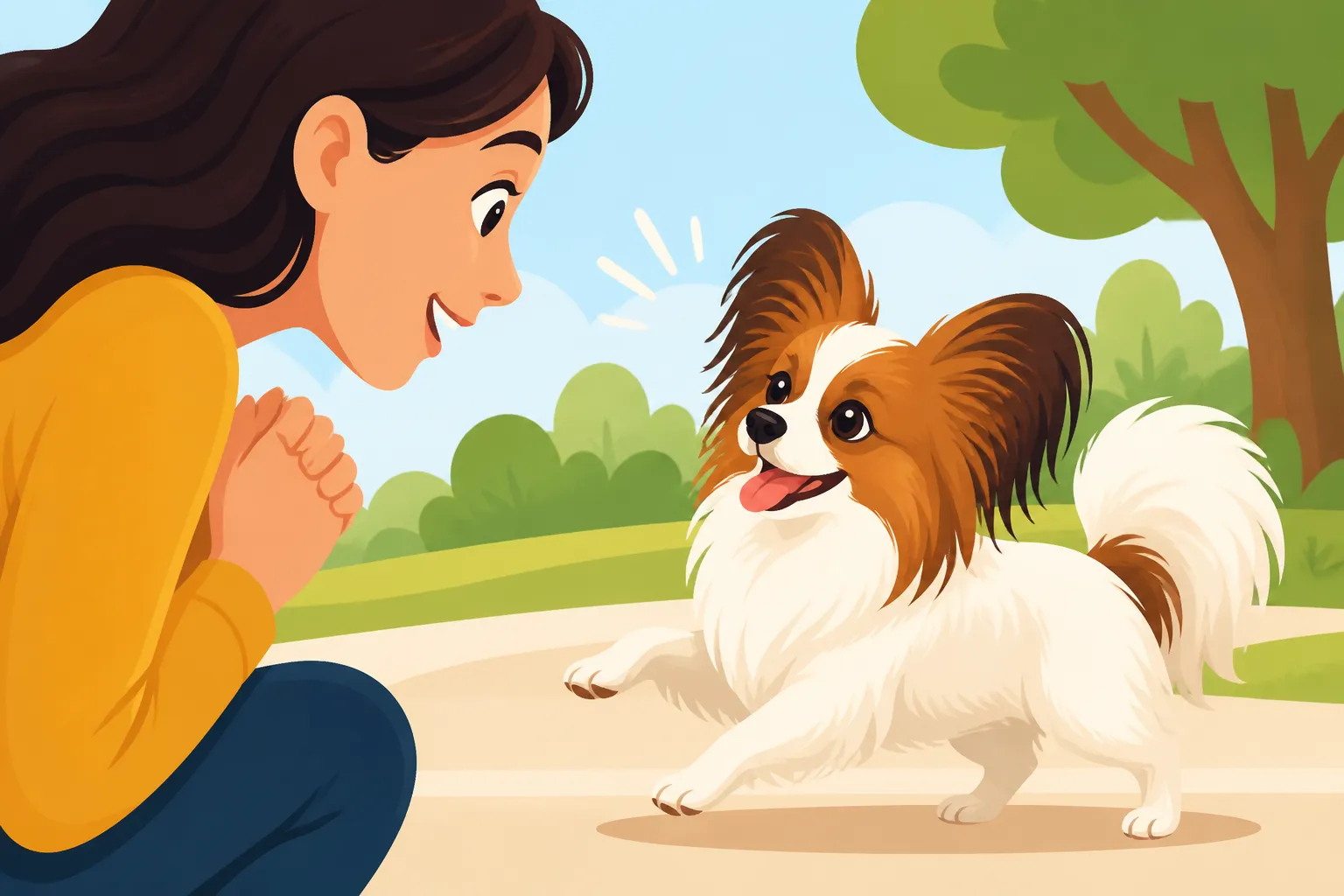
The ideal stranger approach for a Papillon is one that is calm, slow, and respectful of their small stature. Encouraging people to crouch down (if the dog is comfortable with it, and not if it's a fearful dog), offer a hand slowly for sniffing (palm up, not over the head), and speak in a soft, gentle voice can make all the difference. Avoiding direct eye contact initially can also be helpful for shy dogs, as direct stares can be perceived as threatening. Teaching strangers these simple courtesies can turn a potentially stressful encounter into a positive one for your Papillon.
Nurturing Positive Interactions with New People
The goal isn't necessarily for your Papillon to be best friends with everyone they meet, but rather to react calmly and politely. Whether they are shy, boisterous, or barky, there are clear steps you can take to foster better interactions.
Controlled Introductions and Exposure
For many Papillons, especially those prone to shyness or over-excitement, controlled introductions are key. Don't just throw them into a busy party and expect them to cope. Instead, think about setting up positive experiences incrementally. Start with one calm, dog-savvy friend visiting your home. Have your friend sit down, perhaps on the floor, and ignore your Papillon initially. Let your dog approach on their own terms, rewarding any calm curiosity with a small, high-value treat.
On walks, if your Papillon is reactive, start by having strangers pass at a distance where your dog notices them but doesn't react. Gradually decrease the distance as your dog shows comfort. You can even stage "meet and greet" sessions with specific, trusted people who understand how to interact calmly. The goal is positive exposure without overwhelming your dog. Always keep sessions short and sweet, ending on a good note before your dog gets stressed or overtired. Remember, quality over quantity when it comes to early socialization.
Training for Calm Greetings
Training is paramount for shaping desirable greeting behaviors. For the exuberant jumper, teach a "four on the floor" command. Practice having guests enter, and if your Papillon jumps, gently block them with your knee or turn your back. Reward them heavily with treats when all four paws are on the ground. You can even use a specific mat or bed as a "place" command when guests arrive, rewarding them for staying there until invited to greet.
For the barker, identify their triggers. If it's the doorbell, practice "doorbell desensitization" by ringing it softly, and rewarding calm. Gradually increase the volume. You can also teach a "quiet" cue by rewarding silence after a bark. For shy dogs, a "go say hello" cue, where you calmly approach a stranger and offer a treat, can build confidence. Using tools like the BAXTER & Bella online puppy school can provide structured lessons and support for teaching these specific behaviors, turning chaotic greetings into controlled, polite introductions. Consistency is crucial; everyone who interacts with your Papillon needs to reinforce the same rules. What Motivates a Papillon delves into effective reward strategies.
Managing Over-Excitement or Fear
Whether your Papillon is a bouncy ball of enthusiasm or a trembling little shadow, managing their emotions is vital. For the over-excited dog, keeping greetings brief can help. Ask guests to offer one or two pets, then ignore the dog until they calm down. You can also use a leash during initial greetings to prevent jumping, gently guiding them to stay on the ground. Once they're calm, they can have more freedom.
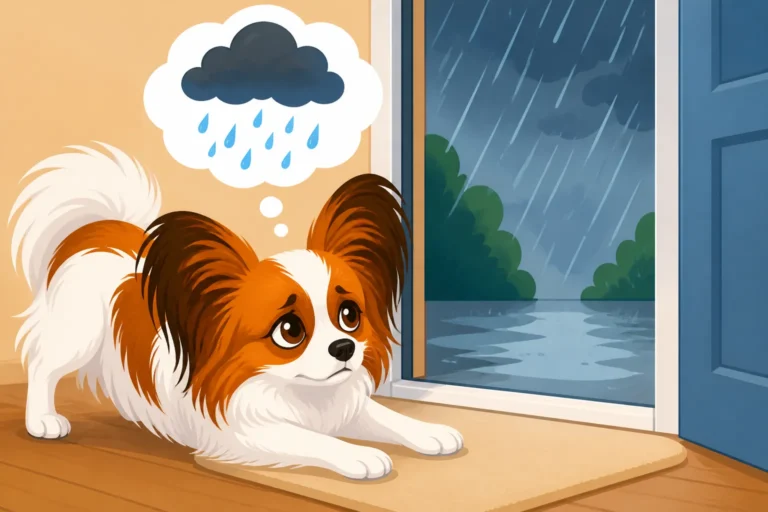
For fearful dogs, creating a safe space is paramount. This might be their crate, a bed in another room, or a designated "safe zone" with a chew toy. Never force a fearful Papillon to interact. Instead, let them choose to approach. If a stranger is present, ask them to completely ignore your dog. Have them toss treats gently towards your dog (but not directly at them), allowing the Papillon to associate the stranger's presence with good things, from a distance. If your dog is hiding, that's okay. Respect their boundaries. Gradually, they may gain enough confidence to venture out. Sometimes, a gentle harness and leash can offer a sense of security during new introductions for a timid dog, making them feel more connected to you and less vulnerable.
Addressing Challenging Greeting Behaviors
Even with the best intentions and training, some Papillons develop more persistent challenging behaviors when it comes to strangers. These require patience, consistency, and sometimes, a shift in strategy.
Excessive Barking or Lunging
When a Papillon excessively barks or lunges at strangers, it's often a sign of underlying anxiety, territoriality, or even frustration. It’s rarely about true aggression. The key is to figure out why they're doing it. Is it because they're worried the stranger will approach too fast? Is it because they feel a need to protect their space, or even you? Or have they learned that barking gets them attention, or makes the scary person go away?
Once you understand the root cause, you can implement targeted training. For territorial barking, practice gate-or-door drills, where your dog learns to sit calmly when someone approaches the entry point, earning a reward for quiet behavior. For fear-based barking, counter-conditioning is powerful: every time your dog sees a stranger (at a distance where they don't react yet), immediately offer a high-value treat. Repeat, gradually decreasing distance, until the sight of a stranger predicts a treat, not fear. If your Papillon lunges on a leash, a front-clip harness can offer better control without putting pressure on their delicate neck. This helps you manage their movement while you work on changing their emotional response.
Shyness or Fear Biting
A shy Papillon who nips or snaps out of fear is a serious concern that needs careful handling. This isn't about aggression for aggression's sake; it's a dog trying to communicate, "I'm scared, please leave me alone." Ignoring this warning can escalate the behavior. The most critical rule here is to never force interactions. This means instructing friends, family, and strangers to completely ignore your dog and avoid direct eye contact or reaching out.
Instead, focus on building confidence. This can involve having strangers toss treats from a distance, allowing your Papillon to approach on their terms. Create positive associations by ensuring every interaction, even if minimal, is a good one. For deeply shy or fear-aggressive Papillons, professional help from a certified behaviorist is highly recommended. They can help you devise a safe and effective plan, ensuring both your dog's well-being and the safety of others. Building confidence is a slow process, but it's vital for a happy, well-adjusted Papillon.
Jumping Up or Nipping for Attention
The overly enthusiastic Papillon who jumps up or nips for attention means well, but these behaviors can be annoying, uncomfortable, or even painful for guests. The good news is that these are usually relatively easy to address with consistent training. The core principle is simple: jumping/nipping gets no attention, calm behavior gets all the attention.
When your Papillon jumps, turn your back and ignore them. Absolutely no eye contact, no pushing them down, no talking. As soon as all four paws are on the floor, turn around and calmly reward them with praise or a small treat. If they nip, immediately remove your hand, say "ouch!" in a neutral tone, and disengage from play for a few seconds. Teach them an alternative, polite greeting like "sit to greet." Practice this frequently with every person who enters your home. You can even hold a toy for them to grab instead of a hand when they're excited. This teaches them an acceptable outlet for their enthusiasm. Remember, How a Papillon Shows Affection can be quite varied, and we need to teach them the polite ways to express it!
Tools and Resources to Aid Socialization
You don't have to tackle all of this alone! There are various tools and resources that can make a huge difference in your Papillon's socialization journey and in managing their greeting behaviors.
Harnesses and Leashes for Control
For a small dog like a Papillon, a well-fitting harness is almost always preferred over a collar, especially when you're working on leash manners or meeting strangers. A harness distributes pressure across their chest and shoulders, rather than on their delicate neck and trachea, which is a concern for small breeds. It gives you better control for redirecting attention or gently guiding them away from an overwhelming situation without causing discomfort. Look for a harness that is snug but not restrictive, allowing for full range of motion.
There are many styles available; some owners prefer a front-clip harness for dogs prone to pulling or lunging, as it naturally redirects their forward momentum. Others might like a simple H-style harness for everyday walks. A sturdy, comfortable leash is also essential. For training purposes, a longer training leash (6-10 feet) can be useful in controlled environments to practice recall and polite greetings at a distance, while a standard 4-6 foot leash is perfect for general outings. Whether a Papillon Should Wear a Harness Instead of a Collar gives more reasons why a harness is usually the best choice for this breed.
Engaging Toys and Treats
Positive reinforcement is the cornerstone of effective training, especially when it comes to social behaviors. High-value treats are your secret weapon. These are small, soft, incredibly delicious morsels that your Papillon only gets for doing something truly amazing, like remaining calm when a stranger approaches or offering a polite sit-to-greet. Pieces of cooked chicken, cheese, or specialized training treats often work wonders. You can find a huge variety of high-quality training treats and enriching puzzle toys on platforms like Amazon, which can be invaluable for keeping your Papillon mentally engaged during training sessions or providing a distraction during stressful introductions.
Toys can also be powerful tools. For an overly excited Papillon, having them fetch a favorite toy before greeting a guest can burn off some energy and redirect their focus. For a shy dog, a chew toy can be a comforting presence, allowing them to de-stress in a safe zone while new people are present. Always choose toys appropriate for their size and chewing habits, ensuring they are safe and engaging. Remember, What Mental Work a Papillon Needs is just as important as physical exercise, and toys can provide that mental stimulation.
Professional Guidance When Needed
Sometimes, despite your best efforts, you might encounter behaviors that feel beyond your ability to manage. This is absolutely nothing to be ashamed of. Dog training and behavior are complex, and even experienced owners can face challenges. If your Papillon exhibits persistent fear, aggression (even mild nips), or severe anxiety around strangers, seeking professional help is the wisest course of action.
Look for a certified professional dog trainer (CPDT-KA) or a certified dog behaviorist (CDBC) who uses positive reinforcement methods. Avoid anyone who suggests harsh corrections, punishment, or dominance-based techniques, as these can severely damage your Papillon's trust and exacerbate fear-based behaviors. A good professional can assess your dog's specific situation, identify underlying causes, and develop a customized training plan that is safe, ethical, and effective for both you and your beloved Papillon. They can also offer invaluable support and guidance as you navigate these complex issues.
Comparing Papillon Greeting Styles and Owner Responses
Here's a quick overview of common Papillon greeting styles and how you, as their dedicated human, can best respond to help them become a confident, polite companion.
| Papillon Greeting Style | What It Looks Like | Owner's Best Response | Key Training Focus |
|---|---|---|---|
| The Enthusiastic Greeter | Full-body wiggles, jumping up, eager licking, frantic tail wagging, demanding attention. | Manage Excitement: Keep greetings short. Block jumping with your knee/body. Reward "four on the floor" with calm praise/treat. Ask guests to ignore until calm. | "Four on the floor," "place" command, teaching polite alternative behaviors. |
| The Reserved Observer | Hangs back, observes from a distance, polite sniff, tentative tail wag, may accept treats cautiously, avoids direct approach. | Respect Space: Never force interaction. Allow dog to approach on their terms. Ask strangers to crouch, offer hand slowly, speak softly, or ignore initially. Reward calm curiosity. | Confidence building, positive association with strangers, "go say hello" (when ready). |
| The Alert Barker | Sharp, rapid barks, stiff body, ears forward, intense focus on stranger, may lunge on leash. | Identify Trigger: Is it fear, territoriality, or attention? Distract/redirect focus. Reward silence. Practice "quiet" cue. Desensitize to doorbell/sounds. | "Quiet" command, desensitization, counter-conditioning, "look at me." |
| The Fearful/Shy Greeter | Retreats, trembles, hides, defensive growl/snap, avoids eye contact, ears back. | Protect & Build Confidence: Never force. Create a safe space. Ask strangers to completely ignore, toss treats from a distance. Seek professional behaviorist help for severe cases. | Counter-conditioning, confidence building games, choice-based interaction. |
Disclaimer
This article is for general informational purposes only and does not constitute professional advice. Laws, prices and regulations vary by location and change over time. Consult a qualified professional for guidance on your specific situation.