How Sensitive a Papillon Is
You've just brought home your adorable Papillon, or perhaps you've shared your life with one for years, and you've probably noticed something remarkable about them: they feel everything. It's not just that they're small and dainty; Papillons possess a profound sensitivity, both physically and emotionally, that can sometimes catch new owners off guard. This isn't a flaw, but a defining trait that shapes their behavior, their training needs, and the unique bond they form with their humans. This guide will delve deep into what makes a Papillon so sensitive and how you can best support their delicate nature.
More Than Just "Small": Understanding Their Physical Delicacy
When people look at a Papillon, their small size is often the first thing they notice. It's easy to dismiss this as just being "toy-sized," but for a Papillon, their petite frame has a significant impact on how they experience the world and how sensitive they truly are.
The Realities of a Petite Frame
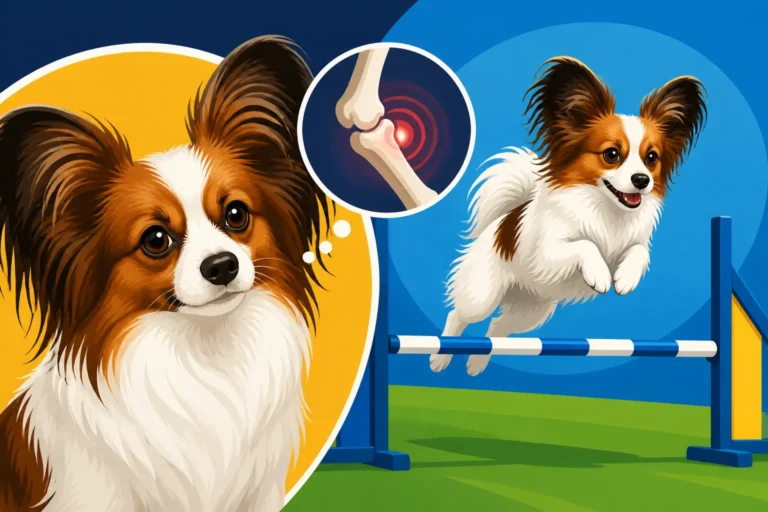
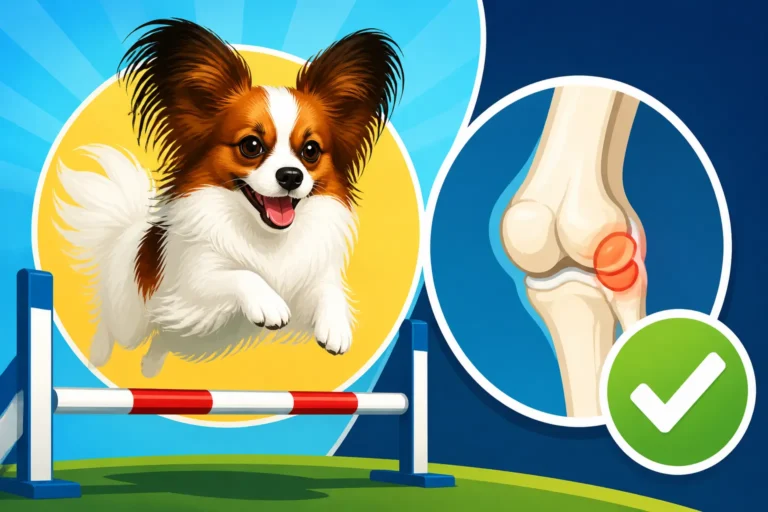
Imagine navigating a world where everything is built for giants. That's a bit like life for a Papillon. Their fine bone structure, though elegant, means they are physically vulnerable in ways larger breeds simply aren't. A seemingly innocuous jump off a sofa, a tumble during boisterous play with an unsuspecting larger dog, or even being accidentally stepped on, can result in serious injury. Their kneecaps, for instance, are notoriously delicate, making them prone to conditions like patellar luxation. This isn't just a potential veterinary bill; it's a constant, underlying fragility that many Papillon owners become acutely aware of. It's why we often find ourselves hovering, baby-proofing our homes, and politely asking guests to watch where they step. The constant concern for their physical well-being isn't overprotective; it's a realistic response to their inherent delicacy. It often leaves owners wondering Whether a Papillon Is Worth the Knee Risk, a question that speaks volumes about the physical challenges they face. In fact, Patellar Luxation Is the Papillon Problem You Will Actually Meet is a common concern for the breed, highlighting this vulnerability.
Because of this physical fragility, Papillons can develop a natural caution. They might hesitate before jumping from a height, or they might prefer to observe rough play rather than participate. This isn't necessarily fear; it's a learned survival mechanism based on their physical limitations. Their bodies are not built for impact, and they instinctively understand this. It means that while they are often described as fearless and bold, that boldness sometimes comes with a calculated risk assessment that owners might interpret as a lack of confidence, when in reality, it's just smart self-preservation.
Recognizing Subtle Signs of Discomfort
What often goes hand-in-hand with physical delicacy is a tendency to hide pain. Dogs are masters at this, a remnant of their wild ancestors who couldn't afford to show weakness. Papillons are no exception. Their sensitivity isn't just about feeling things deeply; it's also about often masking those feelings, especially discomfort or pain, to a casual observer. A Papillon might have a minor ache or a joint stiffness, but instead of yelping or limping dramatically, they might simply be a little slower, less enthusiastic about play, or seek out quiet solitude more often.
This subtlety can be incredibly frustrating for owners who desperately want to know if their beloved pet is hurting. You might notice a slight reluctance to climb stairs, a shift in how they sit, or a change in their sleeping position. Their eyes might appear a little less bright, or they might offer fewer kisses. These are not always obvious signs, and it takes an attuned owner to pick up on these minute cues. Understanding How a Papillon Hides Pain is crucial for their well-being, as early detection of discomfort can prevent minor issues from becoming major ones. Their small size also means that even minor injuries can have a greater impact on their overall mobility and comfort, making these subtle indicators all the more important to decipher.
The Emotional Tapestry: Why Papillons Feel So Much
Beyond their physical daintiness, Papillons are renowned for their acute emotional sensitivity. They aren't just intelligent; they are deeply perceptive creatures who absorb the nuances of their environment like sponges.
A Mind That Picks Up on Everything
One of the most striking aspects of a Papillon's sensitivity is their incredible intelligence. They are often ranked among the smartest dog breeds, and this mental prowess contributes significantly to their emotional depth. A Papillon doesn't just hear a raised voice; they perceive the tension in it. They don't just see a new person; they gauge their body language, their scent, and their intentions. This high level of awareness means they are constantly processing information, making them remarkably attuned to the moods and emotions of their human companions. The Papillon Is the Smartest Toy Breed There Is, and this intelligence extends far beyond learning tricks; it allows them to form incredibly deep, empathetic bonds.
This keen perception means they can pick up on even subtle shifts in your household. If you're stressed, your Papillon might become more clingy or, conversely, more withdrawn. If there's tension between family members, they might feel it and exhibit signs of anxiety. They thrive on harmony and predictability, and when their world feels out of balance, their sensitive nature often means they react quite profoundly. This isn't manipulation; it's a genuine reflection of their emotional state and their strong desire for a stable, loving environment. They genuinely care about the emotional atmosphere of their home, and their behavior often mirrors it.
Navigating a Big World: Overwhelm and Anxiety
While their perceptiveness is a charming trait, it also means Papillons can easily become overwhelmed. A bustling household with constant coming and going, loud noises, or frequent changes in routine can be incredibly stressful for a sensitive Papillon. They might find themselves bombarded with sensory input, leading to anxiety or a heightened state of alert. For some Papillons, this can manifest as incessant barking, a common concern for owners wondering How Much a Papillon Barks. This isn't always boredom; sometimes, it's a frantic attempt to control or process an environment that feels too chaotic.
Social situations, too, can be a minefield for an emotionally sensitive Papillon. A dog park full of boisterous, large dogs can be terrifying, not just because of the physical risk but because of the sheer sensory overload and perceived threat. They might retreat, hide, or even snap out of fear. A new visitor to the home, even a friendly one, can trigger caution. Their sensitivity means they need time to assess and feel secure before fully engaging. Pushing them into situations they're not ready for can quickly lead to negative associations and solidify their anxieties rather than helping them overcome them.
Training and Socialization: Nurturing a Sensitive Soul
Because of their unique blend of intelligence and sensitivity, Papillons require a thoughtful and deliberate approach to training and socialization. What works for a more robust, independent breed might backfire dramatically with a Papillon.
The Gentle Approach: Why Harsh Corrections Backfire
When it comes to training a Papillon, kindness and consistency are your most powerful tools. Their sensitive nature means they are incredibly receptive to positive reinforcement, eager to please, and quick to learn. However, they are equally sensitive to harsh words, loud tones, or physical corrections. Even a sharp "no!" can be perceived as deeply upsetting and damaging to their trust. If you try to correct a Papillon using dominance-based or punitive methods, you risk not only losing their trust but also instilling fear and anxiety. They don't need to be forced; they need to be guided with gentle hands and a clear, encouraging voice.
The consequences of harsh correction are often more profound in a Papillon than in many other breeds. Instead of learning what not to do, they might learn to fear you, to hide behaviors, or to become withdrawn and anxious. They might become reluctant to engage in training at all, or worse, develop reactive behaviors out of insecurity. This is why Why Harsh Correction Fails on a Papillon is such a critical concept for owners to grasp. Positive reinforcement builds confidence and strengthens the bond, whereas harshness erodes both. Resources that focus on positive, reward-based training, like those offered by BAXTER & Bella, can be invaluable for Papillon owners looking to build a strong, trusting relationship with their sensitive companion without resorting to fear or intimidation. Their intelligence makes them brilliant students, but only when they feel safe and understood.
Thoughtful Introductions and Exposure
Socializing a Papillon requires patience and a strategic approach. It's not about exposing them to every dog and person under the sun as quickly as possible; it's about curating positive, controlled experiences that build their confidence. When introducing them to new people, allow the Papillon to approach on their own terms. Ask visitors to sit on the floor, avoid direct eye contact, and offer a treat gently. For introductions to other dogs, especially larger ones, choose calm, well-mannered canines in a neutral environment. Monitor their body language closely and be prepared to intervene if your Papillon shows signs of stress.
Understanding How a Papillon Behaves With Large Dogs is key. While many Papillons are incredibly bold and will stand their ground, their physical vulnerability and emotional sensitivity mean that even a friendly but clumsy larger dog can pose a threat. It’s a fine line between allowing them to be confident and ensuring their safety. Similarly, deciding Whether a Papillon Should Be Picked Up When Threatened is a common dilemma. While picking them up can sometimes escalate tension with another dog, it’s a natural instinct to protect such a delicate creature. The best approach is proactive: manage the environment, teach them a strong "come" cue, and avoid situations where they might feel overwhelmed or physically endangered in the first place. Consistent, positive exposure to a variety of sights, sounds, and gentle interactions from a young age is essential, always respecting their individual comfort levels.
Crafting a Sanctuary: Supporting Your Sensitive Papillon at Home
Your home is your Papillon's entire world, and for a sensitive dog, creating a predictable, safe, and enriching environment is paramount to their well-being. This involves both physical adjustments and thoughtful engagement.
Designing a Secure and Predictable Environment
Given their physical fragility and emotional sensitivity, a Papillon's home environment needs to be thoughtfully arranged to minimize risks and maximize comfort. This often means thinking about their safety from a small dog's perspective. For instance, jumping off furniture can put strain on their delicate knees. Installing ramps or steps for access to sofas and beds can be a game-changer, protecting their joints and reducing anxiety about getting up and down. Similarly, ensuring they have soft landing spots around the house, like rugs on hardwood floors, can prevent slips and falls. Many helpful items, from pet ramps to orthopedic beds, can be found readily on Amazon and make a significant difference.
Beyond physical safety, predictability is a huge comfort for a sensitive Papillon. A consistent daily routine for meals, walks, potty breaks, and playtime helps them feel secure and reduces anxiety. They thrive on knowing what to expect. A designated "safe space" – a cozy crate, a bed in a quiet corner, or a small playpen – where they can retreat when feeling overwhelmed or just needing a nap, is also crucial. This allows them to self-regulate and manage their sensory input. All these considerations contribute to Setting Up a House That Protects a Papillon's Knees and overall well-being, acknowledging their specific needs.
Providing Mental Enrichment for an Active Mind
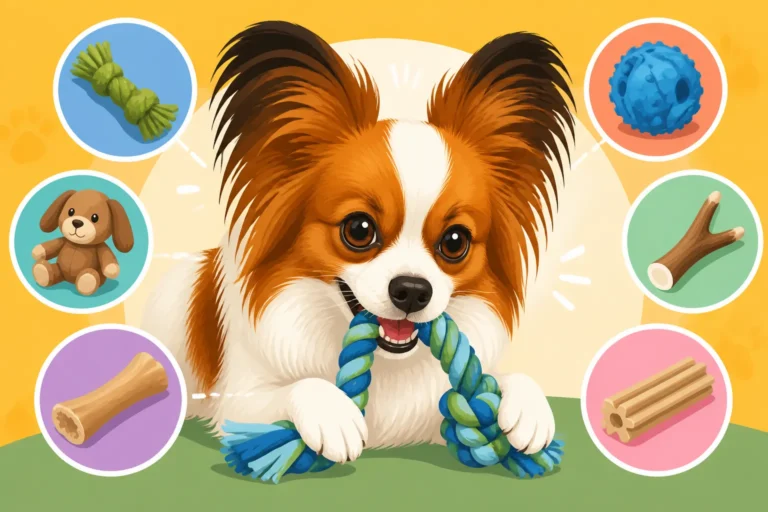
A sensitive Papillon's active mind needs constant, positive stimulation to prevent boredom, which can lead to anxiety or destructive behaviors. Mental enrichment is just as important as physical exercise, if not more so. Think puzzle toys that dispense treats, sniff mats, or short, engaging training sessions where they learn new tricks. These activities tap into their natural intelligence and provide a healthy outlet for their energy, reducing stress and building confidence. Instead of simply being walked, a Papillon benefits immensely from exploring new scents, solving mini-challenges, and engaging their brains.
Remember, a tired Papillon isn't just physically tired; a mentally stimulated Papillon is a content Papillon. Activities like learning simple scent games by hiding treats around the house, or practicing their obedience cues in a new location, provide novel experiences without being overwhelming. These types of activities are a great way to meet their need for What Mental Work a Papillon Needs. It's not just about keeping them busy; it's about engaging their brilliant minds in a way that fosters joy and a sense of accomplishment. A mentally fulfilled Papillon is less likely to exhibit anxious behaviors or become reactive, as their brain power is channeled into productive tasks. When you look at What a Papillon Does All Day, you realize their day should be filled with opportunities for both physical and mental engagement, tailored to their unique sensitivity.
Building Confidence in Your Papillon
While Papillons are inherently sensitive, this doesn't mean they have to be timid or fearful. With the right approach, you can help them develop into confident, well-adjusted companions.
Structured Play and Positive Reinforcement
Building confidence in a sensitive Papillon is all about creating positive associations and rewarding brave, exploratory behaviors. Structured play, such as short games of fetch or hide-and-seek, can be incredibly effective. These activities allow them to engage in their natural desire to chase and retrieve, but in a controlled, low-stress environment. When they successfully complete a task, like finding a hidden toy or retrieving a tossed ball, lavish them with praise and a high-value treat. This positive reinforcement tells them, "Yes, that was good! You did it!" and encourages them to try again.
Consider introducing them to gentle dog sports like beginner-level agility (once they are physically mature and cleared by a vet, especially concerning their knees) or canine freestyle. These activities build body awareness, problem-solving skills, and a strong partnership with you, all of which contribute to a dog's overall confidence. Even simple trick training, broken down into tiny, achievable steps, can be a huge confidence booster. Each successful "sit," "stay," or "spin" reinforces their intelligence and strengthens their belief in their own abilities. The key is to keep it fun, positive, and always within their comfort zone, allowing them to lead the pace.
The Power of Predictability and Routine
For a sensitive Papillon, predictability is akin to a warm, comforting blanket. A consistent daily routine reduces uncertainty, which is a significant source of anxiety for many sensitive dogs. When they know when they'll eat, when they'll go for a walk, and when they'll have playtime, their world feels stable and safe. This allows them to relax and not be constantly on alert for the unexpected. Any changes to the routine should be introduced gradually and with lots of positive reinforcement.
Beyond daily schedules, a consistent approach to training and household rules also builds confidence. When expectations are clear and enforced kindly, a Papillon understands their boundaries and what is expected of them, fostering a sense of security. Imagine if your world had no rules and everything was constantly changing; it would be incredibly unsettling. For a Papillon, a predictable routine and consistent environment create a foundation of security that empowers them to explore, learn, and express their playful, intelligent personalities without being constantly on edge.
| Behavior Indicating Sensitivity | Owner's Supportive Response |
|---|---|
| Physical | |
| Hesitation to jump | Provide ramps/steps; offer gentle lifts. |
| Subtle limp/stiffness | Consult vet; observe for prolonged changes. |
| Yelps when handled | Check for injury; teach gentle handling from early age. |
| Emotional | |
| Retreating from guests | Allow space; ask guests to ignore; reward calm presence. |
| Excessive barking | Identify triggers; teach "quiet" cue; increase mental stimulation. |
| Clinginess/shadowing | Create safe space; ensure regular attention; don't reinforce anxiety. |
| Hiding during loud noises | Create safe, sound-proofed den; use calming music. |
| Reluctance to train | Re-evaluate methods; ensure positive reinforcement; shorten sessions. |
| Shaking/trembling | Identify stressor and remove; offer comfort; consult vet if persistent. |
Disclaimer
This article is for general informational purposes only and does not constitute professional advice. Laws, prices and regulations vary by location and change over time. Consult a qualified professional for guidance on your specific situation.