How a Papillon Behaves With Large Dogs
It's a common worry for Papillon owners: how on earth does your tiny, delicate-looking butterfly dog navigate a world full of much larger canine companions? The truth is, Papillons often have no concept of their size, approaching bigger dogs with a confidence that can be both endearing and, let's face it, a little terrifying for us humans. This guide will walk you through understanding your Papillon's unique social style, how to safely introduce and manage interactions with large dogs, and strategies to ensure harmonious relationships, keeping everyone happy and safe.
The Papillon's Big Dog Mentality: Tiny Package, Giant Confidence
Anyone who has spent time with a Papillon knows they don't exactly read the size chart. They carry themselves with an undeniable self-assurance, often strutting into a room or a dog park as if they own the place, completely unfazed by a Great Dane or a Labrador. This bold temperament, while charming, can sometimes lead to tricky situations when interacting with much larger dogs who might not understand the Papillon's confident, sometimes bossy, communication style. Understanding this inherent "big dog" mentality is the first step to ensuring safe and positive interactions.
Why Papillons Don't Act Small
Papillons are often described as having an "oversized personality" for their compact bodies. They're intelligent, quick-witted, and incredibly confident, a trait that has been cultivated over centuries as lap companions to royalty, not as shrinking violets. This strong personality means they rarely show the timidness or deference one might expect from a dog weighing less than ten pounds. They're not easily intimidated and often don't back down, even when faced with a dog ten times their size. This fearlessness, coupled with their agility, makes them incredibly engaging, but it also means owners need to be extra vigilant. Many Papillon owners will tell you A Papillon Has No Idea It Is Small, and this truth shapes much of their behavior.
Their confidence isn't arrogance, but rather a profound sense of self. They aren't trying to pick fights, but they also aren't going to let themselves be pushed around. If a larger dog approaches too boisterously, a Papillon might stand its ground, bark back, or even nip if it feels threatened. This isn't aggression for aggression's sake; it's often a defense mechanism from a dog that believes itself to be on equal footing. For larger dogs, who might be used to smaller dogs cowering or running away, this can be confusing, potentially leading to an accidental rough interaction if not managed carefully by human handlers.
Misinterpretations in Inter-Dog Communication
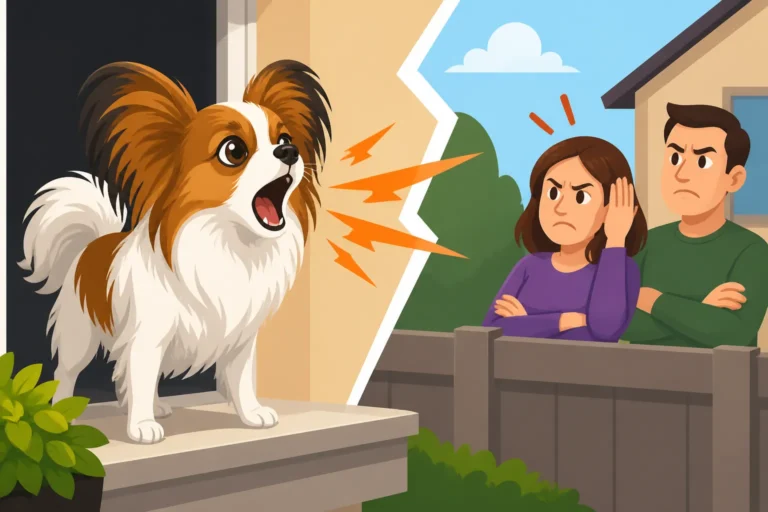
Size disparities naturally create communication challenges between dogs. What a larger dog perceives as playful jostling or a friendly sniff, a Papillon might interpret as overwhelming or even threatening. A Papillon's quick movements and high-pitched barks can sometimes be misinterpreted by larger dogs as an invitation to chase or roughhouse, or even as irritating yapping. Conversely, a large dog's slow, deliberate approach or deep growl might be taken as a serious threat by a Papillon, even if the larger dog is just trying to be gentle.
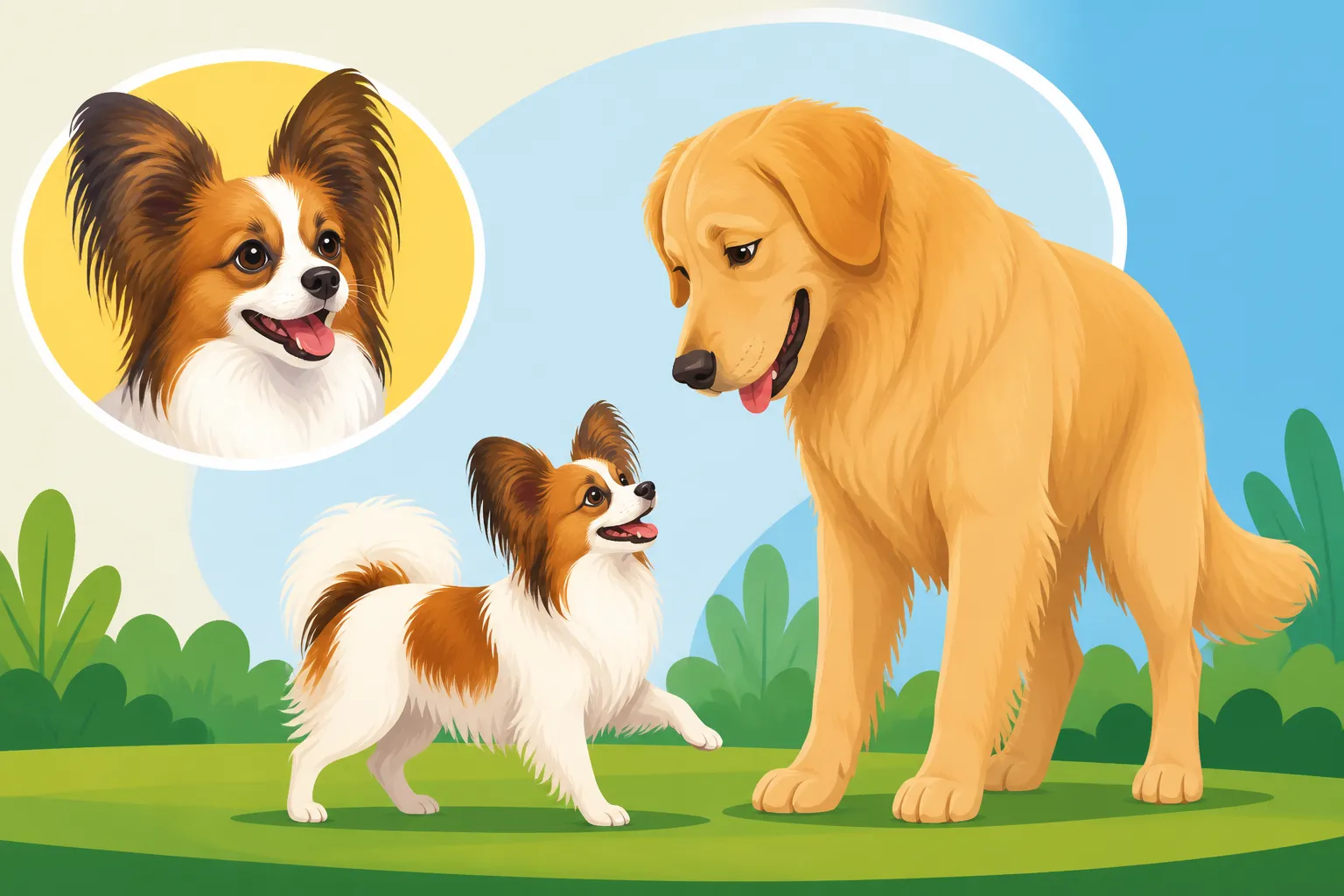
Consider a scenario where a large, playful retriever bounds up to a Papillon. The retriever means no harm, but its sheer size and enthusiasm can knock the small dog off its feet. The Papillon, feeling vulnerable or startled, might react defensively, perhaps with a sharp yip or a snap. This can then escalate if the retriever, surprised by the Papillon's reaction, doesn't understand the sudden change in dynamics. It's a classic case of miscommunication, stemming from vast differences in physical presence and ingrained play styles. This is why understanding Why a Papillon Squares Up to a Big Dog is so crucial, as it helps owners anticipate and prevent these misunderstandings.
Setting the Stage for Safe Socialization
Introducing your Papillon to larger dogs requires a thoughtful, controlled approach. You can't just toss your little one into the deep end of the dog park and hope for the best. Safety is paramount, but so is fostering positive experiences to help your Papillon build confidence and appropriate social skills. This means careful planning and supervision from the very beginning.
Early Exposure and Positive Reinforcement
The best time to start positive socialization is during puppyhood. A Papillon puppy exposed to a variety of sights, sounds, people, and well-mannered dogs of all sizes during their critical socialization period (roughly 3-16 weeks) is more likely to grow into a confident, well-adjusted adult. Look for opportunities for your puppy to meet calm, gentle, larger dogs in a controlled setting. Focus on short, positive interactions, rewarding calm behavior with treats and praise. This teaches your Papillon that large dogs are not inherently scary, but rather potential friends or at least benign presences.
However, "exposure" doesn't mean throwing them into a chaotic playgroup. It means creating structured opportunities. Perhaps a friend has a placid, older Golden Retriever who is good with puppies. Introduce them on neutral ground, on leash initially, allowing them to sniff and observe each other. Reward your Papillon for being calm, not for frantic barking or trying to dominate. If you're looking for structured guidance, platforms like BAXTER & Bella offer online puppy training courses that can provide excellent frameworks for safe socialization, even covering inter-dog interactions.
Controlled Environments and Supervision
When your Papillon interacts with a larger dog, especially one you don't know well, a controlled environment is non-negotiable. This means a securely fenced yard, a quiet park at off-peak hours, or even inside your home with plenty of space. Avoid crowded, overstimulating places initially. Always keep the interactions brief and positive. If either dog shows signs of stress, discomfort, or over-arousal, it's time to calmly separate them. Remember, quality over quantity when it comes to social interactions.
Constant, active supervision is your most powerful tool. Don't simply let dogs "figure it out." You are the arbiter of safety and positive experiences. Pay close attention to body language from both dogs: yawning, lip-licking, turning away, stiff bodies, whale eyes, or excessive panting can all indicate stress. Your goal is to interrupt any potentially negative interaction before it escalates. This might mean gently redirecting one dog, calling them away, or physically separating them if necessary. Prevention is always easier than intervention after a scuffle has begun.
Essential Gear for Papillon Safety
When you're out and about with your Papillon, especially in areas where you might encounter other dogs, having the right gear is crucial for safety and control. A secure, well-fitting harness is infinitely better than a collar for a small dog like a Papillon, as it distributes pressure across their chest rather than their delicate neck and trachea. Look for harnesses with both front and back clips for versatility and better control. You can find a wide variety of excellent options on Amazon, often with adjustable straps to get that perfect fit for your tiny companion.
In addition to a harness, a sturdy leash is a must. For training or controlled outdoor exploration, a lightweight long line can allow your Papillon more freedom to sniff and explore while still keeping them safely tethered to you. This is especially useful in open areas where you want to practice recall around distractions, including other dogs at a distance. Never use retractable leashes in uncontrolled environments or around other dogs, as they offer poor control and can lead to dangerous entanglement. Lastly, consider a pet carrier or a small, secure crate if you need to quickly remove your Papillon from a situation or give them a safe space to retreat to.
Understanding and Managing Interaction Dynamics
Even with the best socialization, every interaction between a Papillon and a large dog is a unique dynamic that needs careful observation. Papillons, with their fearless nature, can sometimes instigate interactions that, due to the size difference, could become dangerous. It's up to us, as their guardians, to understand the nuances of dog play and communication, and to step in when needed.
Recognizing Healthy Play vs. Risky Behavior
Distinguishing between healthy, appropriate play and potentially risky behavior is absolutely vital. Healthy play, regardless of size, typically involves reciprocal actions, exaggerated movements like play bows, soft mouths, pauses in play, and a willingness for both dogs to disengage. It should look bouncy, joyful, and fluid, with both dogs taking turns in chasing, being chased, wrestling, and submitting. Keep an eye out for loose, relaxed body language, wagging tails held at a mid-height, and soft, blinking eyes.
Risky behavior, on the other hand, often looks one-sided, involves stiff body language, fixed stares, closed mouths, low growls, or ears pinned back. When a larger dog is constantly pinning down or "herding" a smaller dog without the smaller dog actively participating and seeking re-engagement, it's problematic. Excessive chasing without breaks, especially if the Papillon isn't actively engaging in the chase, can lead to stress or accidental injury. Any signs of fear, yelping, or trying to hide from the Papillon are clear indicators that the interaction needs to end immediately. Understanding Signs a Papillon Is Losing Night Vision might also clue you into changes in their confidence if they struggle in low light situations, which could impact their interactions.
The Role of the Human Handler
You are the most important factor in your Papillon's safe interactions with larger dogs. Your presence, attention, and ability to intervene quickly dictate the outcome. This means being actively engaged, not distracted by your phone or conversation. You are your Papillon's advocate, translator, and protector. Teach your Papillon a solid recall cue – meaning they come every single time you call them, regardless of distractions. This is perhaps the single most important safety command you can teach a small dog.
Furthermore, teach your Papillon a "leave it" command for when they are overly interested in another dog, or a "go to mat/place" cue for when you need them to settle calmly away from the action. These commands are critical for maintaining control and preventing unwanted situations. For deeper insights into training, courses from BAXTER & Bella can be incredibly beneficial, providing systematic approaches to these essential commands. Remember, your calm demeanor will also transmit to your Papillon; if you're anxious, they will pick up on that and may become more stressed or reactive themselves.
When to Intervene and How
Knowing when to step in is a delicate balance. Ideally, you intervene before an interaction becomes problematic. If you see stiff body language, hear a warning growl, or notice either dog becoming overly dominant or fearful, it's time to act. Don't wait for a full-blown fight or injury. Your intervention should be calm and assertive, not panicked. A sharp clap or a firm "Enough!" might be enough to break the dogs' focus.
If you need to physically separate dogs, do so carefully. Never reach directly into a dog fight, especially if the larger dog is unknown or has a history of aggression, as you could get bitten. For a Papillon, often a gentle scoop up from behind or calling them to you with a treat is enough. If a larger dog is being too rough, use your body to create a barrier, or if absolutely necessary, use a "leash drag" technique if they are leashed, to calmly lead them away. The goal is to separate them safely and then remove your Papillon from the situation completely. Remember, Where a Papillon Gets Hurt Playing With Large Dogs is usually from accidental jostling or being stepped on, not malice, but the result can still be serious.
Building a Harmonious Multi-Dog Household
For many Papillon owners, the question isn't just about occasional encounters, but about living side-by-side with larger dogs every single day. Creating a harmonious environment where everyone feels safe and respected is achievable, but it requires structure, consistent management, and an understanding of each dog's needs.
Introducing a Papillon to Resident Large Dogs
If you're bringing a Papillon into a home with existing large dogs, or vice versa, introductions must be handled thoughtfully. Don't just open the door and let them figure it out. Start on neutral territory, perhaps a quiet park, with both dogs on leash. Keep the initial meeting short, positive, and full of calm praise. This initial encounter should focus on observation, not intense play. After that, bring them home, but keep them separated with baby gates or crates, allowing them to smell and see each other without direct interaction.
Over several days or weeks, gradually increase their supervised time together. Feed them in separate areas, give them separate resting places, and manage any potential resource guarding (toys, food, even your attention). Ensure the larger dog understands gentle interactions and is not overly boisterous with the new, smaller companion. For resident large dogs, training programs can help reinforce calm behavior around smaller animals. Resources like BAXTER & Bella can offer guidance for integrating new puppies or dogs into a multi-pet household. The key is never to force interaction and always prioritize safety.
Managing Resources and Space
In a multi-dog household, resource guarding can become an issue, regardless of size. To prevent conflict, ensure each dog has their own clearly defined space – a crate, a bed, or a designated "place" command spot where they can retreat and be left undisturbed. Feed dogs separately to prevent competition, and pick up food bowls promptly. Provide plenty of toys for everyone, especially if there's a significant size difference in play style. If your large dog tends to chew on robust toys, your Papillon might prefer smaller, softer ones, easily found on Amazon.
Space management is also critical. Ensure your Papillon has elevated areas they can easily access, like a dog sofa or a set of pet stairs leading to a chair, where they can escape to if they feel overwhelmed or simply want a quiet retreat away from the larger dogs. Using baby gates to create "small dog only" zones can give your Papillon a safe haven. This way, the Papillon can choose when and if they want to interact, fostering a sense of security and control.
Continuous Training and Reinforcement
Living with dogs of different sizes is an ongoing journey of training and reinforcement. Both your Papillon and your larger dogs will benefit from consistent training in basic obedience cues such as "sit," "stay," "come," and "leave it." These commands provide you with crucial control in multi-dog interactions. Regularly practice these cues in various environments, increasing distractions gradually.
It's also important to reinforce calm, polite interactions. Reward both dogs when they are lying calmly near each other, or when the larger dog displays gentle behavior towards the Papillon. Never punish either dog for showing natural dog behaviors, but rather redirect them towards more appropriate actions. Remember, dogs learn what they are rewarded for. Positive reinforcement builds a stronger bond between you and your dogs and creates a peaceful household where all can thrive. Consistency is the key to success in managing this dynamic, ensuring everyone understands the rules of engagement.
Navigating Public Spaces and Unknown Dogs
Taking your Papillon out into the world, especially to places where other dogs might be present, requires a proactive and vigilant approach. Their confidence can be a double-edged sword; while it prevents excessive shyness, it also means they might not back down from a dog that poses a legitimate threat.
Dog Parks: Proceed with Extreme Caution
While some Papillons thrive in the right dog park environment, it's generally a place where caution should be the absolute rule, especially when mixing with large dogs. Many dog parks have separate small dog areas, which is often the safest choice. Even then, supervise closely, as not all small dogs are socialized or polite. If you choose to enter the main area, understand the significant risks involved. A Papillon can easily be injured by an accidental bump from a running large dog, or worse, mistaken for prey by a large dog with a strong prey drive.
If you do venture into a dog park, choose off-peak hours when fewer dogs are present. Always scope out the park first from outside the gate, observing the temperament of the dogs already there. Are they playing calmly? Is anyone overly boisterous or aggressive? If you see any red flags, trust your gut and leave. Be ready to leave at a moment's notice if the dynamics change. Remember Whether a Dog Park Suits a Papillon is often more about the individual Papillon and the specific park, but always err on the side of extreme caution.
Leashed Encounters: Advocacy and Awareness
On walks, leashed encounters can present their own challenges. Other dog owners might not control their dogs as well as you do, or they might allow their large dog to rush up to your Papillon without asking. This is where you become your Papillon's strongest advocate. It's perfectly acceptable, and indeed necessary, to politely but firmly state, "My dog isn't friendly," or "Please give us space," if an unleashed or uncontrolled dog approaches. Don't feel rude for protecting your pet.
Maintain situational awareness at all times. Scan ahead for approaching dogs and be ready to cross the street, turn around, or create a barrier with your body. Teach your Papillon a "look at me" command to redirect their attention away from other dogs if they start to get overstimulated or reactive. A secure harness and leash from Amazon can be a lifesaver in these moments, giving you the control you need to steer clear of potential issues. Your goal is to make every leashed encounter a neutral or positive experience, not a stressful one.
Emergency Preparedness
Despite all precautions, accidents can happen. Being prepared for an emergency is crucial. Always carry your phone, and know the location and contact information for the nearest 24-hour veterinary emergency clinic. Consider having a small, lightweight pet first-aid kit with you on walks, including items like antiseptic wipes, bandages, and pet-safe pain relief (though always consult a vet before administering medication).
It’s also wise to consider pet insurance. While you hope you never need it, knowing that major medical expenses could be covered can provide immense peace of mind, especially with a breed prone to certain orthopedic issues like What Patellar Luxation Does to a Papillon, which could be exacerbated by an accidental injury. Familiarize yourself with basic dog first aid, such as how to stop bleeding or recognize signs of shock. While we strive for perfect safety, a realistic approach means acknowledging that sometimes, despite our best efforts, things can go wrong, and quick, informed action can make all the difference.
| Behavior Trait | Papillon Behavior (Typical) | Large Dog Interaction (Potential Risk) | Safe Management Strategy |
|---|---|---|---|
| Confidence/Boldness | Approaches larger dogs without hesitation, stands ground. | Large dog perceives as challenge, might be too rough. | Supervise closely, teach recall/leave it, advocate for space. |
| Play Style | Agile, quick movements, can be vocal, loves to chase/be chased. | Large dog might see as prey, accidentally injure with weight. | Seek out gentle, known large dogs; avoid chaotic play. |
| Communication | High-pitched barks, direct eye contact. | Large dog might find irritating, or misinterpret signals. | Teach a "quiet" cue, manage approach distance, understand body language. |
| Size Difference | Physically small and delicate structure. | Prone to accidental injury from rough play, being stepped on. | Use harnesses, carry when needed, provide escape routes. |
| Vulnerability | Can be knocked over or pinned easily. | Fear response can lead to nips, escalating conflict. | Prevent overwhelming situations, intervene at first sign of stress. |
Disclaimer
This article is for general informational purposes only and does not constitute professional advice. Laws, prices and regulations vary by location and change over time. Consult a qualified professional for guidance on your specific situation.