Whether a Papillon Can Learn Object Names
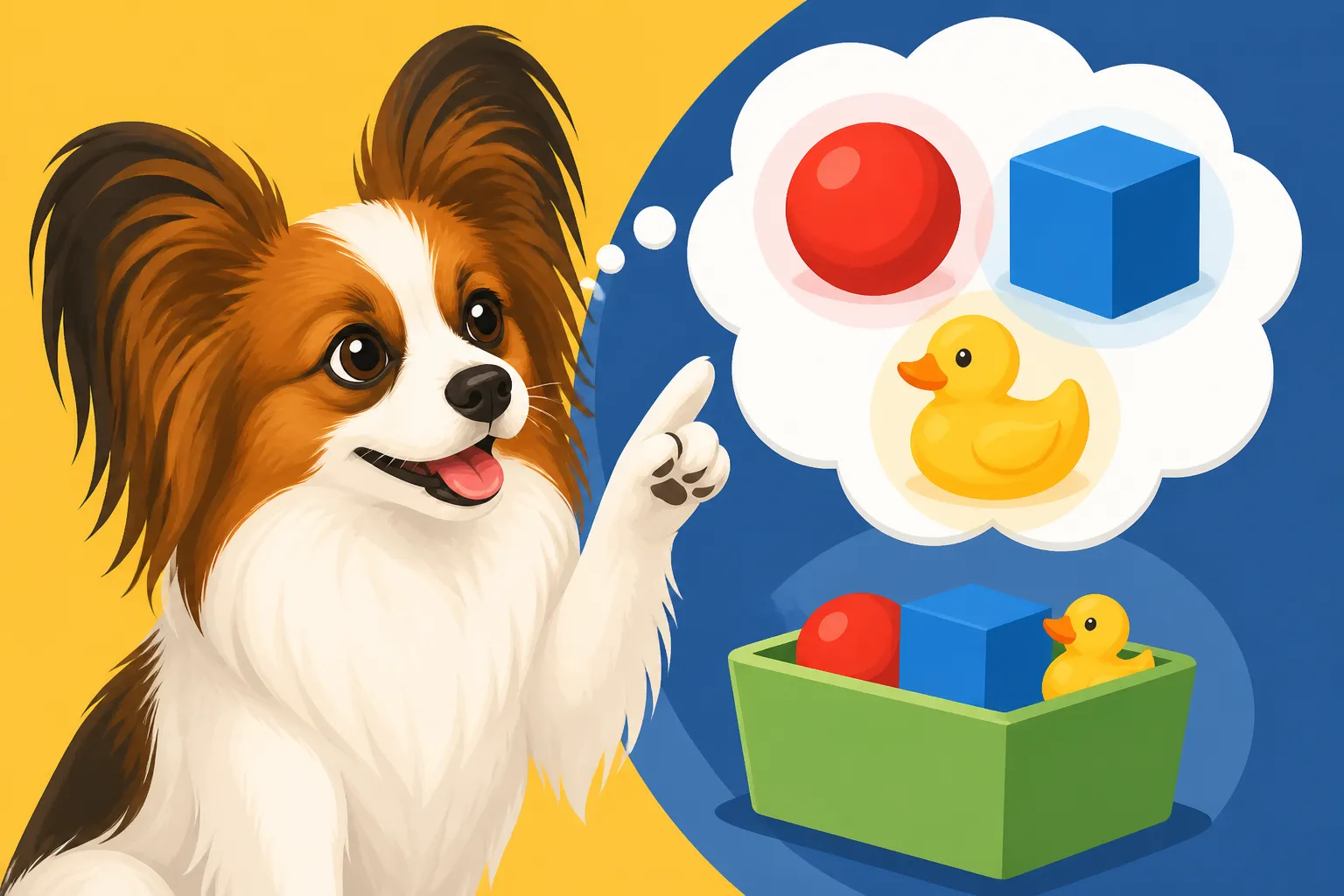
It’s a common wonder among Papillon owners, watching our tiny, intelligent companions and asking ourselves, "Are they really understanding what I’m saying, or just reacting to my tone?" The frustration can be real when you feel like you're speaking a different language than your furry family member, especially when you point to their favorite ball and they bring you a squeaky toy instead. But let me tell you, your Papillon’s brain is a powerhouse, and yes, they absolutely can learn to identify and even retrieve objects by name, transforming those little miscommunications into delightful, meaningful interactions. This guide is here to delve into just how capable our butterfly-eared friends are and how you can tap into their incredible cognitive abilities to teach them object names.
The Papillon's Incredible Capacity for Learning Object Names
You know that feeling when you realize your Papillon isn't just a pretty face, but a true canine intellectual? It's immensely gratifying, and it's the foundation for why they excel at learning object names. Papillons consistently rank high in canine intelligence, often cited among the smartest of all breeds, not just toy breeds. This high intelligence isn't just about learning basic commands like "sit" or "stay"; it extends to a deep capacity for understanding and associating words with specific items in their environment.
This isn't a fluke; it's a testament to their inherent mental agility. They are constantly observing us, picking up on cues, and trying to make sense of our world. When you combine their sharp minds with their eagerness to please and strong bond with their humans, you have a dog perfectly poised to tackle complex cognitive tasks like vocabulary building. Think of it this way: their small size belies a giant brain, always on the lookout for a challenge. This mental energy needs an outlet, and learning object names can be an incredibly enriching way to engage them. The Papillon Is the Smartest Toy Breed There Is can give you even more insight into their impressive intelligence.
Why Papillons Are Exceptionally Suited to This Task
Papillons aren't just intelligent; they possess a unique combination of traits that make them star pupils for learning object names. Their attentiveness to their owners is a major factor. They thrive on interaction and often key into subtle human cues, far beyond just the words we use. This means they are watching your gestures, your eye movements, and your body language, which can all be incorporated into a successful object-naming training regimen.
Furthermore, Papillons have an incredible memory. Once they make an association between a word and an object, it tends to stick. This isn't to say they won't need practice, but they aren't dogs that will forget what they learned overnight. Their high motivation, whether for treats, praise, or simply the joy of working with you, also plays a crucial role. They genuinely enjoy the process of learning and problem-solving, which makes the training a fun activity for both of you, rather than a chore. Many Papillons are also naturally curious, exploring their surroundings with their noses and paws, which sets them up well for interacting with various named items.
The Science Behind Word-Object Association in Dogs
It might sound like something out of a science fiction movie, but the ability of dogs to learn object names has been well-documented. Researchers have studied dogs, most famously border collies like Chaser, who learned hundreds of object names and could even categorize them. While Papillons might not always reach the sheer vocabulary size of a specialized working breed like a border collie, the cognitive mechanisms are similar.
Dogs primarily learn through associative learning. They link the sound of a word to the visual, tactile, and sometimes even olfactory characteristics of an object. Repetition is key, as is consistent pairing of the word with the object. When you say "ball" and present the ball, and then reward them for interacting with it, their brain creates a strong neural pathway connecting the sound "ball" to that specific item. Over time, they internalize this connection. The exciting part is that they often don't just learn "this is the ball"; they learn "ball" as a concept that can be applied to different balls, which demonstrates a higher level of understanding.
Practical Steps to Teach Your Papillon Object Names
So, you're ready to embark on this vocabulary-building journey with your little genius? Wonderful! This isn't just about teaching them tricks; it's about enriching their lives, stimulating their minds, and strengthening your bond. Consistency and patience are your best friends here, but given the Papillon's intelligence, you might be surprised at how quickly they pick things up. Just remember that every dog learns at their own pace, so avoid comparing your Papillon to others.
Starting with "Foundation" Objects
When you first start, don't overwhelm your Papillon with too many options. Pick just two or three distinct, highly motivating objects. Think about things they already love to interact with. A favorite squeaky toy, a specific chew bone, or their leash are excellent choices. The key is to choose items that are easily distinguishable from each other and that your dog is genuinely excited about.
For example, you might start with:
- A favorite soft toy: Let's call it "bunny."
- Their tug rope: We'll call it "rope."
- A specific ball: Let's stick with "ball."
Ensure these objects are kept separate initially, so there's no confusion. You'll introduce them one at a time to build a solid association. This focused approach prevents your Papillon from getting frustrated or guessing, allowing them to build confidence with each successful identification.
The "One Object at a Time" Method
This method is simple yet incredibly effective, especially for laying that solid foundation.
- Isolate the Object: Take just one of your chosen objects, say the "ball." Show it to your Papillon.
- Name and Play: As you show them the ball, clearly say its name: "Ball! Get the ball!" or "Where's your ball?" You want to make it exciting. Roll it, toss it a short distance, and encourage them to interact with it.
- Reward and Repeat: When they engage with the ball, give them enthusiastic praise and a small, high-value treat. Repeat this many, many times over short, fun sessions throughout the day. Your Papillon will quickly learn to associate the sound "ball" with that specific item.
- Practice in Different Locations: Once they're consistently getting the "ball" right in one spot, try practicing in different rooms or even outside. This helps generalize the learning, so they understand "ball" refers to the object itself, not just "the ball that's always by the sofa."
- Introduce the Second Object: Once your Papillon reliably identifies the first object (e.g., the ball), introduce the second object using the exact same method. For instance, start with the "rope" in isolation, naming it and rewarding interaction.
The trick here is to ensure they are rock-solid on one name before bringing in another. This prevents them from simply guessing and truly builds their understanding. You can find excellent structured training plans on platforms like BAXTER & Bella that can guide you through these initial stages.
Introducing Distractors and Proofing
Once your Papillon knows a few object names individually, it's time to up the ante! This is where the real fun, and the proof of their understanding, comes in.
- Two Objects, One Request: Place two of the named objects a little distance apart (e.g., "ball" and "rope"). Ask your Papillon to "Get the ball!" When they go to the correct item, celebrate enthusiastically and reward them. If they go for the wrong one, calmly redirect them to the correct object, name it again, and try again. Don't punish mistakes; just treat them as opportunities to guide.
- Increase the Number of Objects: Gradually add more known objects to the mix. You might have "ball," "rope," and "bunny" all laid out. Ask for "bunny."
- Vary Positions: Don't always put the objects in the same spots. Randomize their placement to ensure your Papillon is truly identifying the object by name, not by its usual location.
- Introduce Novelty: Once they are proficient with known objects, you can try introducing a new, unnamed object as a "distractor" alongside named ones. Ask for a named object. If they pick the unnamed one, they are still just guessing, but if they consistently pick the correct named item, it shows true comprehension.
- "Go Find": This is the ultimate test and a blast to play! Hide a named object in another room and tell your Papillon, "Go find your ball!" Their ability to go seek out the specific item demonstrates a high level of word-object association.
Remember, keep sessions short and fun. Papillons, for all their intelligence, can get bored with endless repetition. How Short a Papillon's Training Session Should Be explores this in more detail. Positive reinforcement is key, so keep those treats handy and your praise effusive!
Expanding Their Vocabulary: Beyond Basic Toys
The exciting thing about teaching object names to your Papillon is that it's not limited to just toys. Their capacity for learning is quite broad, and with consistent effort, you can teach them names for a wide array of household items, clothing articles, or even people and pets. This not only makes for a clever party trick but genuinely enhances their understanding of their world and your communication with them.
Naming Household Items
Once your Papillon has mastered their toys, start branching out to common household objects. Think about things they regularly interact with or that are part of your daily routine.
- Their bowl: "Go get your bowl!" (when empty, of course!)
- Your keys: "Where are the keys?"
- A specific blanket or bed: "Go to your blanket."
- Their brush: "Time for your brush!"
The process remains the same: isolate the object, name it clearly, encourage interaction, and reward. Integrate these names into your daily conversation naturally. For example, if you're about to go for a walk, you might say, "Let's get the leash!" and point to it, even if you're going to grab it yourself. This constant reinforcement helps cement the names in their mind. Look for sturdy, non-toxic items on Amazon that can withstand some enthusiastic Papillon interaction if you plan on having them retrieve things.
Identifying People and Other Pets
Yes, your Papillon can even learn the names of family members and other pets in the house! This requires a slightly different approach, as people and pets aren't "objects" to be retrieved.
- Focus on Presence: When a specific family member enters the room, enthusiastically say their name to your Papillon. "Look, it's [Child's Name]!" or "Here's [Partner's Name]!"
- Positive Association: Encourage positive interactions between your Papillon and the named person/pet. If [Child's Name] comes in, have them offer a treat or engage in gentle play.
- Direct Them: You can also play a game where you ask, "Where's [Family Member's Name]?" and encourage your Papillon to look for or go to that person, rewarding them when they find them. This can be particularly charming when they bring you to a specific person in another room!
This type of learning enhances their social understanding and strengthens their bonds within the household. It's a beautiful way to see their intelligence shine in a relational context.
What to Do When Your Papillon Seems Stuck
Even the smartest Papillons can hit a plateau or seem to forget a name. Don't get discouraged! This is completely normal and often just means you need to go back to basics.
- Simplify: If they're struggling with multiple objects, go back to the "one object at a time" method for the tricky item. Rebuild that strong association.
- Shorten Sessions: Maybe your sessions are too long, and your Papillon is losing focus. Keep them brief and end on a positive note, even if it's just for a simple, well-known command.
- Change Rewards: Is your Papillon still motivated by the same treats? Sometimes a novel, higher-value treat can reignite their enthusiasm. Or perhaps they prefer a quick game of tug as a reward.
- Review and Reinforce: Just like humans, dogs need refreshers. Periodically review previously learned names, even the ones they know perfectly, to keep their vocabulary sharp.
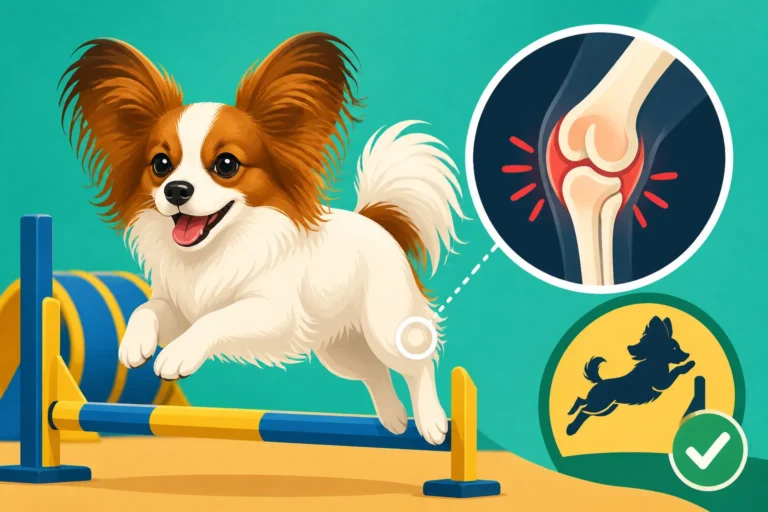
- Check for Physical Issues: Occasionally, a sudden change in learning ability or motivation can be linked to a minor health issue. If you have concerns, a quick vet check-up can rule out any underlying problems. For instance, sometimes a mild discomfort in their joints might make them less eager to retrieve, which can be related to conditions like patellar luxation. What Patellar Luxation Does to a Papillon offers more information on this.
Remember, learning should always be fun for your Papillon. If it becomes a chore for either of you, take a break and return with fresh enthusiasm. Their eagerness to engage with you is their greatest asset in learning.
Benefits of Teaching Your Papillon Object Names
Beyond the sheer joy of showing off your Papillon's impressive vocabulary to friends and family, teaching them object names offers a wealth of practical and emotional benefits that truly enrich their lives and yours. This isn't just about training; it's about deeper communication and a more fulfilling companionship.
Enhanced Mental Stimulation and Enrichment
Papillons are highly intelligent dogs, and like all smart breeds, they need mental challenges to prevent boredom and potential behavioral issues. Learning object names provides a fantastic outlet for their cognitive energy. It’s a puzzle, a game, and a way for them to use their brains actively, rather than just passively existing.
Think of it like this: if your Papillon can understand "go get your red ball" versus "go get your blue bone," their world becomes infinitely more nuanced and interesting. They are actively listening, processing information, and making decisions. This mental workout can be just as tiring and satisfying as physical exercise, leading to a calmer, happier, and more well-adjusted dog. An unstimulated Papillon might resort to excessive barking or destructive chewing, but a mentally engaged one is more likely to be a contented companion. What Mental Work a Papillon Needs discusses more ways to keep their minds sharp.
Improved Communication and Bond Strengthening
Imagine being able to ask your Papillon to "bring me your toy" or "find your leash" and having them actually understand and comply. This level of communication goes far beyond basic commands and truly deepens the connection between you and your dog. It fosters a sense of mutual understanding and teamwork.
When your Papillon successfully identifies an object, it's a win-win situation. You feel understood, and they feel competent and rewarded. This shared experience of learning and success strengthens your bond in a profound way. They learn to trust your cues and look to you for guidance, while you gain a deeper appreciation for their intellect and capabilities. It transforms everyday interactions into meaningful exchanges, creating a more harmonious and joyful home life.
Practical Applications and Fun Games
The practical applications of object recognition are surprisingly varied. Beyond just finding their own toys, a Papillon who knows object names can:
- Help with chores: Okay, maybe not chores chores, but they can retrieve a dropped remote, find your glasses (if safely on the floor!), or even bring you specific articles of clothing if trained.
- Aid in daily routines: Knowing "leash" or "harness" can make getting ready for walks smoother. "Crate" can mean going to their safe space.
- Enhance play: Games like "go find the hidden toy" become incredibly engaging and stimulating, turning a simple toss into a scavenger hunt.
- Demonstrate their brilliance: You'll be amazed at the pride you feel showing off your Papillon's "vocabulary" to friends. It's a wonderful way to highlight their intelligence and personality.
Beyond the serious benefits, it’s just plain fun! Teaching your Papillon object names opens up a whole new world of interactive games and delightful moments. It's an investment in their well-being and a testament to the incredible potential hidden within our small, butterfly-eared friends.
Disclaimer
This article is for general informational purposes only and does not constitute professional advice. Laws, prices and regulations vary by location and change over time. Consult a qualified professional for guidance on your specific situation.