Why Harsh Correction Fails on a Papillon
It's incredibly frustrating when you're trying your best to teach your sweet Papillon, but instead of seeing progress, you just hit a wall. You might try raising your voice, a firm "no," or even a quick tap on the nose, hoping to get your point across, only to find your little butterfly-eared companion either shrinks away, becomes more stubborn, or looks utterly bewildered. This guide is here to shed light on why those traditional, harsh correction methods often fall flat with a Papillon and what truly effective, compassionate alternatives you can use to build a stronger, happier bond and a well-behaved dog.
The Papillon Temperament: A Study in Sensitivity
Papillons are not built for harshness, either physically or emotionally. Their delicate nature means they respond far better to gentle guidance and encouragement than to any form of fear or intimidation. It's crucial to understand their inherent sensitivities to unlock their full potential and avoid causing unintended harm to their spirit.
Why Papillons Are Not Your Average "Tough Dog"
Think about the history of the Papillon. They weren't bred to guard livestock, hunt large game, or face down formidable foes. For centuries, these exquisite little dogs were cherished companions of European nobility, gracing the laps of queens and aristocrats. Their very purpose was to be a gentle, loving presence, and this long history has deeply ingrained a sensitive, eager-to-please temperament.
A Papillon's physical build also speaks volumes about their nature. They are truly toy dogs, with fine bones and a petite frame. While they are surprisingly sturdy and athletic for their size – capable of amazing feats in dog sports like agility – they are not designed to withstand rough handling. This physical delicacy often translates to a mental and emotional sensitivity. They absorb their environment like little sponges, and a harsh tone or sudden movement can feel disproportionately intense to them. Unlike some larger, more robust working breeds that might shrug off a sharp command, a Papillon can take it deeply to heart. Trying to train them with methods designed for a Rottweiler or a German Shepherd is like trying to use a sledgehammer to tap in a tiny nail; it's just not the right tool for the job.
The Echo of a Harsh Tone
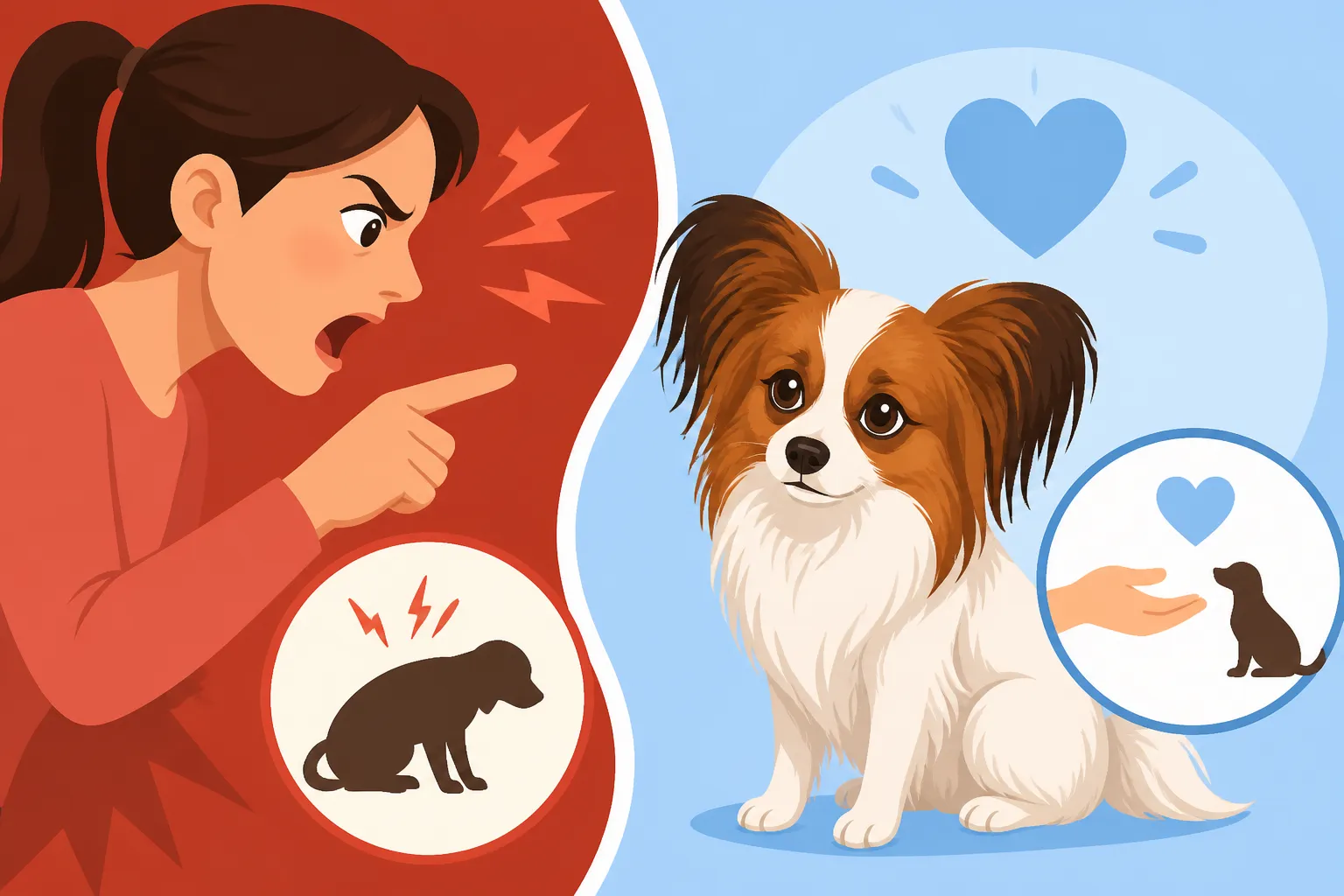
When you raise your voice at a Papillon, or even just speak in a gruff, disappointed tone, it doesn't land the way you might intend. It doesn't necessarily register as "I shouldn't do that again." Instead, it often translates to "My human is angry, and I don't know why," or "This situation is scary." Because their bond with their human is so central to their existence, any perceived negativity from you can be genuinely distressing.
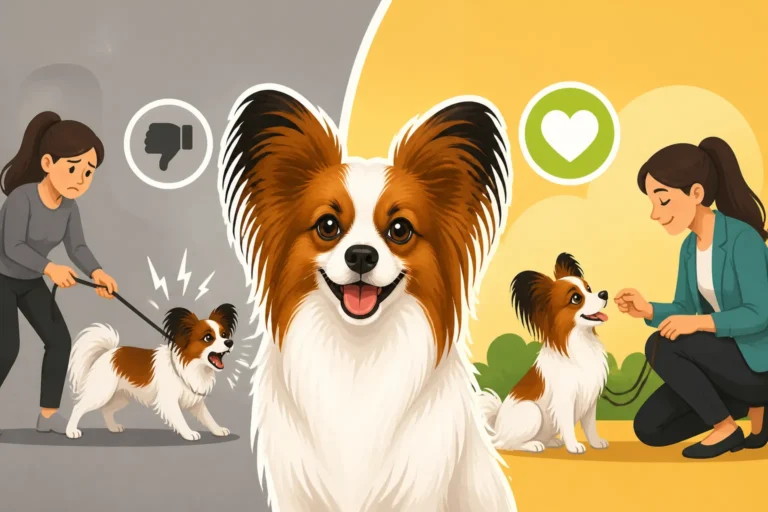
Imagine you're trying to learn a new skill, and every time you make a mistake, your instructor yells at you or gives you a sharp jab. Would you feel motivated to try harder? Or would you start to dread the learning process, become anxious, and perhaps even try to avoid the instructor altogether? That's very often how a Papillon experiences harsh corrections. They might cower, tuck their tail, flatten their ears, or even start shaking. Some might shut down entirely, refusing to engage further in the training session. Others, in their fear, might resort to defensive behaviors like snapping or "fear-biting" if they feel cornered or threatened, which is a heartbreaking outcome for a dog that simply doesn't understand. Building trust is paramount with these little dogs, and harsh tones chip away at that trust, making them hesitant to interact freely or offer new behaviors. How Sensitive a Papillon Is
How Negative Reinforcement Backfires with a Papillon
While some training philosophies advocate for methods that involve correcting unwanted behaviors, for a Papillon, these approaches often do more harm than good. They can lead to a host of behavioral issues rooted in fear, anxiety, and a damaged relationship with their owner, rather than fostering true understanding and cooperation.
The Cycle of Fear and Avoidance
When you primarily use punishment or harsh corrections, your Papillon doesn't learn what you want them to do; they only learn what not to do when you're around. This creates a cycle of fear and avoidance. For example, if you consistently scold your Papillon for having an accident inside, they might not learn to potty outside. Instead, they might learn that you get angry when you see their pee, so they'll try to hide it from you. This could mean they start sneaking off to potty behind the sofa or under the bed, making house training even harder and far more frustrating for everyone involved. How Long House Training a Papillon Takes
This avoidance extends beyond house training. If they're constantly worried about doing the wrong thing and facing your displeasure, they become less likely to offer any behaviors at all. They might become hesitant, withdrawn, or even completely disengaged during training sessions. This isn't because they're stubborn; it's because they're stressed. Common signs of stress in a Papillon can include lip-licking, yawning when not tired, excessive panting, averted eyes, a tightly closed mouth, or a low, tucked tail. When a dog is in this state, their brain isn't open for learning; it's focused on survival and managing anxiety. This kind of training just creates a dog that is anxious and always on edge, rather than confident and eager to learn.
Damaging the Bond
The bond you share with your Papillon is one of its most defining characteristics. They are incredibly devoted little dogs, thriving on companionship and connection. Training, when done right, should be an extension of that bond—a way for you to communicate and deepen your understanding of each other. However, harsh methods fundamentally break down this crucial relationship.
When you consistently use corrections, you become a source of unpredictable negativity for your dog. Instead of seeing you as a safe, consistent leader who guides them gently, they might start to associate you with discomfort or fear. This erosion of trust means they may be less likely to seek comfort from you when they're scared, less likely to come to you when called, and generally more reserved in their interactions. A Papillon wants to please you, but if they're afraid of making a mistake, that natural desire can be stifled. You want your Papillon to run to you for cuddles, not to cower when you approach because they're worried about what they might have done wrong. The goal is to be a benevolent leader, not a feared disciplinarian.
Positive Reinforcement: The Papillon's Preferred Language
So, if harsh correction doesn't work, what does? For a Papillon, the answer is overwhelmingly positive reinforcement. This method leverages their natural intelligence and desire to please, making training a joyful, bond-building experience rather than a stressful chore.
Understanding What Truly Motivates a Papillon
Papillons are often lauded for their incredible intelligence. The Papillon Is the Smartest Toy Breed There Is They rank exceptionally high in obedience intelligence among all dog breeds, meaning they grasp new concepts and cues with astonishing speed. This keen intellect, combined with their strong desire for human companionship and interaction, makes them prime candidates for positive reinforcement training.
What motivates a Papillon? Typically, it's a combination of things: delicious treats, enthusiastic praise, and engaging play. Because they are so small, high-value, pea-sized treats work wonders. Think tiny bits of cooked chicken, cheese, or specialized training treats that your dog absolutely adores. The key is to make the reward immediate and exciting! When your Papillon performs the desired action, even a tiny step in the right direction, a cheerful "Yes!" or "Good dog!" immediately followed by a tasty treat tells them precisely what they did right. They learn quickly to associate performing that action with a positive outcome. This is why a clicker can be such a fantastic tool for Papillons. How a Clicker Lands With a Papillon The click is a precise marker, telling them "that exact moment, that exact action, is what earned you this reward." It helps clarify communication incredibly well for such a smart dog.
Beyond treats, many Papillons love to play. A quick game of tug or chase with a favorite toy can be a powerful reward, especially for behaviors like a fast recall or a successful agility sequence. The underlying motivation is always to earn your approval and affection, and positive reinforcement directly feeds into that.
Building Desired Behaviors, Not Suppressing Undesired Ones
The core philosophy of positive reinforcement is about teaching your dog what you want them to do, rather than constantly telling them what not to do. It shifts the focus from punishment to rewarding good choices. For example, instead of yelling at your Papillon for jumping on guests, you would teach them to sit when someone comes to the door, and then profusely reward that sit. Every time they sit politely, they get praise and a treat. Over time, they learn that sitting is the behavior that earns them positive attention.
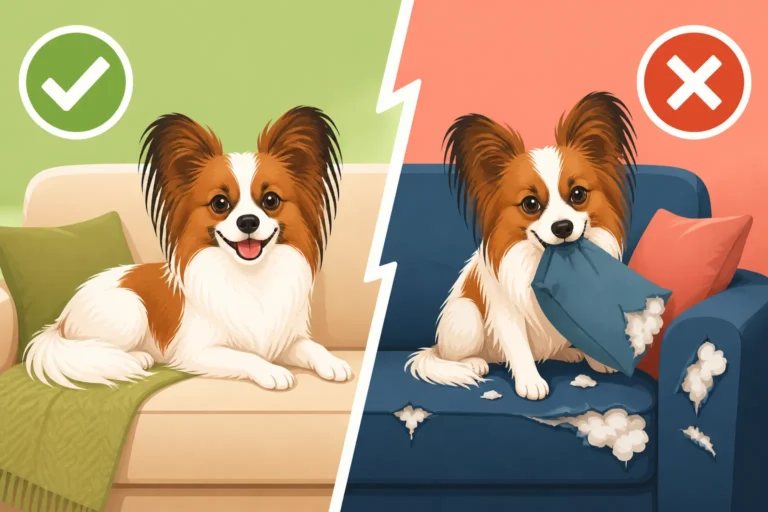
This approach involves setting up your Papillon for success. If your dog tends to chew on inappropriate items, instead of punishing them for chewing your shoe, ensure they always have appropriate chew toys readily available. When they choose their toy, reward them. If they jump on the couch, teach them a "place" command for their dog bed and reward them lavishly for going there. Which Rewards a Papillon Works For
By consistently rewarding the behaviors you desire, you make them more likely to happen again. You're building a library of positive associations for your dog, where learning is fun and rewarding. This method not only teaches specific commands but also cultivates a more confident, enthusiastic, and cooperative dog who enjoys learning and trusts you implicitly. It's a far more effective and humane way to live with and train a sensitive, intelligent breed like the Papillon.
Practical Strategies for Effective Papillon Training
Once you embrace the positive reinforcement philosophy, training your Papillon becomes a much more enjoyable and successful journey. It's all about creating an environment where they can thrive, understand your expectations, and feel secure in their relationship with you.
Creating a Safe and Predictable Training Environment
The first step is to ensure your training sessions are short, fun, and always end on a positive note. Papillons have short attention spans, especially when they're young. Aim for training bursts of 3-5 minutes, a few times a day, rather than one long, tedious session. How Short a Papillon's Training Session Should Be This keeps them engaged and prevents boredom or frustration. Consistency is key, so make these short sessions a regular part of your daily routine.
Your body language and tone of voice are incredibly important. Keep your voice light, cheerful, and encouraging. Papillons are highly attuned to their human's emotions, and a calm, happy demeanor from you will make them feel safe and eager to participate. Avoid making direct eye contact in a way that feels confrontational, especially if your dog is already showing signs of stress. Instead, offer gentle eye contact and a relaxed posture. Learn to recognize your Papillon's subtle cues for stress or disengagement—a quick yawn, lip lick, or turning away—and know when to take a break. Pushing them past their comfort level will only be counterproductive. Creating a consistent routine and predictable responses from you will help build their confidence immensely.
Managing Unwanted Behaviors Without Force
So, what do you do when your Papillon does something you don't want them to do? The answer is never harshness. Instead, focus on redirection, management, and teaching an incompatible alternative behavior.
- Ignoring Unwanted Attention-Seeking: If your Papillon barks excessively for attention or jumps on you, simply turn your back and walk away. The moment they are quiet or have all four paws on the floor, turn back and calmly reward them. This teaches them that calm, polite behavior earns attention, while demanding behavior does not.
- Redirection: If your Papillon is chewing on something inappropriate, calmly take it away and immediately offer an appropriate chew toy. Praise and reward them when they engage with the correct item.
- Time-Outs: For over-excitement or persistent naughty behavior, a brief "time-out" can be effective. This isn't a punishment, but a removal from the stimulating environment. For instance, if your Papillon gets too nippy during play, calmly put them in their crate for a minute or two with a chew toy. Once they're calm, you can let them out and resume play. Sometimes, the handler needs a time-out too! If you're feeling frustrated, step away for a few minutes to reset your own emotions.
- Desensitization and Counter-Conditioning: For fear-based reactions, like barking at strangers or other dogs, you need a more nuanced approach. What a Papillon Barks At This involves gradually exposing them to the trigger at a low intensity (where they aren't reactive) and pairing it with something positive, like high-value treats. For example, if your Papillon barks at people walking by the window, start by having them observe from a distance where they don't react, giving them treats every time someone passes. Slowly, over many sessions, decrease the distance as long as they remain calm. This changes their emotional association from fear/alertness to positive anticipation.
For more complex behavioral issues, don't hesitate to seek help from a certified professional dog trainer who specializes in positive reinforcement. Resources like online training platforms, such as BAXTER & Bella, can offer structured courses and support that guide you through these methods step-by-step. They provide a wealth of videos and live sessions that can show you exactly how to implement gentle, effective training techniques. You can also find excellent training aids, like clickers and treat pouches, readily available on platforms like Amazon, which can significantly enhance your positive reinforcement efforts. Teaching a Papillon Puppy to Be Handled All Over
Remember, a Papillon is a sensitive, intelligent companion. Building a strong, trusting relationship through positive reinforcement not only leads to a well-behaved dog but also enriches their life and yours in countless ways.
Here's a quick comparison of the two approaches:
| Feature | Harsh Correction Methods | Positive Reinforcement Methods |
|---|---|---|
| Philosophy | Suppress unwanted behavior through fear/discomfort. | Build desired behavior through reward and motivation. |
| Papillon's Response | Fear, anxiety, avoidance, confusion, shutdown, broken trust. | Enthusiasm, confidence, eagerness to learn, strengthened bond. |
| Learning Outcome | Dog learns what not to do (when observed). | Dog learns what to do (regardless of observation). |
| Behavioral Impact | Can lead to aggression, hiding behaviors, increased stress. | Fosters a happy, cooperative dog, reduces anxiety, builds resilience. |
| Relationship Impact | Erodes trust, creates distance, can make you a "threat." | Deepens bond, creates a safe and predictable partnership. |
| Tools Used | Loud voice, physical corrections, startling noises. | Treats, praise, toys, clicker, consistent gentle handling. |
| Common Mistakes | Inconsistent application, punishment for fear-based actions. | Not high-value enough rewards, poorly timed rewards. |
Disclaimer
This article is for general informational purposes only and does not constitute professional advice. Laws, prices and regulations vary by location and change over time. Consult a qualified professional for guidance on your specific situation.