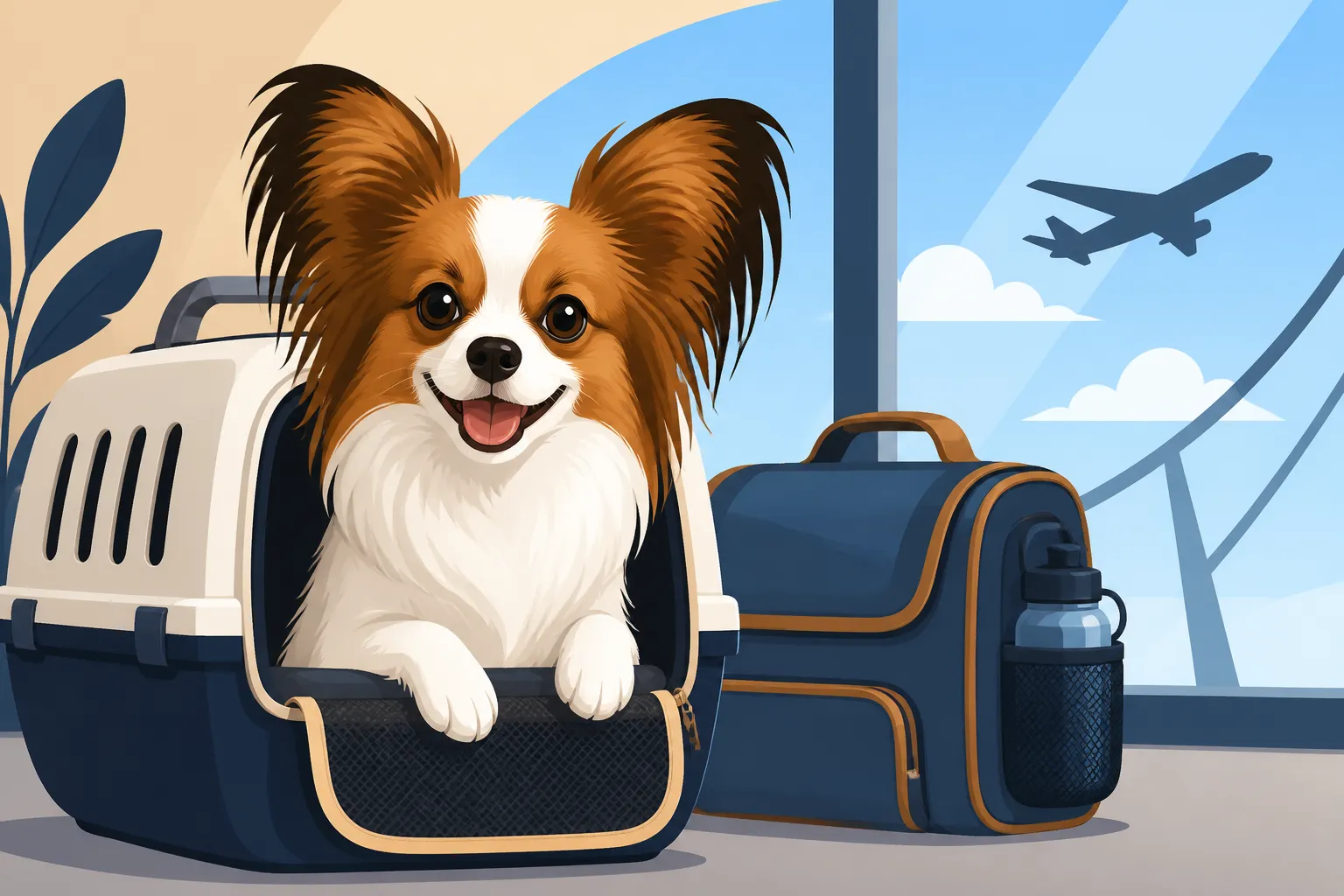
Traveling With a Papillon
The thought of exploring new places with your beloved Papillon by your side is absolutely wonderful, but let's be honest, the reality of traveling with a tiny dog can feel like a logistical nightmare. From navigating airline regulations to finding genuinely pet-friendly accommodations, the hurdles are real and can be incredibly frustrating. This comprehensive guide is here to walk you through every step, ensuring your Papillon's adventures are as stress-free and joyful as possible for both of you.
Before You Go: Essential Planning for Your Papillon's Trip
Embarking on a journey with your Papillon isn't something to decide on a whim; it requires thoughtful preparation to keep them safe, comfortable, and happy. Their small size brings unique considerations that need addressing long before you even pack your own suitcase.
Veterinary Check-Ups and Health Records
First things first, schedule a visit to your veterinarian. This isn't just a formality; it's a crucial step to ensure your Papillon is in peak health for travel. Discuss your travel plans—whether it's a road trip across the state or an international flight—with your vet. They can advise on any necessary vaccinations, parasite preventatives, or even stress-reducing supplements that might be appropriate for your specific dog.
For any kind of travel, especially air travel or crossing state/international borders, you'll need up-to-date health records. Your vet can provide a copy of your Papillon's vaccination history, a current health certificate (which is often time-sensitive, usually valid for only 10 days before travel), and proof of microchipping. Having these documents readily accessible in a waterproof pouch can save you a world of stress if you encounter any unexpected checkpoints or emergencies. Remember, a microchip is your best friend if your little explorer decides to make a break for it in a new environment.
Researching Pet-Friendly Accommodations and Activities
Finding a place to stay that truly welcomes your Papillon can be a headache. Don't assume "pet-friendly" means your pet-friendly. Many hotels have strict weight limits (which your Papillon usually breezes under, thank goodness!) or breed restrictions, and almost all will charge a non-refundable pet fee. Always call ahead, even if a website says they're pet-friendly, to confirm their specific policies and avoid an unpleasant surprise at check-in. Ask about designated pet areas, whether pets can be left alone in the room, and if there are any additional rules.
Beyond just sleeping arrangements, think about what you and your Papillon will do at your destination. Research dog parks, pet-friendly trails, outdoor patios at restaurants, or even local doggy daycares if you plan activities where your Papillon can't join. This proactive research can transform a stressful trip into a truly enjoyable vacation for both of you. Many online resources and apps are dedicated to finding pet-friendly locations, which can be a huge time-saver.
Planning Your Route and Rest Stops
Long journeys can be tough on anyone, and your Papillon is no exception. While they might curl up and snooze for hours in the car, regular breaks are essential for their physical and mental well-being. Plan your route with frequent stops every 2-3 hours for potty breaks, a stretch of the legs, and a drink of water. This is especially vital for tiny bladders.
Look for rest areas with grassy patches or designated pet relief areas. If you're on a road trip, consider breaking up longer drives into multiple days, staying overnight at pet-friendly stops. This allows your Papillon to decompress and recharge, making the entire experience less overwhelming. A well-rested Papillon is a happy traveler, and a happy traveler means a happier you! How Much Exercise a Papillon Needs is a great read to understand their daily requirements, even on the go.
Packing for Your Pint-Sized Passenger: What to Bring
A Papillon may be small, but their travel packing list can feel surprisingly long! Ensuring you have all their necessities will make the journey much smoother and help maintain a sense of normalcy in new environments.
The Essential Papillon Travel Kit
Think of this as your Papillon's survival kit. First, pack enough of their regular food for the entire trip, plus a little extra, to avoid sudden diet changes that can upset their delicate stomachs. Bring their usual water and food bowls; familiar items help reduce stress. If you're going somewhere with unfamiliar tap water, consider bringing bottled water for them.
Medications are paramount. If your Papillon is on any prescription meds, pack them in clearly labeled containers with dosage instructions. It's also wise to have a basic pet first-aid kit, including items like antiseptic wipes, gauze, tweezers, and any vet-recommended pain relief. Don't forget plenty of waste bags – being a responsible pet owner means cleaning up after your dog, always. Why a Papillon's Jaw Crowds Its Teeth can sometimes lead to dental issues, so be sure to pack any specific dental care items too, if required.
Comfort Items from Home
Travel can be disorienting, and familiar smells and textures provide immense comfort. Bring your Papillon's favorite bed or a familiar blanket that smells like home. This small gesture can make a huge difference in helping them settle into new surroundings, whether it's a hotel room or a relative's house. Their favorite toys are also a must, offering a sense of routine and a way to burn off some mental energy.
If your Papillon is crate-trained, bring their travel crate. A crate provides a safe, den-like space where they can retreat when feeling overwhelmed or when you need to leave them alone for short periods (if permitted by your accommodation). For a Papillon, a soft-sided, lightweight carrier or crate is often ideal for travel, and you can find many excellent options on Amazon. This familiar space will be a source of security. Crating a Papillon Overnight goes into more detail about how beneficial a crate can be.
Safety Gear for the Journey
Safety should always be your top priority. In the car, your Papillon should never be loose. A secure travel carrier, a booster seat with a harness attachment, or a safety-tested car seat will protect them during sudden stops or accidents. These options prevent them from becoming a distraction to the driver and keep them contained. A comfortable, well-fitting harness is also crucial for walks at rest stops and at your destination. Unlike a collar, a harness distributes pressure evenly, preventing strain on their delicate neck. Whether a Papillon Should Wear a Harness Instead of a Collar explains why a harness is often the preferred choice.
Ensure your Papillon wears an ID tag with your current contact information, including your cell phone number. Consider adding a temporary tag with your destination address and phone number for extra peace of mind. Even if they're microchipped, a visible ID tag is the quickest way for someone to return your lost dog.
Navigating the Journey: Safe and Happy Travels by Car, Air, and Beyond
Each mode of transportation presents its own set of challenges and requirements for traveling with a Papillon. Understanding these nuances is key to a smooth journey.
Car Travel: Making Road Trips Enjoyable
Car travel is often the most common way to journey with a Papillon, offering the most flexibility. However, it’s vital to secure your dog properly. As mentioned, a car seat, a crash-tested travel crate, or a booster seat attached to their harness are excellent choices. This keeps them safe and prevents them from interfering with your driving.
Car sickness can be a real issue for some Papillons. To minimize this, try to feed them a light meal a few hours before departure, rather than right before. Acclimate them to car rides gradually with short, positive trips before a long one. Keep the car cool and well-ventilated, and avoid strong air fresheners. Your vet can also offer advice or prescribe anti-nausea medication if motion sickness is severe. If your Papillon tends to get anxious in the car, familiar toys or blankets can help, and a quick search on Amazon can reveal calming pheromone sprays or chews that some owners find beneficial. How a Papillon Rides in a Car provides further tips on this specific aspect.
Air Travel: Navigating the Skies with Your Small Companion
Flying with a Papillon requires meticulous planning and early booking. For a dog their size, in-cabin travel is almost always the safest and most recommended option. Your Papillon will need to fit comfortably in an airline-approved carrier under the seat in front of you. Check the specific airline's pet policy meticulously, as dimensions, fees, and documentation requirements vary widely. Some airlines also limit the number of pets allowed in the cabin per flight, so book well in advance.
Cargo travel, while sometimes unavoidable for larger breeds, is generally discouraged for Papillons due to their small size and the inherent risks of extreme temperatures, noise, and stress. If you must consider cargo, research the airline's temperature restrictions and live animal handling procedures extensively. Always place absorbent material and a familiar item inside their carrier, along with a small water dispenser. Remember, the journey can be frightening, so anything you can do to provide comfort and reduce anxiety for your Papillon is invaluable.
Other Modes of Transportation
While less common, you might consider trains or buses for certain trips. Amtrak, for example, allows small dogs on some routes, usually with similar in-carrier requirements to airlines. Buses, particularly long-distance carriers, often have very strict no-pet policies, or may only allow service animals.
Always verify the specific policies of any public transport provider you intend to use. Don't rely on assumptions, as rules can change. For international travel, the requirements become even more complex, often involving extensive paperwork, specific vaccinations, and quarantine periods. Start researching these regulations many months in advance if you plan to travel beyond your country's borders.
Making Memories: Enjoying Your Destination with Your Papillon
You've made it! Now that you and your Papillon have arrived, the goal is to make the most of your adventure while keeping their well-being in mind.
Maintaining Routine and Managing Stress
Consistency is comforting, especially for a small dog in a new place. Try to stick to your Papillon's regular feeding schedule and potty breaks. Even if the environment is new, a familiar routine helps reduce anxiety. Bring their favorite food and water bowls, and their own bed or crate, as these familiar items provide a sense of security. If your Papillon is prone to being a picky eater when stressed, having some extra tempting treats on hand can help. Getting a Picky Papillon to Eat might offer some useful strategies.
Observe your Papillon for signs of stress: excessive panting, yawning, lip-licking, or reluctance to eat. Offer plenty of reassurance and quiet time. If they seem overwhelmed by new sights and sounds, a quiet walk in a less busy area or some downtime in their crate can work wonders. BAXTER & Bella's online training programs, while not specifically for travel stress, offer excellent resources for building confidence and obedience, which can certainly translate to a more adaptable traveler in the long run.
Exploring Safely at Your Destination
When you're out and about, safety is paramount. Always keep your Papillon on a leash, especially in unfamiliar areas. Their curiosity combined with their small size makes them vulnerable to various hazards, from other dogs to traffic. Even if your Papillon has an excellent recall, a new environment with novel smells and distractions can test even the most obedient dog. Whether a Papillon Can Be Trusted Off Leash is a valuable consideration here.
Be mindful of local leash laws and ensure your Papillon is comfortable with the types of activities you're planning. If you're visiting a beach, check if dogs are allowed and be aware of potential hazards like strong currents or excessive heat. If you're hiking, ensure the terrain is suitable for small paws and that you have enough water for both of you. Always bring poop bags and dispose of waste properly – a simple act that helps ensure pet-friendly policies remain in place for future travelers.
Respecting Local Etiquette and Rules
Traveling with a pet means being an ambassador for all pet owners. Always respect "no pets" signs, even if it's inconvenient. Keep your Papillon quiet and calm in public spaces, especially in hotels or shared accommodations where noise can disturb others. If your dog is prone to barking at unfamiliar sounds, consider bringing white noise apps or a portable sound machine for your hotel room to help them settle.
When dining at outdoor cafes or restaurants, ensure your Papillon remains quietly under the table and doesn't approach other diners. Being considerate helps maintain positive perceptions of pet owners and keeps more places open to our furry companions. Your Papillon is part of your family, and by being a responsible and thoughtful traveler, you ensure that they can continue to be part of your adventures for years to come.
| Travel Mode | Pros for Papillons | Cons for Papillons | Key Considerations |
|---|---|---|---|
| Car | Flexible schedule, frequent stops, familiar smells | Car sickness, security during crashes, driver distraction | Secure carrier/seat, regular breaks, hydration, vet advice |
| Air (Cabin) | With owner, climate controlled, less stress | Strict carrier size, limited availability, airline fees | Book early, verify airline rules, health certificate |
| Air (Cargo) | N/A (Generally NOT recommended for Papillons) | High risk of stress, extreme temps, injury, lost pet | Avoid at all costs if possible for small breeds |
| Train | Can walk around (in designated areas), less cramped | Limited routes, pet fees, carrier requirements | Check specific railway policies, carry essentials |
| Bus | Economical (if allowed) | Very limited pet allowances, often strict no-pet rules | Verify policies, prepare for potential refusal |
Disclaimer
This article is for general informational purposes only and does not constitute professional advice. Laws, prices and regulations vary by location and change over time. Consult a qualified professional for guidance on your specific situation.