When a Papillon Slows Down With Age
It’s a natural part of life, but it can still be quite startling to witness: your once perpetually busy, incredibly active Papillon, the one who lived for zooming around the house and leaping onto every piece of furniture, suddenly seems… a little less bouncy. Many Papillon owners find themselves wondering exactly when that shift happens, when their energetic butterfly dog starts to show the tell-tale signs of slowing down. This guide will walk you through the typical timeline and signs of aging in our beloved Papillons, and how you can best support them through these golden years.
The Papillon's Enduring Zest for Life
Papillons are renowned for their incredible energy and intelligence, often acting much larger than their small stature would suggest. They’re dogs that truly enjoy being active, whether it’s a long walk, a game of fetch, or navigating an agility course. This inherent vigor often means they seem to defy age for longer than many other breeds. It’s not uncommon for a Papillon to be zipping around, playing like a puppy, well into their middle years, sometimes even past eight or nine.
This boundless energy can make the subtle onset of aging particularly hard to spot, and even harder to accept. You might think your Papillon will always be that indefatigable whirlwind, and for a long time, they very well might be! But even the most robust Papillon will eventually begin to slow their pace. Understanding this long lifespan and active nature is key to appreciating their journey into seniority. How Long a Papillon Lives is a testament to their overall health and vitality, and a long life means more opportunities to watch them grow and change.
The Myth of Perpetual Puppyhood
While Papillons are indeed dogs with a fantastic "lust for life," it's easy to fall into the trap of believing they'll never really age. We see videos of Papillons at twelve still doing agility, and while impressive, it sets a high bar and can make us overlook the more subtle signs in our own pets. The reality is, even these energetic little dynamos experience wear and tear, just like we do. Their joints, their senses, and their cognitive functions all start to gradually change over time.
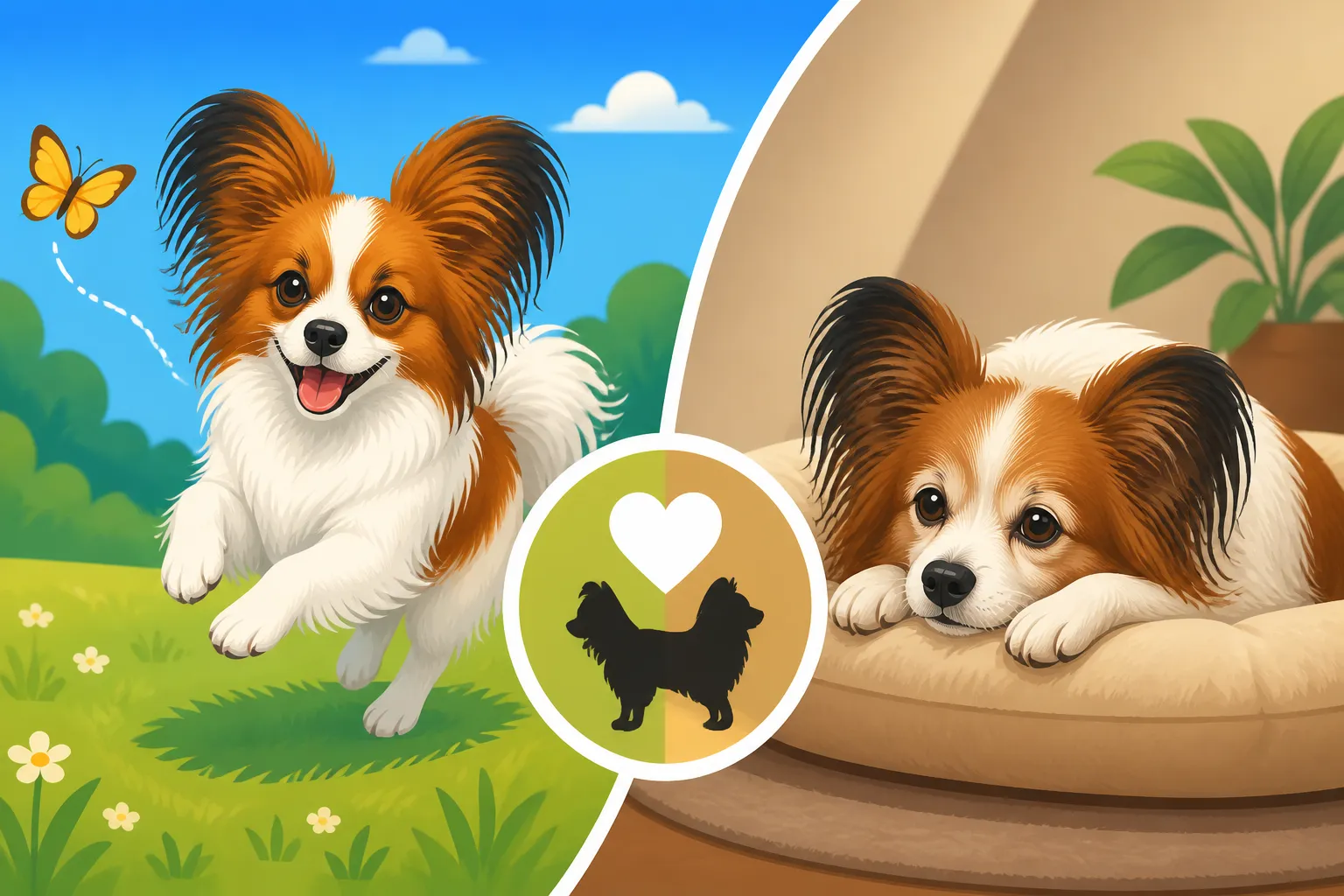
For instance, your Papillon might still chase the laser pointer with enthusiasm, but perhaps the leaps aren't quite as high, or they tire out a bit quicker than they used to. They might still greet you with a dance, but instead of spinning for a full minute, it's a few quick turns before settling for a cuddle. These aren't dramatic shifts, which is precisely why they can be so easily dismissed as just "a quiet day" or "just tired."
Seniority: More Than Just a Number
The age at which a Papillon is considered senior can vary slightly, but generally, most veterinarians and breeders consider a Papillon to be entering their senior years around the age of 8 or 9. However, many Papillons don't show significant signs of slowing down until they are closer to 10, 11, or even 12 years old. This is a testament to their genetic fortitude and generally healthy breed characteristics. For more on this, you might find The Age a Papillon Is Considered Senior enlightening.
It’s important to remember that "seniority" isn't a switch that flips overnight. It's a spectrum, and each dog will experience it differently based on genetics, diet, exercise history, and overall health. Some Papillons might start to slow down a little earlier if they've had a particularly strenuous life, perhaps in intense competitive sports, while others might remain remarkably spry well into their teens.
Subtle Clues: The Early Signs of Slowing Down
When your Papillon first starts to show signs of aging, they are rarely dramatic. Instead, they are often subtle, easy-to-miss cues that, when observed together over time, paint a picture of gradual change. It’s like watching the leaves change color; it doesn't happen in a single afternoon, but over weeks, you notice the landscape transforming.
A Decline in Stamina and Play Drive
One of the first things many Papillon owners notice is a slight, almost imperceptible, decline in stamina. The morning walk that used to be a brisk 45 minutes might now feel a bit long after 30. Your dog might lag a bit behind, or simply choose to sniff more and move less. Play sessions might not last as long, or they might prefer a quiet chew toy to an energetic game of chase.
Consider your Papillon's engagement with their favorite activities. If they used to demand multiple fetch sessions a day, and now they seem content with just one, or even opt for a cuddle on the sofa instead, that's a clue. It's not that they don't enjoy the activity anymore, but the physical effort required might be a little more taxing, or the reward less compelling than rest. It's a gentle shift, not a sudden stop.
Changes in Sleep Patterns and Routines
You might notice your Papillon sleeping more, or perhaps sleeping more deeply. Where they once popped up instantly at the sound of the refrigerator door, they might now take a moment to stir. Naps become longer and more frequent throughout the day. Conversely, some older dogs might experience Night Confusion in an Old Papillon, leading to restlessness or waking during the night.
Another common change is an increased desire for warmth and comfort. Your Papillon might start seeking out sunny spots more often, or burying themselves deeper in blankets and soft beds. If you've never thought about pet steps for furniture before, now might be the time to consider them, or a softer, more supportive bed. Whether an Aging Papillon Sleeps More is a topic many owners grapple with, and it's a very normal part of the aging process.
Subtle Aches and Pains: Reluctance to Jump or Climb
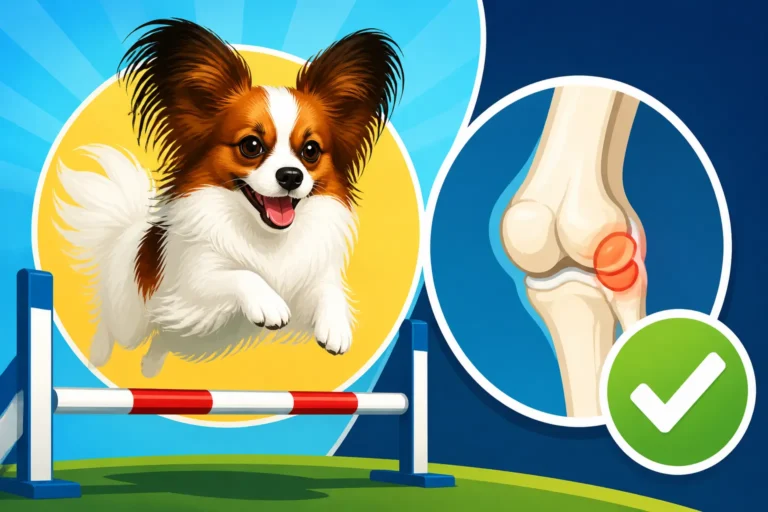
This is a big one for Papillons, given their love for leaping. A previously fearless jumper might hesitate before launching onto the sofa or bed. They might start using the coffee table as an intermediate step, or even look at you for assistance. Going up and down stairs might become slower or more deliberate. You might see a slight stiffness in their gait after they've been lying down for a while, particularly in the morning.
These signs often point to early arthritis or joint discomfort, which can be common in small breeds, especially conditions like patellar luxation. While a Papillon might not cry out in pain, their reluctance to engage in activities they once loved can be a clear indicator of discomfort. Providing ramps or steps from a platform like Amazon can make a huge difference in protecting their joints and maintaining their independence. Whether an Aging Papillon Needs Steps Everywhere explores this in more detail.
The Progression of Age-Related Changes
As Papillons move further into their senior years, often past 11 or 12, the changes become more pronounced, encompassing not just physical attributes but also their senses and cognitive function. This phase requires a deeper understanding and proactive adjustments to their care.
Physical Manifestations: Coat, Muscle, and Vision
Physically, you'll likely observe more visible changes. Their beautiful, silky coat might become a bit thinner or coarser in places, and some Papillons may develop a scattering of grey hairs around their muzzle or eyes. What an Aging Papillon's Coat Looks Like can be a striking reminder of the passage of time. You might also notice a gradual Whether an Old Papillon Loses Muscle, particularly over their hindquarters, even if they remain at a healthy weight. This muscle loss can contribute to weakness and a less stable gait.
Vision changes are also common. While complete blindness is less common as a natural part of aging (unless specific conditions like PRA are present, as detailed in The Papillon Type of Progressive Retinal Atrophy and the CNGB1 Gene), many older Papillons will experience some degree of clouding in their eyes, known as lenticular sclerosis. This makes their eyes appear cloudy but usually doesn't significantly impair vision. However, general vision might decline, making them less confident in dimly lit areas or unfamiliar surroundings.
Sensory Decline: Hearing and Smell
Just like us, older Papillons can experience a decline in their hearing. They might not respond as quickly to their name or the sound of the treat jar. Deafness in an Old Papillon can be a gradual process, often unnoticed until it's quite advanced. You might find yourself having to clap your hands or use visual cues to get their attention. Their sense of smell, while usually robust, can also become less acute, which might impact their enjoyment of food or their ability to track scents on walks.
These sensory changes can lead to increased anxiety or confusion in some dogs. A Papillon who can't hear you approaching might startle more easily, or one whose sense of smell isn't as sharp might seem less interested in exploring. Patience and clear, consistent communication become even more vital during this time.
Cognitive Shifts: "Senior Moments" and Behavioral Changes
As Papillons age, they can also experience cognitive decline, sometimes referred to as Canine Cognitive Dysfunction (CCD). This is akin to dementia in humans and can manifest in various ways:
- Disorientation: They might get confused in familiar surroundings, stand in a corner, or stare blankly at walls.
- Changes in Interaction: Your once cuddly Papillon might become less affectionate, or conversely, more clingy. They might forget house-training rules they've known their whole life.
- Sleep-Wake Cycle Disturbances: As mentioned before, they might sleep more during the day but be restless at night.
- Activity Level Changes: Beyond just physical slowing, they might seem less interested in engaging with toys or people, or appear more anxious.
It's heartbreaking to see these "senior moments," but understanding that they are not intentional can help you respond with empathy and adjust your routines. Simplifying their environment, sticking to a strict schedule, and providing gentle mental stimulation can help. A training program like BAXTER & Bella, which often includes positive reinforcement methods, can be adapted for older dogs to keep their minds engaged, even if the physical exercises are scaled back.
Adapting Care for a Slower, Senior Papillon
The good news is that with proactive care and adjustments, you can significantly enhance your Papillon's quality of life as they age. This isn't about halting the aging process, but about making it as comfortable and joyful as possible. Caring for an Aging Papillon is a journey, and you're their best guide.
Veterinary Care: More Frequent Check-ups
One of the most crucial steps is to increase the frequency of veterinary check-ups. Instead of yearly visits, your vet might recommend twice-yearly exams for senior Papillons. This allows for early detection of age-related conditions, which can often be managed more effectively if caught early. These check-ups will typically include comprehensive physical exams, bloodwork to assess organ function, and sometimes urine analysis. What a Papillon's Yearly Bloodwork Should Cover provides more insight into this.
During these visits, discuss any changes you've observed, no matter how minor they seem. Stiffness, changes in appetite, increased thirst, or behavioral shifts are all important pieces of information for your vet. Many conditions, such as early kidney disease, thyroid issues, or even heart murmurs (Whether a Papillon Gets a Heart Murmur), can mimic signs of aging but are treatable, improving your dog's comfort and longevity.
Nutritional Adjustments and Hydration
An aging Papillon's metabolic needs can change. They might require fewer calories due to decreased activity, or their ability to digest certain nutrients might decline. Your vet might recommend a senior-specific dog food formulation, which often has different protein, fat, and fiber ratios to support aging bodies and maintain a healthy weight.
If your Papillon is starting to lose teeth or has dental issues (a common problem for the breed, as explored in The Teeth in a Papillon's Small Jaw), they might struggle with hard kibble. Whether an Old Papillon Needs Softer Food is a question many owners face. Switching to smaller kibble, adding water to soften their current food, or transitioning to a wet food can make meal times much more comfortable. Always ensure fresh water is available, and consider adding extra water to their food to encourage hydration, which is vital for organ health.
Environmental Modifications for Comfort and Safety
Making your home senior-friendly is paramount. This means addressing those slippery floors that can be treacherous for unstable joints, and providing easy access to their favorite resting spots.
Here's a quick guide to common modifications:
| Area of Concern | Recommended Modification | Benefit |
|---|---|---|
| Slippery Floors | Area rugs, carpet runners, toe grips | Improves traction, reduces risk of falls and injury |
| Furniture Access | Pet ramps, dog stairs (e.g., from Amazon) | Protects aging joints from impact, maintains independence, prevents fear of jumping |
| Sleeping Areas | Orthopedic beds, multiple accessible soft beds | Provides joint support, reduces pressure points, offers comfort for longer sleep |
| Outdoor Access | Clear paths, sheltered potty areas | Ensures safe and easy access for bathroom breaks, especially in inclement weather or with reduced mobility |
| Visibility (Night) | Nightlights, consistent pathways | Aids dogs with declining vision, prevents disorientation and bumps |
Ramps are particularly valuable. Whether Ramps Help a Papillon's Knees is a resounding yes! A dog that once effortlessly launched onto the sofa might now face pain or fear with each jump. A simple ramp can remove this stress.
Gentle Exercise and Mental Stimulation
While your Papillon might be slowing down, they still need exercise. It just needs to be adapted. Shorter, more frequent walks at a slower pace are often better than one long, strenuous outing. Focus on gentle exploration rather than intense cardio. Swimming can be a fantastic low-impact exercise if your Papillon enjoys it and you have a safe, warm place for them to do so.
Mental stimulation is equally, if not more, important for aging Papillons. This helps combat cognitive decline and keeps them engaged with their world. Puzzle toys, scent games (hiding treats for them to find), or even short, low-stress training sessions to reinforce known commands or learn a simple new trick can be beneficial. Look for senior-friendly training resources, perhaps even online classes from reputable sources like BAXTER & Bella, which often offer adaptable exercises that don't put strain on aging bodies.
Understanding and Managing Pain
It's vital to recognize that How a Papillon Hides Pain incredibly well. Their stoic nature means they often won't vocalize discomfort until it's severe. Look for subtle signs: reluctance to move, slower movements, changes in posture, licking at a particular joint, irritability, or avoiding touch. If you suspect your Papillon is in pain, never hesitate to contact your veterinarian. There are many safe and effective pain management options available, from anti-inflammatory medications to joint supplements, acupuncture, and physical therapy, which can significantly improve their comfort and mobility.
Seeing your cherished Papillon slow down with age can be bittersweet, but it's also an opportunity to deepen your bond by providing them with the comfort, care, and understanding they deserve in their golden years.
Disclaimer
This article is for general informational purposes only and does not constitute professional advice. Laws, prices and regulations vary by location and change over time. Consult a qualified professional for guidance on your specific situation.