What an Aging Papillon’s Coat Looks Like
It's never easy watching our beloved Papillons start to show the signs of age. One of the most visible changes, and often a surprise to many owners, is the transformation of their once magnificent, flowing coat. That signature silky fur, which probably first captivated you, doesn't stay quite the same forever. This guide will walk you through what to expect from your aging Papillon's coat, from subtle texture shifts to color changes and common issues, offering insights into how to keep them comfortable and looking their best.
The Subtle Shifts in an Aging Papillon's Signature Coat
As our Papillons gracefully mature into their senior years, typically starting around age ten or eleven, their coat often undergoes a series of changes. It's not usually dramatic overnight, but rather a gradual evolution that can leave you wondering if you're imagining things. The vibrant, lustrous coat of their youth begins to tell tales of time, becoming a bit different in feel, density, and even appearance. These shifts are a natural part of the aging process, much like how our own hair changes, but it can still be a bit disarming when you first notice them. You might find yourself running your hands over their back and thinking, "Wait, this feels different."
Texture Changes: From Silky to Slightly Coarser
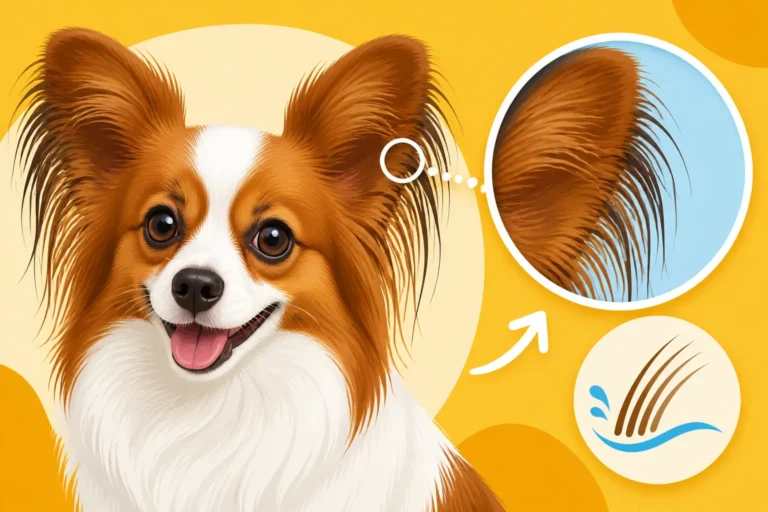
Remember that incredibly fine, silky texture that earned the Papillon its reputation as a "butterfly dog" with delicate, flowing fringes? Well, as they age, that silkiness can start to give way to something a little coarser, a bit drier. It's not that their coat becomes rough or wiry, but it might lose some of its original softness and elasticity. The individual strands of hair can become more brittle, making them more prone to breakage. You might notice this especially around their body, where the hair isn't as long as the fringes, but it can affect the beautiful ear and tail feathering too. This change in texture often means their coat feels less luxurious to the touch and might not drape with the same fluidity it once did. Brushing might even feel a little different, with the brush encountering slightly more resistance.
Thinning and Patchiness: Where the Coat Might Lessen
Another common change in an aging Papillon's coat is a general thinning. While Papillons are known for their relatively low shedding compared to double-coated breeds, you might start to see a bit more hair coming out during brushing or around the house. This thinning often manifests as a reduction in the density of their coat, especially along their back, flanks, and sometimes their belly. For a breed that doesn't have an undercoat, as discussed in A Papillon's Coat Is All Fringe and No Undercoat, this can make the skin more visible beneath the fur.
Sometimes, this thinning can progress to actual patchiness, where certain areas appear noticeably sparser. This isn't always symmetrical and can sometimes be an early warning sign of an underlying health issue, which we'll delve into later. For example, you might notice a thin spot developing on their sides, or their elegant culottes (the feathering on their hind legs) might not be quite as full as they once were. It's crucial to pay close attention to these areas when you're grooming your senior Papillon, as they can be more vulnerable to skin irritation or even sunburn if they spend time outdoors.
Color Variations and Pigmentation Changes
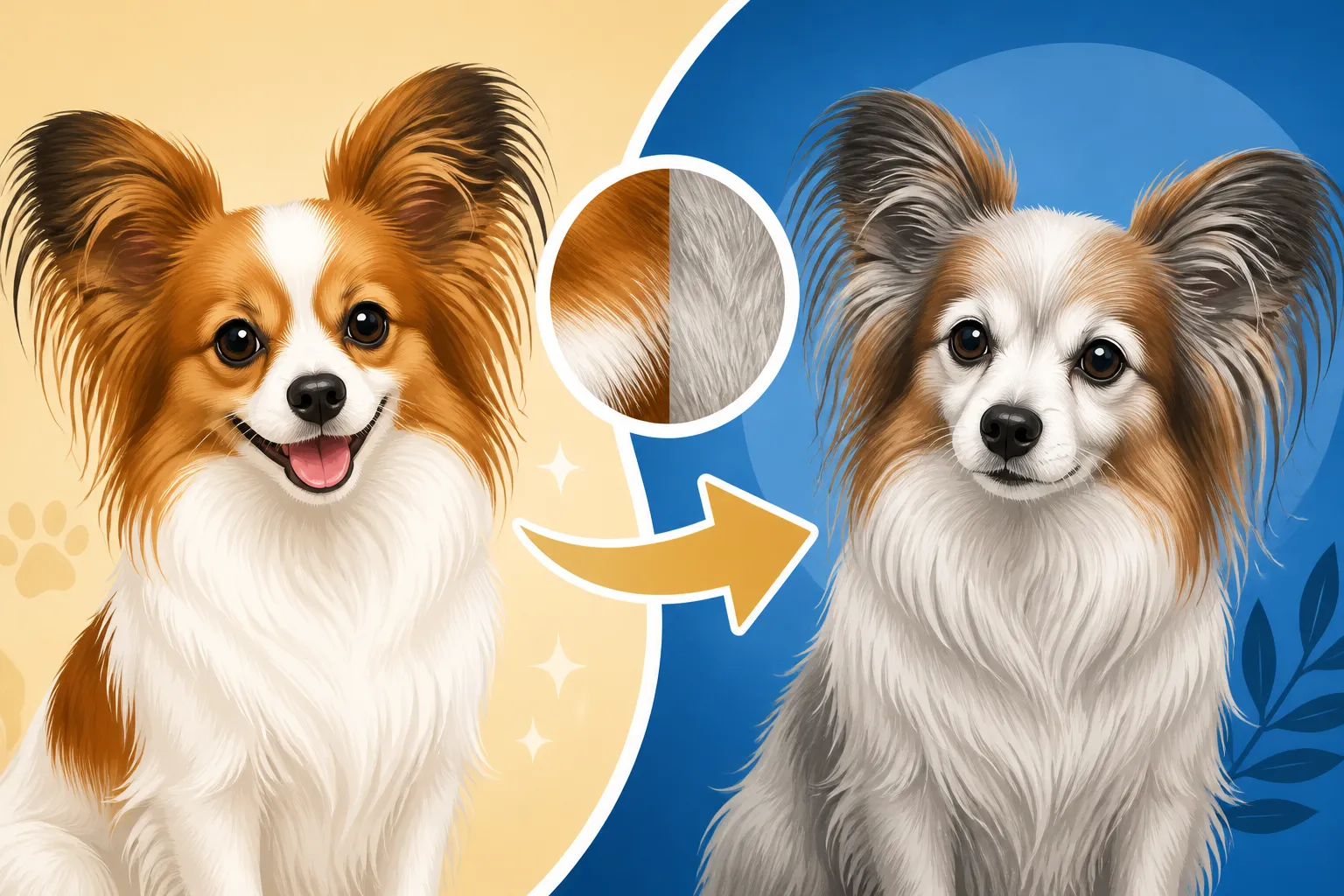
Just like human hair turns gray, a Papillon's coat can undergo significant color shifts as they age. What was once a vibrant, sharply defined pattern might soften and fade, and new colors (or lack thereof) can emerge, telling the story of their years. These changes are usually most apparent in the darker pigmented areas, but even the white sections can take on a slightly duller appearance. It's a natural evolution that adds character to their already expressive faces.
The Arrival of White Hairs: Grays and Fades
The most obvious sign of an aging Papillon is often the appearance of gray or white hairs. This typically starts around the muzzle, eyes, and chin, creating that distinguished "frosty" look that we associate with senior dogs. However, graying isn't always confined to the face. You might start to notice individual white hairs appearing throughout their body coat, subtly blending into their existing colors. Their beautiful ear fringes, which give them their name, might also show a delicate sprinkling of white, softening the edges of their dark butterfly markings. Similarly, the dramatic plume of their tail can begin to lose some of its deep color, becoming interspersed with lighter strands.
Beyond new white hairs, the existing colored patches on your Papillon can also begin to fade. A deep sable might become a lighter fawn, or a rich black could take on a softer, charcoal hue. The crisp lines between colors might blur slightly, giving their coat a more muted, watercolor-like appearance compared to the sharp contrasts of their youth. This fading is a normal process and doesn't usually indicate a health problem on its own, but it's another marker of their journey through life.
Pigmentation Loss: Nose and Eye Rims
Beyond the hair itself, you might also observe changes in your Papillon's skin pigmentation. The most common areas affected are the nose and the rims of their eyes. What was once a solid, inky black nose might start to develop lighter, pinkish patches, sometimes referred to as "snow nose." This can vary with the seasons, sometimes becoming more pronounced in winter. Similarly, the dark pigment around their eyes, which gives them such a striking, intelligent expression, might also lighten, appearing more faded or even patchy.
This loss of pigmentation is usually harmless and an expected part of aging. However, any sudden or dramatic change in nose or eye rim color, especially if accompanied by skin irritation, flaking, or changes in texture, should always prompt a visit to your veterinarian. While often benign, it's good practice to rule out any underlying conditions. Regularly checking these areas as part of your grooming routine, perhaps when you're checking their teeth or eyes, can help you catch any unusual changes quickly.
Common Coat-Related Issues in Senior Papillons
While some coat changes are purely cosmetic and part of the natural aging process, others can signal developing issues or require adjustments in care. Older Papillons, like older people, become more susceptible to certain conditions, and their coat can often be the first place these problems show up. It's vital to stay vigilant and understand what's normal and what might need a vet's attention. After all, their coat isn't just for looking pretty; it's a protective layer and a barometer of their overall health.
Increased Matting and Dryness: A Grooming Challenge
One of the most frustrating, yet common, coat-related issues for owners of senior Papillons is an increase in matting. Even if your Papillon had a relatively easy-care coat in their younger years, you might find mats forming more quickly and in unexpected places as they age. Several factors contribute to this:
- Changes in Coat Texture: As mentioned, the coat can become coarser and more brittle, making individual hairs more prone to tangling and clumping together.
- Reduced Activity: Senior Papillons often move less, sleep more, and might not be as agile. This can lead to them lying in positions that encourage matting, especially behind the ears, under their "armpits," and on their chest frill and culottes.
- Decreased Self-Grooming: Older dogs might not be as meticulous about grooming themselves due to arthritis, dental pain, or simply a general decline in energy. They might not be able to reach certain spots, leaving them more vulnerable to tangles.
- Drier Skin: Senior dogs are more prone to dry skin, which can also contribute to a duller coat and increase the likelihood of matting. You might even notice some flakiness or dandruff.
Dealing with mats on a senior dog requires extra patience and gentleness. Their skin can be thinner and more fragile, and they might have underlying joint pain that makes prolonged grooming sessions uncomfortable. Regular, short brushing sessions are key. You might find a good detangling spray (available on Chewy or Amazon) and a soft pin brush, or even a bristle brush, to be your best friends. Remember that the goal is not just a mat-free coat, but a comfortable dog. If you find a mat that's too tight or painful to remove, it's always better to seek professional help from a groomer or your vet, rather than trying to yank it out yourself.
Health Indicators in the Coat: When to See the Vet
While some coat changes are normal with age, others can be red flags indicating an underlying health problem. It’s important to know the difference. Here’s what to look out for:
- Excessive Shedding or Patchy Hair Loss: Beyond general thinning, if you notice large clumps of hair coming out, or distinct, non-symmetrical bald patches developing, this warrants a vet visit. It could be due to hormonal imbalances (like hypothyroidism or Cushing's disease, which older dogs can develop), allergies, parasites, fungal infections, or even stress.
- Dull, Brittle Coat: A coat that suddenly loses its luster, becomes extremely dry, or breaks easily can be a sign of poor nutrition, internal parasites, or systemic illness. If your Papillon’s coat suddenly looks unhealthy despite consistent grooming, it's time to investigate.
- Changes in Skin Condition: Pay attention to the skin underneath the coat. Redness, inflammation, persistent itching, scabs, bumps, or an unusual odor can all indicate skin infections, allergies, or other dermatological issues that might be more prevalent in older dogs. Whether a Papillon Gets Dry Eye is one example of an eye-related issue that could cause irritation and affect surrounding fur.
- Oily or Greasy Coat: Conversely, a coat that becomes unusually greasy or oily, even shortly after bathing, can also point to certain metabolic or skin conditions.
When in doubt, always consult your veterinarian. Early detection and treatment of underlying health issues can significantly improve your senior Papillon’s comfort and quality of life. Regular wellness exams, including checking What a Papillon's Yearly Bloodwork Should Cover, are even more important for older dogs.
| Coat Characteristic | Younger Papillon (Approx. < 8 years) | Senior Papillon (Approx. 8+ years) |
|---|---|---|
| Texture | Silky, fine, soft, pliable | Slightly coarser, drier, more brittle |
| Density | Full, dense, flowing | Thinner, less voluminous, potentially patchy |
| Color (Dark Areas) | Vibrant, rich, sharply defined | Faded, muted, interspersed with white hairs |
| Color (White Areas) | Bright white | Can become duller, sometimes yellowish |
| Muzzle/Eye Pigment | Solid black | May lighten, "snow nose," fading eye rims |
| Matting Tendency | Low to moderate (with regular care) | Higher, especially in friction areas |
| Overall Luster | High sheen, lustrous | Can appear duller, less vibrant |
Adapting Your Grooming Routine for a Senior Papillon
Caring for an aging Papillon’s coat isn’t just about aesthetics; it’s about their comfort and health. The grooming routine you had for your spry young butterfly might need a few adjustments as they enter their golden years. Remember, they’re not as flexible, their skin might be more sensitive, and patience is key. The goal is to make grooming a positive, gentle experience that supports their well-being. This is a crucial part of Caring for an Aging Papillon.
Gentle Brushing and Specialized Products
Regular brushing remains essential, but the approach should become even gentler. Instead of long, vigorous sessions, aim for shorter, more frequent brushes, perhaps daily for just a few minutes. This prevents matting without tiring out your dog or putting strain on aching joints. A soft-bristled brush or a gentle pin brush will be less irritating on sensitive skin than a slicker brush, especially if their coat has thinned. When it comes to Which Brush a Papillon Needs, a good quality natural bristle brush can be perfect for stimulating circulation and distributing natural oils without pulling.
Consider incorporating a leave-in conditioner or a detangling spray into your routine, which you can easily find on Chewy or Amazon. These products can help moisturize dry fur, reduce static, and make brushing through delicate fringes much easier. Spritz a little on their coat before you begin, focusing on areas prone to matting like behind the ears, under the "armpits," and their magnificent tail plume. If your Papillon has particularly dry skin, a soothing, moisturizing shampoo (ask your vet for recommendations, or look for oat-based options on Chewy when considering Which Shampoo Suits a Papillon's Coat) during their bath can also be very beneficial. Remember, regular bathing is still important, but How Often a Papillon Should Be Bathed might need to be adjusted based on their skin and coat needs.
When brushing, always work in small sections, gently separating any tangles with your fingers before using the brush. Support their body if they're standing, or let them lie down comfortably on a soft mat or bed. Pay close attention to their ear fringes, chest frill, and culottes – these are often the first places to mat. If you notice any signs of discomfort, take a break and resume later. The key is to keep it positive and pain-free.
Nutritional Support for Coat Health
Diet plays a huge role in the health and appearance of your Papillon’s coat at any age, but it becomes even more critical in their senior years. A well-balanced diet rich in essential nutrients can help maintain skin integrity and coat luster, even as age takes its toll. Many commercial senior dog foods are formulated with ingredients that support these needs.
Look for foods that contain omega-3 and omega-6 fatty acids, often listed as fish oil, flaxseed, or sunflower oil. These healthy fats are crucial for skin hydration and coat shine. You can also consider adding a supplement if your vet approves; many joint supplements (important if you're thinking Whether a Papillon Needs Joint Supplements) also contain these beneficial oils. Brands like Ollie, which offer fresh, customized meal plans, often incorporate ingredients known for their skin and coat benefits, like salmon and various vegetables.
Ensuring your senior Papillon is well-hydrated is equally important. Adequate water intake helps maintain skin elasticity and overall health, which directly impacts the coat. Always ensure fresh water is available. If your Papillon is a picky eater or you're starting to notice that Whether an Aging Papillon Needs Softer Food is becoming an issue, discuss dietary changes with your vet to ensure they're still getting all the necessary nutrients to keep their coat, and their body, as healthy as possible.
Disclaimer
This article is for general informational purposes only and does not constitute professional advice. Laws, prices and regulations vary by location and change over time. Consult a qualified professional for guidance on your specific situation.