Whether a Papillon Feels the Cold
It's a common worry for Papillon parents: "Are those delicate, butterfly-eared darlings truly feeling the chill more than a big, burly Malamute?" You look at their dainty frame, their single coat of silky hair, and those magnificent, feathered ears, and it’s easy to assume they’re constantly shivering. This guide is here to shed light on how Papillons cope with cold weather, what their unique physiology means for their warmth, and how you can ensure your little companion stays cozy and comfortable, no matter the temperature.
Understanding the Papillon's Unique Physiology and Cold Tolerance
When we talk about whether a Papillon feels the cold, we're not just guessing; we're looking at their physical makeup. These are not dogs bred for arctic expeditions. Their genetics and standard features tell us a lot about their natural resistance – or lack thereof – to low temperatures. It’s important to remember that a Papillon is a toy breed, and that classification often comes with certain sensitivities.
The Papillon's Fine, Single Coat: No Built-In Insulation
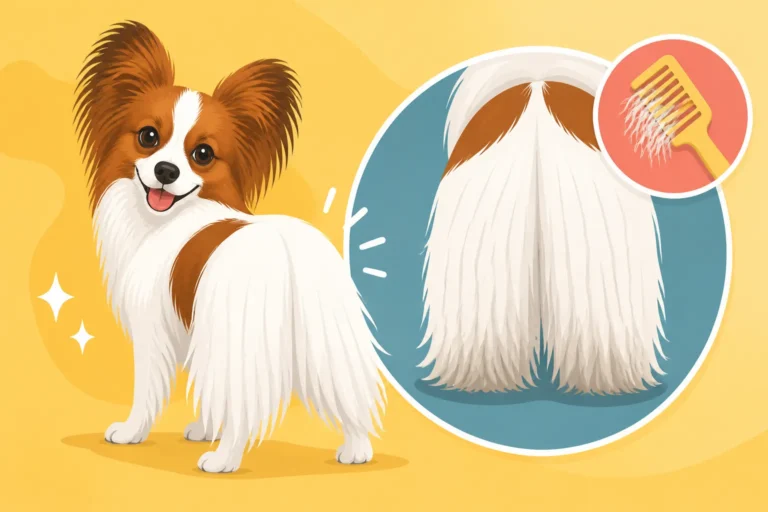
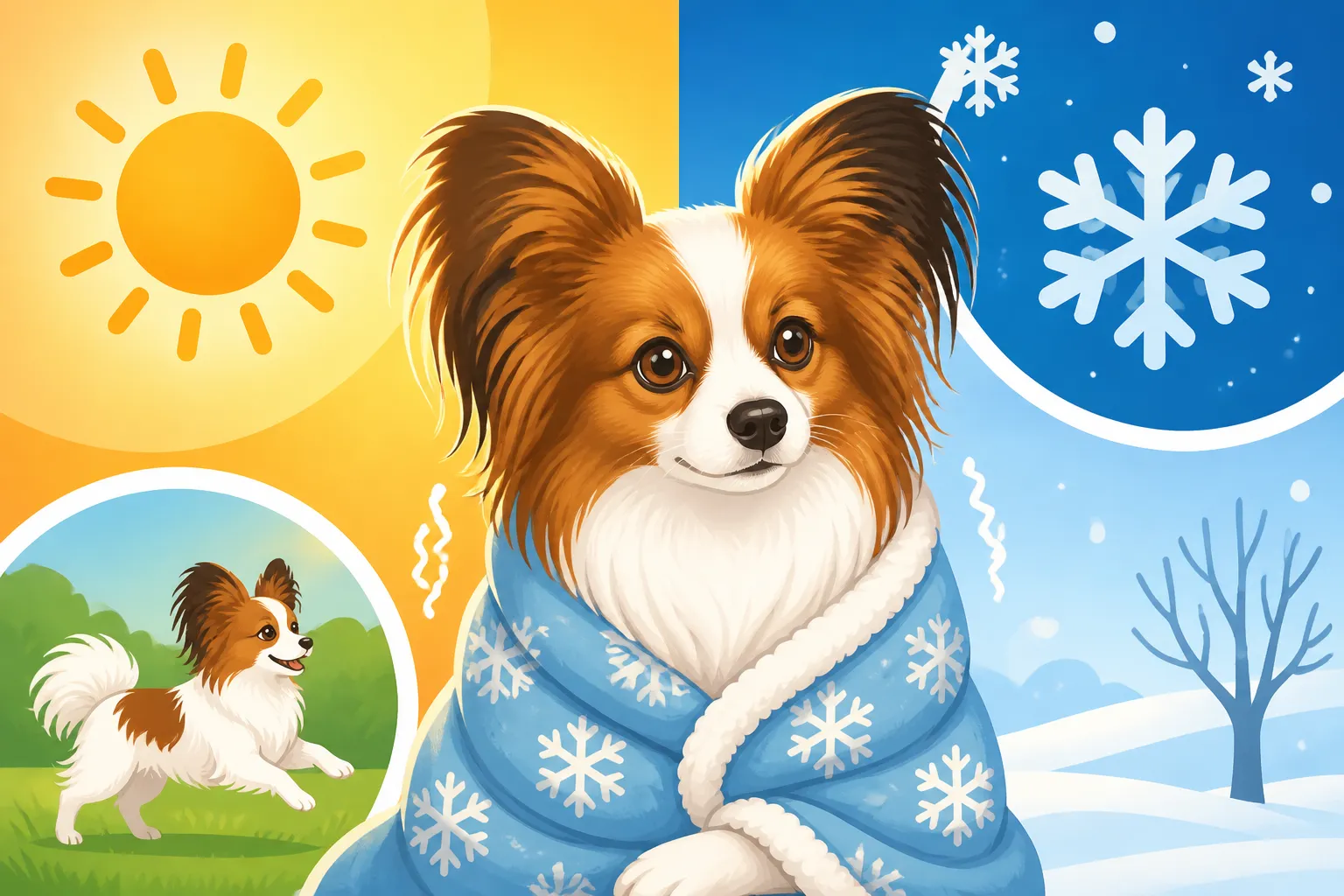
Unlike many northern breeds, the Papillon boasts a long, flowing, single coat. This means they don't have the dense, woolly undercoat that acts as a natural insulator for dogs like Huskies or Samoyeds. Their coat is beautiful, undeniably, and gives them that ethereal, elegant look, but when it comes to keeping warm, it's more like a stylish silk scarf than a heavy winter parka.
Think about it: have you ever worn a silk blouse in winter? It feels lovely, but it does absolutely nothing to stop the biting wind from reaching your skin. That's essentially what your Papillon's coat does for them. It offers some protection from direct exposure, but it won't trap body heat efficiently. This is especially true for their legs and belly, which are often less heavily feathered. A Papillon's Coat Is All Fringe and No Undercoat delves deeper into what makes their coat unique.
Small Body Mass and Heat Loss: The Surface Area Effect
The science is simple: smaller objects lose heat faster than larger ones, assuming similar insulation. A Papillon, typically weighing between 5 to 10 pounds and standing around 8 to 11 inches tall, has a large surface area relative to its small body mass. This makes them highly efficient at losing heat to the environment. Their small stature, while making them incredibly portable and charming, means they don't have a lot of body volume to generate and retain warmth.
Imagine trying to keep a small cup of hot coffee warm versus a large thermos. The small cup cools down much quicker. Your Papillon is like that small cup – their internal furnace simply isn't big enough to maintain core temperature easily when external temperatures drop significantly. This is a primary reason why you'll often find them snuggled deep under blankets or curled up on your lap, seeking external warmth.
The Iconic Butterfly Ears: More Than Just Pretty
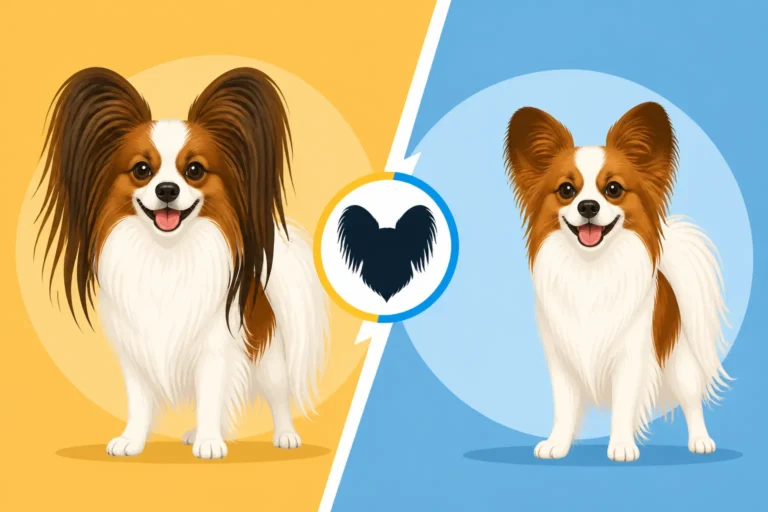
Those magnificent, erect, fringed ears that give the Papillon its name are certainly a breed hallmark. They're stunning, like delicate butterfly wings. However, from a heat retention standpoint, they are a liability. Large, exposed ears like theirs have a high surface area and are rich in blood vessels, meaning they can be a significant source of heat loss.
Compare this to a dog with small, rose-shaped ears, or heavy drop ears that are covered in thick fur. Those ears offer much more protection. A Papillon's ears are designed for hearing and beauty, not for bundling up against a blizzard. You might notice their ears feeling cooler to the touch than other parts of their body on a chilly day, indicating heat dissipation. This is why some owners even opt for snoods or ear coverings in extremely cold conditions, although this is more common for show dogs to protect the fringe from snow and ice than for daily wear.
Recognizing the Signs Your Papillon is Too Cold
It's one thing to understand the theory of why Papillons feel the cold, but it's another to spot the practical signs your own dog is struggling. They can't tell you in words, so it's up to us as their guardians to learn their language. Ignoring these signs can lead to discomfort, or in extreme cases, more serious health issues like hypothermia. Pay close attention to their body language and subtle cues.
Shivering and Hunching: Obvious Indicators of Discomfort
The most obvious sign your Papillon is too cold is shivering. Just like humans, dogs shiver involuntarily to generate heat when their body temperature drops. It's their body's way of trying to warm itself up. This might be accompanied by a hunched posture, where they try to make themselves as small as possible, tucking their tail between their legs and drawing their limbs in close to their body. This reduces their exposed surface area, a natural instinct to conserve warmth.
You might also notice them lifting paws off cold ground, or trying to walk on tiptoes to minimize contact. This isn't just a funny quirk; it's a clear signal that the ground is uncomfortably cold for their little paw pads. If you see these signs, it's time to take action and get them somewhere warmer.
Behavioral Changes: Seeking Warmth and Reduced Activity
A cold Papillon will often become very focused on finding warmth. This might mean burrowing deep into blankets, trying to get under furniture, or stubbornly refusing to move from a sunny spot on the floor. They might also try to climb onto your lap or snuggle against you more than usual, seeking your body heat. Some Papillons are expert blanket burrowers, diving headfirst into any soft pile, demonstrating their innate drive to find a cozy nook. Whether a Papillon Burrows Under Blankets explores this adorable habit in more detail.
Conversely, a cold Papillon might also become lethargic or reluctant to participate in their usual activities. If your normally energetic little sprite suddenly doesn't want to play fetch, or seems sluggish on a walk, and the weather is cool, cold could be the culprit. A dog that's too cold will prioritize conserving energy over playful antics. Their movements might be stiff or slow, and they might seem generally subdued.
Physical Telltales: Cold Extremities and Dry Skin
Beyond shivering and behavioral changes, you can often feel physical signs that your Papillon is cold. Gently touch their ears, paw pads, and the tip of their tail. If these areas feel noticeably cold to the touch, it's a good indication their body is trying to restrict blood flow to the extremities to keep their core warm. This is a natural protective mechanism, but it means they're already expending energy to stay warm.
In very cold, dry weather, you might also notice their skin becoming a bit dry or flaky, especially if they are frequently outside without proper protection. This is less a direct sign of cold and more a secondary effect of harsh weather conditions. Regularly checking their paw pads for cracks or dryness after walks in cold weather is also a good practice, as these can become painful.
Practical Strategies for Keeping Your Papillon Warm
Okay, so we know Papillons can get chilly. The good news is there are plenty of practical, easy ways to help them stay toasty. It's all about proactive measures and creating a comfortable environment both indoors and out. A little planning goes a long way in ensuring your Papillon is happy and healthy year-round.
Indoor Comfort: Bedding, Blankets, and Temperature Control
Inside the home, simple adjustments can make a world of difference. Provide your Papillon with soft, plush bedding that they can sink into, ideally with raised sides to help them feel secure and protected from drafts. Many Papillons adore burrowing, so having a bed with a built-in "hood" or a pile of blankets they can dig into is often a huge hit. You can find excellent options for cozy beds and warm blankets on sites like Chewy, which often stock a wide range of sizes and materials perfect for small breeds.
Consider the ambient temperature of your home. While you might be comfortable at 68-70 degrees Fahrenheit, your small Papillon might prefer it a little warmer, especially if they spend a lot of time lounging. If your home tends to be drafty, particularly near windows or doors where your Papillon's bed might be, consider relocating their sleeping area or using draft stoppers. Small, pet-safe heating pads (always with an automatic shut-off and covered with a blanket) can also be a wonderful addition for extra warmth, particularly for older Papillons.
The Power of Sweaters and Coats: Fashion Meets Function
This is where Papillons truly shine in their winter wardrobe! Sweaters, coats, and even little jackets aren't just for looking cute – for a Papillon, they are essential cold-weather gear. A well-fitting sweater can make a significant difference, especially if you're taking them outside for a potty break or a short walk when it's brisk. Look for materials that offer good insulation without being too bulky, allowing for freedom of movement.
When choosing a coat, consider one that covers their belly as well as their back, as this area is often less protected by their natural fur and close to the cold ground. A waterproof or water-resistant outer layer is a huge bonus if you live in an area with snow or rain. Always ensure the clothing fits properly – not too tight, which can restrict movement or circulation, and not too loose, which could get tangled or become ineffective. You can find a vast selection of dog clothing on Amazon, often with sizing guides to help you pick the perfect fit for your dainty friend. Whether a Papillon Needs a Coat in Winter elaborates on selecting the right attire.
Creating Warm Resting Spots: Sunbeams and Snuggly Spaces
Papillons are masters of finding the warmest spots in the house. You'll often see them gravitating towards sunbeams that stream through windows, absorbing every last ray of warmth. Encourage this behavior by ensuring these spots are accessible and comfortable. You might even place a soft blanket or a small, low-profile bed in a sunny area.
Beyond sunbeams, think about where they naturally gravitate. Do they love to curl up on the sofa next to you? Ensure you have a soft throw blanket ready for them to snuggle into. Is there a particular chair they favor? Add a warm cushion. The goal is to create multiple inviting, warm sanctuaries around your home where your Papillon can retreat to when they feel a chill. Elevated dog beds, often made with mesh or fabric, can also keep them off cold tile or hardwood floors, especially if combined with a cozy pad.
Outdoor Considerations for Papillons in Cold Weather
Taking your Papillon outdoors in cold weather requires a bit more thought than just clipping on a leash. Their small size and delicate nature make them more vulnerable to the elements, from icy pavements to biting winds. It's crucial to adapt your outdoor routine to protect them from the cold's potential hazards.
Short and Sweet Potty Breaks: Minimize Exposure
When temperatures drop significantly, those leisurely sniff-and-stroll potty breaks need to become more efficient. Your Papillon doesn't have the same tolerance for standing around in the cold as a larger dog. Take them out, encourage them to do their business quickly, and then bring them back inside to warmth. On truly frigid days, even a few minutes can be too much.
Consider investing in an indoor potty solution if outdoor conditions are consistently severe. While most Papillons prefer to go outside, having a backup plan like pee pads, especially if purchased from Chewy or a similar pet supply retailer, can be a lifesaver on days when it's simply too dangerous or uncomfortable to be out. Remember, their tiny bladders might also feel the cold more, prompting more frequent urges.
Protecting Paws: Ice, Salt, and Chemicals
The ground can be a major source of cold for your Papillon, and not just from temperature. Ice, snow, and the chemicals used to melt them (like rock salt or antifreeze) can be painful and even toxic to their delicate paw pads. This is where dog boots become incredibly important. While some dogs resist them at first, getting your Papillon used to wearing boots can save their paws from abrasions, frostbite, and chemical burns.
If boots aren't an option, be diligent about cleaning their paws thoroughly after every outdoor excursion. A warm, damp cloth will remove any ice, salt, or de-icing agents. You can also apply a paw balm before walks to create a protective barrier. Always check between their toes for ice balls or compacted snow, which can be very uncomfortable and even cause lameness. Whether a Papillon Can Walk in Snow discusses further considerations for snowy conditions.
Monitoring Wind Chill and Frostbite Risk: Beyond Temperature Alone
It's not just the thermometer reading you need to pay attention to; wind chill can make an already cold day feel absolutely brutal for a Papillon. A calm, chilly day is one thing, but a windy, chilly day is another entirely. Wind penetrates their single coat, stripping away any trapped warmth much faster. On particularly windy days, consider a thicker, windproof coat or skipping the outdoor walk altogether in favor of indoor play.
Frostbite is a real risk for small dogs like Papillons, especially on their exposed ears, tail tip, and paw pads. If these areas look pale, waxy, or blue, and feel extremely cold or numb, seek veterinary attention immediately. Always err on the side of caution. If it feels too cold for you to be outside for an extended period without proper gear, it's definitely too cold for your Papillon, regardless of how cute they look in their little jacket.
Dietary and Health Aspects Affecting Cold Tolerance
Beyond external measures, a Papillon's internal health and diet play a significant role in their ability to handle cold temperatures. A well-nourished, healthy dog is better equipped to regulate its body temperature and fend off the chill.
Energy for Warmth: Quality Nutrition is Key
Metabolism is essentially your dog's internal furnace, converting food into energy, some of which is heat. A healthy, balanced diet provides the necessary fuel for this process. While Papillons are small and don't require vast quantities of food, the quality of their diet is paramount. Ensuring they receive adequate calories and nutrients can help their body generate and maintain warmth more effectively.
Consider high-quality small-breed specific kibble, or even fresh food options from brands like Ollie, which can provide nutrient-dense meals. Discuss with your vet if a slight increase in food intake is advisable during very cold periods, particularly if your dog is spending more time outside or seems to be struggling to maintain weight. However, be cautious not to overfeed, as excess weight brings its own set of health problems, including added strain on their joints. Feeding a Papillon That Weighs Seven Pounds offers guidance on their dietary needs.
Age and Health Conditions: Increased Vulnerability
Both very young puppies and senior Papillons are more vulnerable to cold temperatures. Puppies have less body fat, a less developed thermoregulatory system, and can be prone to hypoglycemia, which further impairs their ability to stay warm. Close monitoring and extra warmth are crucial for little ones.
Senior Papillons, on the other hand, may have reduced muscle mass, slower metabolisms, and underlying health conditions like arthritis or heart disease that make them less resilient to cold. Their circulation might not be as efficient, and they may struggle to move around to generate warmth. For these older companions, the need for cozy beds, sweaters, and careful monitoring is even greater. Caring for an Aging Papillon provides comprehensive advice for senior care. If your older Papillon seems especially sensitive to the cold, mention it to your vet during their regular check-ups. What Changes in an Aging Papillon's Care is also a useful resource here.
Hydration and Overall Wellness: Supporting Internal Systems
It might seem counterintuitive, but proper hydration is just as important in cold weather as it is in hot weather. Dehydration can affect a dog's overall metabolic functions, including their ability to regulate body temperature. Ensure your Papillon always has access to fresh, clean water, and check that their water bowl isn't getting too cold or even freezing if it's placed near a drafty area or outdoors.
Maintaining overall wellness through regular vet check-ups, appropriate vaccinations, and parasite prevention also contributes to a stronger immune system, which can be under more strain during colder months. A healthy Papillon is simply better equipped to handle environmental challenges, including temperature fluctuations. Discuss any concerns about your Papillon's cold tolerance with your veterinarian, as sometimes an underlying health issue could be contributing to excessive shivering or discomfort.
Debunking Myths and Common Misconceptions
There are many assumptions floating around about small dogs and cold weather, some of which can be detrimental if not properly understood. Let's clear up a few of these, so you can make informed decisions for your Papillon's comfort and health.
"Small Dogs Are Always Cold": Not Necessarily, But Often True
While it's not a universal truth that all small dogs are always cold, it's fair to say that Papillons, due to their specific breed characteristics, are indeed more susceptible to feeling cold than many other breeds. The myth part comes in when people assume it's just about their size. It's the combination of their toy size, single coat, and large, exposed ears that makes them particularly sensitive.
So, while a tiny Poodle with a dense, curly coat might handle cold better than a smooth-coated Chihuahua, a Papillon generally falls on the more sensitive end of the spectrum. It's important not to generalize too much but to understand your specific dog's breed traits. Always observe your Papillon's individual reactions, as some may be hardier than others, but be prepared for them to need extra warmth.
"If They're Shivering, They're Just Cold": It Could Be More
While shivering is a primary indicator of cold, it's important to remember that it can also be a sign of other issues. Excitement, fear, stress, pain, or even certain medical conditions (like hypoglycemia, which Papillon puppies can be prone to) can cause shivering. If your Papillon is shivering indoors in a warm environment, or if the shivering is accompanied by other symptoms like lethargy, vomiting, or diarrhea, it's definitely time for a vet visit.
Always consider the context. Is it a cold day and your Papillon has been outside? Then cold is the most likely culprit. Is your Papillon shivering violently while hiding under the bed during a thunderstorm? Then fear is probably the cause. Learning to distinguish between these scenarios is key to providing the right care.
"Their Fur Protects Them Enough": The Undercoat Difference
Many people see a Papillon's long, flowing fur and assume it provides ample protection. While it certainly looks luxurious, as discussed earlier, the lack of an undercoat is a crucial distinction. Their single layer of hair, no matter how long, doesn't trap warm air against the body in the same way a double coat does. This is why a simple sweater or coat often makes such a significant difference for them.
It’s like the difference between wearing a thin wool scarf versus a thick, down-filled jacket. Both offer some protection, but one is clearly more effective at insulating. For your Papillon, that external layer of clothing is often their equivalent of a proper winter jacket, making up for what their natural coat lacks.
"They'll Just Get Used to It": Acclimatization Has Limits
While dogs can acclimatize to some extent to gradual changes in temperature, there are definite limits, especially for a breed like the Papillon. You can't simply expose them to increasingly colder temperatures and expect them to suddenly develop a tolerance. Their physiology dictates a baseline sensitivity to cold that cannot be overcome through "toughing it out."
Trying to force a Papillon to endure cold conditions without proper protection can lead to unnecessary suffering and health risks. Instead of expecting them to "get used to it," it's our responsibility to provide the necessary accommodations – warm clothing, a cozy home, and common-sense limitations on cold-weather exposure – to ensure their comfort and well-being.
| Factor Affecting Cold Tolerance | Impact on Papillon | Recommended Action |
|---|---|---|
| Coat Type | Single, no undercoat, minimal insulation | Use sweaters/coats for outdoor time; ensure warm indoor bedding. |
| Body Size | Small mass, high surface area, rapid heat loss | Provide cozy, contained sleeping areas; limit prolonged outdoor exposure. |
| Ear Type | Large, erect, exposed, heat dissipation | Monitor ears for extreme cold; consider snoods in severe conditions. |
| Metabolism/Diet | Requires consistent energy to generate heat | Feed high-quality, nutrient-dense food; discuss winter diet adjustments with vet. |
| Age | Puppies & seniors more vulnerable | Extra warmth for puppies; heated beds & frequent checks for seniors. |
| Health Status | Underlying conditions reduce resilience | Maintain regular vet check-ups; address health issues promptly. |
| Outdoor Elements | Wind chill, ice, salt are hazardous | Use coats, boots; clean paws after walks; shorten outdoor time. |
Conclusion: Ensuring Your Papillon's Winter Well-being
It's clear that Papillons do, indeed, feel the cold, and often more acutely than many other breeds. Their charming small size, elegant single coat, and distinctive butterfly ears, while contributing to their unique beauty, also make them particularly vulnerable to low temperatures. Recognizing the signs of discomfort, from shivering and hunching to a reluctance to move, is paramount to their well-being.
Thankfully, with a little foresight and preparation, keeping your Papillon warm and comfortable is entirely manageable. From providing snug indoor sanctuaries with plush beds and blankets to dressing them in functional and fashionable sweaters and coats for outdoor excursions, you have many tools at your disposal. Paying attention to paw protection, understanding the impact of wind chill, and ensuring they receive proper nutrition and veterinary care all contribute to their ability to thrive in colder climates.
By being mindful of their unique needs and making simple adjustments to their care routine, you can ensure your beloved Papillon remains the happy, spirited companion you know and love, regardless of what the thermometer says outside.
Disclaimer
This article is for general informational purposes only and does not constitute professional advice. Laws, prices and regulations vary by location and change over time. Consult a qualified professional for guidance on your specific situation.