Whether a Papillon Needs a Coat in Winter
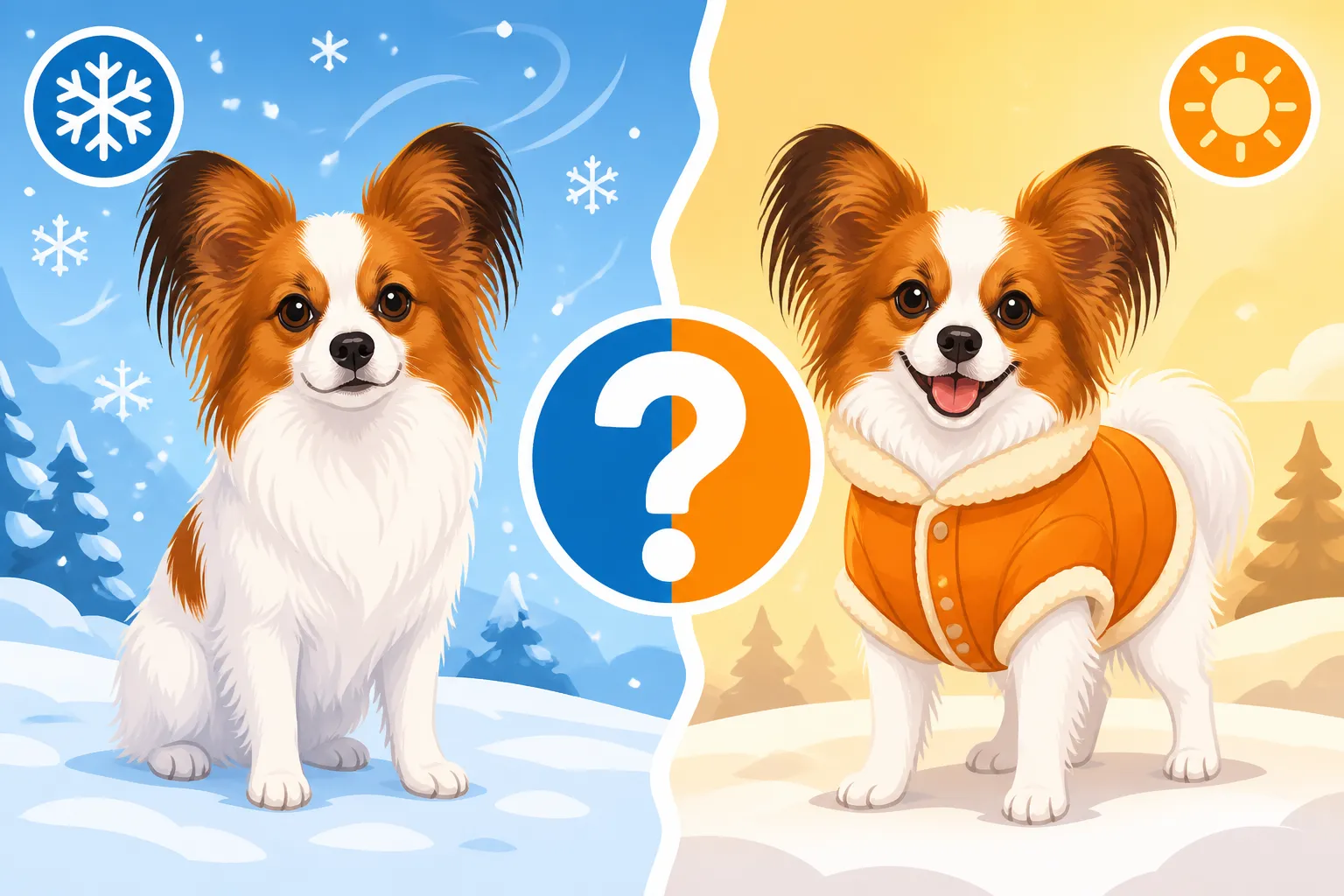
It’s a common sight for us Papillon lovers: the weather takes a dip, and suddenly our tiny, elegant butterfly dogs look a little too delicate out there. You see them shivering, perhaps hunching their shoulders, and you can’t help but wonder if that beautiful, flowing coat is truly enough to keep them warm when the mercury drops. This guide is here to unravel that mystery, offering practical advice on understanding your Papillon’s cold tolerance and making sure they're snug and safe all winter long.
Why Your Papillon Might Be Feeling the Chill
Let's be real, Papillons aren't exactly built for arctic expeditions. While they have a gorgeous, flowing coat, it's very different from, say, a Siberian Husky's. Understanding their unique physiology is the first step to ensuring their comfort in colder temperatures.
Their Delicate Build and Single Coat
One of the most defining characteristics of a Papillon, beyond those magnificent ears, is their petite size and delicate bone structure. They typically weigh in at just a few pounds, meaning they have a relatively large surface area compared to their small body mass. Think about it: a bigger dog has more bulk to retain heat. A Papillon, with its slender frame, simply doesn't have that natural insulation.
What truly sets them apart from many cold-hardy breeds is their coat type. A Papillon’s coat is described as a single coat, meaning it lacks the dense, fluffy undercoat that acts as a primary insulator for dogs like Northern breeds or even many mixed breeds. Instead, their coat is long, silky, and elegant, flowing like a beautiful mantle. While it offers some protection, it's primarily designed for aesthetics and to shed water, not to trap a layer of warm air against the skin. This means that when the wind whips up or the snow falls, their fine hair isn't doing the heavy lifting of keeping them warm. It’s like us wearing a silky evening gown in a blizzard – it looks great, but it's not practical for warmth. This is why you might see a chill even if their coat looks luxurious. A Papillon's Coat Is All Fringe and No Undercoat can tell you more about this unique coat.
Metabolism and Heat Loss
Tiny dogs like Papillons also have a very high metabolism, which in some ways helps them generate heat. They burn calories quickly to keep their internal furnace running. However, this high metabolism also means they can lose heat rapidly, especially from their extremities and any areas not covered by their flowing coat, like their belly or paw pads.
Imagine your Papillon prancing through crisp autumn leaves or making quick dashes in the snow. Their little bodies are working hard to maintain a core temperature, but they're constantly battling heat loss to the cold air, ground, and any moisture. Their small paws, delicate ears (even the feathered ones), and thin skin on their bellies are particularly vulnerable. Just a few minutes of exposure can be enough for them to start feeling uncomfortable, especially if they're not actively moving. You can dive deeper into how their bodies handle the cold in How Long a Papillon Can Stay Out in Cold.
Individual Differences: Age, Health, Activity Level
It’s also important to remember that not all Papillons are created equal when it comes to cold tolerance. Just like people, individual dogs have varying sensitivities. A robust, active young Papillon might tolerate a chilly walk better than an older, less active one. An aging Papillon, for example, might have a slower metabolism, less muscle mass, and potentially underlying health conditions that make them much more susceptible to the cold. Caring for an Aging Papillon goes into more detail about how their needs change as they get older.
Similarly, a Papillon recovering from an illness or with certain medical conditions, even mild ones, might struggle more in cold weather. Always consider your individual dog's health history. Puppies, too, are more vulnerable, as their thermoregulation systems aren't fully developed. Their smaller size and less mature bodies mean they can get cold much faster. Knowing your specific Papillon's quirks and health status is key to deciding whether a winter coat is merely a fashion statement or a necessity.
Signs Your Papillon is Cold
Your Papillon can’t tell you in words that they're freezing, but they certainly communicate it through their body language and behavior. Learning to recognize these subtle (and sometimes not-so-subtle) cues is crucial for their well-being. Don't wait for extreme shivering; often, the signs are much more nuanced.
Behavioral Clues
One of the most common behavioral indicators that your Papillon is feeling cold is a change in their posture or activity level. You might see them hunching their back, tucking their tail tightly between their legs, or lifting one paw off the ground, then another, trying to minimize contact with the cold surface. They might also become visibly anxious or uncomfortable outdoors, eager to cut their walk short and head back inside.
Inside, if they're still feeling chilled, they might seek out warm spots in your home – burrowing under blankets, trying to climb into your lap more frequently, or curling up tightly in their bed. Sometimes, they might pace or seem restless, unable to get truly comfortable. Watch for any unusual reluctance to play or engage, which could be a subtle sign of discomfort. If your normally energetic Papillon seems subdued after coming in from the cold, it's a good bet they were too chilly.
Physical Indicators
Beyond behavior, there are several physical signs that can tell you your Papillon is cold. The most obvious is shivering or trembling, which is their body's way of trying to generate heat through rapid muscle contractions. However, don't wait for this; it often means they're already quite cold.
Pay attention to their extremities. Cold ears, particularly the tips, a cold nose, or paw pads that feel unusually chilly to the touch are strong indicators. Gently feel these areas after they've been outside. Their skin might also feel cool, especially on their belly where the fur is sparse. In very cold conditions, you might even notice their gums or tongue looking paler than usual, which is a more serious sign of hypothermia. If you suspect hypothermia, warm your dog slowly and contact your vet immediately.
Reluctance to Go Outside
This is perhaps one of the clearest signals a Papillon can send. Most Papillons are quite keen on their walks and outdoor adventures. If your usually enthusiastic dog hesitates at the door, tries to turn back inside, or actively resists going out when it’s cold, that’s a pretty definitive statement. They know what’s coming, and they’re not looking forward to it.
They might even refuse to do their business quickly, trying to hold it until they can sprint back indoors. This isn’t stubbornness; it’s genuine discomfort. If your Papillon consistently exhibits this reluctance, it’s a strong sign that they need additional protection from the elements, whether it's a warmer coat, booties, or simply shorter, more frequent trips outside. Paying attention to these signals not only keeps them warm but also builds trust between you and your sensitive companion.
Choosing the Right Winter Wear for Your Papillon
Deciding that your Papillon needs a winter coat is just the first step. With so many options out there, how do you choose the right one? It’s not just about looks; it’s about material, fit, and functionality.
Material Matters: Wool, Fleece, and Waterproof Exteriors
When selecting a winter coat for your Papillon, the material is paramount. Different materials offer different levels of warmth and protection.
- Fleece: This is a fantastic option for milder cold days or as an insulating layer under a waterproof coat. Fleece is lightweight, soft, and excellent at trapping body heat. It's comfortable for your Papillon to move in, making it ideal for indoor wear on a chilly day or for short outdoor excursions when it's just crisp, not wet. Brands like Chewy often have a great selection of fleece vests and sweaters in various sizes perfect for small dogs.
- Wool/Wool Blends: Natural wool is an incredible insulator, even when damp. A wool sweater or coat can provide significant warmth. However, pure wool can sometimes be scratchy for sensitive skin or prone to shrinking, so blends are often a good compromise, offering warmth with added durability and softness.
- Waterproof/Water-Resistant Exteriors: For wet snow, sleet, or freezing rain, a waterproof outer layer is non-negotiable. If your Papillon’s beautiful long coat gets soaked, it loses almost all its insulating properties, and they'll get cold very quickly. Look for coats with a durable, water-repellent shell, often made of nylon or polyester, with a warm lining like fleece or faux shearling. This combination protects against both cold and moisture, which is especially important for Whether a Papillon Can Walk in Snow.
Consider the conditions your Papillon will be in most often. If it's mostly dry, cold walks, fleece or wool might suffice. If you live somewhere with frequent wet winter weather, a waterproof coat with a warm lining is the way to go.
Fit and Coverage: Neck, Chest, Belly, Back
A coat is only effective if it fits properly and covers the right areas. For a Papillon, whose body is small and has a distinct shape, this is particularly important.
- Snug, Not Tight: The coat should fit snugly enough to trap heat but not be so tight that it restricts movement or causes chafing. You should be able to comfortably slide two fingers under any straps or edges.
- Full Back Coverage: The coat should ideally extend from the base of their neck all the way to the base of their tail. This covers their spine and vital organs, maximizing warmth.
- Chest and Belly Protection: Many small dogs, Papillons included, have very little fur on their undersides. A coat that offers good chest and belly coverage is crucial for keeping their core warm. Look for styles that wrap around the chest and extend under the belly, often fastening on the back. This prevents cold air and snow from hitting their most vulnerable areas.
- Neck Coverage: A high collar or neck warmer on a coat can make a significant difference, especially if your Papillon has short hair on their neck or is particularly sensitive to drafts.
A poorly fitting coat can be worse than no coat at all, as it won't provide adequate warmth and could even be uncomfortable or unsafe if it trips them up. Many brands found on platforms like Amazon offer detailed sizing charts – always measure your Papillon carefully (neck circumference, chest girth, and back length) before purchasing. What a Papillon Weighs and How Tall It Stands can give you a general idea of their typical size.
Styles for Different Conditions: Sweaters vs. Full Coats
The choice between a sweater and a full coat often depends on the temperature, precipitation, and your Papillon's activity level.
- Sweaters: These are fantastic for indoor warmth, crisp dry days, or as an extra layer under a full coat. They're typically made of knit fabrics, fleece, or wool blends. Sweaters are great for lounging around a cool house or for quick potty breaks when it’s chilly but not freezing or wet. They offer good freedom of movement, which is important for a playful Papillon.
- Full Coats/Jackets: These are designed for more serious weather. They usually feature an outer shell that's water-resistant or waterproof, often with a warm lining. Full coats are essential for walks in snow, rain, or very cold, windy conditions. They often have stronger fastenings (velcro, buckles) and some might include a harness opening, reflective strips for visibility, or even leg coverings.
- Parkas/Puffers: For extreme cold, a puffer-style jacket offers superior insulation with its baffled construction and synthetic down filling. These are the warmest option and perfect for very low temperatures.
Here's a quick comparison:
| Feature | Sweater | Full Coat/Jacket |
|---|---|---|
| Primary Use | Indoor warmth, mild dry cold, layering | Outdoor protection in cold, wet, or snowy conditions |
| Material | Fleece, knit, wool blends | Waterproof/resistant exterior, warm lining (fleece, faux fur) |
| Coverage | Good back/chest, often less belly | Excellent back/chest/belly, sometimes neck |
| Waterproof? | Generally no | Yes (or highly resistant) |
| Bulk/Flexibility | Low bulk, high flexibility | Moderate bulk, good flexibility depending on design |
| Visibility | Varies, rarely reflective | Often includes reflective elements |
Considerations for Agility/Active Dogs
If your Papillon is an active dog, especially one involved in dog sports like agility, their winter wear needs a few extra considerations. While warmth is important, unrestricted movement is paramount.
- Mobility First: A coat that bunches up, restricts shoulder movement, or gets in the way of their legs is a no-go. Look for designs with articulated shoulders or stretchy panels that allow for a full range of motion. For quick training sessions outdoors or walking to and from the car at a trial, a sleek, well-fitting jacket that doesn't hinder their natural gait is essential. You want them to be warm without feeling constrained.
- Durability: Active dogs are harder on their gear. Choose coats made from robust materials that can withstand running, jumping, and rolling around.
- Breathability: While insulation is key, excessive sweating during activity can actually make them colder once they stop. Some high-performance coats offer breathable membranes to wick away moisture while retaining warmth.
- Easy On/Off: For quick transitions between warm-up and cool-down, or in and out of the car, a coat that's easy to put on and take off is a huge plus. Velcro closures and simple buckles can be a lifesaver.
- Short Term vs. Long Term: For a full agility course, your Papillon might perform without a coat once warmed up, but they'll definitely need one for waiting between runs or for the journey home. Consider a warm, easy-to-remove "tracksuit" or a simple fleece for these intermittent periods.
Remember, the goal is to keep them comfortable and injury-free, both during and outside of their athletic endeavors. Don't let cold muscles sideline your super-star Papillon.
Other Ways to Keep Your Papillon Warm
While a stylish and functional coat is a big step, it's just one piece of the puzzle. There are many other ways to ensure your Papillon stays cozy and healthy when the temperatures drop.
Indoor Comforts: Beds, Blankets, House Temperature
Your Papillon spends most of their time indoors, so creating a warm and inviting sanctuary within your home is critical.
- Cozy Sleeping Spots: Ensure your Papillon has several warm, soft places to rest. A plush dog bed with high sides can provide a sense of security and block drafts. Many Papillons adore burrowing, so a cave bed or a bed with a built-in blanket is often a huge hit. Simply providing extra soft blankets for them to nestle into on their favorite sleeping spots can make a world of difference. You can find a fantastic array of comfortable beds and blankets on Chewy or Amazon.
- Strategic Placement: Pay attention to where your Papillon's bed is located. Avoid placing it directly next to drafty windows, exterior doors, or in unheated areas of the house. A spot away from direct airflow, perhaps even slightly elevated, can help them stay warmer.
- Regulating House Temperature: While you don't need to turn your home into a tropical paradise, keeping your living space at a comfortable ambient temperature (generally above 68-70°F, or around 20-21°C) will prevent your Papillon from constantly expending energy just to stay warm. If you keep your house cooler at night, ensure your Papillon has plenty of extra bedding to snuggle into. For tiny dogs, even a few degrees can make a big difference in their comfort level.
Nutrition and Hydration: Fueling Their Internal Furnace
What your Papillon eats plays a significant role in their ability to stay warm, as food provides the energy their body needs to generate heat.
- Balanced Diet: Ensure your Papillon is on a high-quality, nutritionally complete diet. Their food needs to provide adequate calories and nutrients to fuel their metabolism, especially when their body is working harder to maintain warmth. If you're concerned about them getting enough, consult your vet or consider options like fresh, human-grade food services like Ollie, which can provide nutrient-dense meals.
- Consistent Meals: Don't let your Papillon go too long between meals, particularly during colder months. Consistent feeding provides a steady source of energy. Small, frequent meals might be more beneficial for some tiny dogs, especially puppies, to avoid blood sugar dips which can make them feel colder. How Much an Adult Papillon Eats can help you determine appropriate portions.
- Ample Water: Hydration is crucial for all bodily functions, including thermoregulation. Ensure your Papillon always has access to fresh, unfrozen water, both indoors and outdoors if they're spending any time outside. Dehydration can impair their ability to regulate body temperature effectively.
Winter Walks and Paw Care: Protecting Their Extremities
Outdoor time is still important for your Papillon, even in winter, but it requires extra vigilance and care, especially for their delicate paws.
- Shorter, More Frequent Walks: Instead of one long walk, consider several shorter outings throughout the day when temperatures are mildest. This allows them to get their exercise and potty breaks without prolonged exposure to the cold. Pay attention to their signals – if they start lifting paws or shivering, it’s time to head in.
- Paw Protection: Your Papillon's paw pads are sensitive to cold, ice, and harsh chemicals like de-icing salts. These salts can cause painful irritation and even chemical burns, and if ingested (when they lick their paws), can be toxic. Dog booties are an excellent solution for paw protection in winter. While some dogs take time to adjust to them, they offer a vital barrier. If booties aren't an option, consider applying a paw balm or wax before walks to create a protective layer. Always wipe down their paws with a warm, damp cloth after every winter walk to remove any salt or ice melt. Whether a Papillon Should Wear Boots is a great resource if you're considering them.
- Avoid Icy Conditions: Black ice can be invisible and dangerous for both you and your Papillon. Be extra cautious on sidewalks and paths. Avoid walking on heavily salted areas whenever possible.
- Post-Walk Warm-Up: Once back inside, offer a warm towel rub, especially if they’re damp from snow or rain. A quick snuggle under a blanket or near a gentle heat source (not too close!) can help them warm up quickly and prevent chills.
By combining the right winter attire with thoughtful indoor comforts, proper nutrition, and vigilant outdoor care, you can ensure your Papillon remains happy, healthy, and warm throughout the chilliest months.
Disclaimer
This article is for general informational purposes only and does not constitute professional advice. Laws, prices and regulations vary by location and change over time. Consult a qualified professional for guidance on your specific situation.