How Long a Papillon Takes to Brush
One of the most common questions I get from new Papillon owners, or even those considering bringing one of these delightful butterflies into their home, is about their stunning, flowing coat. People often look at the long, silky hair and immediately picture hours of daily grooming, dreading the commitment. While it's true a Papillon's coat requires attention, the actual time commitment for brushing might surprise you, and it's far less intimidating than it often appears, especially once you get into a good rhythm. This guide is here to walk you through what to expect, how to manage it, and how to make brushing a stress-free experience for both you and your Papillon.
Understanding the Papillon Coat and Why Brushing Matters
Before we dive into the "how long" of brushing, it's really important to understand what you're brushing. A Papillon's coat isn't like a Golden Retriever's dense double coat or a Poodle's curly fleece. It's unique, and understanding its characteristics is the first step to efficient and effective grooming.
The Unique Structure of a Papillon's Coat
The Papillon boasts a single coat, meaning it lacks the dense, woolly undercoat that many other long-haired breeds possess. This is a huge bonus, as it significantly reduces matting potential compared to breeds with both a topcoat and an undercoat. The hair is fine, silky, and lies flat on the body, except for the glorious fringes that give the breed its name – those beautiful butterfly ears, the plumed tail, and the elegant culottes on their hind legs, plus a chest frill. These long, flowing sections are the areas that truly demand your attention.
Despite its length, the single coat generally means less shedding than you might anticipate, and what does shed often gets caught in the longer hair rather than floating all over your house. This doesn't mean no shedding, of course, but it's typically manageable. The real challenge comes from the delicate nature of the fine hair, which can tangle and snag if neglected, especially in those magnificent feathered areas. Think of it like brushing fine human hair; it's prone to knots if not regularly maintained, but it's also relatively easy to work through if you catch them early.
People often assume that because it's a long coat, it must be prone to heavy matting and require daily, intensive sessions. However, because there's no fuzzy undercoat to bind to the topcoat, the mats that do form are often looser and easier to tease out than those found on breeds with thick undercoats. The key is consistency, not brute force or excessive time spent in one go. You're working with silk, not wool, and treating it as such will yield the best results.
Factors Influencing Brushing Duration
The time you spend brushing your Papillon can fluctuate quite a bit based on several key factors. It's not a one-size-fits-all answer, and being realistic about these variables will help you set accurate expectations for your grooming sessions.
Firstly, the frequency of brushing is paramount. If you're brushing your Papillon every day, even for just a few minutes, you'll find that full grooming sessions become much quicker and less daunting. Daily, gentle brushing prevents small tangles from becoming stubborn mats. Imagine trying to comb through a week's worth of tangled hair versus a day's worth – the difference is clear. For a detailed look at this, you might find How Often a Papillon Needs Brushing helpful.
Secondly, your Papillon's activity level plays a role. A dog that spends a lot of time romping through tall grass, rolling in leaves, or playing vigorously with other dogs is naturally going to accumulate more debris and tangles than a more sedate companion. My little buddy, Pixel, loves to zoom around the backyard, and I swear he collects every stray twig and burr with his beautiful culottes! This means I need to be extra diligent after his outdoor adventures.
Finally, the condition of the coat itself, including its length and whether it has any existing mats, will dictate how long you spend. A pristine, well-maintained coat will glide through a brush in minutes. A coat with even a few small knots will require more patience and gentle detangling, which adds time. If you're starting with a severely matted Papillon, that's a whole different ballgame and will certainly take longer, potentially requiring professional intervention.
The Papillon's Temperament During Grooming
A huge part of how long brushing takes is not just about the hair, but about the dog attached to it! Papillons are incredibly intelligent and sensitive dogs, and their temperament during grooming can either make the process a breeze or a prolonged battle.
Puppyhood is the absolute best time to start positive associations with grooming. If you teach your Papillon puppy that brushing is a pleasant experience, filled with gentle strokes, praise, and high-value treats, they are much more likely to be cooperative adults. Start with very short sessions, just a minute or two, focusing on touch and handling all over their body. This helps them get used to being touched on their ears, paws, and tail, which are crucial areas for brushing. You can learn more about this in Teaching a Papillon Puppy to Be Handled All Over.
Conversely, if grooming sessions are scary, painful, or rushed, your Papillon might develop an aversion to being brushed. This can manifest as squirming, nipping, or outright running away, all of which extend the brushing time significantly. They’ll remember negative experiences, and it will take a lot of work to rebuild that trust. It’s always better to take a little more time and be gentle than to try to power through and traumatize your dog. A Papillon that is relaxed and trusts you will stand or lie patiently, making the whole process faster and more enjoyable for both of you.
A Realistic Brushing Routine and Time Commitments
Let's get down to the nitty-gritty: what does a typical brushing session look like, and how long should you really expect it to take? The good news is that with the right tools and a consistent approach, it's probably less time than you think.
Essential Brushing Tools for a Papillon
Having the right tools is half the battle when it comes to efficient Papillon grooming. You don't need a whole arsenal, but a few key items will make a world of difference.
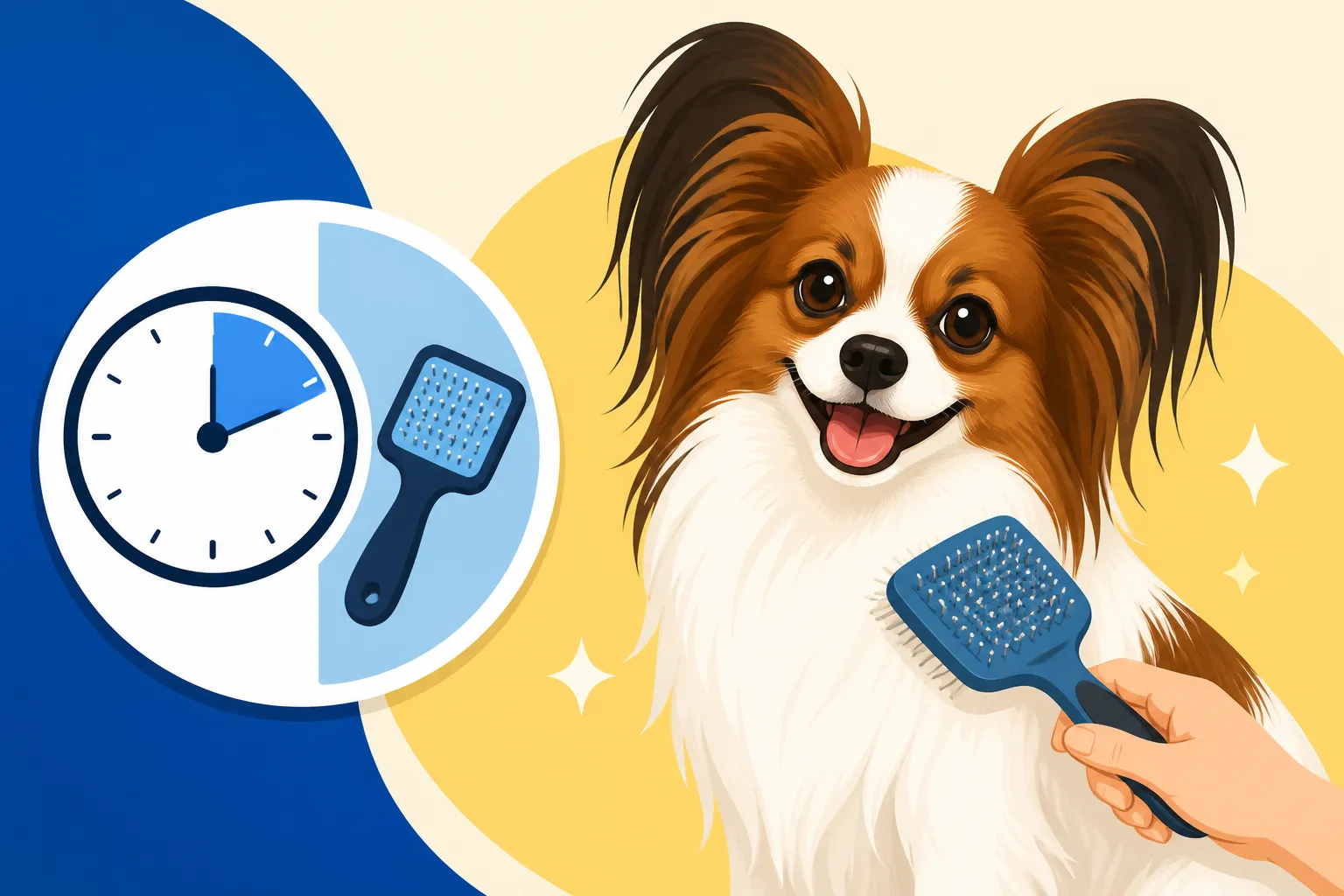
First, a good quality pin brush is indispensable. Look for one with smooth, rounded pins that won't scratch your dog's skin. This is your primary tool for general brushing, removing loose hair, and light detangling. Avoid slicker brushes unless you have a very specific, small mat to tackle, as the stiff wires can be harsh on their delicate skin and fine hair. Many excellent options are available from retailers like Chewy or Amazon, so you can find one that fits your hand comfortably.
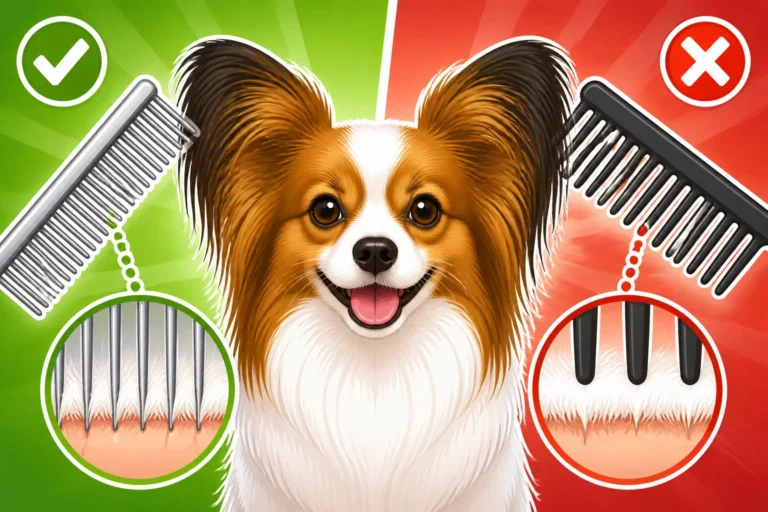
Next, you'll need a metal comb, preferably one with both wide and fine teeth. This is crucial for working through smaller tangles, especially in the fringes, and for ensuring you've completely removed any knots the pin brush might have missed. The fine end is perfect for those delicate areas behind the ears and around the face. You might also want a good detangling spray. A light spritz can help the brush glide through the coat and make it easier to loosen knots without pulling. This prevents discomfort for your Papillon and saves you time and frustration. If you're interested in whether these sprays truly help, check out Whether Detangler Helps a Papillon.
Lastly, don't forget the treats! High-value rewards are essential for creating a positive association with grooming. Little bits of cooked chicken, cheese, or even small, palatable training treats from brands like Ollie can turn a potentially stressful experience into a rewarding one. Having these readily available keeps your Papillon engaged and happy during the process.
Step-by-Step Brushing Technique
A structured approach to brushing will not only ensure you don't miss any spots but will also make the process more efficient. Here’s a simple routine that works wonders:
Start by gently misting your Papillon's coat with a detangling spray, if you're using one, focusing on the longer fringes. Then, begin with the main body of the coat, using your pin brush. Work in sections, starting from the head and moving towards the tail. Brush small sections at a time, making sure to reach down to the skin, but always with a light hand to avoid irritating them. The goal is to smooth out the hair and remove any loose strands or surface tangles.
Once the body is brushed, move to the areas notorious for tangles: the ears, tail, and culottes. For the ear fringes, hold the leather of the ear gently and brush downwards, separating the hair carefully. This is where your metal comb will shine. Use the wide-toothed end first to gently tease apart any knots, then follow with the finer end to ensure smoothness. Pay particular attention to the area behind the ears and under the armpits, as these are common spots for mats to form, as detailed in Where a Papillon Mats.
Finally, do a quick once-over with the metal comb through the entire coat to ensure no hidden tangles remain. This final comb-through is your quality check. If the comb glides smoothly, you're done! Remember to offer plenty of praise and treats throughout the process, especially after tackling sensitive areas. The more positive the experience, the more cooperative your Papillon will be during future sessions.
Estimating Time for Regular Maintenance vs. De-Matting Sessions
So, how long does all of this actually take? For a Papillon with a well-maintained coat, a daily touch-up might only take 5-10 minutes. This quick session involves a general brush-through with the pin brush, focusing on the ears and culottes, and checking for any minor tangles. It's about prevention, keeping the coat free of debris and small knots before they escalate.
A more thorough weekly grooming session, where you might also check ears for cleanliness and trim nails, could take 15-20 minutes. This is where you really get into those deeper layers with the metal comb, ensuring every inch of that beautiful fringe is tangle-free. This longer session allows for a more detailed inspection and deeper conditioning if you choose to use one. For insights on overall coat characteristics, check out A Papillon's Coat Is All Fringe and No Undercoat.
Now, if you're facing a coat that has been neglected and has significant matting, a de-matting session can take 30 minutes to an hour or even longer, depending on the severity. This is where patience is key, and rushing will only cause pain and trauma for your dog. If the mats are very tight or extensive, it's often kinder and safer to seek the help of a professional groomer, who has specialized tools and techniques to remove them without hurting your Papillon. Sometimes, for severe matting, shaving might be the kindest option.
| Brushing Scenario | Frequency | Estimated Time | Key Focus |
|---|---|---|---|
| Daily Touch-up | Daily | 5-10 minutes | Surface tangles, ears, culottes, loose hair |
| Weekly Full Groom | 1-2 times/week | 15-20 minutes | Deep comb-through, specific fringes, mat prevention |
| Light De-Matting | As needed | 20-30 minutes | Teasing out small knots with comb and spray |
| Severe De-Matting | Rarely | 30+ minutes | Professional intervention often recommended |
Making Brushing a Breeze: Tips and Tricks
Making grooming a positive and efficient experience is all about routine, the right approach, and a little bit of cleverness. You want your Papillon to see grooming time as bonding time, not punishment.
Creating a Positive Grooming Experience
The foundation of quick and easy brushing lies in your Papillon's attitude towards it. From day one, make grooming a rewarding activity. Always use a calm, reassuring tone of voice. Speak softly, praise them lavishly, and maintain a gentle touch. Papillons are very sensitive, and harsh handling or scolding will only make them fearful and resistant, potentially leading to them hiding pain from you. Read How a Papillon Hides Pain to understand why being gentle is so important.
Integrate treats throughout the session, not just at the end. Every time you successfully brush a section or remove a small tangle without fuss, reward them immediately. This continuous positive reinforcement helps them associate the act of brushing with good things. For puppies, keep sessions extremely short – just a minute or two – and gradually increase the duration as they become more comfortable. Stop before they get restless or frustrated, ending on a positive note.
Consider having a special grooming spot, perhaps on a raised surface like a sturdy table with a non-slip mat, or even just a designated towel on the floor. This routine helps your Papillon understand what's coming and settle into the process. Consistency in location, timing, and your demeanor will create a predictable and comforting experience.
Preventing Mats Before They Start
An ounce of prevention is worth a pound of cure, especially when it comes to Papillon coats. Preventing mats from forming in the first place is the ultimate time-saver.
One of the most effective strategies is a quick, daily run-through with your pin brush, focusing on the areas most prone to tangles: the ears, the culottes, and the chest frill. These quick checks take mere minutes but can save you from lengthy de-matting sessions down the line. If you feel a small snag, address it immediately with your metal comb and a spritz of detangler. Don't let it sit and tighten, as that's when a tiny tangle becomes a formidable mat. You can see how specific areas are described in The Plume, the Culottes and a Papillon's Chest Frill to understand where to focus your efforts.
Consider investing in protective gear for outdoor adventures. If your Papillon loves to explore brushy areas, a light dog sweater or coat can help protect their fringes from collecting burrs and twigs. While not always practical, it’s an option for specific situations. After walks, especially through fields or wooded areas, always do a quick inspection of their coat, particularly their belly and legs, before coming inside. Removing any hitchhikers immediately is much easier than trying to brush them out once they've had time to embed themselves in the hair.
Lastly, regular bathing with a good quality shampoo and conditioner designed for long-haired dogs can also help. Clean hair is less likely to tangle than dirty, oily hair. Just make sure to thoroughly dry and brush your Papillon after a bath, as wet hair can mat very quickly if left to air dry.
When to Seek Professional Help
While Papillon grooming is generally manageable at home, there are times when calling in a professional groomer is the best course of action. Recognizing these situations can prevent discomfort for your dog and save you a lot of frustration.
The most common reason to seek professional help is severe matting. If your Papillon's coat has developed tight, extensive mats that feel like felt against their skin, attempting to brush them out yourself can be incredibly painful for your dog. Professionals have specialized tools, such as clippers with specific blades, and techniques to safely and humanely remove these mats, often by shaving them out. It might mean a temporary loss of their beautiful long coat, but it's far better for their comfort and skin health than hours of painful pulling.
Another instance is if your Papillon develops a strong aversion to grooming, despite all your efforts to make it positive. Some dogs, due to past experiences or a particularly sensitive nature, simply tolerate professional groomers better, who are skilled at handling nervous dogs efficiently. A good groomer can often work through the process more quickly, minimizing stress, and sometimes even help to reset your dog's perception of grooming.
Finally, if you're struggling with specific coat issues like excessive dry skin or unusual shedding, a professional groomer can offer advice on products or techniques, or suggest a visit to your vet for underlying health concerns, as poor coat condition can sometimes be a symptom of a larger issue. For instance, if you notice issues with their skin, Whether a Papillon Gets Dry Skin could provide additional context. Don't hesitate to reach out to a professional; they are there to help you and your Papillon.
Disclaimer
This article is for general informational purposes only and does not constitute professional advice. Laws, prices and regulations vary by location and change over time. Consult a qualified professional for guidance on your specific situation.