What a Papillon Weighs and How Tall It Stands
It’s easy to look at a Papillon and assume you know their size just by glancing, but relying on visual guesses can be misleading, especially when their long, elegant coat might give the illusion of more bulk than they actually possess. Understanding the precise breed standard for a Papillon's height and weight isn't just about showing off fancy dog facts; it's absolutely vital for their health, well-being, and even for identifying potential issues like being underweight or overweight. This guide will walk you through everything you need to know about what a Papillon should truly weigh and how tall they typically stand, and why those numbers matter for their long, active lives.
Understanding the Official Papillon Breed Standard for Size
When we talk about purebred dogs, there's always an official "standard" that guides breeders and judges on what the ideal dog of that particular breed should look like. For the Papillon, often admired for their delicate appearance, these standards are quite specific about height and weight, and they exist for very good reasons. They aren't just arbitrary numbers; they reflect what is considered healthy, functional, and true to the breed's historical purpose as a lively companion.
The Ideal Height Range: More Than Just "Small"
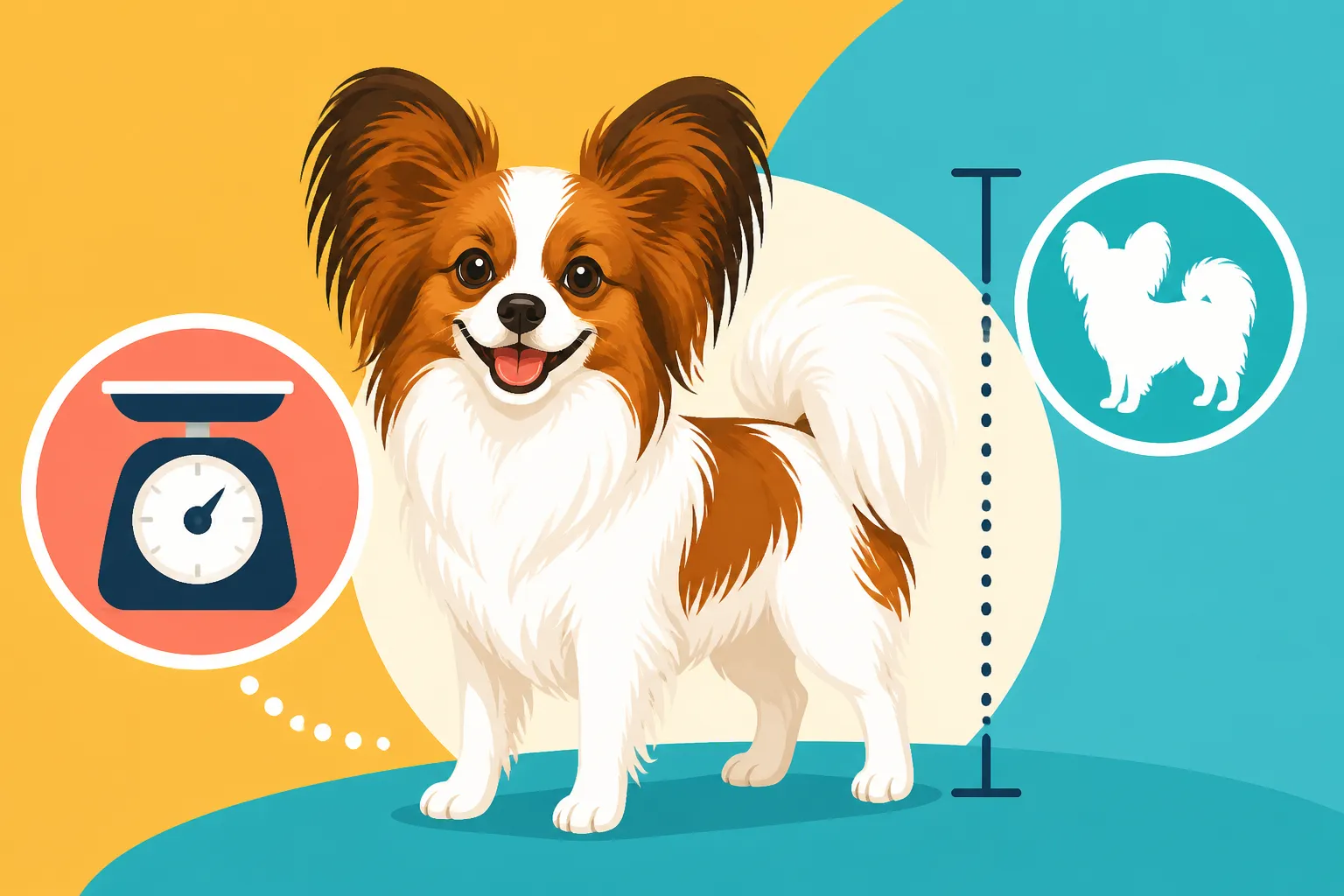
The American Kennel Club (AKC) standard, which is widely recognized, specifies that the Papillon should stand between 8 and 11 inches tall at the withers. The "withers" is that point right above the shoulder blades, and it's where you measure a dog's height. Now, 8 to 11 inches might sound like a small range, but for a tiny dog, every inch makes a significant difference. A Papillon at the upper end of that range feels quite different from one at the lower end. They should always appear elegant and light-boned, never heavy or clunky, even at their tallest. This specific height range is crucial for maintaining the breed's characteristic agility and graceful movement.
It’s important to remember that these aren't strict cut-offs where a dog one-quarter inch outside the range is suddenly "not a Papillon." However, significant deviations can impact their conformation and their ability to move fluidly. A Papillon that is too tall might lose some of that refined, dainty look, while one that is significantly under 8 inches could face other structural challenges. Responsible breeders strive to produce dogs within this range to uphold the integrity and health of the breed, ensuring they maintain the qualities that make them so unique.
The Weight Guideline: Function Over Fluff
For weight, the AKC standard typically says "proportionate to height," but provides a more useful guideline: most Papillons should weigh between 5 and 10 pounds. You might notice this isn't a hard and fast rule like the height, and that's because weight is directly tied to an individual dog's bone structure and overall build within that 8-11 inch height range. A taller Papillon will naturally weigh more than a shorter one, even if both are perfectly healthy and lean. What's paramount is that the dog is never overweight or underweight for its frame.
A Papillon at 5 pounds is a truly tiny creature, while a 10-pounder feels much more substantial. Both can be perfectly healthy, energetic examples of the breed, provided their weight is lean and fit. This "proportionate to height" concept means you should be able to easily feel their ribs without seeing them jut out, and they should have a discernible waist when viewed from above. Their activity level also plays a role; an active Papillon who participates in dog sports will often be leaner and more muscular than one who is purely a couch companion, even if both are within the healthy range. The goal is always a dog that is sturdy but not bulky, agile but not fragile.
Why These Standards Matter for the Breed's Future
These breed standards aren't just for show dogs; they serve as a blueprint for the entire breed's health and longevity. When breeders consistently aim for dogs within these parameters, they are helping to preserve the Papillon's genetic health and physical capabilities. For example, a dog that is significantly oversized or undersized might have structural issues that predispose them to certain health problems. An overly heavy Papillon, even if within the "pet" range, might put undue strain on their delicate joints, especially their knees. Patellar Luxation Is the Papillon Problem You Will Actually Meet, a condition where the kneecap slips out of place, is a concern in the breed, and maintaining a healthy weight is key to managing or preventing it.
Moreover, these standards help ensure the Papillon remains true to its historical type. The breed has been admired for centuries for its elegant, graceful appearance and vibrant, intelligent personality. Deviating too far from the standard could lead to dogs that no longer embody these cherished characteristics. It's about maintaining a consistent, healthy, and recognizable breed for future generations to enjoy. For any prospective Papillon owner, understanding these basic physical expectations is the first step in appreciating and properly caring for this wonderful companion.
Measuring Your Papillon: What to Look For
So, you've got your adorable Papillon, and you're curious where they stack up against the breed standard. Or perhaps you're simply trying to monitor their growth or health. Taking accurate measurements and observations is a simple but important part of responsible pet ownership. It helps you keep track of their development and spot any concerning changes in their physique that might warrant a vet visit.
How to Accurately Measure Height at the Withers
Measuring your Papillon's height at the withers is easier than it sounds, and you don't need any fancy equipment. A standard tape measure or a ruler will do just fine. First, encourage your Papillon to stand still and square on a flat, even surface – preferably on a non-slip mat or carpet. If they're wiggly, a second person to hold a treat or gently steady them can be a huge help. Find their withers, which is the highest point of their shoulder blades, right at the base of their neck. This spot is usually quite distinct.
Once they're standing correctly, hold the tape measure vertically straight down from the top of their withers to the ground. Make sure the tape is perpendicular to the floor, not angled. Read the measurement where the tape meets the ground. For consistency, try to do this at the same time of day and in the same spot, as small differences in posture can affect the reading. You might find it useful to place a level or a flat ruler across their back at the withers and measure from the underside of the ruler down to the floor for an even more precise reading. Knowing this measurement gives you a great baseline for their growth and helps you understand where they fall within the 8-11 inch standard.
Weighing Your Papillon at Home and at the Vet
Regular weight checks are just as important as height, if not more so, for ongoing health monitoring. For an adult Papillon, once a month or every few weeks is a good rhythm. For puppies, you might want to check weekly to ensure they're thriving. Weighing a Papillon Puppy Every Week can be a great way to catch any potential issues early. For a small dog like a Papillon, a digital kitchen scale or a baby scale works perfectly at home. Simply place your dog on the scale, making sure they're calm and centered. If your dog is too big or too wiggly for a kitchen scale, you can weigh yourself, then pick up your Papillon and weigh both of you together. Subtract your weight from the combined weight to get your dog's weight.
Of course, your veterinarian will also weigh your Papillon at every check-up, often using a specialized pet scale. These are usually more accurate and can handle a bit more movement. Don't hesitate to ask them to show you how they weigh your dog if you're curious, or to discuss what constitutes a healthy weight range for your individual Papillon. Many vet offices are happy to let you pop in for a quick weight check between appointments, especially if you're concerned about sudden changes. Consistent weight monitoring, whether at home or the vet, helps you identify any unexplained weight loss or gain, which can be early indicators of underlying health concerns.
Visual Cues: How to Tell if Your Papillon is Just Right
Beyond the numbers, learning to "read" your Papillon's body condition visually is a valuable skill. Even if you don't have a scale or tape measure handy every day, you can tell a lot by looking and feeling. A healthy Papillon should have a noticeable waist when viewed from above, like an hourglass shape. When you look at them from the side, their abdomen should tuck up slightly, not hang down. You should also be able to easily feel their ribs with light pressure, but not see them prominently. Their spine and hip bones should also be easily felt, but again, not sharply protruding.
If you can easily see their ribs, spine, or hip bones without feeling, they might be underweight. If you have to press hard to feel their ribs, or if they have no discernible waist, they might be carrying too much weight. Remember, a Papillon's flowing coat, especially the long fringes around their ears, chest, and culottes, can often mask their true body condition. Don't let the fluff fool you! Get your hands on them regularly to feel their body, not just admire their beautiful hair. What a Papillon's Coat Hides Weight Loss can be a real issue, so tactile checks are essential. This hands-on approach, combined with regular weighing, gives you the most complete picture of your Papillon's physical health.
The Reality of Papillon Size: Variations and Misconceptions
While breed standards provide a clear benchmark, the reality is that individual dogs, even within the same litter, can show variations. Sometimes these differences are minor, reflecting natural genetic diversity, while other times they stem from breeding choices or widespread misconceptions about what a Papillon "should" be. Understanding these variations helps owners manage expectations and appreciate their unique companion.
Do Males and Females Differ Significantly in Size?
Generally, in the Papillon breed, there isn't a dramatic size difference between males and females, unlike some larger breeds where the males can be substantially bigger and heavier. However, you will typically find that male Papillons tend to be at the upper end of the height and weight standard, often standing a bit taller and being slightly heavier-boned than their female counterparts. For instance, a male might comfortably sit at 10-11 inches and weigh 8-10 pounds, while a female might be closer to 8-9 inches and 6-8 pounds. These are averages, of course, and you can absolutely find a petite male or a more robust female.
These subtle differences usually don't impact their care or training significantly. Both sexes share the same energetic and intelligent temperament. What it mostly means for owners is recognizing that if you have a male, he might naturally be a little bigger and therefore need slightly more food or a slightly larger harness from a brand like Chewy, for instance. It's more about their individual build and genetic lines than a strict gender rule, but it's a general tendency worth noting when considering a Papillon puppy.
Debunking the "Teacup Papillon" Myth
Ah, the "teacup" trend. This is a common misconception that unfortunately often leads to unhealthy breeding practices. There is no such thing as a recognized "teacup Papillon" variety or standard. Any breeder marketing puppies as "teacup" is usually selling dogs that are significantly undersized, often bred from runts or unhealthy parents, specifically for their extreme smallness. While Papillons are indeed small dogs, those marketed as "teacups" often fall below the 5-pound weight and 8-inch height minimums for a reason – they are often frail.
These extremely tiny dogs are highly susceptible to a host of serious health problems. They can suffer from fragile bones that break easily, severe hypoglycemia (low blood sugar), liver shunts, hydrocephalus (fluid on the brain), and difficulty regulating body temperature. Their internal organs may also be underdeveloped. While a small Papillon within the standard is perfectly healthy, intentionally breeding for extreme miniaturization outside of what is natural for the breed can lead to a lifetime of veterinary bills and heartbreak for owners. It's a practice that responsible breeders strongly discourage, prioritizing health and soundness over extreme size.
When a Papillon is "Oversized": It's More Common Than You Think
On the flip side, some Papillons mature to be larger than the breed standard, sometimes standing 12 or even 13 inches tall and weighing 12 pounds or more. This is also relatively common in pet-bred Papillons, where strict adherence to the show ring standard isn't the primary goal. An "oversized" Papillon, meaning one that exceeds the 11-inch height or 10-pound weight guideline, is not necessarily unhealthy, as long as their proportions are good and they are lean. In fact, many pet owners prefer a slightly larger Papillon, finding them a bit more robust and less delicate than their smaller cousins.
These larger Papillons can still be wonderful companions and just as intelligent and active as their standard-sized counterparts. They might, however, not be eligible for conformation shows, as the breed standard is quite clear on height. Whether an Oversized Papillon Can Be Shown is a common question, and the answer is generally no in serious competition. For an agility career, a slightly larger Papillon might even have a small advantage in stride length, though the critical factor is health. The key is to ensure they remain lean and fit, regardless of their exact measurements. An oversized Papillon who is also overweight can still face joint issues like patellar luxation, so managing their condition is always paramount.
Growth and Development: From Tiny Puppy to Adult Papillon
The journey from a minuscule, wobbly Papillon puppy to a gracefully grown adult is a fascinating one. These little bundles of fluff have specific growth milestones, and understanding them helps new owners provide the best care and nutrition. It's truly amazing to watch them transform, but it can also bring anxieties about whether they're developing "correctly."
Tracking Your Papillon Puppy's Growth Milestones
Papillon puppies are undeniably tiny, often weighing only a few ounces at birth. Their growth is rapid in the first few months, but it's essential to understand that they mature at a different pace than larger breeds. Typically, a Papillon puppy will gain weight and grow steadily until about 6 to 8 months of age, with the most significant changes happening between 2 and 5 months. At 8 weeks, they might weigh anywhere from 1 to 3 pounds, depending on their genetics and litter size. By 4 months, they're often already looking quite similar to their adult form, just smaller.
Monitoring their growth isn't just about satisfying curiosity; it's a vital health check. Consistent weight gain indicates proper nutrition and overall health. If a puppy suddenly stops gaining weight, or worse, loses weight, it's a red flag. This is particularly crucial for Papillons because, as tiny puppies, they are susceptible to hypoglycemia (low blood sugar) if they don't eat regularly. Puppy growth charts, sometimes provided by breeders or found online, can be helpful tools to compare your pup's progress. Always remember that each puppy is an individual, and variations within a healthy litter are normal. A well-balanced diet appropriate for small-breed puppies, often available from retailers like Chewy, is fundamental for healthy development.
When Does a Papillon Stop Growing?
Most Papillons will reach their full adult height and close to their adult weight by around 8 to 10 months of age. While their bones will have largely fused and their height won't change much after this point, they may continue to "fill out" slightly, adding a little muscle or a bit more substance, until they are about 12 to 18 months old. This "filling out" phase is less about gaining height and more about maturing in body composition, developing that elegant, refined look characteristic of the breed.
The ear fringe, one of the Papillon's defining features, also continues to grow and develop well past their first birthday, sometimes not reaching its full magnificent length until they are two or even three years old. This means that while their frame might be set, their overall appearance can still change and improve with time. It's a common observation that Papillons, like many small breeds, have a longer "puppy" phase in terms of their playful energy and appearance compared to larger breeds, but their physical growth plateaus relatively early. The Age a Papillon Stops Growing is an important milestone for owners to understand, especially when considering activities like agility training that require fully developed joints.
Nutritional Impact on Healthy Growth and Adult Size
Nutrition plays a monumental role in a Papillon puppy's healthy growth and can even influence their eventual adult size, though genetics are the primary determinant. Feeding a high-quality, small-breed puppy formula is essential. These formulas are specifically designed to provide the right balance of protein, fat, vitamins, and minerals needed for rapid development in a small package, and the kibble size is appropriate for their tiny mouths. Overfeeding, especially with calorie-dense foods, can lead to excessively fast growth or obesity, which can put strain on developing joints. Conversely, underfeeding can stunt growth and lead to lifelong health issues.
It's also crucial to remember that very young Papillon puppies need frequent meals to prevent hypoglycemia. As they get older, the frequency can decrease. Once they reach adulthood (around 10-12 months, depending on the individual), transitioning to a high-quality adult small-breed formula is appropriate. Maintaining a healthy adult weight through proper portion control and regular exercise is critical for their long-term health. What a Papillon Should Weigh is a direct result of consistent, appropriate nutrition throughout their life. Always consult with your veterinarian for specific dietary recommendations tailored to your Papillon's age, activity level, and individual needs.
| Age (Approx.) | Typical Weight Range (lbs) | Typical Height Range (inches) | Development Notes |
|---|---|---|---|
| 8 Weeks | 1 – 3 | 4 – 6 | Rapid growth, very delicate. |
| 4 Months | 3 – 6 | 6 – 9 | Reaching much of adult height, still gaining. |
| 6 Months | 5 – 9 | 8 – 10 | Approaching adult size, filling out. |
| 1 Year | 5 – 10 | 8 – 11 | Mostly adult size, still maturing in body/coat. |
| Adult (1.5+ yrs) | 5 – 10 | 8 – 11 | Fully mature, ideal body condition. |
Note: These are general ranges; individual Papillons may vary based on genetics, nutrition, and overall health. Always consult your vet for personalized advice.
The Health Implications of Papillon Weight and Size
When you bring a Papillon into your life, you're signing up for a loyal, energetic companion, but also for the responsibility of safeguarding their health. For a breed as small and agile as the Papillon, their weight and overall size are intrinsically linked to their well-being, influencing everything from joint health to overall longevity. Keeping them within a healthy range is one of the best things you can do for them.
Protecting Delicate Joints: Weight and Patellar Luxation
One of the most significant health concerns directly tied to a Papillon's weight and structure is patellar luxation, or "slipping kneecap." This condition is unfortunately common in many toy breeds, including the Papillon. While genetics play a primary role in predisposing a dog to patellar luxation, carrying excess weight can significantly exacerbate the problem. Even an extra pound or two on a 7-pound dog is like a human carrying an extra 20-30 pounds relative to their body size, putting immense strain on those small, delicate knee joints.
When a Papillon is overweight, the increased pressure on the knee joint can make the kneecap more prone to slipping out of its groove. This can lead to pain, lameness, and, over time, degenerative joint disease or arthritis. Maintaining a lean body condition is one of the most effective non-surgical ways to manage patellar luxation and can even help prevent its onset in genetically predisposed dogs. Owners should be vigilant about their Papillon's weight, providing appropriate portion sizes of high-quality food, perhaps from Chewy, and ensuring they get plenty of exercise. Regular physical exams by your vet will include palpation of the knees to check for any signs of luxation. Why a Papillon's Kneecap Slips Out details this condition further, highlighting the importance of preventative care.
Maintaining a Healthy Weight for a Long, Active Life
A Papillon's average lifespan can be quite long, often extending well into their teens. How Long a Papillon Lives is a testament to the breed's general hardiness. However, maintaining a healthy, lean weight throughout their life is perhaps the single most important factor within an owner's control that influences their longevity and quality of life. An overweight Papillon is not just at higher risk for joint issues; they are also more susceptible to other serious health problems, including heart disease, diabetes, respiratory issues, and certain types of cancer. Their energy levels will also decrease, making them less enthusiastic about walks and play, which in turn leads to further weight gain – a vicious cycle.
Keeping your Papillon at their ideal weight means providing them with a balanced diet, carefully measuring their food, and limiting high-calorie treats. Even tiny portions of human food can quickly add up for a small dog. Regular, consistent exercise is also vital. Papillons are surprisingly active for their size and genuinely enjoy walks, playtime, and mental stimulation. An active lifestyle helps burn calories and maintain muscle mass, keeping them spry and healthy well into their senior years. This proactive approach ensures your Papillon can enjoy their long life to the fullest, free from the burdens of preventable weight-related illnesses.
How Being Underweight Can Also Be a Problem
While obesity is often the focus of veterinary discussions, being underweight can be just as detrimental, especially for a small breed like the Papillon. A Papillon that is too thin might appear frail, with visible ribs, spine, and hip bones. This can indicate several potential issues. For puppies, being underweight can signal poor nutrition, parasites, or other underlying health problems that prevent proper absorption of nutrients, impacting their overall development. Signs a Papillon Puppy Is Not Thriving often include a failure to gain weight.
In adult Papillons, unexplained weight loss can be a sign of a more serious medical condition, such as dental disease (making it painful to eat), kidney or liver disease, diabetes, cancer, or inflammatory bowel disease. It's never normal for an adult dog to suddenly lose a significant amount of weight without a change in diet or exercise. If you notice your Papillon becoming too thin, it's crucial to consult your veterinarian promptly. They can help identify the root cause, whether it's a simple dietary adjustment or a more complex medical issue requiring treatment. A healthy Papillon should have a strong, lean body, reflecting optimal nutrition and health, not fragility.
Living with a Papillon of Any Size: Practical Considerations
Whether your Papillon is a petite 5-pounder or a more robust 10-pound companion, living with these delightful dogs requires some practical adjustments to ensure their safety, comfort, and well-being. Their small stature, regardless of the exact measurements, means considering their world from a different perspective.
Adapting Your Home for a Small Dog's Needs
Bringing a Papillon into your home means looking at your environment through their eyes, or rather, from their low vantage point. What might be a harmless step for you could be a dangerous leap for them. One of the most critical considerations is protecting their delicate joints, especially if they are genetically predisposed to conditions like patellar luxation. This often means providing ramps or steps for furniture like sofas and beds. Even a seemingly small jump can exert significant force on their knees and spine over time. You can find a variety of sturdy, carpeted ramps from pet retailers like Chewy designed specifically for small dogs.
Hardwood or tile floors can also be a challenge, as they offer little traction, potentially leading to slips and falls that can injure joints. Consider strategically placed rugs or runners in high-traffic areas where your Papillon plays or moves quickly. Small breeds can also be prone to getting underfoot, so be mindful when walking through the house, especially in dimly lit areas. Designating a safe, cozy space, like a crate or a specific dog bed, where they can retreat and feel secure is also important. Whether a Papillon Suits an Apartment is often yes, in part because adapting a smaller space can be easier.
Choosing Gear: Harnesses, Beds, and Carriers
Selecting the right gear for your Papillon isn't just about aesthetics; it's about comfort, safety, and health. Due to their delicate throats and propensity for collapsing trachea (a condition where the windpipe flattens), a harness is almost always recommended over a collar for walks. A well-fitting harness distributes pressure across their chest and shoulders, avoiding strain on their trachea. Measure your Papillon carefully around their chest and neck to ensure a snug, escape-proof fit without chafing. Many brands offer extra-small sizes perfect for Papillons.
When it comes to beds, Papillons often love to burrow, so cozy, cave-like beds or those with high sides where they can nestle are usually a hit. Make sure the bed is appropriately sized so they can curl up comfortably but also stretch out if they wish. For travel, a secure and well-ventilated carrier is essential, whether you're going to the vet, on a road trip, or even on public transport. The carrier should be large enough for them to stand up, turn around, and lie down comfortably. Again, ensure all buckles and zippers are secure. Opting for gear that is washable and durable will also make your life easier in the long run.
Exercise Needs Across the Papillon Size Spectrum
Despite their small size, Papillons are not dainty couch potatoes. They are active, intelligent, and surprisingly athletic dogs that thrive on regular exercise and mental stimulation. Don't let their small stature fool you into thinking a quick trip to the backyard is enough. While they might not need miles of hiking, daily walks, vigorous play sessions, and opportunities for mental challenges are crucial for their physical and mental health. A Papillon that isn't adequately exercised can become bored, leading to destructive behaviors or excessive barking.
For a Papillon within the standard weight and height, their exercise needs are fairly consistent. Daily walks, whether around the neighborhood or in a safe, fenced area, are a must. They also adore playing fetch, chasing toys, and engaging in interactive games. Many Papillons excel in dog sports like agility, rally, and obedience, which provide both physical and mental outlets. Even slightly larger Papillons need this regular activity, and their slightly sturdier build might even give them an advantage in certain activities. For older Papillons, or those with joint issues, exercise might need to be modified – shorter, more frequent walks or low-impact activities like swimming can be great. The key is consistent, appropriate activity to keep them happy, healthy, and engaged throughout their lives. What a Papillon Does All Day should ideally involve a good mix of activity and rest.
When Size Matters in the Show Ring and Beyond
For some Papillon owners, their dog's size is more than just a health consideration; it's a key factor in their participation in specific activities, particularly conformation showing or competitive dog sports. The breed standard, meticulously detailing size and structure, takes center stage in these environments.
How Judges Evaluate a Papillon's Conformation
In the world of conformation showing, a Papillon's height and overall proportion are paramount. Judges are looking for a dog that fits the breed standard as closely as possible, and that includes standing between 8 and 11 inches at the withers, with a weight proportionate to that height, typically 5-10 pounds. A Papillon that is significantly outside this range will likely be penalized or even disqualified, regardless of how beautiful its coat or how charming its personality. The emphasis is on a balanced, elegant appearance, with fine bones and a light, graceful gait.
Judges will use a wicket (a measuring device) to confirm height, and they'll also meticulously evaluate the dog's overall structure, including its bone density, length of body relative to height, and how all these elements contribute to a fluid, effortless movement. Every part of the dog is assessed to ensure it contributes to the overall picture of a healthy, typey Papillon. This attention to detail ensures that the dogs being bred and shown are those that best represent the breed's ideal physical characteristics, upholding the centuries-old legacy of the Continental Toy Spaniel. It’s not just about being "pretty," but about being structurally sound and true to breed type.
The Agility Advantage: Size and Performance
While conformation showing is strict about specific measurements, dog sports like agility offer a bit more flexibility, especially for Papillons that might be on the larger side of the standard or even slightly over. In agility, dogs are grouped by height for jumping classes, meaning a slightly taller Papillon won't be competing against a dog much smaller than them. This is often where a Papillon's natural athleticism and intelligence truly shine. Their small size makes them incredibly nimble and quick, often navigating courses with impressive speed and precision.
A Papillon at the upper end of the breed standard, say 10 or 11 inches, might even have a slight advantage in terms of stride length over a 7-inch Papillon, which can translate to faster times on certain courses. However, the most critical factor for agility performance, regardless of exact size, is a sound body, excellent conditioning, and a keen desire to work with their handler. Their light build means less stress on their joints compared to heavier breeds, allowing for a longer career, provided they are kept fit and healthy. Many Papillon owners find great joy and success in agility, and it's a fantastic outlet for their boundless energy and sharp minds.
The Joy of a Well-Proportioned, Healthy Papillon
Ultimately, whether your Papillon is destined for the show ring, the agility course, or simply to be your beloved family pet, the greatest joy comes from a well-proportioned, healthy companion. Understanding the breed standard for height and weight isn't about rigid adherence for its own sake; it's about appreciating the characteristics that make the Papillon special and ensuring you can provide the care necessary to support their unique needs. A Papillon that is healthy, active, and at its ideal weight and height will have more energy, fewer health problems, and a better quality of life.
This means finding a reputable breeder who prioritizes health testing and breed standard, feeding a high-quality diet, providing regular exercise, and maintaining routine veterinary care. It’s about being observant of your dog's body condition and adjusting their care as needed. When you see your Papillon, with their butterfly ears and plumed tail, gracefully leaping or happily cuddling on your lap, you'll know that their perfect size and healthy physique contribute to the incredible spirit that makes them such cherished members of our families. It's a wonderful journey, caring for these clever, charming little dogs.
Disclaimer
This article is for general informational purposes only and does not constitute professional advice. Laws, prices and regulations vary by location and change over time. Consult a qualified professional for guidance on your specific situation.