Every Color a Papillon Is Allowed to Be
When you first fall in love with a Papillon, it's often those magnificent ears, like a butterfly in full flight, that capture your heart. But then you start looking closer at their stunning coats, noticing the intricate patterns and vibrant splashes of color, and you might find yourself wondering, "What colors are they even allowed to be?" It's not always as straightforward as it seems, especially with breed standards and common misconceptions floating around. This guide is designed to unravel all the mysteries of Papillon coat colors, explaining exactly what's acceptable, what's not, and what to expect as your little butterfly grows.
Understanding the Papillon Breed Standard for Color
The world of dog breeds often comes with very specific guidelines for what is considered "correct" or "standard" for appearance, and Papillons are no exception. These standards are set by kennel clubs and breed associations, not just for show dogs, but also to help preserve the distinct characteristics of the breed. For Papillons, color is a huge part of their identity, and there are some clear lines drawn in the sand.
The Foundation of Papillon Color Requirements
At its very core, the Papillon breed standard dictates that all accepted colors must always include white. This isn't just a preference; it's a fundamental part of their genetic makeup and historical appearance. Think of it as the canvas upon which all other beautiful colors are painted. Without a significant portion of white, a dog wouldn't be recognized as a standard Papillon, regardless of how lovely its other markings might be. This white base typically covers the body, chest, legs, and often forms a blaze up the forehead. It's what gives them that delicate, ethereal look that’s so characteristic of the breed.
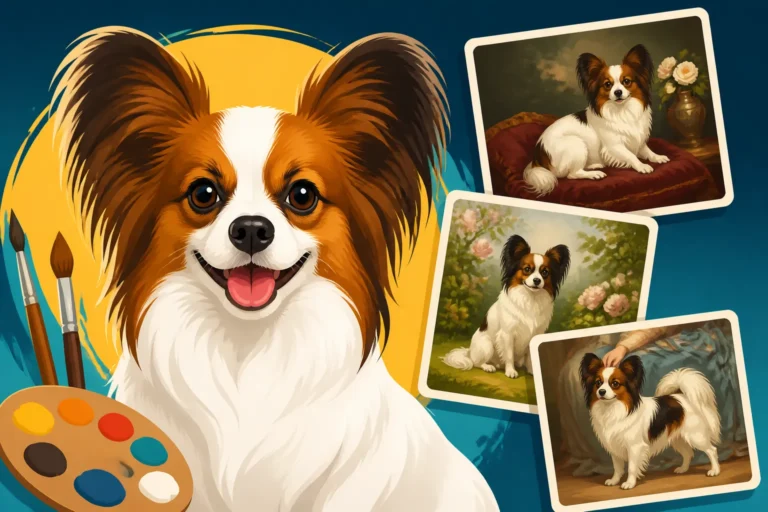
This requirement for white sets them apart from many other small breeds who might come in solid colors. For centuries, the ancestors of the Papillon, often called Dwarf Spaniels, were depicted in European art with these distinctive patches of color on a predominantly white body. It's a historical trait that has been carefully preserved over generations of breeding. When you look at a litter of Papillon puppies, you'll immediately notice the variations in how much white there is and where the color patches fall, but that white is always present.
Why White is Always the Base
It's not just an aesthetic choice; the prevalence of white in the Papillon coat is due to specific genes, primarily those responsible for piebald spotting. This gene creates patches of pigment on a white background. Without delving too deeply into complex genetics, suffice it to say that the breed was developed to express this pattern. The white isn't just a small spot here or there; it should be prominent. Imagine a Papillon with just tiny white spots on a solid colored body—it simply wouldn't look like the Papillon we know and love. This white base allows the "butterfly" ears to stand out, framing them perfectly against the contrasting color.
This white base is also critical in making those long, flowing fringes on their ears and tails pop. When you see a Papillon with black ears and a white chest, the contrast is truly stunning. It's part of what gives them their elegant, airy appearance. Even dogs that are heavily marked with color will still have substantial white areas, usually on the legs, chest, and often a defining blaze between the eyes. It's a beautiful balance that breeders strive to maintain, ensuring each puppy adheres to this foundational aspect of the breed.
The Importance of a Blaze and Symmetrical Markings
Beyond the general requirement for white, the breed standard also often calls for specific markings that are considered desirable, particularly a white blaze. A blaze is that strip of white running up the forehead, usually between the eyes. It adds a lovely facial expression and contributes to the overall "butterfly" look, acting like the body of the butterfly with the ears as the wings. While not every Papillon has a perfectly even blaze, it's definitely something breeders aim for, and it’s a hallmark of many champion Papillons. Whether a Papillon Must Have a White Blaze can sometimes be a point of confusion for new owners.
Symmetry in markings, especially on the face, is also highly valued. Imagine one ear being entirely black and the other being mostly white with a tiny black patch – it just wouldn't have the same balanced, elegant look. Breeders put a lot of effort into producing puppies with evenly distributed color patches, particularly on the ears and around the eyes. While perfect symmetry is rare in nature, a general balance is certainly preferred. These thoughtful markings truly enhance the delicate features of the Papillon, drawing attention to their intelligent, dark eyes and those iconic, fringed ears. It’s all part of the artistry that goes into breeding these stunning little dogs.
The Array of Acceptable Papillon Colors
While the white base is non-negotiable, the secondary colors that adorn a Papillon's coat offer a delightful variety. These aren't just random shades; each color combination has its own charm and history within the breed. Understanding them helps you appreciate the subtle differences and the beauty in each individual dog.
Black and White: A Classic Combination
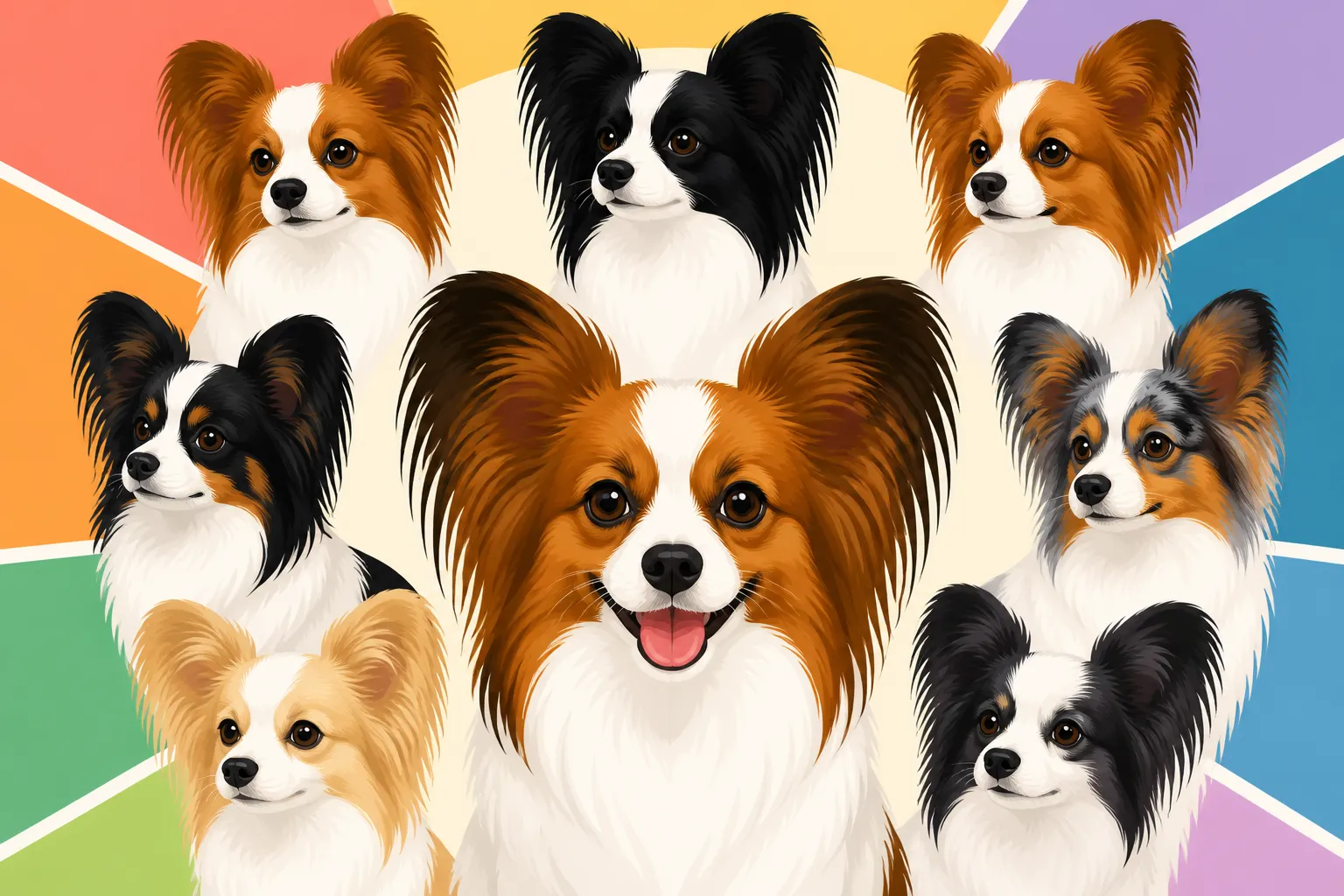
Black and white Papillons are perhaps one of the most striking and immediately recognizable color combinations. The stark contrast between the deep, inky black patches and the pristine white creates a dramatic and elegant appearance. These dogs often have solid black ears, which really emphasize the "butterfly" shape, and a black mask or patches around the eyes. The body will be predominantly white, with varying patches of black.
It’s a classic for a reason. The richness of the black fur, especially when it’s healthy and gleaming, is truly captivating. When you brush a black and white Papillon, the silky strands almost shimmer, particularly on the ear fringes and tail plume. Many people find this combination to be the epitome of the Papillon's refined beauty. The black can range from a true jet black to a softer, slightly charcoal shade, but it should always be a distinct color, not faded or washed out. The white, of course, should be clean and bright, allowing the black markings to truly stand out.
Red and White: From Deep Mahogany to Light Sable
Red and white Papillons bring a warmth and vibrancy to the breed's palette. "Red" in the Papillon world can encompass a wide spectrum of shades, from a rich, deep mahogany or chestnut red to a lighter, almost golden or orange hue. Sometimes, these lighter reds are also referred to as "sable," where the tips of the hairs are black, giving a shaded effect, but pure red patches don't have this black tipping. A true red will be a solid, consistent color within its patches, showing no black hairs mixed in.
These red variations are absolutely stunning. A deep red and white Papillon looks like a little fox with butterfly ears, full of spunk and charm. Lighter, more orange-reds give off a sunny, cheerful vibe. The richness of the red often deepens with age, and a healthy coat will have an incredible luster. Just like with black and white, the red patches should be distinct and well-defined against the white base. When considering a red Papillon, it's important to remember that puppy red can sometimes darken or lighten slightly as they mature, adding to the delightful anticipation of their final adult coat.
Tricolor: The Stunning Blend of Black, White, and Tan
The tricolor Papillon is a masterpiece of canine coloring, blending three distinct shades into one harmonious coat. These dogs feature patches of black and white, just like the black and white Papillons, but with the addition of rich tan or mahogany markings. These tan points typically appear on the cheeks, over the eyes (like "eyebrows"), inside the ears, and sometimes on the chest, legs, or under the tail. It’s like getting the best of both worlds – the dramatic contrast of black and white, softened and enriched by warm tan accents.
Many enthusiasts consider the tricolor Papillon to be one of the most beautiful and complex presentations of the breed. The tan points truly highlight their expressive faces, making their eyes even more soulful and engaging. The depth of the tan can vary from a light cream to a deep, burnished copper. A well-marked tricolor Papillon is a sight to behold, with clear definitions between each color. When a tricolor Papillon runs or plays, the interplay of the three colors in their flowing coat is simply mesmerizing. This combination is a testament to the breed's rich genetic diversity and the elegance of its appearance.
Less Common but Permitted Papillon Color Variations
While black and white, red and white, and tricolor are the most frequently seen and widely recognized Papillon colors, the breed standard does allow for a few other beautiful, though perhaps less common, variations. These shades offer a unique appeal and are just as valid within the breed as their more ubiquitous cousins.
Lemon and White: A Subtle Beauty
Lemon and white Papillons are often mistaken for light red and white, but there's a distinct difference. The "lemon" shade is a very pale yellow or creamy color, often so light it can appear almost white in certain lighting. It's a soft, subtle hue that gives the dog an incredibly delicate and gentle appearance. Unlike reds, which have more orange or brown undertones, lemon is distinctly yellow.
These soft colors can be incredibly charming. A lemon and white Papillon might have eyes rimmed in black, providing a lovely contrast to their pale markings. Their ear fringes might be a pale buttercup yellow, almost blending into the white body, creating a very ethereal look. When they're puppies, these pale colors can sometimes be even lighter, darkening slightly to their mature lemon shade as they grow. This subtle beauty is truly appreciated by those who adore a softer palette. It's a quiet elegance that speaks volumes without needing bold contrasts.
Sable and White: The Blended Look
Sable and white is a color pattern that often causes a bit of confusion because "sable" describes the pattern of the hair, not just a solid color. A sable Papillon will have hairs that are lighter at the base and have black tips. This creates a shaded, smoky effect, usually over a red, orange, or even tan base. So, you might see a "red sable and white" or an "orange sable and white." The overall impression is one of depth and texture, as if the color is softly blended rather than appearing in solid blocks.
This coloration can be quite dynamic. A sable puppy might look very dark and heavily marked, with prominent black tips. As the dog matures, especially after its first adult coat comes in, the sable pattern might lighten or change, sometimes revealing more of the underlying red or orange. Whether a Papillon Puppy's Coat Predicts the Adult is a great question, as sable is one of those colors that can truly surprise you. The rich shading, particularly on the ears and tail, is truly exquisite. It's a sophisticated look that adds another layer of visual interest to the already stunning Papillon coat.
Liver and White: A Distinctive Rarity
Liver and white Papillons are quite rare but are recognized by some kennel clubs. The "liver" color refers to a brownish-red pigment that affects not only the coat but also the nose and eye rims, which will be brown instead of the typical black. This distinct pigmentation gives the dog a unique, warm appearance. The liver patches can range from a light milk chocolate to a deeper, more reddish-brown, all set against the characteristic white base.
When you see a liver and white Papillon, it's immediately noticeable because of the absence of black pigment. Their eyes are often lighter, too, typically amber or brown, which perfectly complements their coat color and liver points. This color truly stands out from the more common black or red variations. While not as frequently encountered, a well-marked liver and white Papillon is a beautiful and elegant dog, showcasing a different side of the breed's genetic potential. It's a testament to the diversity that exists within the breed, even with the strict adherence to the white base.
Disqualifying Colors and Markings in Papillons
Just as there are colors and patterns that are embraced by the Papillon breed standard, there are also those that are considered disqualifying. These aren't necessarily "bad" colors, but they simply don't align with the historical and aesthetic vision for the breed. Understanding these disqualifications is crucial, especially if you're interested in showing your Papillon or if you're a breeder.
Understanding the "All White" Papillon Fault
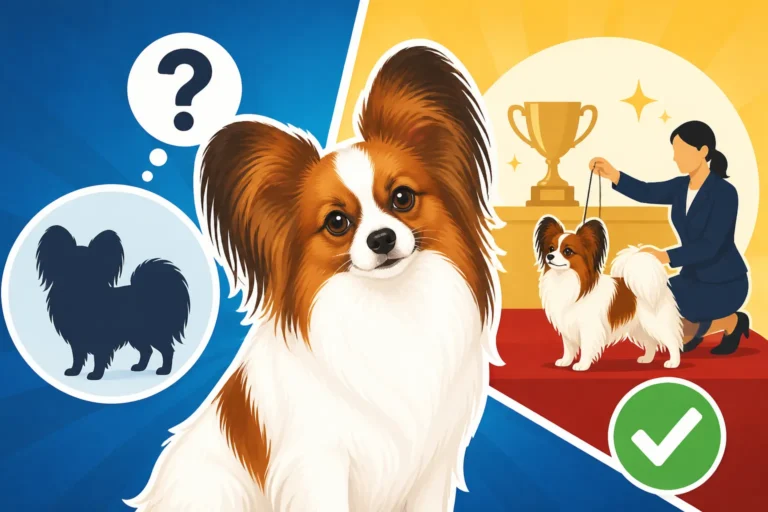
One of the most immediate and significant disqualifications for a Papillon is being "all white" or having insufficient color patches. Remember, the white is always a base, not the entire coat. The standard explicitly states that color must cover both ears, front and back, and extend without interruption from the ears over both eyes. There must be distinct patches of color. A Papillon that appears entirely white, or with such minimal color that it's barely discernible, would be disqualified in the show ring.
This isn't about personal preference; it's about maintaining the breed's iconic appearance. If a Papillon is so predominantly white that it lacks the characteristic colored "butterfly wings" on its ears or the symmetrical facial markings, it loses that essential breed type. While such a dog might be a perfectly healthy and loving companion, it wouldn't meet the visual criteria set forth by the standard. It highlights the importance of those contrasting patches, which give the breed its name and charm.
Solid Colors: Why They Don't Fit the Standard
Another absolute disqualification for Papillons is a solid colored coat, meaning a dog with no white at all. A Papillon cannot be entirely black, entirely red, or entirely any other single color. As we've discussed, the white base is foundational to the breed's identity. Any dog presented as a Papillon that lacks this essential white would not be recognized in the show ring.
This goes back to the breed's origins as a "dwarf spaniel" type, which historically always featured patches of color on a white body. The genetic expression for piebald spotting is a defining characteristic. If you encounter a small dog that looks like a Papillon but is solid colored, it's either not a purebred Papillon or it's a significant deviation from the breed standard. While these dogs can still be wonderful pets, they don't represent the breed's accepted visual profile. The contrast is key to their elegance and identity.
Any Color Other Than the Accepted Combinations
Beyond all-white or solid colors, any color combination not specifically mentioned in the standard is generally considered a fault, and some can even be disqualifying. For instance, a blue (grey) and white Papillon, or a chocolate (deep brown) without the liver pigment points, would be outside the accepted range. The standard is quite specific in listing the permitted colors: black and white, red and white, sable and white, tricolor (black, white, and tan), and lemon and white. Liver and white is also recognized by some organizations.
This strictness is designed to preserve the unique aesthetic of the Papillon. While other breeds might come in a wider array of colors, the Papillon's palette is intentionally narrower to ensure consistency in type. It's not about saying one color is inherently "better" than another, but rather about maintaining the integrity of the breed's appearance as it has been developed and cherished over centuries. Therefore, if you're looking for a Papillon that adheres strictly to the breed standard, it's vital to choose one from the recognized color combinations.
How Papillon Colors Develop and Change Over Time
One of the most fascinating aspects of owning a Papillon, especially from puppyhood, is watching their coat color evolve. What you see in a tiny, fuzzy four-week-old isn't necessarily what you'll have in a magnificent adult. These changes are completely normal and part of the journey.
Puppy Color Surprises: Predicting Adult Hues
When you first bring home a Papillon puppy, their coat can look quite different from their adult self. For instance, a puppy that appears to be black and white might actually mature into a tricolor, with tan points gradually emerging around their eyes and on their cheeks over the first few months. Similarly, a puppy with very pale red or orange patches might deepen into a richer red, or a very dark sable puppy might lighten considerably as the black tips recede or the underlying color expresses itself more fully.
It's truly a game of patience and observation. Breeders, through years of experience, can often give you a good idea of how a puppy's color might develop based on their parents and their early markings, but there are always delightful surprises. It’s important not to get too fixated on the exact shade of a tiny puppy, as nature often has its own plan. The key is that the pattern – the distribution of white and color – will generally stay consistent, even if the hue within the colored patches shifts. Whether a Papillon Puppy's Coat Predicts the Adult is a common question, and the answer is usually "partially."
Fading and Darkening: What to Expect as They Age
Just like human hair, a Papillon's coat color isn't static. Over their lifespan, you might notice natural changes. Reds, in particular, can be prone to fading if exposed to a lot of sunlight, sometimes becoming a paler orange or even a creamy hue. Conversely, some reds can deepen and become richer over the first year or two. Black patches are usually more stable but can occasionally develop a reddish tint if the dog is out in the sun frequently or if their diet is lacking in certain nutrients.
As a Papillon enters its senior years, you might also observe a general lightening or dulling of their colors, just as humans get grey hairs. This is a natural part of the aging process. The once vibrant black might soften, and reds might become more muted. It’s all a part of their unique life story written in their fur. Regular grooming and a good diet, perhaps with supplements from a reputable brand like Chewy, can help maintain coat health and vibrancy for as long as possible, but some changes are simply inevitable. What an Aging Papillon's Coat Looks Like can be quite beautiful in its own right, reflecting a lifetime of love.
The Impact of Spaying or Neutering on Coat Color
It's a phenomenon seen in many long-coated breeds, and Papillons can sometimes experience changes in their coat texture and even color after being spayed or neutered. While it's not a universal guarantee, some owners report that their spayed or neutered Papillons develop a softer, sometimes thicker, and occasionally slightly lighter coat. The hormonal changes can affect hair growth cycles and the intensity of pigment.
For example, a rich red Papillon might find its red patches becoming a shade or two lighter, or perhaps the texture feels a little "cottony" compared to its pre-surgery coat. Whether a Spayed Papillon's Coat Changes is a question frequently asked by owners. These changes are generally cosmetic and don't affect the dog's health or overall beauty. It's just another natural evolution of their stunning coat, something to observe and appreciate as they grow and mature. Regular brushing and a good quality shampoo and conditioner are still essential, regardless of any subtle shifts in their magnificent fringe.
The Genetics Behind Papillon Coat Colors
Understanding Papillon coat colors isn't just about what you see; it's also about the fascinating genetic lottery that happens behind the scenes. While we won't dive into complex Punnett squares, a basic grasp of the underlying genetics can shed light on why certain colors appear and why others don't.
Basic Coat Color Inheritance
The colors we see in Papillons are determined by a combination of genes, inherited from both parents. There are several key genes that control the base color (like black or red), whether those colors are diluted, and how they are distributed on the body. For Papillons, the primary colors are black and red (which includes various shades like sable, lemon, and orange). The tricolor pattern, for example, is a specific genetic combination that allows for the expression of tan points on a black and white dog.
Think of it like a complex recipe. One gene might decide if the base pigment is black or red, another might decide if that pigment gets diluted (leading to colors like blue or liver, though blue is not standard in Papillons), and yet another determines where those colors actually show up on the dog. Breeders who understand these genetic principles can strategically plan matings to produce puppies with specific desired color combinations, though nature always holds a few surprises. It's why What a Papillon Breeder Should Have Tested often includes color genetics if they are aiming for specific traits.
Understanding the Piebald Gene
The reason all Papillons must have a white base, and why they display those beautiful patches of color, is primarily due to the piebald gene. This gene is responsible for creating areas of unpigmented (white) fur on a pigmented background. In simpler terms, it tells certain cells in the developing embryo not to produce color in specific areas, resulting in the characteristic white patches.
The extent of the white can vary greatly. Some Papillons might be "flashy," meaning they have larger, more prominent white areas with smaller color patches. Others might be "heavily marked," with larger areas of color and less white. Both are acceptable as long as the minimum white and color distribution requirements are met. The piebald gene is what gives the Papillon its distinctive appeal, creating the perfect canvas for those butterfly ears and plume tails. Without it, they simply wouldn't be the same breed.
Why Papillons Don't Have an Undercoat
While not directly about color, the Papillon's single coat type is intimately related to how their colors are displayed and how their coat feels. Unlike many double-coated breeds that have a soft, dense undercoat beneath a coarser outer coat, Papillons famously do not. Their coat is single, long, silky, and fine, falling elegantly without a woolly underlayer. Why a Papillon Has No Undercoat is a defining characteristic of the breed.
This single coat means that their colors are rich and vibrant, without being muted or dulled by an underlying layer of different texture or shade. The silkiness of the hair allows light to reflect beautifully, making those blacks appear deeper and those reds more luminous. It also means their grooming needs are different – less prone to heavy shedding and matting from undercoat, though the fine texture still requires regular attention. This single coat is part of what makes them so elegant and what helps those distinct color patches truly shine. What a Papillon's Coat Is Made Of is this beautiful, flowing single layer.
Living with a Papillon's Beautiful Coat
A Papillon's coat is a thing of beauty, a hallmark of the breed, and naturally, it requires a little tender loving care to keep it looking its best. While they aren't as high-maintenance as some other long-haired breeds, there are specific considerations to ensure their vibrant colors and silky texture remain pristine.
Grooming for Color Vibrancy and Health
Maintaining the vibrancy of your Papillon's coat colors goes hand-in-hand with overall coat health. Regular brushing is paramount to prevent mats, remove loose hair, and distribute natural oils, which helps keep the coat shiny and healthy. A good quality pin brush and a metal comb are your best friends here. When you brush, you're not just untangling; you're stimulating the skin and encouraging healthy hair growth, which in turn supports vibrant color. How Often a Papillon Needs Brushing is probably more frequent than you'd initially think for such a seemingly delicate coat.
Bathing, when done correctly, also contributes to color vibrancy. Use a dog-specific shampoo and conditioner that is gentle and won't strip natural oils. Regular bathing (but not too frequent, to avoid drying out the skin and coat) helps remove dirt and dulling residues that can make colors appear faded. After bathing, gently blow-drying on a cool setting will ensure the silky texture lays flat and gleams, showing off those gorgeous colors to their full potential. You might even find some excellent grooming supplies at Chewy that are specifically designed for long, silky coats.
Protecting Sensitive Skin Under Light Coats
Papillons with a lot of white or very light-colored patches, like lemons, can sometimes have more sensitive skin underneath their fur. Just like humans with fair skin, they can be more prone to sunburn, especially on areas with sparse hair, like the bridge of the nose or inside the ears. While their long fur usually offers good protection, prolonged exposure to intense sun, especially during peak hours, should be monitored.
Consider talking to your vet about dog-safe sunscreens if your Papillon spends a lot of time outdoors in sunny climates, particularly if they have a thinner patch of fur. Keeping their skin healthy also contributes to a healthy coat; irritated skin can sometimes lead to poor hair quality or even temporary discoloration if they lick or scratch excessively. Ensuring a balanced diet rich in Omega fatty acids can also contribute to skin and coat health, creating a strong foundation for those beautiful colors. Whether a Papillon Gets Dry Skin is a concern for some owners, and proper care is key.
Appreciating the Individuality of Each Papillon
Ultimately, while breed standards provide a framework, every Papillon is an individual work of art. The subtle nuances in their color patterns, the way a red patch might shift in shade with age, or the unique distribution of their tricolor markings make each dog special. Some might have a wider blaze, others a more intense shade of black, and some might carry those rare lemon tones.
It’s important to appreciate these variations and the unique beauty of your own Papillon, regardless of how strictly they adhere to every minor detail of the show ring standard. Their coat is a living canvas, reflecting their health, their age, and the care they receive. Whether they are a champion in the ring or the beloved monarch of your sofa, a Papillon's coat, with all its glorious colors and silky fringes, is one of their most enchanting features. It's a joy to behold and a pleasure to care for. What a Correct Papillon's Outline Looks Like considers the full picture, with color being a key component of that iconic image.
Common Myths and Misconceptions About Papillon Colors
The world of dog breeding and ownership is rife with myths, and Papillon colors are no exception. From "rare" shades to assumptions about show potential, it's easy to get confused. Let's clear up some of the most common misunderstandings.
"Rare" Colors and What They Really Mean
You might occasionally hear a breeder or seller advertise a "rare" Papillon color, often implying it's more desirable or valuable. While some colors like liver and white are indeed less common due to recessive genes, calling a color "rare" can sometimes be a marketing tactic. In many cases, these "rare" colors might actually be unrecognized by the breed standard, or they could simply be a less common, but still perfectly acceptable, variation of an established color (e.g., a very pale lemon often being called "cream").
It’s important to remember that rarity doesn't automatically equate to higher quality or conformity to the breed standard. In fact, a truly "rare" color might indicate a deviation from accepted genetics, which could be a fault in the show ring. If a color is genuinely recognized but uncommon, like liver, that's one thing. But if someone is pushing a color that doesn't fit the standard, it's worth doing your homework. Focus on health, temperament, and adherence to the overall breed standard first, rather than being swayed by the allure of "rarity" in color.
Show Ring vs. Pet Papillon Colors
There's often a misconception that only perfectly marked Papillons in specific colors can be pets, or conversely, that pet-quality Papillons are somehow "inferior" in color. This couldn't be further from the truth. The breed standard for color applies primarily to dogs intended for the show ring, where every detail is scrutinized. A tiny patch of color in the wrong spot, or an uneven blaze, might be a fault in judging but means absolutely nothing for a companion dog.
Many Papillons with "pet quality" color markings are otherwise absolutely perfect examples of the breed in terms of health, temperament, and structure. They might have a slightly off-center blaze, a smaller amount of color on one ear, or a shade of red that's just a bit too light for a judge's preference. These subtle deviations are inconsequential for a family dog. What truly matters for a pet is a healthy, well-socialized dog with a wonderful personality. So, don't let the strictures of the show ring dictate your choice of a beloved companion.
The Phalene and Its Color Standards
Another area of color discussion often involves the Phalene. For those unfamiliar, the Phalene is essentially a Papillon with drop ears rather than the erect, butterfly-like ears. The word "Phalene" actually means "moth" in French, a nod to its dropped ears resembling a moth's wings. Papillon Means Butterfly and Phalene Means Moth beautifully explains this distinction. Crucially, Papillons and Phalenes are considered the same breed, simply a different ear type, and can even be born in the same litter.
Because they are the same breed, the color standards for the Phalene are identical to those of the Papillon. They must have a white base with distinct patches of color, and the same acceptable and disqualifying colors apply. So, you can have black and white Phalenes, red and white Phalenes, tricolor Phalenes, and so on. The only difference is the ear carriage. If you're looking for a Papillon-type dog with drop ears, you'll find the same beautiful spectrum of colors available to you.
Disclaimer
This article is for general informational purposes only and does not constitute professional advice. Laws, prices and regulations vary by location and change over time. Consult a qualified professional for guidance on your specific situation.