Whether a Spayed Papillon’s Coat Changes
It's completely normal to wonder what might happen to your Papillon's beautiful, flowing coat after she's spayed. Many owners fret about this very thing, imagining their elegant butterfly-eared companion suddenly developing a dull, coarse, or matted mess. The truth is, spaying can sometimes lead to changes in your Papillon's coat, but it's rarely as dramatic as some of the horror stories you might hear about other breeds, and with a little understanding and adjusted care, your Papillon can maintain her stunning appearance.
The Hormonal Shift After Spaying and What It Means for Coats
When your female Papillon is spayed, it's not just a surgical procedure; it's a significant hormonal event. The ovaries, which are the primary source of estrogen, are removed. Estrogen is a powerful hormone that influences many bodily functions, and yes, coat health is absolutely one of them. Understanding this underlying hormonal shift is key to comprehending why some Papillons experience coat changes after surgery.
The Role of Hormones in Coat Health
Think of hormones as tiny messengers circulating throughout your dog's body, instructing various cells on what to do. Estrogen, in particular, plays a crucial role in maintaining the health and appearance of the skin and coat. It helps regulate the hair growth cycle, influencing how long hair stays in its anagen (growing) phase. Higher estrogen levels tend to prolong this growth phase, leading to longer, often silkier hair, which is part of what gives many Papillons their signature flowing locks.
Beyond just growth, estrogen also affects the production of sebum, the natural oils that keep skin hydrated and hair shiny. A balanced level of sebum helps keep the coat healthy, preventing dryness and brittleness. When these hormone levels change, it's not surprising that the hair and skin, which are highly responsive tissues, might react. While Papillons are known for their single coat – meaning they generally lack a dense undercoat – the subtle balance of hormones still dictates the quality and texture of their outer furnishings.
Why Spaying Alters the Hormonal Balance
Spaying, or ovariohysterectomy, removes the ovaries and often the uterus. This procedure essentially takes away the primary factories for estrogen and progesterone in your dog's body. The result is a significant and permanent drop in these circulating hormones. While some adrenal hormones are still present, they don't compensate for the loss of ovarian hormones. This sudden and sustained decrease in estrogen is the main culprit behind any potential post-spay coat changes.
For some dogs, particularly certain breeds with very dense double coats, this can lead to what's often called "spay coat" – a sudden explosion of cottony, hard-to-manage undercoat. Papillons, thankfully, are less prone to this extreme phenomenon due to their single-coat nature. However, the reduction in estrogen can still shorten the hair growth cycle for some, potentially altering hair texture or shedding patterns. It's a subtle recalibration of the body's systems, and the coat is one of the most visible indicators of this internal shift.
Common Coat Changes Observed in Spayed Papillons
While not every spayed Papillon will experience dramatic coat changes, many owners do notice subtle differences. It's important to remember that these changes are natural responses to the altered hormonal landscape and aren't necessarily signs of ill health. Often, they require slight adjustments to your grooming routine or diet.
Texture and Softness
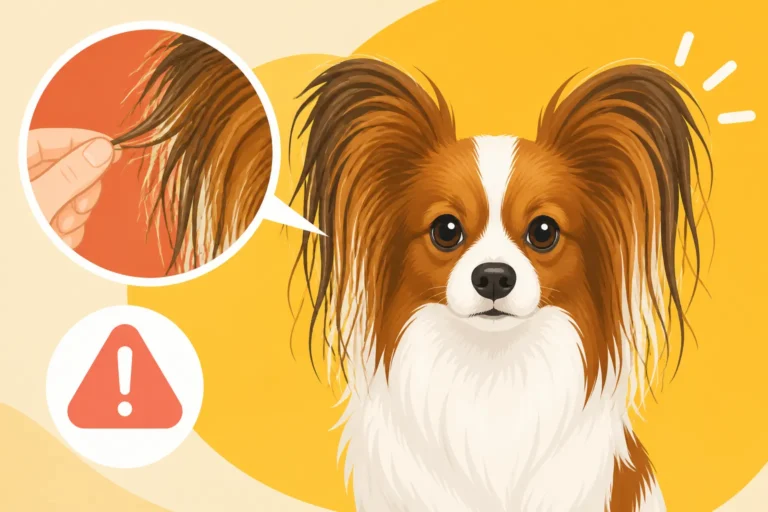
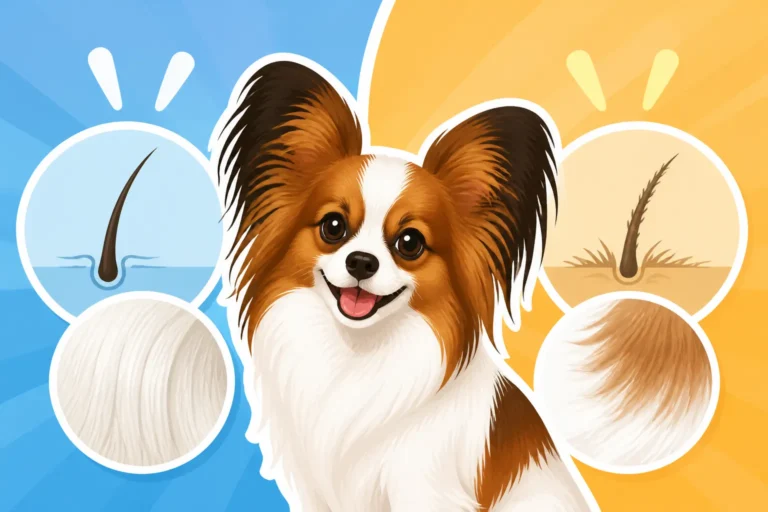
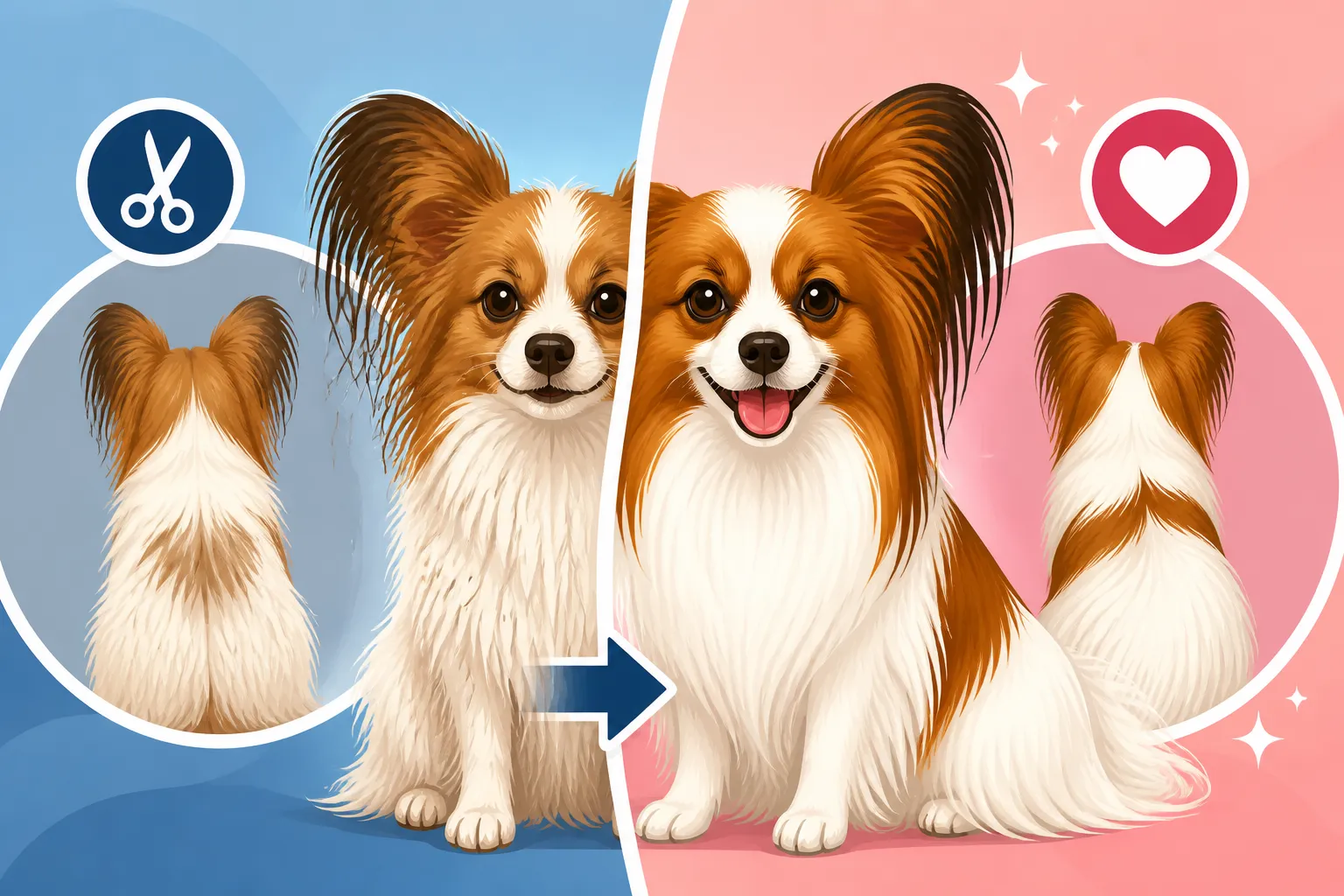
One of the most frequently reported changes in spayed Papillons is a shift in coat texture. Before spaying, a Papillon's coat is typically described as fine, silky, and relatively straight. After spaying, some owners find the coat becomes noticeably softer, almost "cottony" or "fluffier." This can be a delightful change for some, but it can also make the coat more prone to tangling and matting. The silkiness might give way to a slightly denser, more voluminous feel, particularly on the body, culottes, and behind the ears where the hair is already longer.
Imagine brushing through your Papillon's ear fringe before spay and feeling that smooth, sleek flow. Post-spay, you might notice a little more "grip" or a tendency for the individual hairs to cling together, forming small knots more easily. This change in texture often means you'll need to be more diligent with your daily or every-other-day brushing routine. The good news is, for a breed with such an exquisite coat, a little extra attention can go a long way in maintaining its beauty.
Shedding Patterns
Shedding is another area where spaying can sometimes cause a shift, though it varies widely. Some owners report that their spayed Papillon sheds less than before, which is often a welcome side effect! The hormonal cycles that trigger seasonal shedding can be lessened without the natural peaks and troughs of estrogen. This can result in a more consistent, but lower, level of shedding year-round.
On the flip side, a smaller percentage of Papillons might experience an increase in shedding, or a change in the type of shedding, where the coat seems to "blow" more often. This could be due to a shortened growth phase, causing hairs to cycle out more rapidly. It's also possible to see no significant change at all. If you suddenly notice excessive shedding that seems unusual, it's always wise to consult your vet to rule out other causes like diet deficiencies, parasites, or underlying health issues. A healthy Papillon's shed coat actually ends up on your furniture and floors, not typically causing large clumps on the dog itself, so any marked change is worth noting.
Hair Growth and Thickness
While Papillons don't typically develop the dense, woolly "spay coat" seen in some double-coated breeds like Golden Retrievers or Shetland Sheepdogs, you might still observe changes in hair growth and overall thickness. Some owners report that the coat seems to grow a little slower or, conversely, appears slightly thicker and fuller due to the texture change described above. This isn't usually an increase in undercoat (as Papillons have very little to begin with), but rather a different quality to the guard hairs.
For example, the long fringe on the ears, the chest frill, and the culottes might feel more substantial. If you typically trim your Papillon's feet or sanitary areas, you might find the hair regrows at a different pace or with a slightly altered feel. It's truly individual, and two Papillons from the same litter could react differently to spaying. Patience and careful observation are your best tools here.
Color and Luster
Changes in coat color or overall luster are less common after spaying, but they can occasionally happen. Sometimes, a previously vibrant coat might appear a little duller, especially if the dog's overall health or diet isn't perfectly balanced to support the new hormonal state. This isn't directly caused by spaying itself but rather by the body adjusting, and sometimes needing extra nutritional support.
You might notice a subtle shift in the intensity of your Papillon's patches, or the white areas appearing less bright. This is rarely a permanent or dramatic change and is often easily addressed through diet and proper grooming. If you're concerned about a dull coat, ensure your dog is on a high-quality diet rich in essential fatty acids. Sometimes, a good conditioning spray during brushing can also restore a healthy sheen.
Managing Coat Changes in Your Spayed Papillon
Discovering that your beautiful Papillon's coat has changed after spaying can be a little disheartening, but it's far from insurmountable. With a few targeted adjustments to your care routine, you can help her maintain that gorgeous, silky appearance. It's all about understanding her new needs and providing the right support.
Grooming Adjustments
The most immediate and often most effective way to manage post-spay coat changes is through your grooming routine. If the coat becomes softer or more prone to tangling, increased frequency and the right tools are paramount. Instead of brushing a couple of times a week, you might find yourself needing to do a quick brush-through every day or every other day. This is especially true for those long, exquisite ear fringes, tail plume, and culottes. Why a Papillon's Long Coat Takes Twenty Minutes a Week is a great resource for getting into a routine.
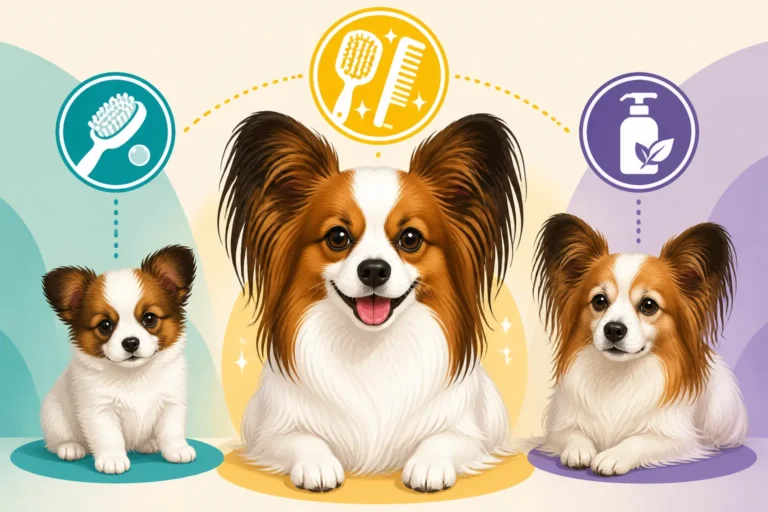
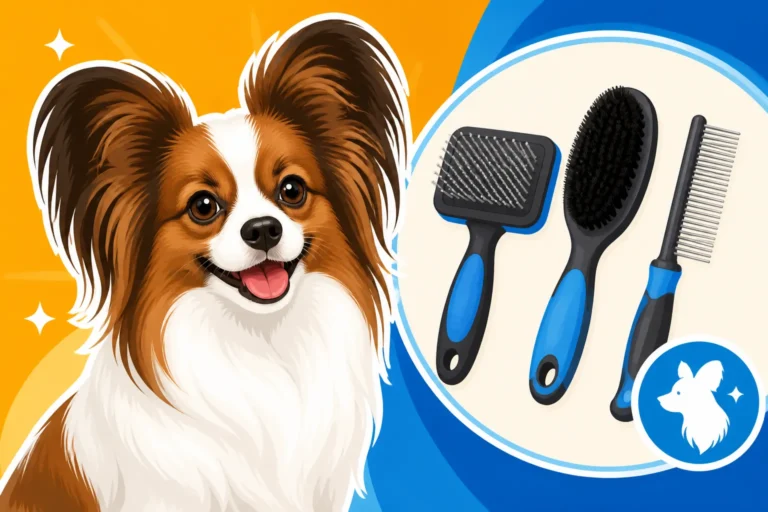
Invest in a good quality pin brush with polished tips to glide through the longer sections without snagging, and a fine-toothed metal comb for checking behind the ears and in the "armpits" where mats love to form. A detangling spray can become your best friend, especially when dealing with any newfound fluffiness. Brands like Chris Christensen or Cowboy Magic offer excellent detangling products that can make brushing much easier. You can find a great selection of pin brushes and fine-toothed combs on sites like Amazon or Chewy. Remember, the goal is to prevent mats from forming, not to yank them out once they're tight. Regular, gentle brushing will keep the coat flowing freely and prevent discomfort for your dog. For specific advice, check out Which Brush a Papillon Needs and How Often a Papillon Needs Brushing.
Nutritional Support for Coat Health
Diet plays an enormous role in coat health, and it becomes even more critical when a dog's hormonal balance shifts. To support a healthy, shiny coat after spaying, focus on providing a high-quality diet rich in omega-3 and omega-6 fatty acids. These essential fats are the building blocks for healthy skin and lustrous hair. Look for dog foods that list ingredients like fish oil, flaxseed, or salmon.
If your Papillon's diet isn't naturally rich in these omegas, consider adding a supplement. Fish oil (salmon, sardine, anchovy) is a popular and effective choice, but always consult your vet for the correct dosage based on your dog's weight. Some fresh food options, like those offered by Ollie, are formulated to provide excellent nutrition, which often translates to better coat health. Alternatively, you can find a wide range of reputable omega supplements on Chewy or Amazon. Don't forget the importance of high-quality protein too, as hair is primarily protein. A balanced diet not only helps with coat condition but also contributes to overall vitality. Feeding a Papillon That Weighs Seven Pounds covers the importance of proper nutrition for this small breed.
Regular Vet Check-ups
While coat changes are often normal after spaying, any significant or concerning shifts should always be discussed with your veterinarian. A vet can rule out other potential causes for changes in coat texture, shedding, or luster, such as allergies, parasites, hypothyroidism, or other underlying medical conditions.
Your vet might suggest specific supplements, recommend a prescription diet, or perform diagnostic tests if they suspect something beyond normal hormonal changes. They can also offer guidance on managing any weight gain that might occur post-spay, as excess weight can indirectly affect coat health and overall well-being. A healthy Papillon from the inside out will always have the best chance at a beautiful coat.
Beyond the Coat: Other Post-Spay Considerations for Papillons
While you're likely focused on how spaying affects your Papillon's gorgeous coat, it's part of a larger picture of post-operative care and long-term well-being. The hormonal changes extend beyond just hair follicles, influencing other aspects of her health and even behavior. Addressing these holistically ensures your Papillon remains happy and healthy for years to come.
Weight Management
One of the most common and often overlooked changes after spaying is a shift in metabolism. With the ovaries removed, a dog's metabolic rate can decrease, making them more prone to weight gain. This isn't just about aesthetics; excess weight can have serious health implications for a Papillon, putting extra strain on delicate joints and contributing to other health problems like diabetes or heart disease. Signs a Papillon Is Overweight is an important read to help you monitor your dog's condition.
It’s crucial to proactively manage your spayed Papillon’s caloric intake and exercise levels. You might need to slightly reduce her food portions or switch to a lower-calorie dog food specifically designed for spayed or less active dogs. Regular, consistent exercise remains vital. Even though Papillons are small, they are active little dogs who love their walks and playtime. Monitoring her weight with weekly weigh-ins for a few months after spay, and then monthly, will help you catch any upward creep early. Remember, Why an Overweight Papillon Strains Its Knees highlights a very common concern for this breed.
Skin Health
Since the coat is an extension of the skin, it's logical that skin health can also be impacted by hormonal changes. A decrease in estrogen can sometimes lead to drier skin, which in turn can make the coat appear duller or more prone to static. Conversely, some dogs might experience slightly oilier skin if other hormonal balances shift.
Pay attention to any flakiness, redness, itching, or changes in skin odor. Regular grooming, including gentle bathing with a moisturizing shampoo and conditioner, can help maintain skin hydration. If you notice persistent skin issues, your vet can recommend specific topical treatments or dietary adjustments. The goal is to keep both skin and coat in optimal condition, supporting each other. Whether a Papillon Gets Dry Skin offers more insights into this specific concern.
Behavior Shifts
While less directly related to the physical coat, it's worth noting that behavior can also subtly shift after spaying. Many owners report a calmer, more settled demeanor, as the hormonal drive associated with heat cycles is eliminated. This can reduce behaviors like roaming, marking, or increased anxiety during estrus.
However, some dogs might become slightly less confident or more prone to anxiety if they were already predisposed. It's important to remember that every dog is an individual, and behavioral changes are not guaranteed or always predictable. Continue with positive reinforcement training, provide plenty of mental stimulation, and maintain a consistent routine. If you notice any concerning behavioral changes, consult with a professional dog trainer or your veterinarian. Overall, spaying typically contributes to a more stable and focused companion, making them even more delightful to live with over their How Long a Papillon Lives.
| Feature | Pre-Spay Papillon Coat | Post-Spay Papillon Coat (Potential Changes) | Care Adjustments Needed |
|---|---|---|---|
| Texture | Fine, silky, smooth, flowing | Softer, cottony, slightly fluffier, sometimes denser | More frequent brushing, detangling spray, pin brush, comb |
| Shedding | Moderate, often seasonal | Varies: can decrease, increase, or stay the same | Regular brushing (especially during shedding phases) |
| Growth/Thickness | Consistent growth, elegant fringe | May appear slightly fuller, slower regrowth possible | Consistent grooming to prevent mats; trim as needed |
| Luster/Shine | Vibrant, naturally shiny | Potentially duller if diet/skin health isn't optimal | High-quality diet, omega supplements, conditioning spray |
| Matting Tendency | Moderate, mainly behind ears/culottes | Increased, especially with softer texture | Daily brushing, thorough combing, quick mat removal |
Disclaimer
This article is for general informational purposes only and does not constitute professional advice. Laws, prices and regulations vary by location and change over time. Consult a qualified professional for guidance on your specific situation.