Signs a Papillon Puppy Is Not Thriving
It's absolutely heartbreaking, and honestly, terrifying, to see your tiny Papillon puppy, full of potential and mischief, just… not quite right. You bring them home, brimming with excitement for all the joy they'll bring, and then you start noticing little things. Maybe they're not eating with gusto, or they seem unusually quiet. That gnawing feeling in your stomach, the one that whispers, "Is my puppy okay?" is a fear every dedicated pet parent has faced. This guide is here to help you understand the subtle, and not-so-subtle, signs that a Papillon puppy isn't thriving, and what crucial steps you need to take to get them back on track.
What "Not Thriving" Even Means in a Papillon Puppy
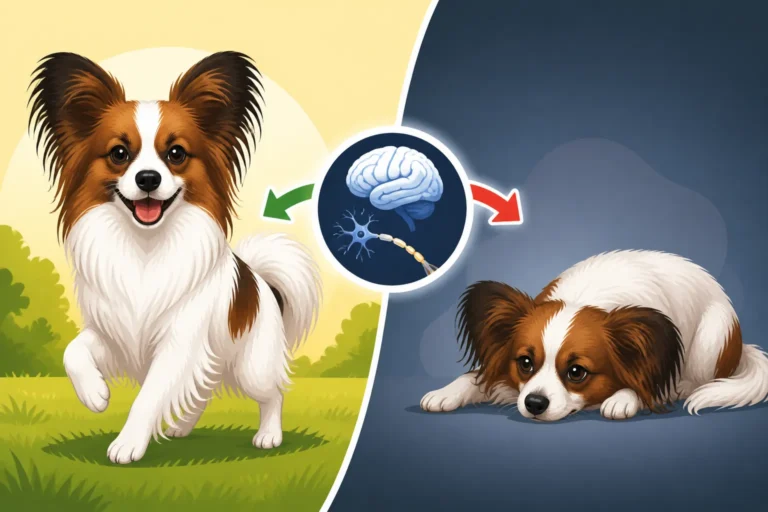
When we talk about a puppy "not thriving," it's more than just a vague feeling; it refers to a set of physical and behavioral indicators that suggest a young dog isn't developing and growing as it should. For a breed as delicate and small as the Papillon, these signs can be especially subtle and demand keen observation. Their tiny size means that even minor issues can quickly escalate into serious health concerns, making early detection paramount. It’s not about perfection, but about consistent, healthy progress.
More Than Just Being Picky: Understanding the Subtle Signals
Sometimes, a puppy might seem a bit off for a day, perhaps a little quiet or not as enthusiastic about their food. This can be normal; puppies, like human babies, have their off days. However, with a Papillon, a persistent "off" feeling is a massive red flag. We’re looking for a pattern, a deviation from what you've observed as their normal, burgeoning puppy energy. Are they consistently less playful? Do they nap more than seems typical, even for a growing pup? Does their curiosity, which should be boundless, seem muted? These aren't just quirks; they can be quiet pleas for help.
It’s easy to dismiss these subtle changes, especially if you’re a first-time Papillon owner and aren't sure what "normal" looks like for the breed. Papillons are known for their intelligence and vivacious spirit, even as tiny puppies. So, if your little one isn't showing that spark, that keen interest in their surroundings, or that eager response to your presence, it's worth a closer look. A healthy Papillon puppy should be a bundle of curious energy, exploring, sniffing, and interacting.
The Weight Factor: Why Every Ounce Counts for Tiny Pups
For a Papillon puppy, weight isn't just a number on a scale; it's a vital sign of their overall health and development. These dogs are inherently small, and their weight gain, or lack thereof, can be a direct indicator of whether they are getting enough nutrition and absorbing it properly. You should be Weighing a Papillon Puppy Every Week. Even half an ounce can make a significant difference in their trajectory, especially in the crucial first few weeks and months of life.
A Papillon puppy that isn't thriving will often fail to gain weight consistently or might even lose weight. This is particularly concerning because puppies have very little reserve. Unlike larger breeds, a Papillon doesn't have much body mass to spare if they're not eating properly or if an illness is draining their resources. If you notice their ribs becoming more prominent, their little belly looking sunken, or their growth simply not keeping pace with their littermates (if you have them, or with typical breed growth charts), it’s a serious indicator that something is amiss. Consistent monitoring of their weight is perhaps the single most important tool in catching a "failure to thrive" early.
Common Physical Signs a Papillon Puppy Isn't Doing Well
Beyond the general sense of "not thriving," there are specific physical symptoms that can point to underlying health issues. These signs are often more concrete and, while they might seem minor individually, can collectively paint a picture of a puppy in distress. Paying close attention to these details can help you provide your veterinarian with critical information.
Digestive Troubles: When Tummy Issues Are a Red Flag
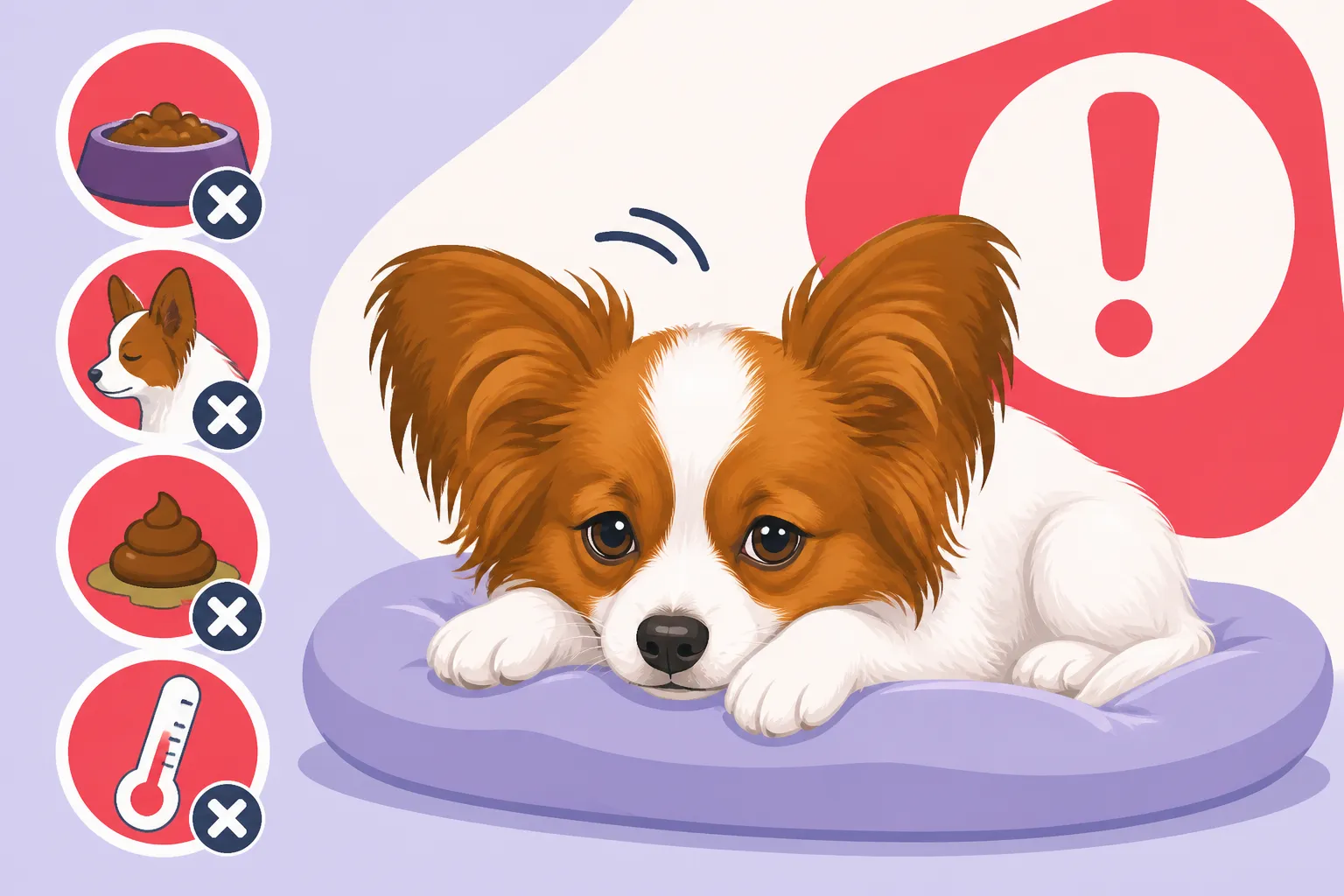
Puppies, especially small ones, can have sensitive tummies. A mild bout of diarrhea or a skipped meal isn't always an emergency, but when digestive issues become persistent or severe, they are a major cause for concern. For a Papillon puppy, consistent vomiting, chronic diarrhea (especially if it's watery, bloody, or has a strong, foul odor), or persistent constipation are signs that their digestive system isn't functioning correctly. They might also appear bloated or express pain when you gently touch their abdomen.
These issues can quickly lead to dehydration and nutrient malabsorption, which is incredibly dangerous for a small pup. Think about how quickly a human infant can become dehydrated – it's much the same for a tiny Papillon. If your puppy is constantly having runny stools, they're losing vital fluids and electrolytes. This can rapidly deplete their energy reserves and make them feel weak and lethargic. You might even observe them eating feces, which can be a sign of nutrient deficiency.
Energy Levels and Demeanor: Beyond Just Being Sleepy
All puppies sleep a lot; they’re growing machines, after all. But there's a world of difference between a soundly sleeping puppy and one who is truly lethargic. A thriving Papillon puppy will have bursts of playful energy, exploring their surroundings, pouncing on toys, and engaging with you. If your puppy is consistently drowsy, uninterested in play, doesn't respond with their usual excitement when you approach, or struggles to get up and move around, that’s a significant red flag.
This lethargy can sometimes manifest as a general weakness or an inability to maintain their body temperature effectively, particularly in very young or underweight puppies. They might feel cold to the touch, even in a warm room, because their tiny bodies lack the energy to regulate their temperature. This can be an early indicator of serious issues like Signs a Papillon Puppy Has Low Blood Sugar, which can quickly become life-threatening for such small dogs. A lack of engagement, or a puppy that just lies there looking glazed over, demands immediate veterinary attention.
Coat and Skin Clues: External Indicators of Internal Problems
A healthy Papillon puppy should have a soft, shiny coat that feels smooth to the touch. Their skin should be supple, free from excessive flakiness, redness, or lesions. If you notice their coat looks dull, dry, brittle, or is thinning, it can be a sign of poor nutrition or an underlying health problem. Matted or dirty fur, especially around the hindquarters due to persistent diarrhea, is also an issue that needs to be addressed immediately.
Beyond the coat, look at their eyes and gums. Healthy gums should be pink and moist. Pale or white gums, or gums that appear very dry and tacky, are critical signs of dehydration or anemia. Their eyes should be clear and bright, free from excessive discharge or cloudiness. A puppy with sunken eyes or dull, listless eyes can indicate serious dehydration or illness. These are visual cues that are easy to overlook, but they provide crucial insight into your puppy’s internal state.
Behavioral Red Flags: When Your Papillon Puppy Acts Off
It's not just about what you see; it's also about how your puppy acts. Behavioral changes can be incredibly telling, often signaling discomfort, pain, or a general feeling of being unwell. Since puppies can't tell us what's wrong, we have to become experts in reading their subtle cues.
Changes in Appetite and Drinking Habits
One of the most immediate and concerning behavioral changes is a deviation in eating and drinking habits. A thriving Papillon puppy should approach their food bowl with enthusiasm. If your puppy is refusing to eat, or only picking at their food, it’s a significant problem. Small breeds are particularly prone to hypoglycemia if they go too long without food, so a lack of appetite can quickly spiral into an emergency. You might be wondering How Often a Papillon Puppy Should Be Fed to avoid such issues.
Equally important is their water intake. Is your puppy drinking excessively, or hardly at all? Both extremes can indicate health issues. Excessive thirst might point to kidney problems or even diabetes, while a refusal to drink will lead to rapid dehydration. Observe if they are actually consuming the food and water or just nudging it around. Sometimes, dental pain or nausea might cause them to show interest but then turn away from the bowl.
Lethargy and Disinterest: A Puppy Who Doesn't Want to Play
As mentioned earlier, lethargy is a big one. But let's differentiate this from just being sleepy. A non-thriving puppy won't just be napping; they'll often appear profoundly uninterested in activities that typically excite a healthy pup. They might ignore their favorite toys, show no inclination to chase a tossed treat, or just lie passively when you try to engage them. Their tail, which should be wagging at the mere sight of you, might be tucked or still.
This disinterest can extend to their interactions with you or other household members. A healthy Papillon puppy is generally very social and loves attention. If your puppy is withdrawing, seeking solitude, or seems irritable when handled, it could be a sign of pain or sickness. This isn't just a "mood"; it's a distress signal. When your little butterfly dog seems to have lost its flutter, it's time to pay close attention.
Whining, Crying, or Hiding: Unexplained Discomfort
Puppies communicate through sounds and body language. Persistent whining, crying, or yelping that seems unprovoked or prolonged is a strong indication of pain or discomfort. They might be trying to tell you that something hurts, or they simply don't feel well. This isn't the occasional "I want attention" whine; it's a sustained vocalization of distress.
Similarly, a puppy that suddenly starts hiding more than usual, avoiding interactions, or retreating to quiet, out-of-the-way spots, could be trying to self-soothe or avoid perceived threats while they feel vulnerable. This is especially telling in a Papillon, a breed that usually thrives on being part of the family action. If your normally bold little friend is suddenly retreating into a shell, it’s a significant behavioral shift that warrants investigation.
What to Do Immediately When You Spot Trouble
If you’ve identified any of these signs in your Papillon puppy, don't panic, but do act swiftly. Time is often of the essence with small puppies, and a quick response can make all the difference.
The Critical First Steps: Contacting Your Veterinarian
The absolute first thing you need to do is call your veterinarian. Don't wait to see if things improve "overnight" or in "a few hours." Explain your concerns clearly and describe all the symptoms you've observed. Be prepared to bring your puppy in for an emergency visit. Your vet is the only one who can properly diagnose what’s going on and provide appropriate treatment. This isn't the time for self-diagnosis or waiting.
It's helpful to have a vet in mind even before you bring a puppy home. Look for a clinic with experience treating small breeds, as they can have unique physiological needs. Having a pet insurance plan like Healthy Paws in place from an early age can also alleviate some of the financial stress associated with unexpected emergency vet visits, allowing you to focus purely on your puppy's care.
Supportive Care at Home: Keeping Your Puppy Comfortable
While waiting for your vet appointment, you can provide some supportive care at home. Keep your puppy warm. A Papillon puppy can get cold quickly when unwell. Use a soft blanket, a warmed towel, or a gentle heating pad (on a low setting, with a barrier cloth, to prevent burns). Offer small amounts of water or an electrolyte solution if recommended by your vet to combat dehydration. If they are showing signs of low blood sugar, your vet might advise you to rub a little karo syrup or honey on their gums. This is often the immediate action needed when a puppy is crashing, as detailed in What to Do When a Papillon Puppy Crashes.
Ensure they have a quiet, peaceful place to rest, away from household commotion. Limit interaction with other pets or overly enthusiastic children. Your goal is to keep them as comfortable and stress-free as possible until they can be seen by a professional. Remember, these are just temporary measures; they are not a substitute for veterinary care.
Preparing for the Vet Visit: What Information to Gather
When you head to the vet, the more information you can provide, the better. Take notes on:
- When the symptoms started.
- The exact nature of the symptoms (e.g., "diarrhea, watery, 3 times today").
- Their eating and drinking habits over the past 24-48 hours.
- Their last bowel movement and urination.
- Any recent changes in diet, environment, or routine.
- Vaccination history.
- If they were bought from a breeder, any information provided about their parents' health or testing results, as discussed in What a Papillon Breeder Should Have Tested.
Also, be ready to share the puppy's weight history if you've been tracking it, and bring a stool sample if possible. All these details, no matter how small they seem, can help your vet piece together the puzzle and arrive at an accurate diagnosis faster.
Here's a quick reference table of signs:
| Category | Thriving Papillon Puppy Signs | Non-Thriving Papillon Puppy Signs |
|---|---|---|
| Weight | Consistent, steady weight gain, growing proportionally. | Failure to gain weight, weight loss, appearing underweight. |
| Appetite | Enthusiastic eater, finishes meals. | Refusal to eat, picks at food, prolonged anorexia. |
| Energy | Playful, curious, bursts of energy, appropriate napping. | Lethargic, excessively sleepy, uninterested in play/surroundings. |
| Digestion | Formed, consistent stools; no vomiting. | Chronic diarrhea, vomiting, constipation, bloated abdomen. |
| Demeanor | Alert, responsive, social, seeks interaction. | Withdrawn, hiding, irritable, unresponsive to cues. |
| Coat/Skin | Soft, shiny coat; clear eyes; pink, moist gums. | Dull, brittle coat; pale gums; sunken or dull eyes. |
| Vocalization | Normal puppy sounds, occasional playful yelps. | Persistent whining, crying, yelping, signs of pain. |
Preventing Failure to Thrive: Best Practices for Papillon Puppies
While some health issues are unavoidable, many instances of "failure to thrive" can be prevented with diligent care and responsible choices from the very beginning. Investing time and effort upfront will pay dividends in a long, healthy life for your Papillon.
The Importance of a Reputable Breeder
Choosing your Papillon puppy from a reputable, ethical breeder is perhaps the single most important preventative measure you can take. A good breeder prioritizes health, temperament, and proper socialization. They will conduct health screenings on the parents for conditions common in Papillons, such as Progressive Retinal Atrophy (PRA1) and patellar luxation, and be transparent about their breeding practices. They will also properly socialize their puppies and ensure they are well-nourished and vet-checked before they go to their new homes. What Health Results a Papillon Breeder Should Show you includes verifiable health clearances.
Puppies from responsible breeders are typically healthier, have stronger immune systems, and are less prone to issues like parasites or congenital defects that can cause them to fail to thrive. They also ensure the puppy is old enough to leave its mother, usually around 10-12 weeks, which is crucial for physical and emotional development and helps steady their blood sugar. Reputable breeders understand the critical needs of a growing Papillon and will provide comprehensive support and advice.
Proper Nutrition and Feeding Schedules
For a Papillon puppy, proper nutrition isn't just about feeding; it's about tailored care for their tiny, fast-growing bodies. They need high-quality puppy food specifically formulated for small breeds, with the right balance of nutrients to support their rapid development. Overfeeding or underfeeding can both lead to problems. Always follow the guidelines on the food packaging and consult your vet for specific recommendations.
Crucially, Papillon puppies need frequent, small meals throughout the day to prevent hypoglycemia. This condition, low blood sugar, is a serious threat to small breed puppies. Your vet or breeder might advise you on Whether a Papillon Puppy Should Be Fed Overnight in their very early weeks to maintain stable blood sugar levels. Regular feeding helps to ensure a steady supply of energy for growth and prevents the sudden "crashes" that can indicate a severe problem. Always make sure fresh water is available.
Creating a Safe and Nurturing Environment
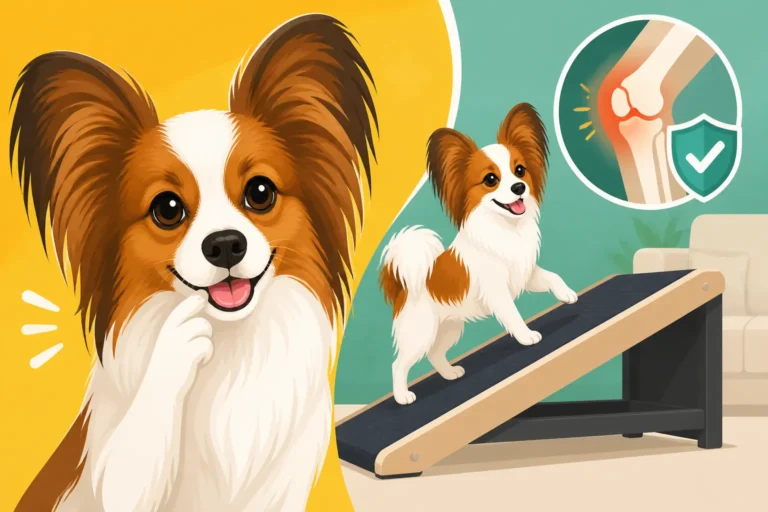
A new puppy needs a secure, calm, and stimulating environment to thrive. This means a clean living space, appropriate bedding, and access to safe toys. Puppy-proofing your home is essential to prevent accidents and ingestion of harmful substances. Given their small size, a fall from a couch or an encounter with a heavy object can be devastating for a Papillon puppy. Think about ramps or steps for furniture to protect their developing joints, as even minor injuries can set back their development.
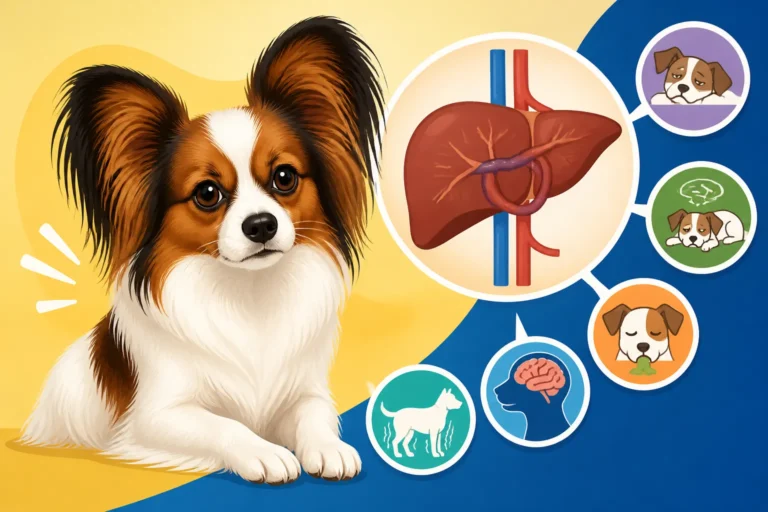
Emotional security is just as vital. Papillons are highly intelligent and bond closely with their families. They need consistent, positive reinforcement training, plenty of gentle handling, and safe opportunities for socialization. A stressed or anxious puppy can sometimes manifest physical symptoms, so a loving, predictable environment is key. Ensure your puppy completes The Vaccination Schedule a Papillon Puppy Needs and has regular vet check-ups. Addressing issues like The Age a Papillon Outgrows Hypoglycemia or considering Whether a Papillon Puppy's Bile Acids Should Be Checked if there are concerns about liver health, are all part of responsible ownership that promotes thriving. Providing comprehensive care, including routine vet visits and even considering pet insurance from a provider like Healthy Paws, can ensure you're prepared for any health challenges that arise, giving your Papillon the best chance to flourish.
Disclaimer
This article is for general informational purposes only and does not constitute professional advice. Laws, prices and regulations vary by location and change over time. Consult a qualified professional for guidance on your specific situation.