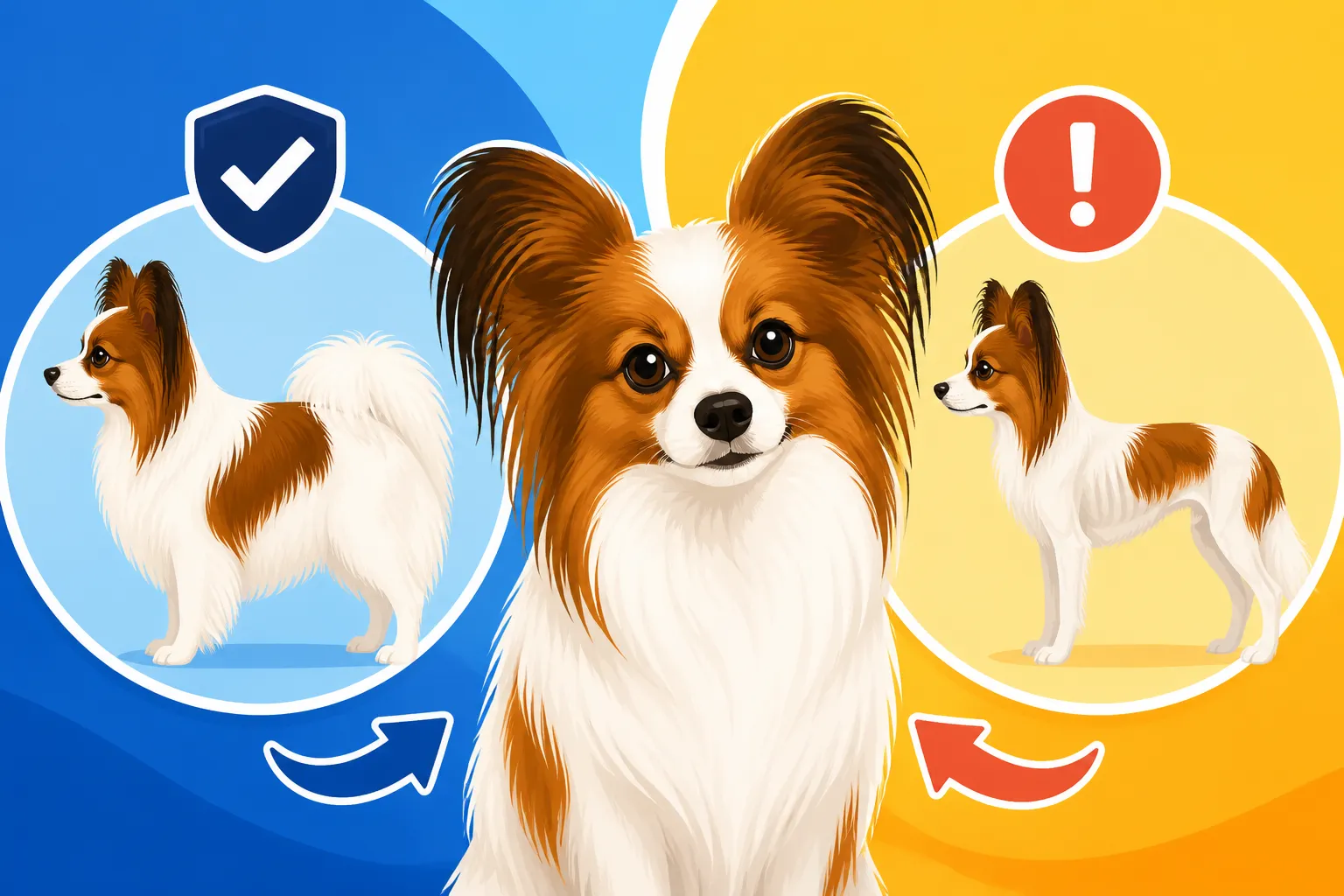
Whether a Papillon’s Coat Hides Weight Loss
It's a common worry for us Papillon parents: our little butterflies are so beautifully adorned with their flowing coats, that sometimes we can't help but wonder if that gorgeous fluff is hiding something. It’s easy to miss subtle changes under all that fur, especially when it comes to something as important as weight loss. This guide is here to help you cut through the illusion of the coat and accurately assess your Papillon's true physical condition, ensuring you can catch any issues early.
The Illusion of Fluff: Why a Papillon's Coat Can Be Deceiving
That magnificent coat, with its elegant fringes and feathered ears, is undeniably one of the Papillon's most striking features. But while it's a joy to behold, it can also be a master of disguise, making it tricky for even the most vigilant owner to detect weight loss until it's become quite significant.
The Nature of the Papillon Coat
Unlike many breeds that have a dense double coat, a Papillon's coat is a single layer, fine and silky to the touch, often described as having the texture of spun glass. It's designed to lie flat on the body but then burst into glorious, long fringes on the ears, chest, tail, and hindquarters. This creates a wonderful, airy volume that drapes beautifully. Because the Papillon's coat is called silky, it doesn't stand out from the body in a stiff way, but rather flows.
This very elegance is what makes it deceiving. The long hairs around the body, particularly the chest frill and culottes on the back legs, can make a dog appear fuller than they actually are. Even if your Papillon has lost a little bit of muscle mass or fat, the hair simply falls into that space, continuing to give the impression of a well-padded dog. Visually, everything might seem perfectly normal, leading owners to believe their little one is thriving.
How a Full Coat Masks Changes
Imagine your Papillon, prancing around with its tail plume waving like a flag. You look at them, and they seem robust, healthy, full of life. But beneath that flowing mantle, their ribs might be becoming more prominent, or their hip bones might be losing their protective layer of fat. The coat simply fills in the void where healthy fat and muscle once were.
This masking effect is particularly concerning because Papillons are small dogs. A loss of even a few ounces can represent a significant percentage of their body weight. For instance, a 5-pound Papillon losing just 8 ounces has lost 10% of its body weight, which is a substantial change that might be almost impossible to spot with just your eyes due to the hair. It's a frustrating reality that many Papillon owners face, often realizing their dog has become thinner only when they happen to give them a thorough petting or when a vet points it out. It can feel like a sudden revelation, leaving you wondering how you could have missed it.
Hands-On Assessment: Beyond What the Eye Can See
Since a visual check can be so misleading, the most reliable way to monitor your Papillon's weight and body condition is through regular, hands-on physical assessment. This means getting tactile and feeling for the subtle cues your dog's body offers, regardless of how fluffy their coat is.
The Rib Check: Your First Line of Defense
This is perhaps the most crucial check you can do at home. To perform a rib check, gently place both hands on either side of your Papillon's chest, just behind their front legs. Your fingers should be spread out, allowing you to feel the individual ribs.
- What you should feel in a healthy Papillon: You should be able to easily feel the ribs under a thin layer of fat and muscle, almost like feeling the knuckles on your hand with your palm flat. They should be distinct but not sharply protruding. There’s a slight cushion, but no need to press hard to locate them.
- What you might feel if they've lost weight: If your Papillon is underweight, their ribs will feel much more pronounced, sharp, and easy to count, almost like feeling the back of your hand where the bones are very close to the skin. There will be very little, if any, padding over them.
- What indicates they might be overweight: If you have to press firmly to feel the ribs, or if you can't feel them at all, your Papillon is likely carrying too much weight. You can also refer to an article that discusses what a Papillon should weigh to get a good baseline.
Perform this check regularly, perhaps weekly, so you get accustomed to what your individual Papillon's healthy ribcage feels like. It’s about learning their normal, not just a general guideline.
Spine and Hip Bone Assessment
After checking the ribs, move your hands along your Papillon's back, feeling their spine and then gently move down to their hip bones. Again, the goal is to feel for underlying structure through the coat and a thin layer of flesh.
- The Spine: Run your fingers along your Papillon's backbone. In a healthy Papillon, you should be able to feel the individual bumps of the vertebrae, but they shouldn't feel sharp or prominent. There should be a smooth, slight cushioning over them. If the spine feels like a string of beads or very sharp, with no padding, it's a strong indicator of weight loss.
- The Hip Bones: Gently feel the area over your Papillon's hips. In a healthy dog, the hip bones should be palpable but rounded, with some muscle and fat covering them. If they feel extremely sharp, prominent, and easily visible (or felt) even through the coat, your dog might be underweight. Remember, a certain amount of bony structure is normal, especially in a fine-boned breed like the Papillon, but excessive prominence is a red flag.
These areas, like the ribs, can be easily disguised by the long hair, so your fingers are your most reliable tools.
The Tummy Tuck and Waistline
Finally, assess your Papillon's overall body shape, both by sight (if possible) and by touch.
- The Waistline: Look at your Papillon from above. Even with their flowing coat, a healthy Papillon should have a distinct "tuck" or hourglass shape where their waist narrows behind the ribs and before the hips. If their body forms a straight line from their ribs to their hips, or bulges out, they are likely overweight. If the tuck is excessively deep and sharp, indicating a very narrow abdomen, it could signal being underweight.
- The Abdominal Tuck: From the side, a healthy Papillon should have an abdomen that tucks up slightly from their chest to their hind legs, rather than hanging low or appearing distended. A very exaggerated tuck, where the abdomen appears almost hollow, can be a sign of being too thin. Conversely, a sagging or bloated belly could indicate other issues or being overweight.
Combining all these physical checks provides a much more accurate picture than just glancing at your furry friend. Make it a routine, perhaps while you're enjoying some cuddle time, so it becomes a natural part of your bonding.
Subtle Signs of Weight Loss Beyond the Coat
While the physical feel is paramount, weight loss doesn't always show up just as a thinner body. Our clever little Papillons can sometimes hide their discomfort or subtle changes in other ways. Being attuned to their overall demeanor and habits can give you crucial early warnings.
Changes in Energy Levels and Behavior
Papillons are known for their boundless energy and zest for life. They are usually little bundles of enthusiasm, ready for a game of fetch or an agility run at a moment's notice. An unexplained drop in their usual pep is a significant indicator that something might be amiss.
If your normally sprightly Papillon suddenly seems more lethargic, less interested in their favorite games, or is sleeping more than usual, it’s worth paying attention. This isn’t always about "getting old"; sometimes, it’s their subtle way of telling you they’re not feeling quite right. A reduction in calorie intake or an underlying health issue can sap their energy, making them reluctant to engage. Remember, these dogs love to work, as exemplified by their prowess in sports. If a Papillon is not performing at its usual energy level, it's a notable change.
Appetite Changes and Eating Habits
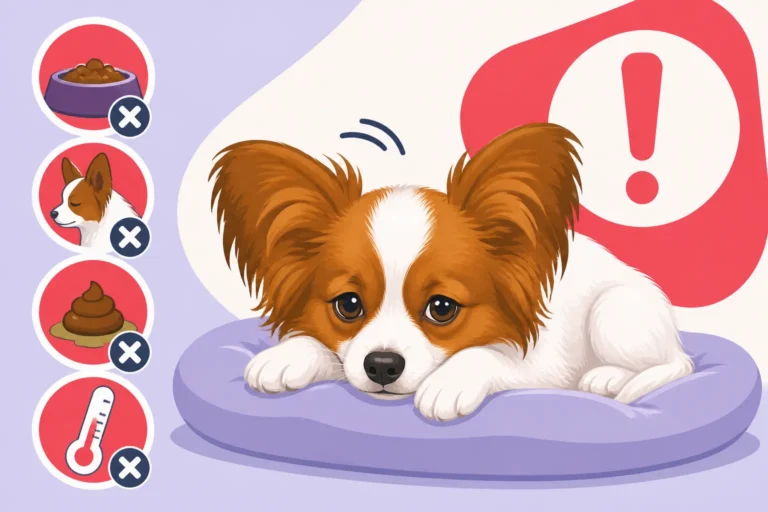
A Papillon’s appetite can sometimes be finicky, but a noticeable change in their eating habits should never be ignored. We all know how much a Papillon eats in a month, and a sudden deviation from their norm is a signpost.
Are they suddenly turning their nose up at food they usually adore? Are they eating significantly less, or taking much longer to finish their meals? While occasional pickiness can happen, a consistent reduction in appetite, or outright refusal to eat, could point to discomfort, nausea, or even pain. Dental pain, which is common in small breeds, could make eating uncomfortable. You might want to consider how early tartar appears on a Papillon, as this can lead to oral pain. Pay close attention not just to if they're eating, but how much. For a small breed, even skipping one meal can impact their delicate blood sugar levels, especially for puppies, who can be prone to hypoglycemia.
Other Physical Indicators
Beyond the immediate body condition, there are other physical signs that, while not directly weight-related, can accompany or indicate underlying issues leading to weight loss.
- Coat and Skin Condition: A dull, dry, or brittle coat that has lost its characteristic sheen might suggest nutritional deficiencies or health problems. Healthy skin and a vibrant coat are often reflections of internal well-being.
- Muscle Wastage: Even if the overall impression is one of fluffiness, feel your Papillon's muscles, especially over their shoulders and hindquarters. If they feel less firm or appear noticeably thinner, it's a sign of muscle loss. This can happen with age or illness.
- Changes in Stool Quality: Diarrhea or consistently poor stool quality means your dog isn't absorbing nutrients efficiently, which will lead to weight loss over time.
If you observe any of these signs alongside concerns about weight, it's crucial to consider consulting your veterinarian. Investigating potential health issues early, perhaps with the help of pet insurance like Healthy Paws, can make a significant difference in outcomes and manage unexpected costs.
When to Consult Your Vet and Proactive Steps
Knowing when to worry and what to do next is a big part of being a responsible Papillon owner. It’s easy to dismiss early signs, but proactive care is always the best approach for these delicate little dogs.
Tracking Weight and Regular Weigh-Ins
One of the most straightforward and effective ways to monitor your Papillon's weight is through regular weigh-ins. This cuts through all the coat illusion. For a small breed like the Papillon, even small changes can be significant.
- Consistency is Key: Aim to weigh your Papillon at the same time of day, perhaps weekly or bi-weekly, before their first meal. This consistency helps you get an accurate baseline.
- Home Scales: A small digital kitchen scale can be perfect for tiny Papillons, allowing you to get precise readings in ounces. For slightly larger Papillons, a baby scale or even a regular bathroom scale (weigh yourself, then weigh yourself holding your dog, and subtract) will work. Keep a simple log of the dates and weights. You'd be surprised how quickly a downward trend can become apparent when you have actual numbers.
- Vet Visits: Make sure to ask for your Papillon to be weighed at every vet visit, even routine ones. This is also a great opportunity to ask about how often a Papillon needs a wellness exam to ensure all health bases are covered.
Even a loss of a few ounces for a Papillon can indicate something serious, so don't dismiss small drops.
The Role of a Balanced Diet and Routine
Prevention is always better than cure, and a consistent, high-quality diet is fundamental to maintaining a healthy weight and overall well-being.
- Appropriate Food: Ensure you're feeding a high-quality, nutritionally complete dog food appropriate for their age and activity level. If your Papillon weighs seven pounds, you need to be very precise with their calorie intake. Small kibble sizes are often best, as it can be a struggle for a tiny Papillon to pick up large pieces.
- Consistent Feeding Schedule: Especially for puppies, consistent mealtimes are vital to prevent sudden drops in blood sugar. An adult Papillon usually does well with two meals a day. Monitor their intake closely and ensure they are finishing their portions.
- Avoid Over-Treating: While it’s tempting to spoil our little ones, too many treats can throw off their nutritional balance and lead to an overweight condition, which also stresses their small joints.
If your Papillon is struggling to maintain weight, your vet might recommend a higher-calorie diet or specific supplements. This is another area where having pet insurance, such as Healthy Paws, could be beneficial, covering special dietary needs if prescribed by a veterinarian for an underlying condition.
Communicating Concerns to Your Veterinarian
If you’ve noticed persistent weight loss, changes in appetite, lethargy, or any other concerning symptoms, don't hesitate. You are your Papillon's best advocate.
- When to Call: A sustained loss of even a few ounces, especially if accompanied by other behavioral or physical changes, warrants a call to your vet. Don’t wait until your Papillon looks emaciated; by then, the problem might be more advanced.
- What to Share: When you contact your vet, provide as much detail as possible. Be ready to discuss:
- The exact amount of weight lost and over what period (refer to your weigh-in log!).
- Any changes in their eating habits, including specific foods they're refusing.
- Changes in energy levels, sleep patterns, or playfulness.
- Any other new symptoms like vomiting, diarrhea, coughing, or limping.
- Early Intervention: For a breed with a long lifespan, like the Papillon, addressing health issues early is key to their continued well-being. The faster an underlying cause for weight loss is identified, the better the prognosis. Sometimes, the changes in an aging Papillon's care might be related to weight changes, and your vet can help you navigate these transitions.
Your vet can perform a thorough examination, including blood work and other diagnostics, to pinpoint the cause of the weight loss, whether it's a simple dietary adjustment or a more serious medical condition.
Disclaimer
This article is for general informational purposes only and does not constitute professional advice. Laws, prices and regulations vary by location and change over time. Consult a qualified professional for guidance on your specific situation.