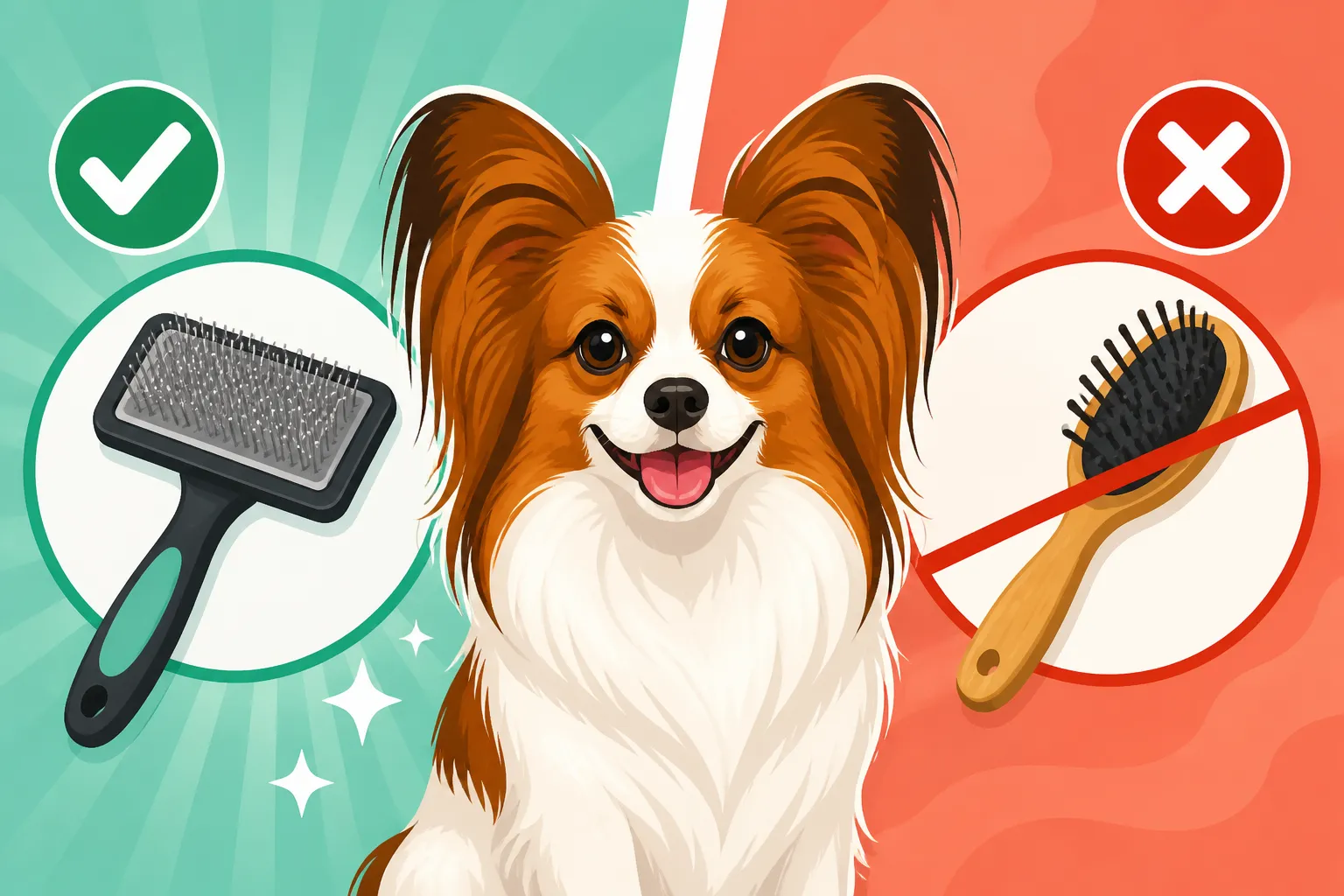
Whether a Slicker Suits a Papillon
Anyone who has ever admired the magnificent, flowing coat of a Papillon knows it's a thing of beauty, but it can also be a source of a little anxiety when it comes to grooming. You see all these different brushes out there, and it's easy to wonder if that seemingly aggressive slicker brush is really the right tool for such a delicate-looking dog, or if you're just going to pull out all that gorgeous hair. This guide will walk you through the nuances of Papillon grooming and help you understand when and how a slicker brush can be a valuable part of your routine without causing damage.
Decoding the Papillon's Feathered Coat: More Than Just Pretty Fringe
Before we even get to brushes, let's talk about what makes a Papillon's coat so unique. It's not just long; it has a very specific structure that impacts how we should approach grooming. Understanding this is key to choosing the right tools and techniques.
The Singular Nature of a Papillon's Hair
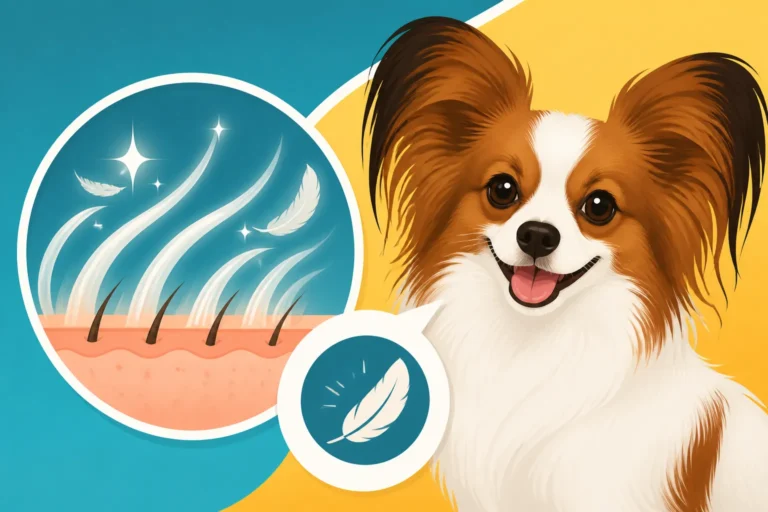
Unlike many long-haired breeds, a Papillon's coat is single-layered. That means there's no dense, fluffy undercoat beneath the longer guard hairs. This is a blessing and a curse, really. On one hand, it's why they shed less profusely than, say, a Pomeranian, and it generally means less matting if brushed regularly. You won't find tumbleweeds of undercoat floating around your house, which is a definite plus. A Papillon's Coat Is All Fringe and No Undercoat delves deeper into this particular characteristic.
However, this lack of an undercoat also means the long, silky strands are more exposed and can be more delicate. They can break more easily if roughly handled, and they can certainly still develop mats, especially in those magnificent ear fringes and culottes. It’s a fine, silky texture that feels beautiful to the touch but demands a gentle approach.
Where Mats and Tangles Love to Hide
Even with a single coat, Papillons are not immune to tangles. Those long, flowing fringes are beautiful, but they can catch on everything from burrs during a walk to a dropped piece of kibble. The most common culprits for matting are behind the ears, under the "armpits" where legs meet body, and in the "culottes" (the long hair on the back of their thighs) and the tail plume. Whether a Papillon Mats Behind the Ears and Whether a Papillon's Chest Frill Mats both explore these problem areas in more detail.
These areas experience a lot of friction and movement, which is a recipe for knots. If left unchecked, these small tangles can quickly escalate into tight mats that can pull on your Papillon's skin, causing discomfort and even skin irritation. Regular, thorough brushing is the only way to prevent these issues from taking hold.
The Slicker Brush for Papillons: Friend or Foe?
The slicker brush is often viewed with suspicion by owners of delicate-coated breeds. Its wire pins look intimidating, but when used correctly, it can actually be a very effective tool for maintaining that gorgeous Papillon coat.
What a Slicker Brush Is Designed For
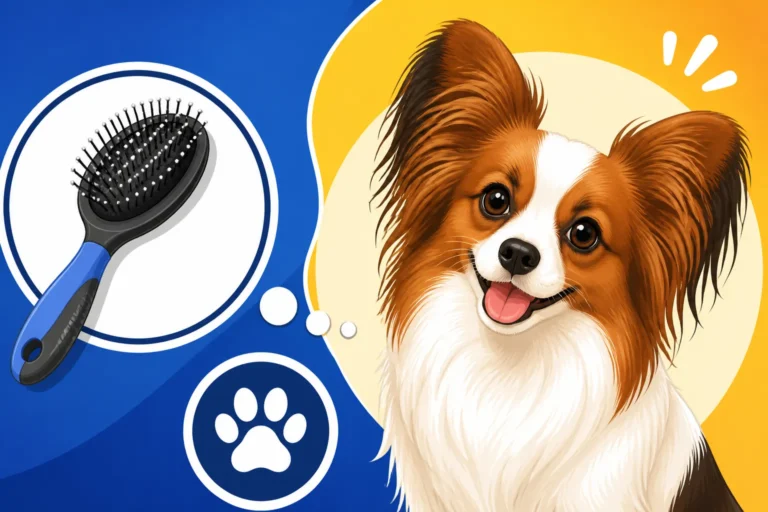
A slicker brush features a flat or curved head covered in fine, short, angled wire pins. These pins are designed to grab loose hair and work through tangles, separating individual strands. For dogs with thick undercoats, slickers are invaluable for removing dead hair and preventing matting from the skin up. For Papillons, however, their purpose is a little different.
For our butterfly-eared friends, a slicker brush isn't primarily for removing an undercoat that isn't there. Instead, it's excellent for tackling small tangles and smoothing out the long, silky topcoat. The fine pins can gently separate hairs that are just starting to knot, preventing them from becoming full-blown mats. It's about maintaining that flow and preventing bigger problems, rather than stripping out dead fluff.
The Fine Line Between Effective Grooming and Damaging the Coat
Here's the critical part: the success of a slicker brush on a Papillon lies entirely in the technique. Used with too much pressure or in a harsh, raking motion, those wire pins will pull and break your Papillon's delicate hair. You'll hear yelps, see hair on the brush, and potentially cause skin irritation. This is where the reputation of slicker brushes being "too harsh" often comes from.
However, when used with a very light hand, almost like you're barely touching the coat, a good quality slicker can be incredibly effective. It can tease out the beginnings of tangles, lift loose hairs, and smooth the overall coat without stripping it. It’s a tool that demands respect and a gentle touch, much like the Papillon itself. The key is to think of it more as a detangling and smoothing tool than a heavy-duty dematter.
Mastering the Slicker: Safe Techniques and What to Watch Out For
If you decide to incorporate a slicker brush into your Papillon's grooming routine, it’s absolutely essential to learn the right way to use it. Improper use can turn a helpful tool into one that causes discomfort and coat damage.
The Gentle Art of Slicker Brushing
When using a slicker on your Papillon, think "feather-light." You want to use the tips of the pins, not dig them into the skin. Here’s a basic approach:
- Preparation is Key: Start with a thoroughly clean and dry coat. Never brush a dirty or wet coat, as this can cause breakage and spread dirt. If there are any visible mats, don't just dive in with the slicker. Try to gently work them out with your fingers first, or use a detangling spray. Whether Detangler Helps a Papillon offers some great insights here.
- Section by Section: Don't try to brush the whole dog at once. Work in small sections, especially on the fringes and culottes. Hold the hair above the section you're working on to isolate it.
- Brush Lightly, Layer by Layer: With your free hand, hold a section of hair up, and then use the slicker to brush a small amount of hair underneath that section. Brush away from the skin, using short, gentle strokes. You're aiming to smooth and separate, not pull. Imagine you're dusting, not scrubbing.
- Listen and Watch: Pay close attention to your Papillon's reactions. If they flinch or show discomfort, you're either being too rough or have hit a tangle. Stop, check, and adjust your technique. You might need to go back to finger-combing a knot.
- Focus on Problem Areas: Spend extra time, gently, around the ears, under the legs, and on the culottes. These are the mat magnets.
- Finish with a Comb: After using the slicker, always follow up with a metal comb, ideally one with both wide and fine teeth. This allows you to check your work and ensure no small tangles were missed. If the comb glides through without snagging, you've done a great job!
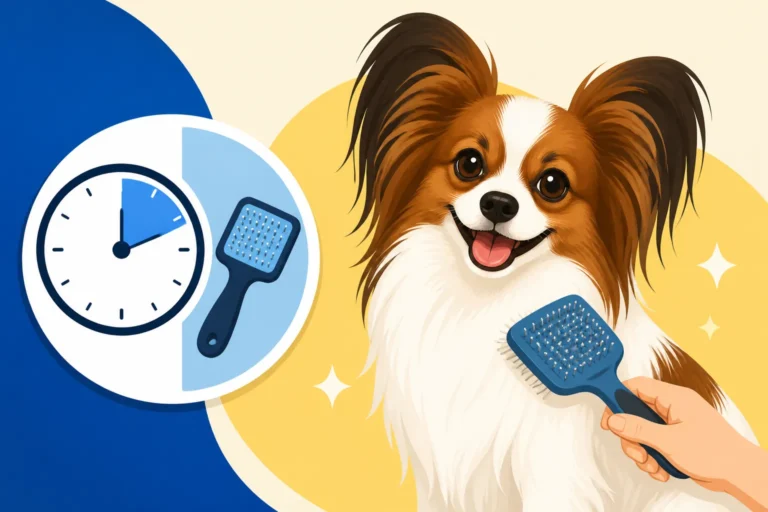
Remember, consistency is vital. Short, regular grooming sessions are far better than one long, difficult session every few weeks. How Long a Papillon Takes to Brush can give you an idea of how much time you should dedicate.
What to Look Out For: Signs of Too Much Pressure
It's important to recognize the signs that you might be using too much pressure or an incorrect technique with your slicker brush.
- Your Papillon is Pulling Away or Flinching: This is the most obvious sign. Your dog should tolerate grooming, and even enjoy it if introduced gently. Any sign of discomfort means you need to ease up.
- Excessive Hair on the Brush: While some loose hair is normal, if you're consistently pulling out large amounts of healthy-looking hair, you're likely being too aggressive. This is especially true for Papillons who don't have a lot of dead undercoat to shed.
- Redness or Irritation on the Skin: After brushing, check your dog's skin. If you see any redness, scratches, or irritation, you're definitely using too much pressure. This can lead to painful brush burn.
- Static and Frizz: Rough brushing can create static electricity in the coat, leading to frizz and hair breakage. This not only damages the coat but makes it harder to manage.
- Broken Hairs: You might notice tiny broken hairs floating or sticking out from the coat. This is a clear indicator that the delicate strands are not holding up to the force of the brush.
If you observe any of these signs, re-evaluate your technique, or consider trying a different brush or a detangling spray to help you out. You can find a good selection of quality slicker brushes and detangling sprays on retailers like Chewy or Amazon, often with customer reviews that can guide your choice.
Beyond the Slicker: Other Essential Tools and a Holistic Grooming Approach
While a slicker brush can be a useful part of your Papillon's grooming kit, it shouldn't be the only tool you rely on. A comprehensive approach involves a variety of brushes and combs, along with good habits.
A Grooming Toolkit for the Papillon Owner
To truly keep your Papillon's coat in tip-top condition, you'll want a few key items:
- Pin Brush: This is often the primary brush for a Papillon's long coat. The pins are usually softer and widely spaced, making it ideal for general detangling and fluffing without pulling. It's less aggressive than a slicker and great for daily maintenance. Whether a Pin Brush Suits a Papillon explores this tool in depth.
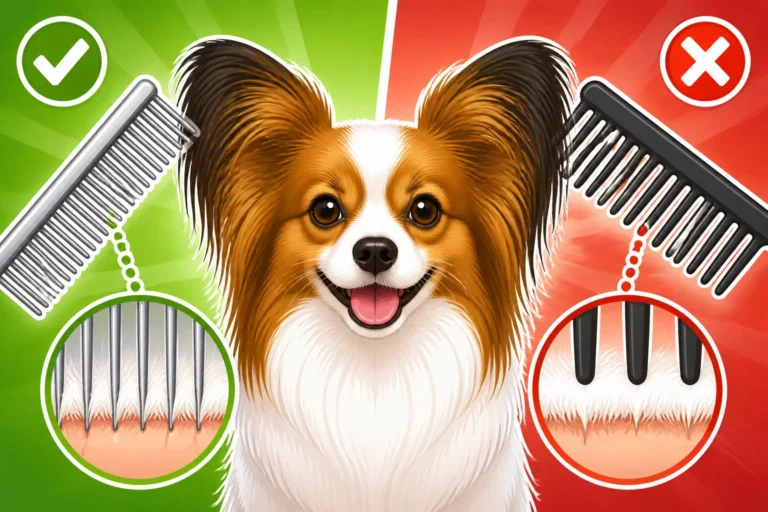
- Metal Comb (Wide and Fine Toothed): Absolutely indispensable. The wide teeth are for initial detangling and working through larger sections, while the fine teeth are perfect for checking for missed knots, especially in the fringes and behind the ears. This tool is your final quality control.
- Slicker Brush (Fine/Soft): As discussed, a gentle slicker brush can be used for light detangling and smoothing, particularly in areas prone to small knots. Look for one with softer pins.
- Detangling Spray: A good quality detangling spray can make a world of difference. Spritz it lightly on tangles before brushing to help the brush glide through, minimizing breakage and discomfort.
- Small Scissors with Blunt Tips: For safely cutting out stubborn, impossible-to-brush-out mats. Only use these as a last resort and with extreme caution, always pointing the blunt tips away from the skin.
Having this array of tools allows you to adapt your grooming to different situations and different parts of your Papillon's coat.
Grooming Practices for a Healthy, Happy Papillon
Beyond the tools, it's the routine and habits that truly count.
- Frequency is Key: Aim for at least 2-3 times a week for a thorough brush-out, and daily attention to the fringes and culottes. If your Papillon is particularly active or prone to getting into burrs, you might need to brush daily. How Often a Papillon Needs Brushing can help you determine the best schedule.
- Start Early: Begin grooming your Papillon puppy as soon as you bring them home. Positive reinforcement, gentle handling, and short, frequent sessions will teach them to tolerate and even enjoy grooming. This early training is invaluable for a lifetime of stress-free brush-outs.
- Make it a Positive Experience: Always associate grooming with positive things. Use treats, praise, and gentle touches. If your dog is getting stressed, take a break. You want them to look forward to this bonding time, not dread it.
- Check for Skin Issues: Grooming isn't just about the coat; it's an opportunity to check your Papillon's skin for any lumps, bumps, rashes, parasites, or dry patches. Early detection of issues can save a lot of trouble down the line.
- Consider Professional Help: While Whether Grooming a Papillon at Home Is Realistic suggests it's certainly possible, don't be afraid to consult a professional groomer for advice, especially if you're struggling with severe matting or want to learn proper techniques firsthand. They can offer guidance and even demonstrate how to best use your tools. Sometimes, a regular professional tidy-up can really help maintain the coat between your home sessions.
A slicker brush can suit a Papillon, but it's a tool that demands respect and a very gentle hand. When used correctly and in conjunction with other grooming essentials, it can help keep your butterfly dog's coat looking its magnificent best. Just remember: gentle, consistent care is the secret to a happy, tangle-free Papillon.
Disclaimer
This article is for general informational purposes only and does not constitute professional advice. Laws, prices and regulations vary by location and change over time. Consult a qualified professional for guidance on your specific situation.