Whether a Papillon Can Be Trusted Off Leash
Many Papillon owners dream of those idyllic moments where their little butterfly dog romps freely in an open field, ears flying, returning instantly to their side with a joyous bounce. The reality, however, often involves a sudden chase after a squirrel, a curious dash towards another dog, or a startling near-miss with a car because that "perfect recall" wasn't quite perfect. This guide is all about navigating the complexities of trusting your Papillon off-leash, understanding their unique personality, and making informed, safe decisions for their freedom.
Understanding the Papillon's Instincts and Why Off-Leash Trust Is Tricky
It's easy to look at a dainty Papillon and assume they're all fluff and cuddles, perfectly content to stay by your side no matter what. While they are incredibly devoted and love their people, they are still dogs, and like all dogs, they carry ancient instincts within them. These instincts, combined with their intelligent and often independent nature, can make reliable off-leash behavior a real challenge.
The Papillon's Hunting Heritage
Despite their toy breed status, Papillons often possess a surprisingly robust prey drive. They might not be bringing down deer, but a fluttering leaf, a scurrying mouse, or even a blowing plastic bag can ignite that deep-seated urge to chase. Picture this: you're walking in a seemingly safe park, your Papillon trotting happily beside you. Suddenly, a rabbit darts from the bushes. In a blink, your Papillon transforms into a tiny, agile hunter, deaf to your frantic calls as they give chase. This isn't disobedience; it's instinct. They're bred to be companion animals, but their lineage, however distant, still includes dogs that had to be alert and respond to their environment. This innate drive means that even the most well-behaved Papillon can be overcome by an irresistible urge to pursue something exciting.
This drive also plays into their remarkable curiosity. Papillons are intelligent and enjoy exploring. They use their keen senses to investigate every new smell, sound, and movement. What might seem like a simple distraction to us is a rich, stimulating world for them. They're not intentionally ignoring you; they're simply following their instincts to engage with their surroundings. Understanding that this behavior is often instinctual, rather than a sign of stubbornness, is the first step in managing it effectively. Remember, The Papillon Is the Smartest Toy Breed There Is, and that intelligence often comes with a strong sense of self and an eagerness to engage with the world on their own terms.
Distractions Are Everywhere
The world is a vibrant, chaotic place for a small dog like a Papillon, full of potential distractions that are often completely invisible to us. A faint scent of squirrel from yesterday, the distant sound of another dog barking, a child playing with a squeaky toy across the field—these can all be far more compelling than your voice in that moment. For a Papillon, whose world is often experienced close to the ground, these sensory inputs are amplified.
Imagine being in a busy train station and someone quietly calls your name from a block away. You'd likely miss it. That's often what it's like for a Papillon when their attention is fixated on something captivating. They simply don't register your command. This isn't a flaw in their character; it's a reality of their sensory experience and how their minds process information. Building reliable off-leash trust requires acknowledging that these distractions are powerful and working to make you the most rewarding thing in their environment.
Building a Reliable Recall: The Foundation of Off-Leash Freedom
If you ever hope to have your Papillon off-leash, a rock-solid recall isn't just a good idea—it's absolutely non-negotiable for their safety. This isn't about teaching them to come sometimes or when there's nothing better to do. It's about teaching them that coming to you is always the best decision they can make, no matter the distraction.
Starting Early and Making It Fun
Recall training should begin the moment you bring your Papillon puppy home. Even tiny puppies can start learning this vital skill. Begin in a distraction-free environment, like your living room or a securely fenced yard. Get down on their level, use a happy, excited tone, and call their name followed by your chosen recall cue (e.g., "Fifi, Come!"). As soon as they take even a single step towards you, praise enthusiastically and offer a super high-value treat – something they absolutely adore. Think tiny pieces of cooked chicken, cheese, or specialized training treats.
The key is to make coming to you a joyful, rewarding game, not a chore or a command they associate with ending their fun. Never use your recall cue to scold them, or to do something unpleasant like nail trims, especially when they are learning. If they think "come" means the fun stops, or worse, that they'll get in trouble, they'll learn to avoid it. Consistency at this early stage sets the foundation. Puppy classes, like those offered by BAXTER & Bella, often emphasize these foundational skills in a structured, positive reinforcement environment, which can be incredibly beneficial for both you and your Papillon.
Consistency, High-Value Rewards, and "Jackpot" Moments
As your Papillon grows, you need to maintain that excitement and high reward value. Don't fall into the trap of only rewarding them occasionally or with boring kibble once they "know" the command. Every single time they come when called, they should receive a reward that makes them think, "Wow, that was amazing! I definitely want to do that again!" Vary your rewards, too. Sometimes it's a treat, sometimes it's a favorite toy for a quick game, sometimes it's enthusiastic praise and belly rubs. The goal is to keep them guessing and keep them excited.
Introduce "jackpot" moments. These are extra special rewards for coming when faced with a significant distraction. Maybe it's a handful of treats, a new squeaky toy, or an extended play session. If your Papillon blows off a bird to come to you, that's a jackpot moment. These reinforce the idea that coming back is always worth it, even when the world outside is screaming for their attention. Practice this multiple times a day, every day, in short, positive bursts. Remember, What Motivates a Papillon often involves praise and treats, so lean into that!
Practicing in Diverse Environments
Once your Papillon has a reliable recall in a quiet, familiar setting, it's time to slowly introduce distractions. This is a gradual process. Start with a slightly more distracting area, like a friend's fenced yard with a few interesting smells. Then move to a quiet park during off-peak hours, using a long line for safety (more on that later). Never, and I mean never, test their recall in a high-risk environment for the first time without a long line or secure fencing.
The progression might look like this:
- Inside your home.
- Your securely fenced yard.
- A quiet, enclosed park.
- A quiet public park on a long line.
- A busier public park on a long line.
The key is to set them up for success. If you call them and they ignore you, you've asked too much too soon. Go back a step to an environment where they will succeed, rebuild their confidence, and then try again at a slightly higher level of distraction. Repetition in varied settings, always ending on a positive note, is what truly ingrains a reliable recall.
Assessing the Risks: When Off-Leash Is a Bad Idea
While the dream of off-leash freedom is lovely, it's crucial to be a realist. For a small dog like a Papillon, the risks associated with being off-leash can be severe, and sometimes, tragic. It's not just about how well your dog is trained, but also about the unpredictable nature of the world around you.
Traffic, Other Dogs, and Predators
One of the most immediate and terrifying risks is traffic. A Papillon, with their relatively small size, can be incredibly difficult for drivers to spot, especially if they dart into the road unexpectedly. Even a momentarily distracted driver could lead to disaster. It only takes a second. This is why areas near roads should always be considered high-risk zones where off-leash play is strictly forbidden.
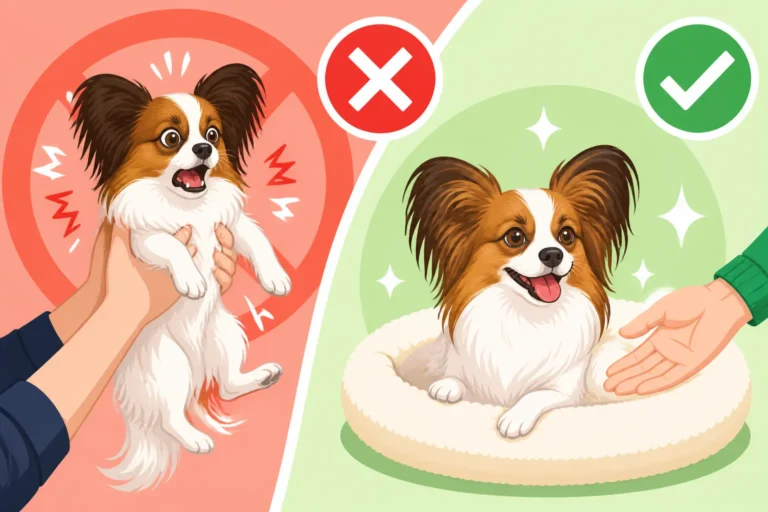
Then there are other dogs. Not all dogs are friendly, and even a well-meaning large dog could accidentally injure a delicate Papillon in play. Worse, some dogs have high prey drives or may be aggressive, viewing a small, scurrying Papillon as fair game. You simply cannot control the temperament or training level of every dog you encounter. Your Papillon might be perfectly friendly, but an off-leash encounter with an unknown, aggressive dog can have devastating consequences. Similarly, in rural or even suburban areas, coyotes, large birds of prey, or even larger domestic animals can pose a very real threat to a small dog. Many Papillon owners wonder Where a Papillon Gets Hurt Playing With Large Dogs, and the answer is often in accidental rough play or a simple misstep.
Legalities and Social Responsibilities
Beyond the immediate safety concerns, there are legal and social responsibilities to consider. Many public parks, trails, and open spaces have strict leash laws, and for good reason. These laws protect wildlife, maintain peace between park-goers, and prevent dog-on-dog incidents. Ignoring these laws can lead to fines, but more importantly, it erodes public trust and gives all dog owners a bad name.
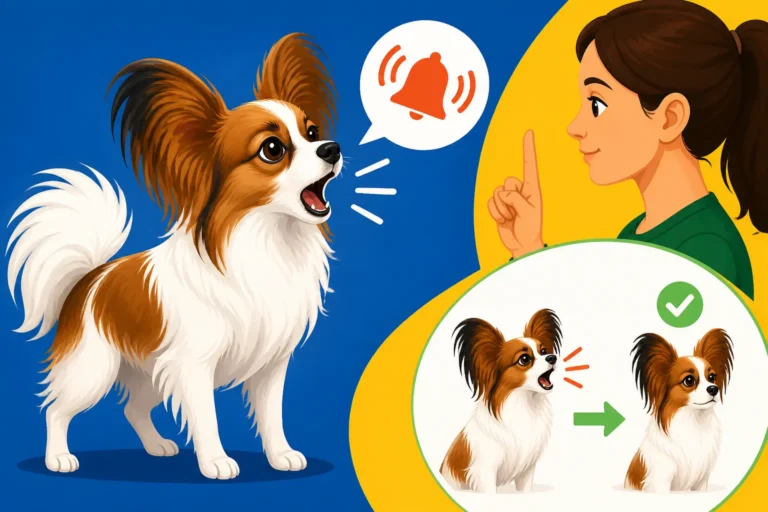
Even in areas where off-leash might be permitted, like designated dog parks, it's important to assess if it's truly a safe environment for your Papillon. Dog parks can be overwhelming for small dogs, with boisterous play from larger breeds sometimes leading to accidents. As a responsible owner, you have a duty to ensure your dog is not a nuisance or a danger to others, and that includes keeping them safe from others. A Papillon that barks incessantly at passersby when off-leash, or one that runs up to people who don't want to interact, doesn't just reflect poorly on your dog, but on all dog owners. Consider Whether a Dog Park Suits a Papillon carefully before venturing in.
The "What If" Scenario
Before even contemplating off-leash freedom, run through the "what if" scenarios. What if a loose dog approaches aggressively? What if a child accidentally scares your Papillon, causing them to bolt? What if they encounter something tempting they’ve never seen before, like a rogue turkey or a drone? In these moments, will your recall hold? Will your Papillon instinctively come to you for safety, or will their instincts take over?
For many Papillons, especially those with a strong prey drive or a tendency to be easily distracted, the answer might be that the risk is simply too high. It's an uncomfortable truth, but sometimes, the most responsible thing we can do for our beloved pets is to protect them from themselves and the unpredictable world by keeping them safely on a leash or in a securely fenced area. It's not about lacking trust in your Papillon, but rather acknowledging their innate drives and the external dangers that are beyond your control.
Tools and Strategies for Safer Off-Leash Experiences (or Near-Off-Leash)
Just because pure off-leash trust is a high bar for many Papillons doesn't mean they can't experience freedom and joy outdoors. There are smart, safe ways to give your Papillon that feeling of liberty without putting them in harm's way.
Long Lines and Secure Areas
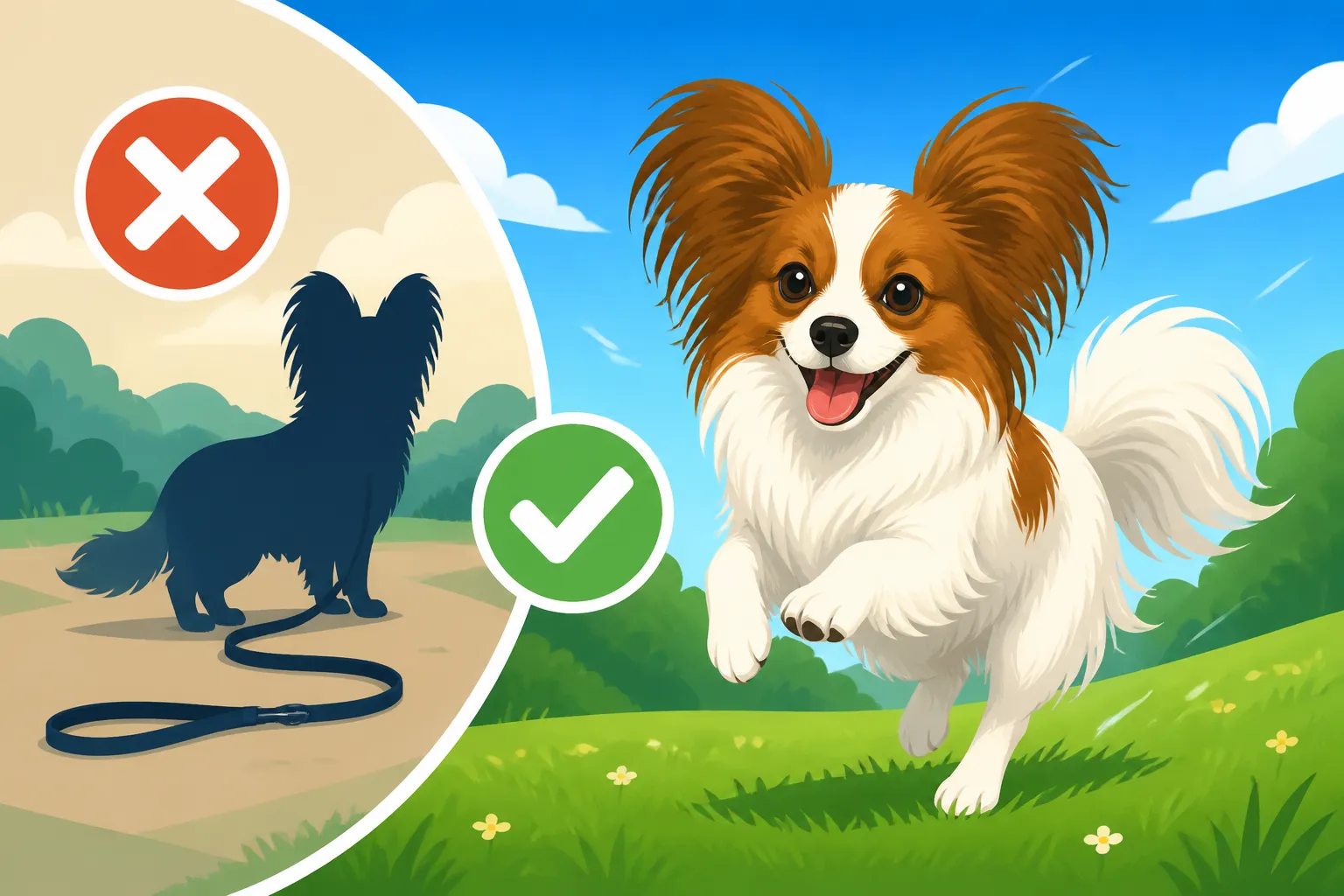
One of the best tools for practicing recall and giving your Papillon a sense of freedom in open spaces is a long line. These are essentially very long leashes (15 to 50 feet or more) that allow your dog to roam and explore while still being safely tethered to you. You can find these easily on platforms like Amazon or at your local pet supply store. Using a long line allows you to:
- Practice recall in stimulating environments: You can call your Papillon, and if they hesitate, you can gently reel them in, rewarding them immediately when they reach you. This helps them learn that they still have to come, even when distractions are present.
- Prevent accidental bolting: If they suddenly decide to chase a squirrel, the long line gives you a physical tether to stop them before they get into trouble.
- Build confidence: It allows them to explore new scents and areas at a greater distance from you, fostering independence while you maintain control.
Always attach a long line to a well-fitting harness, not just a collar, to prevent injury to their delicate neck and trachea if they hit the end of the line. Ensure the area you're using it in is free of obstacles where the line could get tangled or snagged.
When it comes to truly off-leash experiences, absolutely nothing beats a securely fenced area. A private yard, a friend's securely fenced property, or a designated, double-gated dog park designed specifically for small breeds can offer peace of mind. Check the fence height and integrity carefully—Papillons are agile and can sometimes find gaps or scale surprisingly high obstacles if motivated.
Training Classes and Professional Guidance
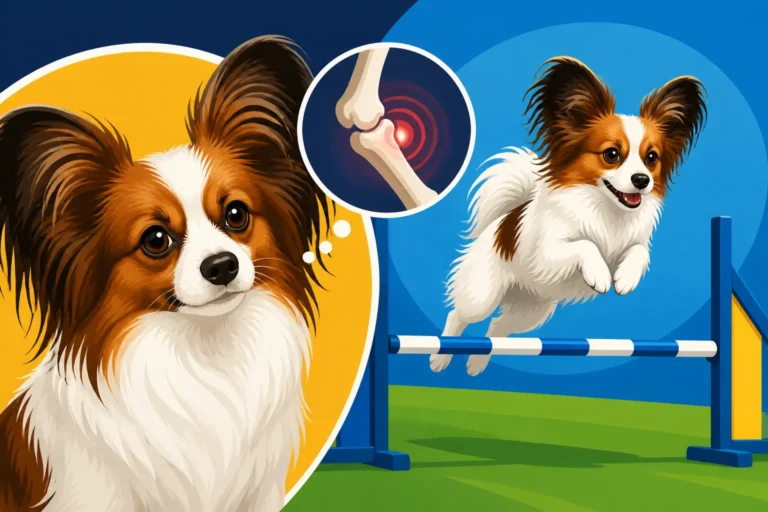
Sometimes, you just need an expert eye to help you troubleshoot recall issues or build confidence in your Papillon. Enrollment in advanced obedience classes, agility training, or even working with a professional dog trainer specializing in recall can make a world of difference. These classes not only teach your dog new skills but also strengthen your bond and communication.
Trainers can observe your Papillon's behavior, identify specific triggers or areas for improvement, and provide personalized strategies. They can also introduce you to new training techniques or tools, like clicker training, which many Papillon owners find incredibly effective for their intelligent companions. How a Clicker Lands With a Papillon is often very positive, as they thrive on clear markers and immediate rewards. A good trainer will also emphasize positive reinforcement methods, which are crucial for a sensitive breed like the Papillon.
Harness vs. Collar for Safety
For a Papillon, choosing the right walking equipment is paramount. Their delicate tracheas can be easily damaged by collars, especially if they pull on the leash or hit the end of a long line. A harness is almost always the superior choice for a Papillon, regardless of whether you're using a standard leash or a long line.
Look for a harness that fits snugly but doesn't restrict movement, particularly around the shoulders and chest. There are many styles available on platforms like Amazon, from step-in to overhead designs. A well-fitting harness distributes pressure across their chest and shoulders, away from their throat, providing both comfort and safety. Even if you only use a collar for ID tags, the primary attachment point for any leash or long line should always be a harness. This small change in equipment can prevent significant injury and give you more peace of mind when managing your Papillon in various environments. Whether a Papillon Should Wear a Harness Instead of a Collar is a question many owners face, and for most, the harness is the clear winner for safety.
Conclusion
Trusting your Papillon off-leash is a goal many owners share, and while it's absolutely achievable for some, it's also important to approach it with a deep understanding of the breed's instincts and the inherent risks. Papillons are intelligent, curious, and often possess a surprising prey drive, making a truly reliable recall a challenging, but not impossible, feat. Building that foundation requires consistent, positive reinforcement training from a young age, high-value rewards, and gradually introducing distractions in controlled environments.
However, even the best-trained Papillon can be overwhelmed by an irresistible scent or a sudden, unexpected stimulus. Recognizing the dangers of traffic, unpredictable interactions with other dogs, and potential predators is crucial. For many, safe alternatives like long lines and securely fenced areas offer the best compromise, allowing your Papillon to experience freedom and exploration without unnecessary risk. Ultimately, ensuring your Papillon's safety should always be the top priority, even if it means modifying the dream of boundless off-leash adventures into a more controlled and secure reality.
Disclaimer
This article is for general informational purposes only and does not constitute professional advice. Laws, prices and regulations vary by location and change over time. Consult a qualified professional for guidance on your specific situation.