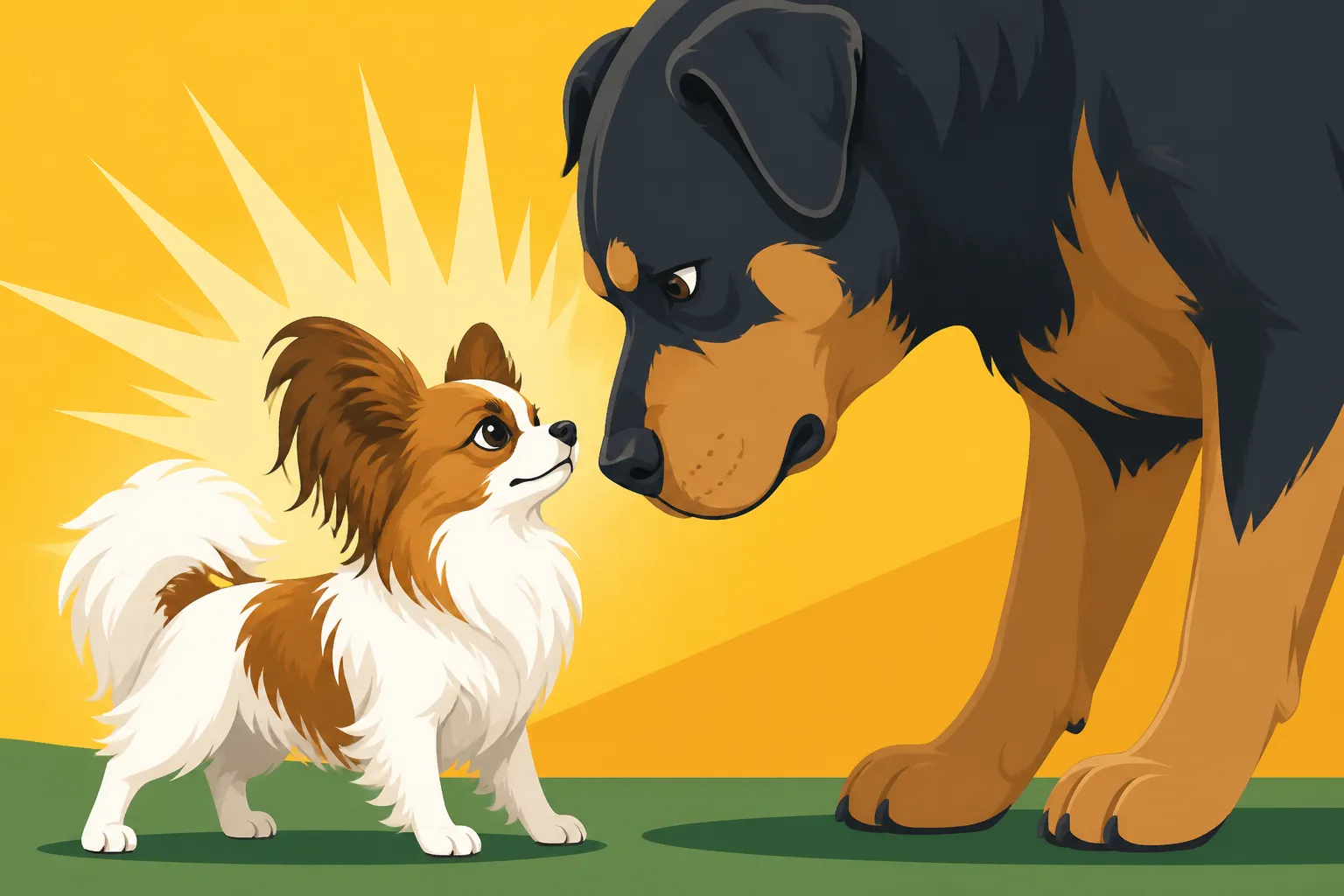
Why a Papillon Squares Up to a Big Dog
It’s a scenario many Papillon owners know all too well: you’re out enjoying a lovely walk with your tiny, elegant companion, when suddenly, a much larger dog appears. Before you can even react, your sweet, four-pound butterfly dog transforms into a defiant, barking fluffball, planting their feet and challenging the canine giant. This behavior, often perplexing and sometimes frightening, isn't just "small dog syndrome" but a fascinating blend of instinct, intelligence, and learned responses. This guide will unravel the various reasons why your Papillon might square up to a big dog and offer practical insights into understanding and managing these brave (if sometimes foolhardy) encounters.
The Papillon's Mighty Heart in a Tiny Package
Don't let their dainty appearance fool you; Papillons are not your typical fragile lapdogs. Beneath those beautiful butterfly ears and silky fringes lies a personality brimming with confidence, intelligence, and an almost boundless zest for life. This inherent boldness is often the primary driver behind their willingness to stand up to much larger canines, regardless of the size disparity. They truly possess a mighty heart in a tiny package.
A Self-Perception Beyond Size
One of the most defining traits of a Papillon is their absolute lack of awareness regarding their own diminutive stature. They simply do not see themselves as small. From their perspective, they are just "dog," capable of interacting, playing, and even challenging any other dog, regardless of breed or weight class. This isn't arrogance; it's a genuine self-perception that stems from their historical role as companions, often enjoying the same privileges and confidence as much larger breeds. They haven't been selectively bred to be timid or subservient; quite the opposite. This confident self-image means they rarely initiate interactions with an inherent sense of inferiority. For more on this, consider reading A Papillon Has No Idea It Is Small.
This ingrained belief in their own capability means that when confronted by a larger dog, their first instinct isn't necessarily to retreat or cower. Instead, they might perceive it as an equal-to-equal encounter. They carry themselves with an air of self-importance that can be both endearing and, at times, a little bit terrifying when a Great Dane is involved. This bold attitude means they often approach new situations, dogs, and people with an open mind, eager to explore and engage, rather than defaulting to fear. It's a testament to their spirited nature, but it does require us, as their human guardians, to be ever-vigilant and proactive in managing their interactions.
Intelligence and Confidence as Core Traits
Papillons are consistently ranked among the most intelligent dog breeds, often appearing in the top ten across various canine intelligence studies. This high level of intelligence, combined with their inherent confidence, gives them a unique problem-solving ability and a strong sense of self-preservation, even if that preservation tactic seems a bit outlandish to us. They are quick learners, sharp observers, and very responsive to their environment. This means they are constantly assessing situations, and their "squaring up" behavior can sometimes be a calculated (if misguided) strategy rather than a pure emotional outburst. They've likely learned, through past experiences, that making a big noise or a bold display can sometimes deter a perceived threat or get them attention.
Their confidence also manifests in their drive and persistence. If a Papillon decides it wants to engage or, conversely, deter another dog, they will often stick to their guns with surprising tenacity. This isn't just about barking; it can involve body language, a stiff stance, tail flagging, and direct eye contact—all signals that, in the dog world, are far from submissive. Their smarts also mean they're excellent at reading our emotions and reactions. If they sense anxiety from us, it can sometimes fuel their own defensive displays, or they might even feel they need to take charge of the situation themselves. Understanding How Bold a Papillon Is can help you recognize these traits in your own pup.
Deciphering the "Square Up": Is It Fear or Something Else?
When your little Papillon stands its ground against a bigger dog, it's easy to label it as "small dog syndrome." But often, the reality is far more nuanced. It might be a complex mix of communication, learned behavior, and genuine courage, rather than just blind aggression or fear. Understanding the true motivation behind the "square up" is crucial for addressing it effectively.
The Misconception of "Small Dog Syndrome"
The term "small dog syndrome" often oversimplifies the behavior of smaller breeds. It suggests that little dogs act out because they are trying to compensate for their size, implying a kind of psychological inferiority complex. In reality, what often looks like "syndrome" is a combination of factors, many of which are inadvertently reinforced by human behavior. For example, a small dog might bark persistently at a larger dog not because it thinks it's bigger, but because previous barking has caused the larger dog (or human) to move away, thus "solving" the perceived problem for the Papillon. The problem is that it reinforces the barking.
Furthermore, small dogs are often treated differently by humans. We might pick them up more frequently when large dogs approach, inadvertently teaching them that large dogs are something to be feared or avoided, and that their loud protests are the way to prompt our intervention. This prevents them from learning appropriate canine social skills with larger breeds. While a Papillon certainly isn't unaware of all physical differences, their courage is genuine, not just a facade. They can indeed be quite assertive, and sometimes this assertiveness is simply a part of their natural communication style, albeit one that needs careful guidance in a world populated by much larger dogs. For a deeper dive into their interactions, consider How a Papillon Behaves With Large Dogs.
Communication Cues and Misunderstandings
Dogs communicate primarily through body language, vocalizations, and scent. When a Papillon "squares up," they are communicating something, but what they intend to say and what the larger dog (or human) understands can sometimes be very different. A growl, a bark, or a rigid stance from a tiny dog might be perceived by a large, well-socialized dog as a playful challenge, or even an invitation to engage, rather than a genuine threat. Conversely, a Papillon might interpret a larger dog's benign sniff or approach as an invasion of personal space, triggering a defensive "square up."
Consider the common scenario where a larger dog approaches. The Papillon might bark and lunge. The larger dog, perhaps confused or startled, might stop or back away. To the Papillon, this is a clear victory: "My barking worked! I made the big dog go away!" This positive reinforcement makes them more likely to repeat the behavior. It’s important to observe your Papillon's full communication package: Is their tail tucked or wagging stiffly? Are their hackles raised? Is their body tense or loose? These nuances help distinguish between true fear-based aggression, territorial displays, or simply an overenthusiastic (and poorly managed) attempt at interaction. Understanding these subtle cues in your Papillon can help you intervene appropriately before a situation escalates.
Here's a quick reference on common Papillon "square up" motivations:
| Behavior | Potential Motivation | Owner Takeaway |
|---|---|---|
| Barking, lunging | Seeking distance, attention, learned response, overexcitement | Manage space, reward calm, interrupt early |
| Stiff body, direct stare | Warning, territorial claim, confidence | Redirect focus, create space, avoid escalation |
| Growling, snapping | Fear, guarding resources (owner, space), true aggression | Assess context, seek professional help if persistent, manage environment |
| Play bows, bouncy movements | Attempt to initiate play (sometimes misinterpreted) | Observe other dog's response, ensure safe play partners |
Owner Influence and Environmental Factors
While a Papillon's inherent personality plays a huge role in their boldness, we, as their human companions, often contribute to or inadvertently reinforce their "squaring up" behavior. Our reactions, training choices, and the environments we expose them to can significantly shape how they interact with larger dogs. It’s not always easy to see how our actions play a part, but acknowledging it is the first step toward positive change.
The Impact of Human Reactions
Our natural instinct when a large dog approaches our tiny Papillon is often to scoop them up. We mean well; we want to protect them from harm. However, this action can inadvertently teach your Papillon several things. First, it can communicate that the larger dog is indeed a threat, reinforcing their fear or defensive posture. Your Papillon learns, "Oh, mom/dad is picking me up, so that big dog must be scary!" This can escalate their anxiety in future encounters. Second, being held up at eye level with a larger dog can be seen as an aggressive posture by the larger dog, or it can make your Papillon feel even more confident (or entitled) to bark and challenge from the safety of your arms. Consider reading Why Picking a Papillon Up Makes It Worse.
Furthermore, our own anxiety can trickle down the leash. Dogs are incredibly attuned to our emotions. If you tense up, pull back on the leash, or speak in a high-pitched, anxious voice every time a big dog comes near, your Papillon will sense that stress. They might then feel that they need to take charge of the situation and protect you both, leading to an even more pronounced "square up." It's a tough habit to break, but trying to remain calm, confident, and neutral is vital. Your composure can signal to your Papillon that everything is okay and that you have the situation under control.
Managing Socialization and Encounters
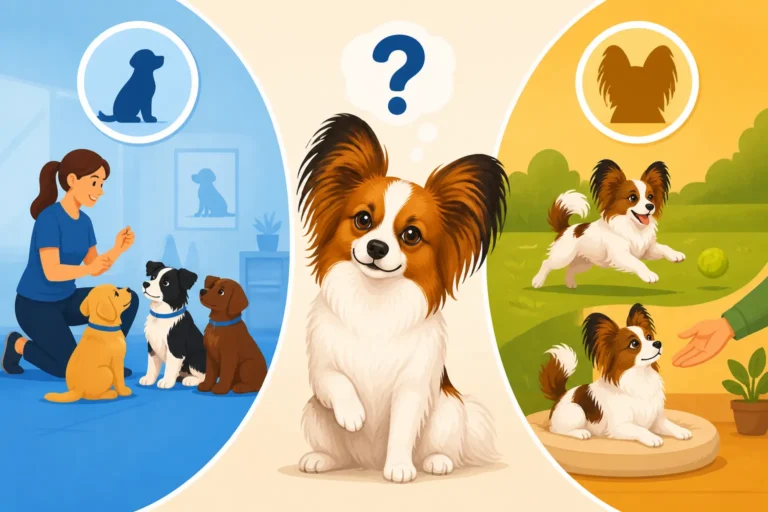
Proper socialization from a young age is crucial for any dog, but especially for a Papillon who will encounter dogs of all sizes throughout their life. This doesn't mean throwing them into a dog park full of boisterous Labs and Rottweilers at eight weeks old. Instead, it means carefully curated, positive experiences with a variety of calm, well-mannered large dogs. A puppy class, perhaps one that utilizes positive reinforcement techniques like those advocated by BAXTER & Bella, can be a fantastic way to introduce your Papillon to other puppies and dogs in a controlled, safe environment.
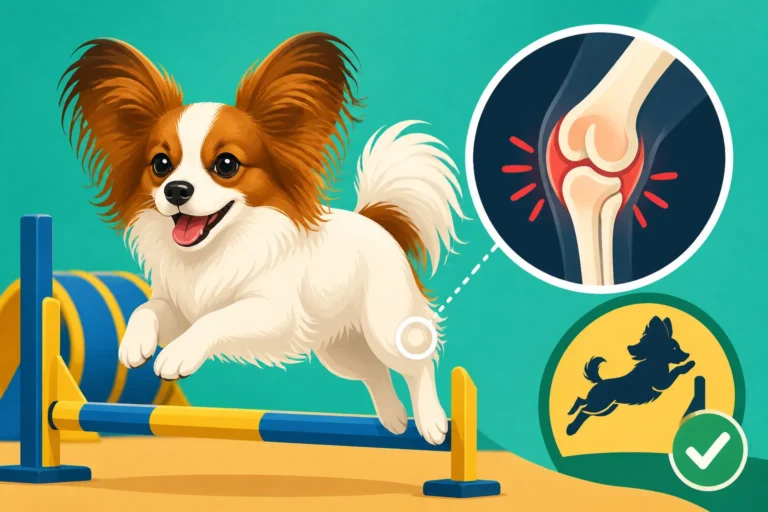
The type of environment matters, too. A busy dog park, for instance, might not always be the best place for a Papillon. The sheer unpredictability and rough-and-tumble play of larger dogs can be overwhelming or even dangerous for a small breed. Whether a Dog Park Suits a Papillon is a question many owners ponder. Instead, opt for controlled playdates with known, calm dogs, or walks in less crowded areas where you can manage encounters. If you regularly walk in an area where off-leash dogs are common, consider changing your route or timing. It's about setting your Papillon up for success, not expecting them to magically navigate complex social situations with dogs that have a significant size advantage. Protecting their physical safety, such as ensuring they don't jump off high furniture, also contributes to their overall well-being and confidence, as discussed in Setting Up a House That Protects a Papillon's Knees.
Strategies for Promoting Harmonious Interactions
So, how do we help our brave little Papillons navigate a world of much larger dogs without constantly "squaring up"? The key lies in consistent training, proactive management, and understanding that while their spirit is admirable, their safety is paramount. It’s a journey of gentle guidance, not force.
Training for Calmness and Control
Training is your best friend when it comes to managing these interactions. Start with a solid foundation of basic obedience, focusing on cues like "look at me," "stay," "leave it," and a reliable recall. These commands give you tools to redirect your Papillon's attention before they launch into a "square up" display. When you see a larger dog approaching, ask for a "look at me," reward heavily with a high-value treat, and then calmly walk past. The goal is to make positive associations with the presence of other dogs, rather than letting your Papillon believe they need to be defensive.
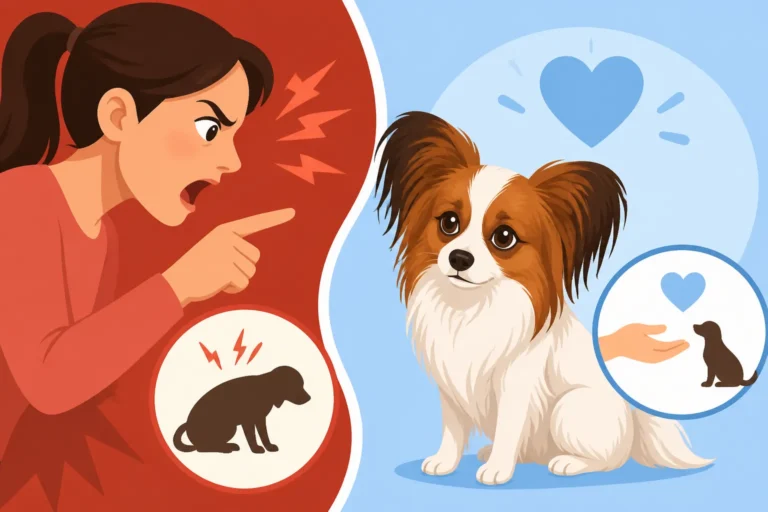
Desensitization and counter-conditioning are also powerful techniques. This involves gradually exposing your Papillon to larger dogs from a safe distance, pairing the sight of the big dog with something wonderful (like their absolute favorite treat). Over time, they learn that a big dog appearing means good things happen, rather than a trigger for alarm. Enrollment in an online training program, such as those offered by BAXTER & Bella, can provide structured guidance and resources for teaching these vital skills. Remember, positive reinforcement is always the most effective approach with a Papillon; Why Harsh Correction Fails on a Papillon is a crucial read for any owner. Their sensitive nature responds best to encouragement and rewards.
Tools and Techniques for Safer Encounters
Beyond training, certain tools and techniques can help manage interactions more safely. A well-fitting harness is almost always preferable to a collar for a Papillon, especially given their delicate tracheas. This provides better control without putting pressure on their neck if they lunge. When selecting a harness, look for options that are comfortable and secure, perhaps from reputable brands found on Amazon. This ensures that if they do attempt to "square up," you have a safe way to guide them without causing harm or discomfort.
Another technique is to manage the environment as much as possible. If you know you'll encounter a specific large dog that your Papillon struggles with, try to create distance or cross the street. It's not about avoiding all interactions, but about picking your battles and setting your dog up for success. You might also carry a small, easily deployable barrier, like a compact umbrella, that you can gently open to create a visual block between your Papillon and an approaching dog, giving you precious seconds to redirect or move away. A calm demeanor, a handful of high-value treats, and a clear plan are your most effective tools for ensuring that your Papillon's brave heart never puts them in unnecessary danger. While a Papillon is a wonderfully spirited dog, understanding Whether a Papillon Picks Fights and intervening appropriately is key to their long-term safety and well-being.
Disclaimer
This article is for general informational purposes only and does not constitute professional advice. Laws, prices and regulations vary by location and change over time. Consult a qualified professional for guidance on your specific situation.