Whether a Papillon Chases Squirrels
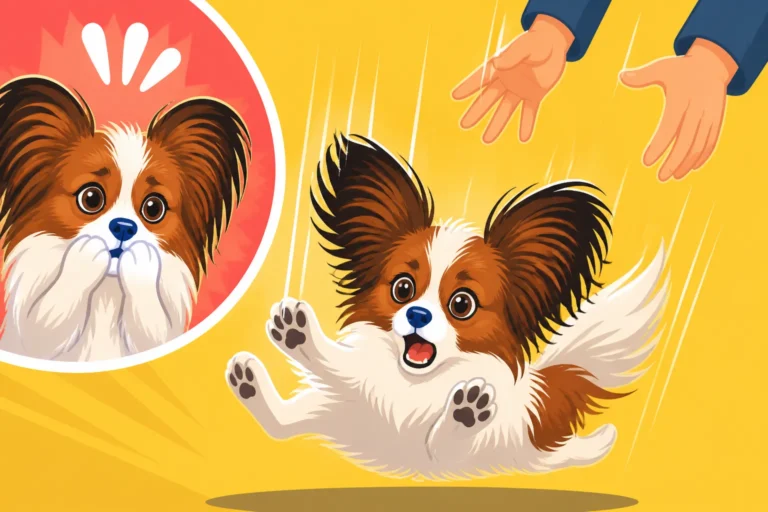
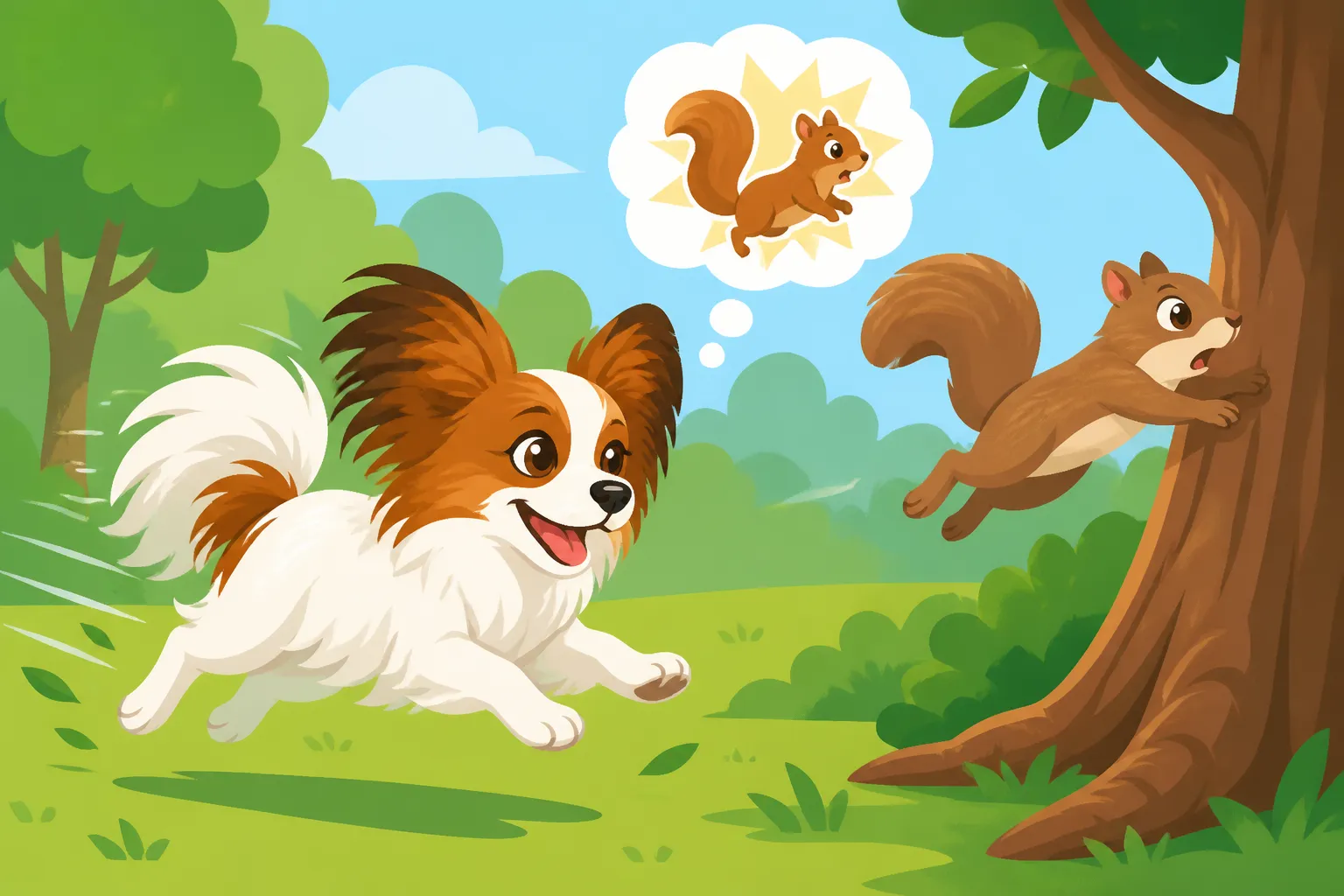
It’s a scene many of us Papillon owners know all too well: you’re enjoying a peaceful walk, perhaps admiring your dog’s elegant gait, when suddenly, a blur of fur rockets forward, leash taut, in hot pursuit of a bushy-tailed bandit. Despite their dainty appearance and lapdog reputation, Papillons often possess a surprisingly strong prey drive, making squirrels, rabbits, and even falling leaves irresistible targets. This guide is here to help you understand why your "butterfly dog" turns into a tiny hunter when a squirrel crosses its path, and how to safely manage this instinct.
The Papillon's Surprisingly Strong Drive to Chase
If you've ever owned a Papillon, you know that judging them by their delicate looks would be a grave mistake. These are not fragile, timid little creatures content to simply warm your lap (though they excel at that, too!). They are vibrant, intelligent, and often incredibly athletic dogs with a rich history that hints at their hidden hunting prowess.
More Than Just a Lapdog
Historically, Papillons, or their ancestors the "Dwarf Spaniels," were companions to European nobility, but don't let those fancy portraits fool you. Spaniels, by nature, are hunting dogs, bred to flush out game for their human partners. While the Papillon evolved into a smaller, more refined version, some of that original instinct clearly remained. They might not be tracking deer, but that innate drive to spot, stalk, and chase is still very much alive within them. My own Papillon, Pip, can be snoozing peacefully on the sofa, but the second a bird lands on the bird feeder, he’s instantly alert, eyes wide, body quivering with an almost primal focus. It’s truly fascinating to witness this transformation in such a small package. You might even find yourself pondering How Much Prey Drive a Papillon Has after observing their intense focus.
What truly fuels this drive, beyond ancient genetics, is their exceptional intelligence and boundless energy. These aren't dogs that are easily bored. They need mental stimulation and physical activity to truly thrive, and a scurrying squirrel provides both in spades. It's an impromptu game, a challenge that engages their sharp minds and quick bodies. When you consider The Papillon Is the Smartest Toy Breed There Is, it makes perfect sense that they'd be keen to engage with such an intriguing moving target. They’re not just chasing; they’re strategizing, calculating trajectories, and enjoying the thrill of the hunt.
Why Squirrels Are the Ultimate Papillon Challenge
So, why squirrels specifically? It's a perfect storm of factors that makes these bushy-tailed rodents irresistible to a Papillon. First, their erratic, darting movements trigger a dog's natural predator instincts. Unlike a slow-moving leaf or a predictable toy, a squirrel's sudden stops, starts, and changes in direction are precisely what a predator's brain is wired to respond to. It’s like a tiny, furry video game where the target is always just out of reach, but tantalizingly close.
Then there's the sound. The chattering, chirping, and frantic scrambling of a squirrel are like a siren call to a Papillon. Their excellent hearing picks up these subtle cues long before you might even spot the creature. And let's not forget the vertical element—the way squirrels can scale trees in a blink, presenting a disappearing act that only serves to heighten the chase instinct. This creates a cycle of frustration and renewed vigor for your little hunter. It’s this combination of sight, sound, and movement that makes squirrels the ultimate, captivating challenge for many Papillons, often more so than even a cat or another dog.
Navigating the Great Outdoors: Managing Your Papillon's Squirrel Obsession
While a Papillon’s enthusiasm for the chase is endearing, it can also be incredibly dangerous. A squirrel darting across the street or into heavy brush can lead your beloved companion into harm's way in an instant. Managing this natural instinct requires a proactive approach, focusing on training, secure equipment, and environmental awareness.
Leash Training and Recall: Your First Line of Defense
When you have a dog with a strong prey drive, your leash and harness become non-negotiable safety tools. A regular collar, especially on a tiny dog like a Papillon, can easily slip off if they lunge unexpectedly, or worse, cause injury to their delicate neck and trachea. I always recommend a secure, well-fitting harness that distributes pressure across their chest. There are many options available on Amazon, from step-in styles to vest harnesses, so you can find one that fits your Papillon comfortably and securely. It’s important to remember that Whether a Papillon Needs a Harness Instead of a Collar isn't just about comfort, it's about safety, especially with their enthusiasm for unexpected sprints.
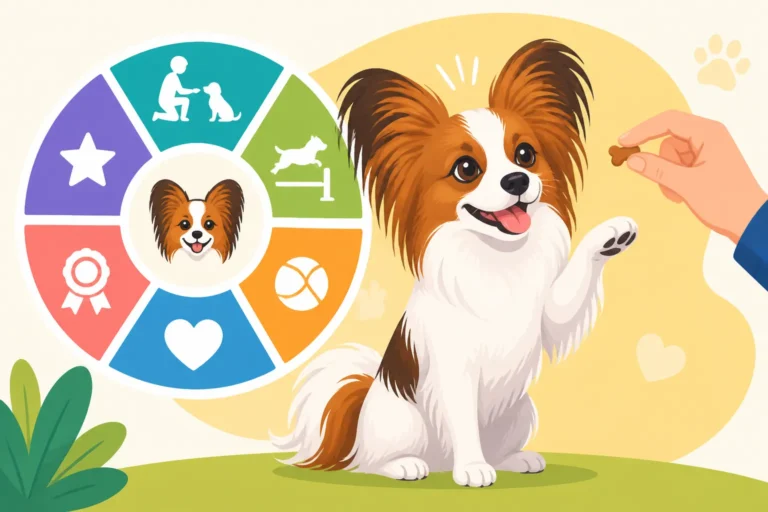
Beyond physical restraints, solid recall training is paramount. This isn't just about your dog knowing "come"; it's about them choosing to come back to you, even when there's a highly distracting squirrel involved. This takes consistent, positive reinforcement, starting in low-distraction environments and gradually building up. Use high-value treats – something truly irresistible like cooked chicken or cheese – as a reward for every successful recall, no matter how small the distance. Practice frequently, even when there’s no immediate threat, to build that muscle memory. Programs like those offered by BAXTER & Bella can provide structured guidance and support for building a reliable recall, equipping you with the techniques to make coming when called the most rewarding choice for your Papillon. Getting a reliable recall can truly make the difference when facing an unexpected squirrel encounter, as How Reliably a Papillon Comes When Called becomes a critical skill for their safety.
Environmental Management and Prevention
Sometimes, the best offense is a good defense. Knowing your Papillon’s propensity for squirrel-chasing means you need to be extra vigilant about their environment. If you have a yard, ensure your fencing is secure, with no gaps or weak spots where a determined Papillon might squeeze through in pursuit of a critter. Regularly check for holes or areas where they might dig under. I've heard countless stories of tiny escape artists who surprised their owners with their ingenuity when motivated by a tempting chase.
Supervised outdoor time is crucial, especially in areas known for active squirrel populations. This might mean keeping them on a long line in a park, or just being extra attentive during backyard playtime. You can't eliminate squirrels from the world, but you can minimize your Papillon's unsupervised access to them. Think about walking routes; sometimes, simply choosing a path with fewer trees or dense bushes can reduce the number of potential squirrel sightings, making for a more relaxed walk for both of you. It's about being smart and realistic about the environment you're in.
Redirecting Prey Drive Through Play and Training
Since you can't simply turn off your Papillon's natural prey drive, the next best thing is to redirect that energy into safe, productive outlets. This can be incredibly satisfying for both of you. Puzzle toys, especially those that dispense treats, can mimic the "hunt" for food, engaging their minds and keeping them focused. Fetch is another classic that taps into their chase instinct in a controlled way. I've found that a flirt pole – essentially a stick with a lure on the end that you can swing around – is a fantastic way to let them chase and "catch" something without actually harming any wildlife. It allows them to fulfill that deeply ingrained desire in a safe, fun manner.
Think of it as providing a healthy outlet for their natural inclinations. Engaging in dog sports like agility or scent work can also be a wonderful way to channel their sharp minds and physical capabilities. Papillons often excel in these areas precisely because of their intelligence and drive. Starting a Papillon in Agility can be a fantastic way to build their confidence, strengthen your bond, and provide an exhilarating mental and physical workout. Scent work, where they learn to find hidden treats or objects, taps directly into their powerful noses and problem-solving skills, offering a different kind of "hunt" that doesn't involve squirrels. All these activities contribute to What Mental Work a Papillon Needs to stay happy and well-adjusted.
Here's a quick comparison of strategies for managing your Papillon's squirrel-chasing tendencies:
| Strategy | Description | Pros | Cons |
|---|---|---|---|
| Secure Leash/Harness | Using proper, well-fitting equipment to prevent escapes. | Immediate safety, prevents accidental escapes, gentle on the Papillon's neck. | Requires diligent checking of fit, may still allow lunging if not combined with training. |
| Reliable Recall | Training your Papillon to return to you consistently on command. | Ultimate off-leash safety, builds trust, gives your dog more freedom in safe areas. | Requires significant time and consistency, must be practiced in varying environments. |
| Environmental Mgmt. | Avoiding known squirrel hotspots, securing yards, supervised outings. | Reduces opportunities for chasing, can decrease reactive behavior over time. | Limits spontaneous adventures, may not be possible in all living situations. |
| Redirection & Play | Offering alternative activities that satisfy the prey drive (flirt poles, fetch). | Fulfills natural instincts, provides mental & physical stimulation, strengthens bond. | Requires active participation from owner, may not always be enough to deter a real-life squirrel. |
| Formal Dog Sports | Enrolling in agility, scent work, or other training classes. | Excellent mental and physical outlet, builds skills, socializes dog. | Can be a time and financial commitment, may not be accessible to everyone. |
Keeping Your Papillon Safe from the Lure of the Chase
The intense focus and drive that a Papillon exhibits when chasing a squirrel can unfortunately blind them to potential dangers. As their human companions, it's our job to anticipate these risks and put safeguards in place to protect them. Understanding the potential negative outcomes is crucial for responsible ownership.
Dangers of Uncontrolled Chasing
When a Papillon locks onto a squirrel, it's as if the rest of the world fades away. This tunnel vision, while a testament to their hunting instinct, can lead to serious hazards. The most immediate and terrifying danger is darting into traffic. A small, fast-moving dog is incredibly difficult for drivers to spot, and the consequences are devastating. Beyond roads, there's the risk of getting lost. A squirrel can lead a Papillon far from home, especially if they manage to slip their collar or harness. Given their small size, they can disappear into tall grass, dense bushes, or under fences, making them incredibly difficult to find.
Furthermore, an uncontrolled chase can bring your Papillon into contact with other, potentially aggressive animals, be it larger dogs, territorial wildlife, or even a frightened squirrel that could scratch or bite. Even the act of suddenly stopping or changing direction at high speed can lead to injury. Papillons, like many small breeds, are prone to Patellar Luxation Is the Papillon Problem You Will Actually Meet, and a sudden, jarring movement could exacerbate or even cause a kneecap to slip. This is why it’s also important to consider Whether a Papillon Should Be Stopped From Jumping Off Furniture in order to protect those delicate joints from daily impacts. We love their boldness, but it's essential to channel it safely.
Health and Behavioral Implications
Beyond immediate physical dangers, allowing uncontrolled chasing can also have long-term health and behavioral implications for your Papillon. Constant frustration from being unable to "catch" their prey can lead to increased stress and anxiety. You might notice them pacing, whining, or becoming more reactive on walks, always scanning for their next target. This constant state of heightened arousal isn't healthy for any dog. It can contribute to overall nervousness and make walks less enjoyable for both of you.
Physically, repeated sudden sprints and stops, or straining against a leash, can put undue stress on their small bodies. As mentioned with patellar luxation, joint injuries are a real concern. If your Papillon is constantly pulling or lunging, they could also strain their neck or throat, especially if not wearing an appropriate harness. It's vital to have regular veterinary check-ups to monitor their joint health and address any changes in their gait or behavior. An active prey drive is natural, but managing it is key to ensuring a long, healthy, and happy life for your Papillon. You want them to be able to enjoy What a Papillon Does All Day without being a bundle of frustrated energy.
Channeling That Energy: Productive Outlets for a Papillon's Prey Drive
The goal isn't to eliminate your Papillon's prey drive entirely – that's impossible and unnecessary. Instead, it's about providing appropriate, enriching outlets that allow them to express these natural behaviors in a safe and controlled manner. This ensures their physical and mental well-being, while also strengthening the bond you share.
Structured Play and Training Games
Think of ways to simulate the hunt in a game format. A game of fetch, especially with a lightweight toy they can easily carry, can be incredibly satisfying. The act of chasing, retrieving, and bringing it back mimics the full cycle of the hunt. You can also introduce "hide and seek" games with treats or their favorite toys. Hide treats around the house and encourage them to use their nose to find them. This engages their natural sniffing abilities and provides a mental workout, offering a different kind of "hunt" than purely visual chasing. Many interactive toys, easily found on Amazon, are designed specifically for this purpose.
Another excellent tool is the flirt pole. This long pole with a rope and a lure (often a soft toy or fabric strip) at the end allows you to control the movement, mimicking the erratic behavior of prey. Your Papillon gets to chase, pounce, and "catch" the lure, fulfilling that deep-seated desire without any risk to squirrels or to themselves. It’s a wonderful way to burn off energy in a short burst and is incredibly rewarding for dogs with a strong chase instinct. These activities contribute significantly to How Much Exercise a Papillon Needs, ensuring they are both physically and mentally stimulated.
Embracing Dog Sports
Papillons are not just pretty faces; they are highly intelligent and athletic, making them fantastic candidates for various dog sports. Agility, as previously mentioned, is a natural fit. The courses involve tunnels, jumps, weaves, and contact obstacles, all designed to channel a dog's speed, agility, and problem-solving skills. A Papillon’s compact size and quick reflexes often give them an advantage in the smaller jump classes. It's a fantastic way to engage their bodies and minds in a structured, safe environment.
Beyond agility, consider rally obedience or even advanced trick training. These activities require focus, problem-solving, and a close working relationship with you. Teaching them complex tricks or sequences gives them a "job" and satisfies their need for mental stimulation, often redirecting the energy they might otherwise use to scan for squirrels. Even something like canine freestyle (dancing with your dog) can be a fun way to engage their intelligence and physical coordination. By providing these structured outlets, you'll find your Papillon is more relaxed and less inclined to fixate on every rustle in the bushes during walks. For apartment dwellers, considering Whether a Papillon Suits an Apartment involves recognizing their need for these structured activities to thrive, even if they don't have a large yard to patrol.
Disclaimer
This article is for general informational purposes only and does not constitute professional advice. Laws, prices and regulations vary by location and change over time. Consult a qualified professional for guidance on your specific situation.