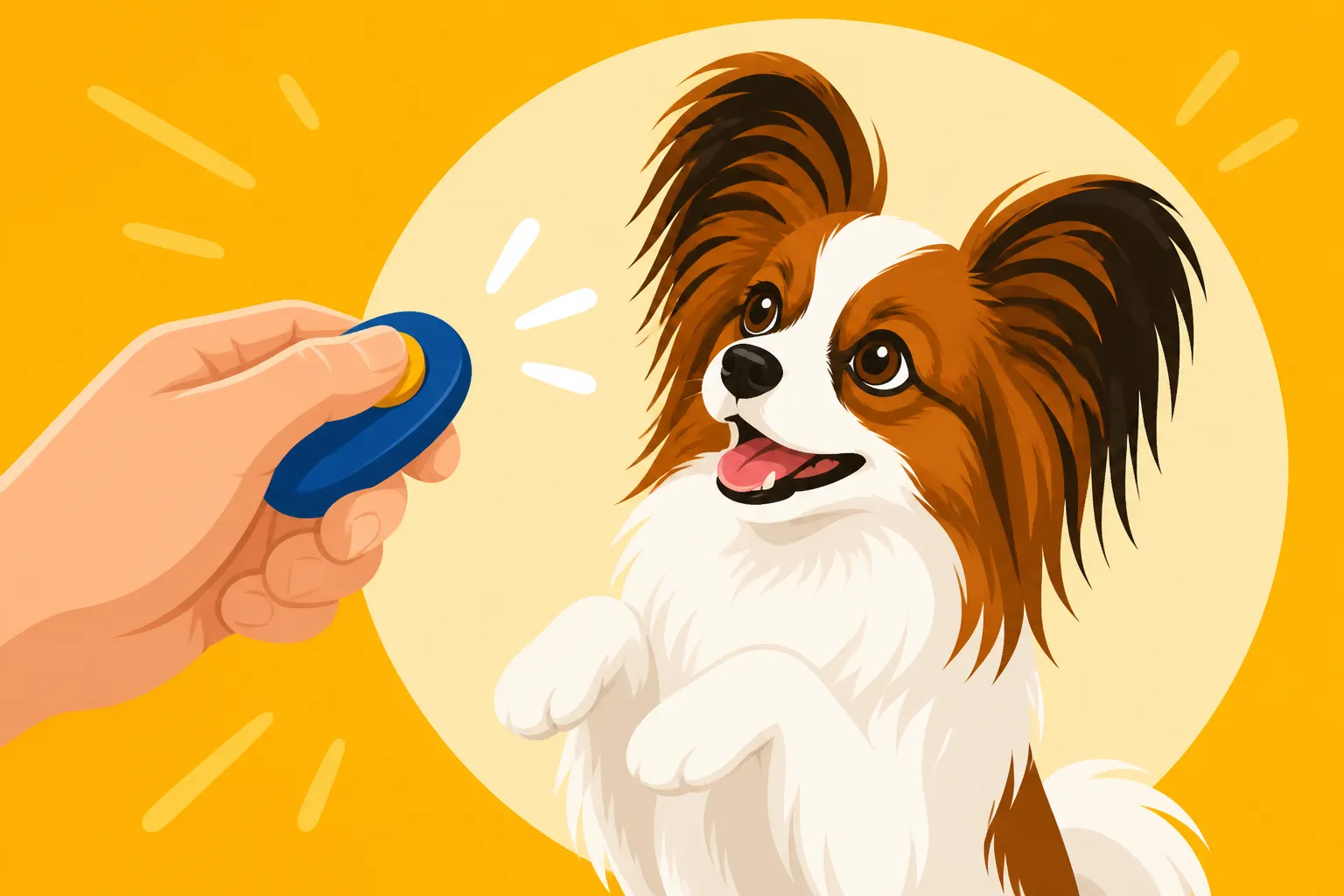
How a Clicker Lands With a Papillon
Many Papillon owners wonder if clicker training is just for those big, serious working dogs you see on TV, or if it's too complicated for their delicate little butterfly-eared companion. The truth is, Papillons are absolute superstars when it comes to clicker training, often picking up concepts faster than you can say "good dog!" This guide will dive deep into why clicker training is not just suitable, but often superior, for the intelligent and sensitive Papillon, offering practical steps and real-world scenarios to help you get started.
The Unique Papillon Personality and Why Clicker Training Clicks
Papillons are not your average lap dog. Beneath that cloud of silky fur and those magnificent ears lies a sharp, eager mind just waiting for a challenge. This makes them incredibly receptive to positive reinforcement methods like clicker training. They thrive on engagement and mental stimulation, and a clicker provides a clear, consistent language they can easily understand.
The Papillon's Brain: A Perfect Fit for Clicker Training
Anyone who has spent time with a Papillon knows they are incredibly bright. They often observe, analyze, and problem-solve in ways that surprise even seasoned dog trainers. It's no secret that The Papillon Is the Smartest Toy Breed There Is, and this intelligence makes them prime candidates for the precision and speed of clicker training. Unlike some breeds that might require many repetitions, a Papillon often connects the dots in just a few tries. They love to learn and figure things out, and the immediate feedback of the click helps them understand exactly what behavior earned them that reward. Think of it as a clear "yes!" that cuts through any confusion. They're quick on the uptake, and you'll find that How Fast a Papillon Learns a New Cue is truly astonishing when using a clicker. This isn't just about showing off; it's about building a strong communication bridge with your dog.
Why Traditional Methods Fall Flat for Sensitive Papillons
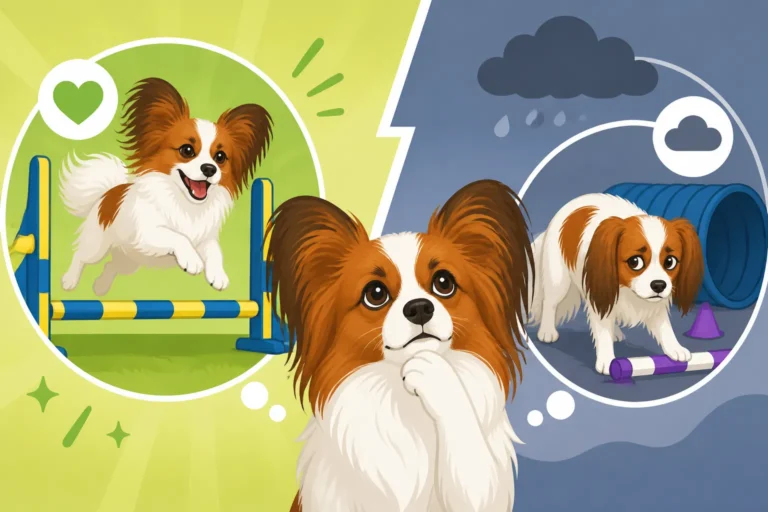
Because of their keen intelligence and often delicate demeanor, Papillons generally do not respond well to harsh corrections or force-based training methods. They can become easily discouraged, shut down, or even develop anxiety if they feel pressured or intimidated. This is where positive reinforcement, and specifically clicker training, shines. A Papillon wants to please you, but they also want to feel safe and understood. The clicker offers a stress-free learning environment where they are rewarded for trying and succeeding, without fear of punishment for making a mistake. You'll quickly discover How Sensitive a Papillon Is to your tone and body language, making a clear, emotion-neutral marker like a clicker an invaluable tool. It preserves their joyful, confident spirit, allowing them to explore new behaviors with enthusiasm.
Your First Steps: Introducing the Clicker to Your Clever Papillon
Starting clicker training is surprisingly simple, but consistency is key. Your Papillon will quickly grasp the concept, but you need to be clear and systematic in your approach. Gather your supplies, find a quiet space, and get ready for some fun!
Charging the Clicker: Making the Sound Mean Something
Before you can teach any specific behaviors, your Papillon needs to understand that the click means something wonderful is coming. This process is called "charging the clicker" or "loading the clicker." It's incredibly straightforward:
- Gather High-Value Treats: Think tiny, pea-sized pieces of cheese, cooked chicken, or store-bought training treats. Papillons respond really well to delicious, soft treats they can swallow quickly.
- Find a Quiet Spot: Minimize distractions initially so your Papillon can focus on you.
- Click and Treat: Simply click the clicker, and immediately (within 1-2 seconds) give your Papillon a treat. Don't ask for any behavior. Just click, then treat.
- Repeat: Do this 10-15 times in a short session. Then take a break.
- Test It Out: After a few sessions, try clicking when your Papillon isn't looking directly at you. If they perk up, look for the treat, or even come toward you with expectation, your clicker is charged! They've learned to associate the sound with a reward.
This initial conditioning is vital. It creates a positive association with the clicker sound, making it a powerful communication tool for future training.
Choosing the Right Rewards
The effectiveness of clicker training heavily relies on using rewards that your Papillon finds highly motivating. For these little foodies, tiny, high-value treats are usually the gold standard. You'll want something small enough that they can eat it quickly without getting distracted or full too fast. Soft treats are often preferred over crunchy ones for rapid consumption. You can find excellent options on Amazon, from freeze-dried liver to various soft, chewy training bits.
Beyond food, consider other motivators:
- Praise: A happy, encouraging "Good job!" after the treat can reinforce the positive feeling.
- Toys: Some Papillons are highly motivated by a quick game of tug or a favorite squeaky toy. While food is often easier for initial clicker charging, toys can be fantastic secondary rewards, especially if your Papillon gets bored of food quickly. You might ask yourself Whether a Papillon Works for Toys, and the answer is often a resounding yes, depending on the individual dog!
- Life Rewards: Access to a favorite spot, a quick scratch behind the ears, or a moment of playtime can also serve as rewards for specific behaviors, though these are typically used after the initial clicker-treat association is firmly established. Understanding What Motivates a Papillon is crucial for effective training.
Keeping Sessions Short and Sweet
Papillons, with their lively intelligence, can also get bored or overwhelmed if training sessions drag on for too long. Their attention span, especially as puppies, might be shorter than you'd expect for such a smart dog. This is why How Short a Papillon's Training Session Should Be is a critical piece of advice. Aim for 3-5 minute sessions, two to three times a day. You want to leave them wanting more, not burnt out.
During these short bursts, focus on one or two concepts. Stop before they lose interest or make too many mistakes. Ending on a high note, with a successful click and treat, keeps them enthusiastic for the next session. This approach respects their natural learning curve and keeps training fun for both of you.
Beyond Basics: Applying Clicker Training to Everyday Papillon Life
Once your Papillon understands that the click equals a reward, a whole new world of training possibilities opens up. The clicker becomes an incredibly versatile tool, not just for tricks, but for shaping good habits and addressing common behavioral challenges.
Teaching Basic Cues: Sit, Stay, Come
Clicker training makes teaching fundamental commands incredibly efficient. Instead of luring or pushing, you're marking the exact moment your Papillon offers the correct behavior.
For example, teaching "Sit":
- Hold a treat near your Papillon's nose and slowly move it back over their head. As their nose follows the treat, their rear end will naturally lower into a sit.
- The INSTANT their bottom touches the ground, click! Then give the treat.
- Repeat this a few times. As they start to offer the sit more readily, you can introduce the verbal cue "Sit" just as they are about to perform the action.
- Eventually, you'll be able to say "Sit," and when they sit, you click and treat.
The precision of the click means they learn faster. You'll be amazed at Which Tricks a Papillon Picks Up First with this method, from simple sits and downs to more complex actions. The clarity of the click reduces frustration for both dog and owner, building a stronger bond through positive interaction.
Tackling Nuisance Behaviors Like Barking
Many Papillon owners struggle with barking, which is a common trait for these alert little dogs. While you might never eliminate barking entirely (they're often excellent little watchdogs!), clicker training can be incredibly effective for teaching them when not to bark, or to bark once and then be quiet.
Here’s a simplified approach to teaching a "Quiet" cue:
- Identify a Trigger: Wait for something that usually makes your Papillon bark (e.g., a doorbell sound, someone walking past the window).
- Allow One Bark: Let them bark once or twice.
- Interrupt and Click for Silence: Just as they take a breath or pause, say "Quiet" and immediately click, then treat generously. The key is to catch that moment of silence.
- Increase Duration: Gradually increase the length of silence required before you click and treat. Start with one second of quiet, then two, then three.
- Practice Consistently: Repeat in different scenarios.
It requires patience, but the clicker precisely marks the desired silence, helping your Papillon understand what you want. You can refer to How to Teach a Papillon a Quiet Cue for more in-depth strategies. This positive approach is far more effective than scolding, which often just adds to their excitement or confusion.
Preparing for Agility or Other Sports
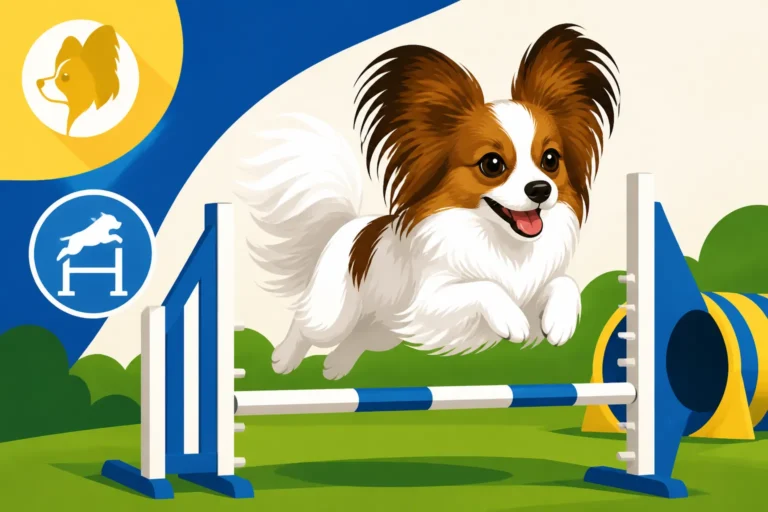
Papillons absolutely excel in dog sports like agility, rally, and obedience. Their speed, intelligence, and eagerness to work make them natural athletes. Clicker training provides an incredible foundation for these activities. When you are Starting a Papillon in Agility, the clicker can be used to:
- Shape Obstacle Performance: Click for a tiny step towards an obstacle, then for putting one paw on it, then two, and so on. This breaks down complex behaviors into manageable, rewarding steps.
- Build Confidence: For shy dogs, the clicker can help them approach new equipment without fear, knowing a reward is coming.
- Mark Precision: In agility, exact foot placement or contact zone performance can be precisely marked with a click, helping your Papillon understand exactly what they did right.
The rapid feedback of the clicker allows you to communicate complex sequences and precise movements, making your Papillon a formidable competitor. Their focus and drive make them incredibly satisfying to train in this way.
Maximizing Success: Tips and Tools for Your Clicker Training Journey
Clicker training is a journey, not a destination. Consistent practice, the right mindset, and useful resources will help you and your Papillon achieve amazing things together.
Beyond Tricks: Using the Clicker for Good Habits
The clicker isn't just for teaching "fun" tricks; it's a powerful tool for embedding good manners and positive habits into your Papillon's daily routine. Think about everyday behaviors you want to encourage:
- Greeting Guests Politely: Click and treat your Papillon for keeping four paws on the floor when someone comes to the door, rather than jumping up.
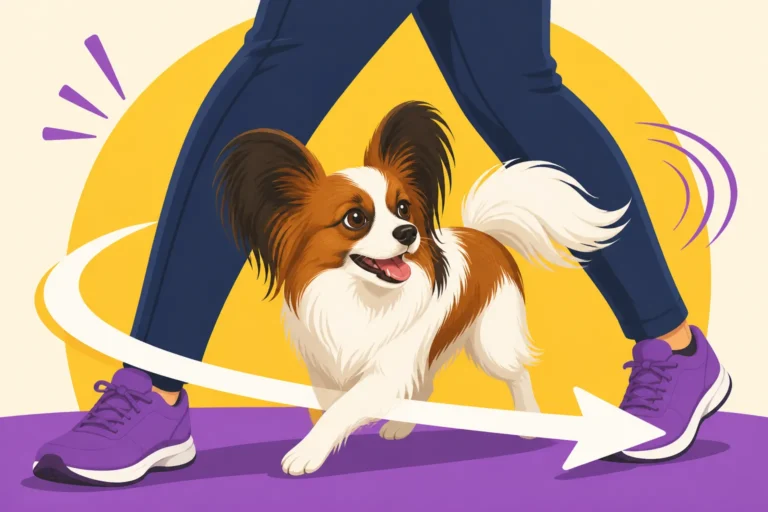
- Loose Leash Walking: Click and treat every time your Papillon walks beside you without pulling, even if it's just for a few steps initially.
- Potty Training: When you're working on The Age a Papillon Is Reliably House Trained, clicking and treating immediately after they relieve themselves in the correct spot reinforces that behavior powerfully. The quick feedback of the click helps bridge the gap between the action and the reward, which is crucial for such a fast-moving event.
- Settling on Their Bed: Click and treat for lying calmly on their designated bed, especially when guests are over or during meal times.
By using the clicker to mark these desirable behaviors as they happen naturally, you're actively shaping a well-mannered companion without resorting to constant correction.
When to Fade the Clicker (And When Not To)
A common question is: "Do I have to click forever?" The answer is generally no, not for every single repetition once a behavior is reliable. The clicker is a teaching tool. Once your Papillon consistently performs a behavior on cue, you can start to "fade" the clicker. This means you'll still reward them, but not necessarily with a click every single time. You can transition to just giving a verbal marker ("Yes!" or "Good!") followed by a treat, and eventually to intermittent rewards (sometimes a treat, sometimes praise, sometimes a toy).
However, there are times when you might bring the clicker back out:
- When teaching a new, more complex behavior.
- When troubleshooting a behavior that has become sloppy or unreliable.
- When working on precision for a sport like agility.
- When your Papillon needs a confidence boost.
Think of the clicker as a super-precise pencil for drawing new behaviors, and verbal praise and treats as a broader brush for maintaining them.
Resources for Continued Learning
The world of positive reinforcement and clicker training is vast and full of helpful resources. Don't feel like you have to figure it all out alone.
- Books and Online Courses: Many excellent books detail clicker training techniques for all levels. You can find a wide selection of training manuals and clicker tools on Amazon, often with introductory guides. For those who prefer structured learning, comprehensive online programs like those offered by BAXTER & Bella provide step-by-step video tutorials and community support, which can be invaluable for working through specific challenges with your Papillon.
- Local Classes: A good positive reinforcement trainer in your area can provide hands-on guidance and help you troubleshoot any issues. They can also offer specialized classes for puppy socialization, basic obedience, or even introduction to agility.
- Online Communities: Forums and social media groups dedicated to Papillons or positive reinforcement training can be a great place to ask questions and share experiences with other owners. You might even find insights into specific quirks of the Papillon breed from experienced handlers.
Embrace the process, enjoy the bond you build with your intelligent Papillon, and watch as they flourish under your gentle, clear guidance.
Disclaimer
This article is for general informational purposes only and does not constitute professional advice. Laws, prices and regulations vary by location and change over time. Consult a qualified professional for guidance on your specific situation.