How a Papillon Rides in a Car
Getting your spirited Papillon to ride safely and comfortably in the car can feel like a delicate dance, especially with their small size and boundless energy. It's not just about stopping them from jumping into your lap while you're driving, which is incredibly dangerous; it's also about protecting their fragile bodies from sudden stops or accidents and ensuring they don't develop a lifelong aversion to car trips. This guide is here to walk you through making car travel a positive, secure, and stress-free experience for both you and your beloved butterfly dog.
The Absolute Necessity of Safe Car Travel for a Papillon
Leaving your Papillon unrestrained in the car isn't just a minor oversight; it's a significant risk that many owners underestimate. These tiny dogs, for all their intelligence and agility, are incredibly vulnerable in a moving vehicle. Imagine the force of even a low-speed impact on a five-pound dog. It's a sobering thought, but one we must consider to truly protect our companions.
The Dangers of an Unsecured Papillon
The biggest, most immediate danger of an unrestrained Papillon is what happens during an accident or even a sudden stop. Your little dog can become a projectile, not only risking severe injury to themselves – broken bones, head trauma, internal injuries – but also potentially injuring human occupants. Even if you're lucky enough to avoid a collision, a Papillon freely roaming the car can be a huge distraction. A sudden bark, a jump into the driver's lap, or a frantic dash under the pedals can cause you to swerve or lose focus, turning a routine drive into a dangerous situation. Think about those quick dashes to the vet for The Vaccination Schedule a Papillon Puppy Needs or regular check-ups; even short trips demand full attention to safety.
Furthermore, an unrestrained Papillon can easily escape the car if a window is open, or a door is accidentally left ajar when you stop, leading to them running into traffic or getting lost. Their curious nature means they might try to explore the world outside the car if given the chance, which is incredibly risky.
Legal Aspects of Pet Travel
It’s also important to remember that many regions are implementing laws regarding pet safety in vehicles. While not every state or country has explicit laws stating a dog must be restrained, many have laws against distracted driving that can easily apply if your Papillon is loose in the car. For example, some jurisdictions might fine you for having an animal in your lap or for any pet interfering with your ability to operate the vehicle. Insurance companies might also take an unrestrained pet into account during accident claims, potentially affecting your coverage if an injury was exacerbated by an unsecured animal. It's always a good idea to check your local regulations to ensure you're in compliance, not just for the law's sake, but for everyone's safety.
Choosing the Right Car Restraint for Your Papillon
Finding the perfect car restraint for a Papillon involves balancing safety, comfort, and their small size. What works for a Labrador certainly won't work for a butterfly dog, and even among small dog products, there are huge differences. We want something that will truly protect them without being overly restrictive or making them miserable during the ride.
Crates and Carriers: The Secure Sanctuary
For many Papillon owners, a well-secured travel crate or carrier is the gold standard for car safety. These provide a contained, safe space that can be buckled into the car, preventing your Papillon from becoming a projectile or a distraction. The rigid walls offer protection from impacts, and a familiar crate can provide a sense of security, much like their bed at home.
When choosing a crate, look for one that is crash-tested and appropriately sized. Your Papillon should be able to stand up, turn around, and lie down comfortably, but it shouldn't be so large that they can be tossed around inside it during a sudden stop. Plastic carriers with good ventilation are often a great choice, as they are easy to clean if an accident occurs. You can find many suitable options for What a Crate for a Papillon Costs or What a Carrier for a Papillon Costs on platforms like Amazon, offering a wide range of sizes and safety features. Always ensure the carrier itself is secured by a seatbelt or dedicated anchor points to prevent it from sliding or tipping. Some owners find that covering the carrier with a light blanket can also help reduce visual stimulation and car-induced anxiety for their little one.
Car Seats and Booster Seats: Elevated Safety
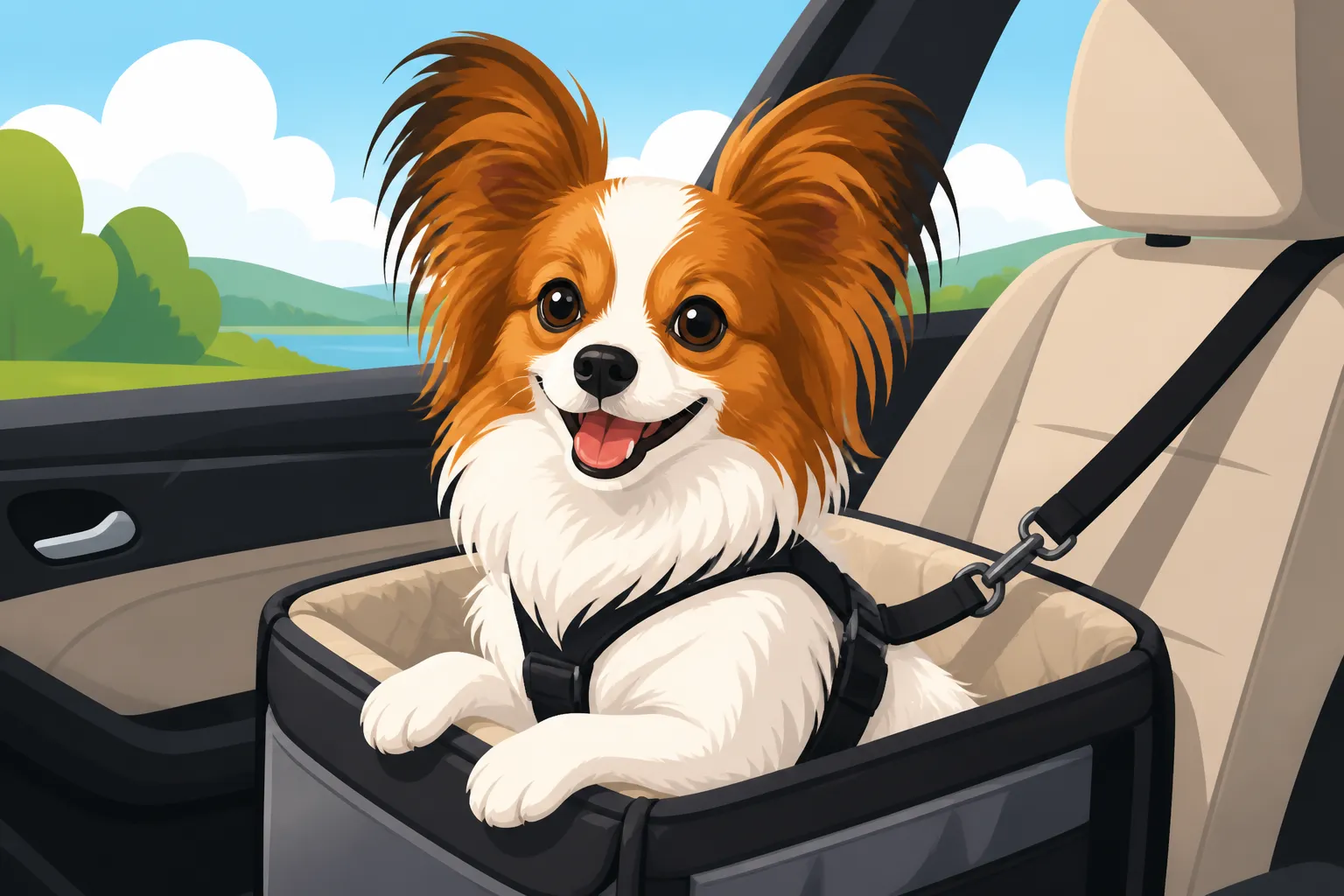
Car seats or booster seats designed specifically for small dogs are another popular option, and they're particularly good for Papillons who love to look out the window. These seats elevate your dog, allowing them to see out while still being safely tethered. Most models come with a built-in tether that clips to your dog's harness (never a collar, as this can cause neck injury in a sudden stop) and are secured by the car's seatbelt system.
The main benefit here is that they provide a stable, contained space while still allowing your Papillon to observe the world passing by, which can be a huge anxiety reducer for some dogs. Just make sure the tether is short enough to prevent them from jumping out of the seat or reaching dangerous areas, but long enough for them to adjust their position. Again, look for crash-tested options if possible, and ensure the material is durable and easy to clean. These seats offer a nice compromise between full containment and allowing your dog to feel more "part of the ride."
Safety Harnesses and Seatbelt Attachments: Direct Restraint
For Papillons who prefer to be right on the seat beside you, a crash-tested safety harness combined with a seatbelt attachment is essential. This setup allows your dog to lie or sit on the car seat itself, held securely by the harness and strap. It's crucial that the harness is designed for car safety – a regular walking harness might not distribute impact forces effectively, potentially causing injury. Always connect the seatbelt attachment to the back of the harness, not the neck.
The advantage of this system is that it allows your Papillon a bit more freedom of movement than a carrier, which some dogs prefer. However, it's vital to ensure the strap is the correct length: too long, and they can still be thrown around or get tangled; too short, and they might be uncomfortably restricted. The goal is to limit their movement enough to prevent them from becoming a projectile or a distraction, while still allowing them to sit or lie down. You can find various certified What a Harness for a Papillon Costs options, often recommended by pet safety organizations. This method is often preferred for short trips, but for longer journeys, many still opt for a carrier or crate.
| Restraint Type | Pros | Cons | Best For |
|---|---|---|---|
| Crate/Carrier | Maximum safety, secure containment, familiar comfort | Can limit views, takes up space, some dogs dislike confinement | Anxious travelers, long journeys, maximum protection |
| Car Seat/Booster | Elevated view, contained, tethered safety, less restrictive | Less impact protection than a crate, must use with harness | Papillons who like to see out, shorter trips |
| Safety Harness | Allows dog to sit on seat, flexible movement | Requires crash-tested harness, length of tether is key, less overall protection than crate | Dogs comfortable on car seat, short trips with low risk |
Making Car Rides a Positive Experience for Your Papillon
Even with the best safety equipment, a Papillon who dreads car rides won't be a happy traveler. Many small dogs, for various reasons, develop anxiety or motion sickness. The key is to introduce car travel positively and gradually, making it an enjoyable part of their routine rather than a scary ordeal. This is especially important for Whether a Papillon Gets Carsick Before a Trial if you plan to involve your dog in competitive sports.
Gradual Introduction and Positive Reinforcement
Start with very short, positive experiences. Don't let your Papillon's first car ride be a long trip to the vet for a scary procedure. Instead, introduce the car as a fun place. Begin by simply letting them explore the parked car. Toss treats inside, let them sniff around their carrier or car seat, and praise them lavishly. You could even use some of the positive reinforcement techniques from places like BAXTER & Bella to help them associate the car with good things.
Once they're comfortable in the parked car, move on to short trips. Start by just backing out of the driveway and pulling back in. Then, a quick spin around the block. Always make these initial trips end with something positive – a trip to a favorite park, a walk, or simply returning home for a special treat. The idea is to build positive associations slowly. Never force them into the car or drag them along; this will only increase their fear. Patience is truly a virtue here.
Addressing Car Sickness and Anxiety
Some Papillons genuinely get car sick, while others develop intense anxiety. It's important to distinguish between the two, though they can often go hand-in-hand.
For Car Sickness:
- Empty Stomach: Try to avoid feeding your Papillon a large meal right before a car trip. A light snack a few hours prior is usually fine.
- Cool Air & Ventilation: Keep the car well-ventilated and cool. A stuffy car can exacerbate nausea.
- Forward Facing: Ensure your Papillon is facing forward, if possible, as this can sometimes help reduce motion sickness.
- Consult Your Vet: If car sickness is severe and persistent, talk to your veterinarian. They might suggest anti-nausea medications or other remedies.
For Anxiety:
- Familiar Items: Bring a favorite blanket, toy, or a piece of your clothing with your scent into their car restraint. Familiar smells can be very comforting.
- Calming Aids: Your vet might suggest natural calming supplements, pheromone sprays, or even prescription anti-anxiety medication for severe cases. Never use these without professional guidance.
- Consistent Routine: Try to make car trips predictable. If they know every car ride isn't to the vet but sometimes to the park, it can reduce apprehension.
- Desensitization: This is where the gradual introduction comes in. Very slowly increase the duration and distance of car rides, always pairing them with positive experiences. For some dogs, even a short trip to a drive-thru for a "puppuccino" can create a positive association!
Remember, your Papillon's small stature means they're quite sensitive, and a bad experience can leave a lasting impression. Patience and positive reinforcement are your best tools.
Longer Journeys and Essential Car Travel Tips
Planning a longer road trip with your Papillon requires a little more foresight than a quick trip to the store. With their delicate frames, things like proper hydration, rest stops, and appropriate care become even more critical. Many people travel with their Papillons for events like agility trials, so being prepared is key to a smooth journey and ensuring your dog is ready to perform, or simply enjoy the destination. Traveling With a Papillon can be a truly enriching experience if handled well.
Packing Essentials for Your Papillon
Before you even turn the key, make sure you've got a dedicated bag packed with all your Papillon's travel essentials. It's like packing a carry-on for a human, but with more thought for fur and paws!
Here’s a checklist of what you'll want to have on hand:
- Food and Water: Pack enough of their regular food for the entire trip, plus a little extra. Don't forget their food and water bowls. Collapsible travel bowls are fantastic for saving space. Always have fresh water readily available.
- Leash and Collar/Harness: Even if they wear a harness in the car, always have a leash handy for potty breaks. You might want to carry a spare, just in case.
- Waste Bags: Essential for cleaning up after your dog at rest stops. Leave no trace!
- Favorite Toys and Comfort Items: A familiar toy or blanket can provide comfort and entertainment, especially in a new environment.
- Medications: If your Papillon is on any regular medications, or if your vet prescribed something for car sickness or anxiety, make sure you have enough for the trip.
- First-Aid Kit: A basic pet first-aid kit with items like antiseptic wipes, bandages, tweezers, and any emergency contact numbers for your vet. How a Papillon Hides Pain can make it hard to spot minor issues, so being prepared helps.
- Proof of Vaccination/Health Records: Especially important if you're crossing state lines or staying at pet-friendly accommodations.
- Grooming Supplies: A brush for their beautiful fringes, especially the ears and tail, can help keep them comfortable during long stretches in a carrier.
Think of it this way: if you're traveling for an agility competition, you wouldn't forget your own running shoes, right? Your Papillon's comfort and health on the road are just as vital as Why a Papillon's Weight Is Checked Before Every Trial.
Planning Breaks and Hydration
Long car rides can be exhausting, even for us, and they are even more so for a small dog like a Papillon who might be feeling a bit stressed. Regular breaks are non-negotiable.
Frequency: Aim for a break every 2-3 hours, or more frequently if your Papillon seems restless or anxious. These breaks aren't just for potty opportunities; they're also for stretching legs, sniffing new smells, and a mental reset.
During Breaks:
- Leash Up: Always put your Papillon on a leash before opening the car door. A startled or excited dog can bolt in an unfamiliar environment.
- Potty Time: Let them relieve themselves in a safe, grassy area away from traffic. Always pick up after them!
- Water: Offer fresh water. Even if they don't seem thirsty, a small sip can help prevent dehydration. Their small bodies are more susceptible to quickly becoming dehydrated, especially in warm weather.
- Short Walk/Stretch: Allow for a brief walk or some sniffing time to burn off a little energy and stretch those small legs. However, be mindful of their delicate knees; Patellar Luxation Is the Papillon Problem You Will Actually Meet is a common concern, so avoid rough play or excessive jumping during breaks. Keep an eye out for potential slipping hazards like loose gravel.
- Never Leave Them Unattended: This is a crucial rule. Never, ever leave your Papillon alone in a car, even for "just a minute." Temperatures inside a car can rise to dangerous levels incredibly quickly, even on what feels like a mild day, leading to heatstroke. In cold weather, they can suffer from hypothermia. Plus, an unattended dog is vulnerable to theft.
By following these tips, you can ensure that car rides, whether short or long, are as safe, comfortable, and enjoyable as possible for your precious Papillon. They may be small, but their needs are mighty when it comes to travel!
Disclaimer
This article is for general informational purposes only and does not constitute professional advice. Laws, prices and regulations vary by location and change over time. Consult a qualified professional for guidance on your specific situation.