Whether the Teeter Frightens a Papillon
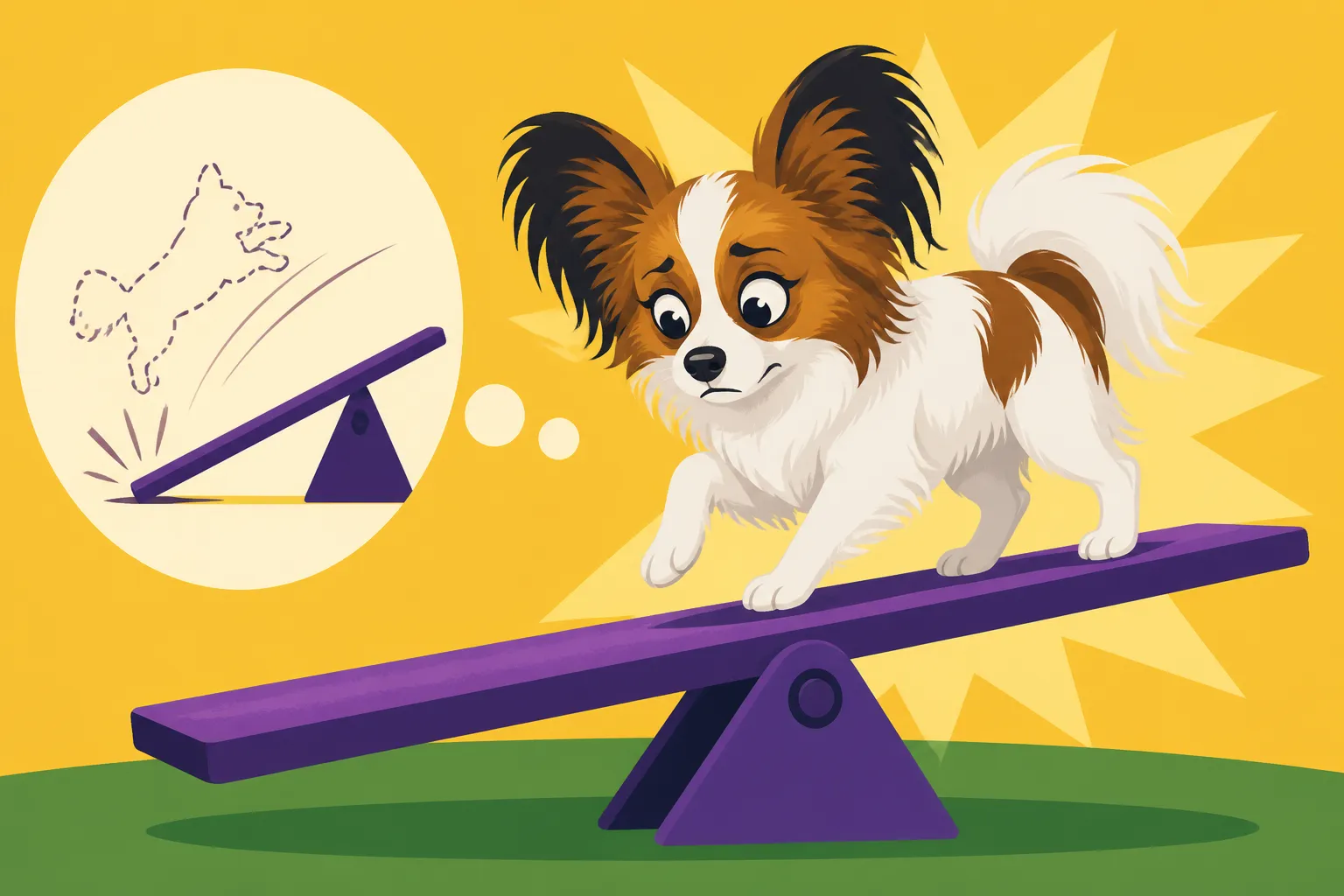
It’s a common sight in agility – a tiny Papillon zooming over jumps, flying through tunnels, looking absolutely fearless. But then comes the teeter-totter, and suddenly, that bold little dog might freeze, back up, or even look genuinely terrified. If you've ever wondered why your nimble Papillon might be intimidated by this particular obstacle, you're absolutely not alone. It’s a very real concern for many of us, and understanding the 'why' is the first step to building confidence in your little butterfly dog, ensuring their agility journey remains fun and rewarding.
Understanding the Papillon Temperament and Agility Potential
Papillons are often hailed as one of the smartest dog breeds, and anyone who lives with one can attest to their sharp minds and boundless energy. They were not just bred to be pretty lapdogs; they possess a keen intelligence and a desire to work alongside their human companions, making them fantastic candidates for dog sports like agility. However, even the most intelligent and biddable dogs can have specific anxieties or challenges.
The Papillon's Inner Drive and Sensitivity
Our Papillons might be small in stature, but they have giant hearts and even bigger personalities. They thrive on mental stimulation and physical activity, often astonishing people with their speed and agility on a course. This isn't a breed that sits back and observes; they love to be involved, to learn new things, and to impress you with their quick understanding. It’s no wonder they often dominate in the smaller jump height classes. They are incredibly eager to please, which is a huge asset in training.
However, beneath that confident exterior, many Papillons carry a degree of sensitivity. They are keenly aware of their surroundings, their handler's emotions, and sudden changes in their environment. A loud noise, an unexpected movement, or a slight change in balance can be much more impactful for a small, sensitive dog than it might be for a larger, more stoic breed. This sensitivity isn't a flaw; it's just part of who they are, and it means we, as their handlers, need to be extra mindful and patient, especially when introducing something inherently 'unnatural' like the teeter-totter. They learn new cues incredibly fast, but that also means they can pick up on our subtle anxieties. How Fast a Papillon Learns a New Cue is truly impressive, but remember they also pick up on our worry!
Why Agility Is a Natural Fit (Mostly) for Papillons
Agility taps into a Papillon's natural athleticism and intelligence. They love to run, jump, and navigate obstacles. Their light build and quick turns make them incredibly agile, living up to their "butterfly" name as they float over jumps. For many Papillons, agility is not just a sport; it's a way to bond deeply with their owners and to express their inherent joy and zest for life. The tunnels are typically a breeze, the jumps are fun, and even the A-frame, once mastered, usually poses little issue. It provides fantastic mental work a Papillon needs, keeping their busy brains engaged.
But the teeter-totter is a unique beast. Unlike other obstacles that offer consistent movement or a clear path, the teeter introduces a sudden shift in balance, a moment of free-fall, and a potentially startling sound. For a breed that thrives on predictability and can be sensitive to sudden changes, it's easy to see why this particular obstacle might give them pause. It’s not a reflection of their intelligence or courage, but rather a natural reaction to something that feels inherently unstable and perhaps a little alarming. This is why a methodical and gentle approach is crucial, far more so than with other equipment.
Why the Teeter-Totter Can Be Challenging for a Small Dog
The teeter-totter, also known as the seesaw, is an agility obstacle designed to test a dog's balance, coordination, and confidence. It consists of a long plank, often 10-12 feet long, pivoted in the middle. The dog must run up one side, cause it to tip, and then walk down the other side. While it sounds simple, for a small dog, it presents several significant challenges that can lead to fear or hesitation.
The Unpredictable Movement and Loud Noise
Imagine stepping onto a narrow bridge that suddenly drops out from under your feet, hitting the ground with a loud bang, all while you're focused on following directions. That's essentially what the teeter can feel like to a Papillon. The pivotal point causes the plank to tip, creating a moment where the dog feels a loss of control. For a tiny creature that weighs only a few pounds, this feeling can be profoundly unsettling. It’s not just the drop, but the speed of the drop that can be startling. If the teeter isn’t weighted correctly or if the dog is very light, the plank can crash down with considerable force.
Then there's the noise. When the teeter hits the ground, especially if it’s an outdoor teeter with a hard surface underneath, it can produce a surprisingly loud thud or clang. This sudden, unexpected sound can be very frightening for a sensitive dog. It’s not just an unpleasant noise; it's a sound that accompanies an unstable, unfamiliar movement. For a Papillon, whose ears are so expressive and often alert, these sounds can be particularly jarring. Many a handler has seen their dog recoil at the sound alone. This is why when starting a Papillon in agility, you want positive associations from the very beginning. Starting a Papillon in Agility is about building confidence, not breaking it.
Height and Perceived Instability
From a Papillon's perspective, the teeter is a relatively high obstacle. While they might clear a jump of 8 or 12 inches with ease, being on a plank that is pivoted several inches off the ground, then drops, can feel much higher and more precarious. Their center of gravity is low, which helps with overall agility, but it doesn't necessarily make them feel secure on a wobbling, dropping plank. It's the sensation of being high up, combined with the feeling of the ground literally moving beneath them, that can create anxiety.
Dogs, like humans, naturally seek stable ground. The teeter-totter is designed to be unstable, which goes against a dog's innate desire for security. This perceived instability can cause them to hesitate, plant their feet, or even try to jump off, which can be dangerous. It's a mental puzzle that asks them to trust an object that behaves in a counter-intuitive way. Therefore, the training process must systematically address each of these fear factors, slowly and with immense patience, to build genuine confidence.
Step-by-Step Approach to Introducing the Teeter to a Papillon
Introducing the teeter-totter to your Papillon requires patience, positive reinforcement, and a breakdown of the obstacle into its smallest, least intimidating components. Rushing this process is the fastest way to create a teeter-phobic dog, and nobody wants that. Remember, the goal is to build a positive association, not just to get them across.
Deconstructing the Teeter: Ground Work and Gentle Introduction
Start with the teeter on the ground, completely flat, with no pivot. You can often lower a competition teeter by removing the support, or you can use a plank of wood on two low blocks. The goal here is simply to get your Papillon comfortable walking on the surface. Lure them across with high-value treats and praise. Make it a fun, casual activity. They should feel no pressure. Once they are happily walking across the flat plank, introduce a slight incline by raising one end just a few inches. This is where you want to make sure your Papillon's nails are trimmed short, as long nails can make them feel less stable on the board, affecting their confidence. How Short a Papillon's Nails Must Stay for Agility is important.
Next, you'll want to introduce the action of the teeter without the startling noise. Many trainers use a bungee cord or a sandbag attached to the lighter end of the teeter to slow its descent, making the drop much gentler and quieter. Some even wrap the end of the teeter in blankets or soft material to muffle the sound entirely. Start with the teeter set to tip very slowly, and lure your Papillon just a few steps onto the uphill side. As it starts to tip gently, encourage them forward with treats. The moment they reach the balance point and the board starts to move, reward heavily. Repeat this many, many times, always ensuring a positive, low-stress experience.
Gradual Progression and Positive Reinforcement Techniques
Once your Papillon is comfortable with the slow, quiet tip, you can gradually reduce the bungee cord tension or the cushioning, allowing for a slightly faster or louder tip. The key word here is "gradually." This isn't a race. You want to slowly acclimate them to the full motion and sound of the teeter. Always reward as they are moving over the teeter and immediately when they reach the ground on the other side. Use their favorite high-value treats or toys – whatever motivates them most. Which Rewards a Papillon Works For is crucial here. Your enthusiasm and calm demeanor are also incredibly important; if you’re stressed, they will pick up on it.
Consider using a target stick or a mat on the ground at the end of the teeter to encourage them to drive all the way off. This teaches them to complete the obstacle confidently. For online learning, resources like BAXTER & Bella offer structured training modules that can guide you through these incremental steps with clear video demonstrations. Having a clear plan can prevent mistakes that might inadvertently create fear. If your Papillon shows any signs of fear – tail tucked, backing away, reluctance – immediately go back to an easier step. Never force them. Even if you've done this before, remember How Sensitive a Papillon Is and adjust your approach.
Here’s a simplified breakdown of the teeter training stages:
| Stage | Goal | Key Action | Handler Focus |
|---|---|---|---|
| 1. Flat Plank | Comfort walking on the surface | Teeter laid flat on the ground. Lure back and forth. | Praise, make it fun, no pressure. |
| 2. Gentle Incline | Comfort with slight elevation | Raise one end a few inches. Lure over the low incline. | Keep it light, lots of treats. |
| 3. Slow, Quiet Tip | Acclimation to movement without loud sound | Use bungee/sandbag to slow tip. Cushion impact zone. Lure gently. | Build confidence, reward movement. |
| 4. Gradual Sound | Acclimation to the teeter's full sound | Slowly reduce dampening. Keep tip controlled. Lure to the tip point and over. | Steady encouragement, enthusiastic reward. |
| 5. Full Teeter | Confident, independent performance | Teeter at full height, normal swing. Encourage speed and drive. | Maintain consistency, celebrate success. |
Handler Positioning and Confidence
Your role as a handler is paramount. Your confidence directly impacts your Papillon's confidence. If you hesitate, pull back, or show anxiety, your dog will interpret that as a sign that the obstacle is indeed dangerous. Stand firm, be clear with your verbal cues, and maintain a positive, encouraging tone. Many trainers teach a "teeter" or "go-on" cue that means to confidently commit to the obstacle. You want to make sure your timing of rewards is spot-on – not too early that they abandon the obstacle, but not too late that they don't associate the reward with the successful action.
Practice your own footwork and timing so you can guide your Papillon smoothly. Remember, for a small dog, your body language is a giant beacon. If you’re leaning into the teeter and saying “Go, go, go!” they’re more likely to trust you. If you’re pulling back on the leash or speaking in a worried tone, they're going to think "Uh oh, something's wrong." It might feel silly practicing your own movements without your dog, but it helps!
Overcoming Teeter Fear and Building Confidence
Even with the most careful introduction, some Papillons might still show hesitation or outright fear of the teeter. This is completely normal and doesn't mean your dog can't do agility. It just means you need to adjust your approach and double down on building positive associations and trust.
Identifying the Root of the Fear
Before you can overcome the fear, try to pinpoint what exactly is causing it. Is it the height? The sudden drop? The noise? Or a combination of all three?
- Noise-sensitive Papillon: If the clatter scares them, spend more time with cushioned landings, gradually removing the cushioning. Pair the sound with high-value treats away from the teeter, then gradually closer.
- Movement-sensitive Papillon: If the dropping motion is the issue, work extensively on stage 3 (slow, quiet tip) until they are absolutely nonchalant. You might need to use a very heavy counterweight for a long time.
- Overall lack of confidence: Sometimes it's not one specific thing but a general feeling of insecurity. In this case, go back to basics, build their confidence on other obstacles, and ensure every interaction with the teeter is overwhelmingly positive and on their terms.
Sometimes, a bad experience (like an uncontrolled crash or being forced) can create lasting fear. If this has happened, you'll need to meticulously re-introduce the teeter with even more care than the first time, essentially erasing that negative memory with hundreds of positive ones.
Consistency, Patience, and Fun
The number one rule for overcoming teeter fear is consistency combined with patience. Don't rush. Don't get frustrated. Your Papillon can feel your emotions, and frustration will only increase their anxiety. Work in very short, positive sessions. A few successful repetitions are far better than one forced, stressful one. How Short a Papillon's Training Session Should Be is always important, but especially so with a challenging obstacle like the teeter.
Always end on a positive note, even if it means doing a simple, successful walk over a flat plank. If you get stuck, don't be afraid to take a break from the teeter for a week or two and revisit it later. Sometimes, a mental reset does wonders. Incorporate games and fun around the teeter area, even if it's not directly related to the obstacle. Toss treats near it, play tug beside it, making the entire environment associated with joy. You might even find some smaller, portable teeters or training planks available on Amazon that you can use in a familiar home environment to practice without the pressure of a full-sized competition teeter.
Seeking Professional Guidance and Alternative Training Methods
If you're truly struggling, don't hesitate to seek help from an experienced agility instructor. A good coach can observe your technique and your dog's reactions, offering tailored advice. They might spot something you're missing or suggest a nuanced adjustment that makes all the difference. Many clubs offer teeter-specific workshops, which can be invaluable.
There are also specific techniques, like "teeter-totter games," that focus on building enthusiasm and drive. For example, some trainers use a retrieve game where the dog brings a toy over the teeter to the handler. The focus shifts from the scary obstacle to the exciting game. For those who enjoy online learning, platforms like BAXTER & Bella often feature advanced agility courses or specific modules dedicated to overcoming obstacle challenges, providing a wealth of information and support from certified trainers. Remember, the goal isn't just to get them over it, but for them to enjoy doing it. A Papillon that genuinely loves the teeter will attack it with enthusiasm and speed, which is what we all hope for our amazing little athletes.
Disclaimer
This article is for general informational purposes only and does not constitute professional advice. Laws, prices and regulations vary by location and change over time. Consult a qualified professional for guidance on your specific situation.