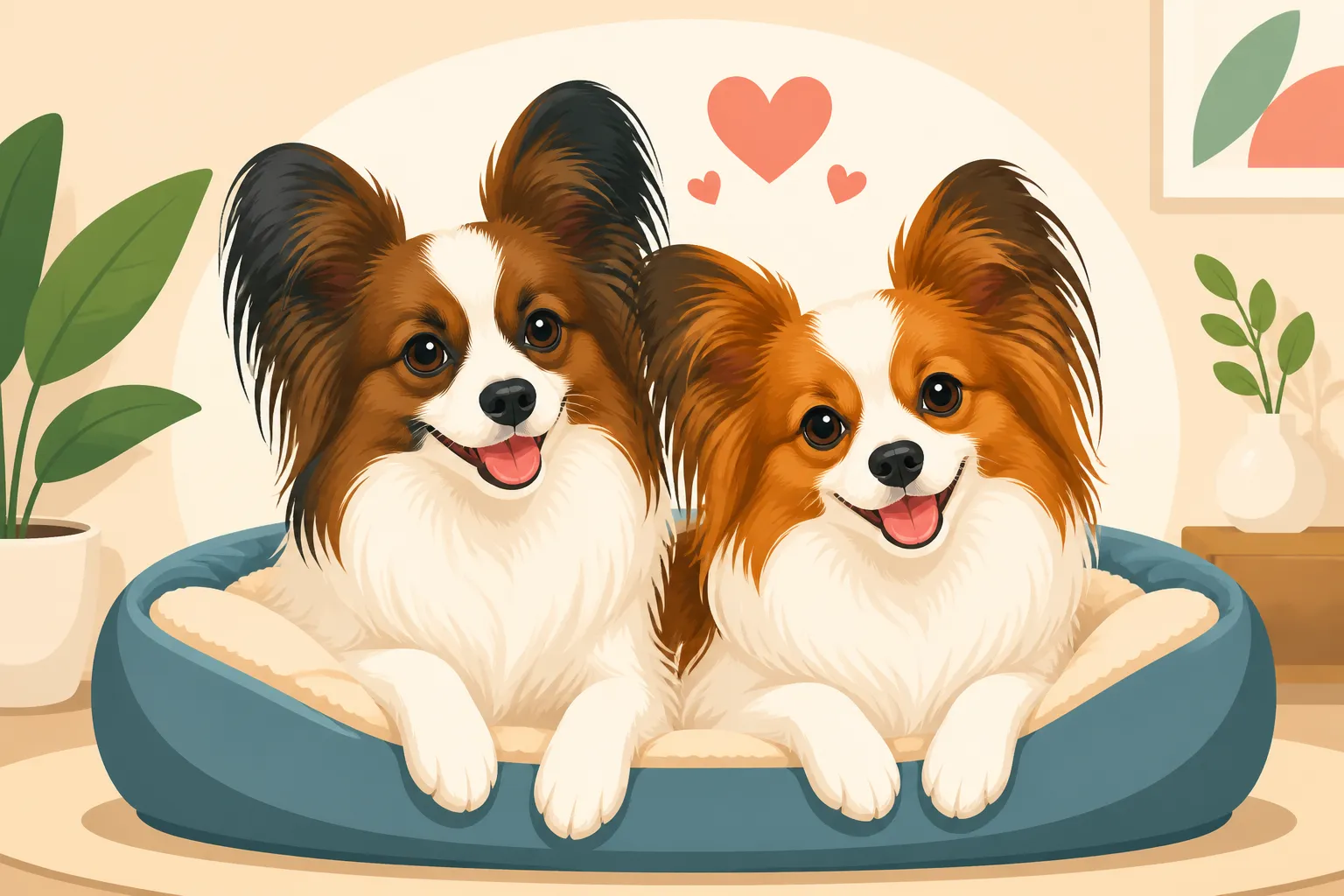
How Two Papillons Live Together
Many Papillon enthusiasts eventually find themselves in a delightful dilemma: after experiencing the joy of one, they wonder if two would be even better. While the idea of a pair of little butterflies flitting around sounds wonderful, integrating a second Papillon into your home isn't always as simple as opening the door and letting them play. This guide will walk you through the nuances of bringing two Papillons together, offering practical advice to foster a harmonious multi-dog household and avoid common pitfalls.
Understanding the Papillon Personality: Why Two Might Be a Good Idea (Or Not)
Papillons are known for their intelligence, vivacious spirit, and deep affection for their human companions. They're often described as "big dogs in small bodies," unafraid to tackle challenges and eager to be involved in everything their family does. This unique personality can make them excellent candidates for multi-dog homes, but it also brings specific considerations.
The Papillon's Social Nature
One of the most endearing traits of a Papillon is their social nature. They thrive on companionship, whether it's with their humans or other dogs. Many Papillon owners observe that their dogs seem to light up even more when they have a canine buddy to wrestle with, chase around the yard, or simply nap beside. It's not uncommon for these little dogs to form incredibly strong bonds with their pack mates, often choosing to cuddle up together, even if there's ample space elsewhere. This intrinsic desire for company can mean that adding a second Papillon often fulfills a need for canine interaction that we, as humans, simply can't always provide. They speak the same language, after all!
However, this social drive isn't a guarantee of instant friendship. While many Papillons are generally welcoming, some can be quite particular about who they invite into their inner circle. They might be friendly with dogs at the park but prefer their home to remain their own special kingdom. It's crucial to honestly assess your current Papillon's temperament before committing to a second. Is your first dog truly happy with other dogs, or do they tolerate them politely? A truly gregarious Papillon is more likely to accept a new housemate with open paws, turning the house into a happy hub of playful antics. For insights into their social behavior, you might find How a Papillon Gets On With Another Papillon helpful.
Potential for Rivalry or Jealousy
Even with the most social Papillon, the introduction of a new dog can stir up feelings of rivalry or jealousy, especially if the existing dog has been the sole focus of your attention for a long time. Papillons are known for bonding very closely with their primary caregivers, and they can sometimes be possessive of their humans, toys, or even their favorite napping spots. This isn't usually an aggressive trait, but rather a subtle form of resource guarding where they might nudge away the newcomer, block access to your lap, or carry off a coveted toy to a private location.
It's vital to remember that these behaviors are often rooted in insecurity rather than malice. Your original Papillon might feel their status or access to resources is threatened. To mitigate this, you'll need to be incredibly consistent and fair from day one. Avoid over-coddling the new dog, but also ensure your first Papillon doesn't feel displaced. Equal attention, separate resources when needed, and careful management of interactions can prevent these initial anxieties from escalating into lasting issues. It's a delicate balance, making sure everyone feels loved and secure without fostering a sense of competition.
Bringing Home a Second Papillon: The Introduction Process
The way you introduce a new Papillon to your existing one sets the tone for their entire relationship. Rushing this critical stage can lead to stress, fear, and long-term difficulties. A slow, controlled, and positive approach is always the best strategy for success.
Neutral Territory and Supervised Meetings
The very first meeting between your two Papillons should ideally happen on neutral territory. This means a place neither dog considers "theirs," like a local park, a friend's fenced yard, or even a quiet street for a parallel walk. The goal is to avoid any immediate territorial defensiveness from your resident Papillon. Have both dogs on leash, handled by separate people. Start with a parallel walk, keeping a comfortable distance apart. This allows them to get used to each other's presence and scent without the pressure of a direct confrontation. Observe their body language carefully. Are tails wagging loosely? Are ears soft and relaxed? Or are they stiff, staring, or showing signs of stress like lip licking or yawning?
Once they seem comfortable with walking near each other, you can try a brief, loose-leash sniff-and-greet, always ready to redirect if tension arises. Keep these initial interactions short and sweet, ending on a positive note. Praise and reward calm behavior from both dogs. Avoid high-energy greetings or forcing interaction if either dog seems hesitant. Multiple short, positive interactions in neutral spaces are far more beneficial than one long, stressful one.
Establishing Separate Spaces and Resources
When it's time to bring the new Papillon home, it's paramount that each dog has their own clearly defined, safe space. This might mean separate crates in different rooms, or designated beds in areas where they won't feel threatened by the other. Their individual spaces should be sanctuaries where they can retreat and feel secure. This is especially important during the initial adjustment period and for overnight sleeping or when you need to leave them alone.
Furthermore, all essential resources should be duplicated and kept separate to prevent any resource guarding issues. This includes food bowls, water bowls, chew toys, and even favorite resting spots. Feed them in separate areas or at a distance where they can't interfere with each other. Offer high-value treats or toys only when they are apart or under direct supervision, and even then, make sure each dog gets their own. By ensuring an abundance of resources and clear individual property, you can minimize potential squabbles and help both dogs understand that there's enough for everyone. Many owners find gates and exercise pens invaluable during this stage, allowing for visual contact without physical interaction, and you can find many options on Amazon to create these safe zones.
Navigating Daily Life with Two Papillons: Creating Harmony
Once the initial introductions are over and both Papillons are living under the same roof, the next phase is integrating them into a smooth, harmonious daily routine. This involves careful management of attention, play, and training.
Managing Attention and Affection
One of the biggest challenges in a multi-Papillon household is ensuring both dogs feel equally loved and valued. Papillons are total velcro dogs, and they adore being the center of attention. It's easy for one dog to naturally gravitate towards you more, or for you to unconsciously favor the quieter or more boisterous one. Make a conscious effort to give each Papillon individual, undivided attention every single day. This could be a special cuddle session on the sofa, a one-on-one training session, or a short walk alone. This dedicated "me time" reinforces your bond with each dog and prevents feelings of neglect or competition.
When both dogs are present, try to distribute your affection evenly. If one jumps on your lap, invite the other up too (if space allows!), or make sure to reach down and pet the one on the floor. Pay attention to how they react to your interactions. If one tries to push the other away, gently redirect the pushy behavior and calmly reward the dog who is waiting patiently. Consistency is key here; both dogs need to learn that good things happen to everyone, not just the quickest or most demanding.
Establishing Routines and Playtime
Routines are the bedrock of a calm and predictable household for any dog, and they are doubly important for two Papillons. Predictable feeding times, potty breaks, walks, and bedtimes help reduce anxiety and clearly define expectations for both dogs. When they know what to expect and when, they are less likely to compete for your attention or become agitated.
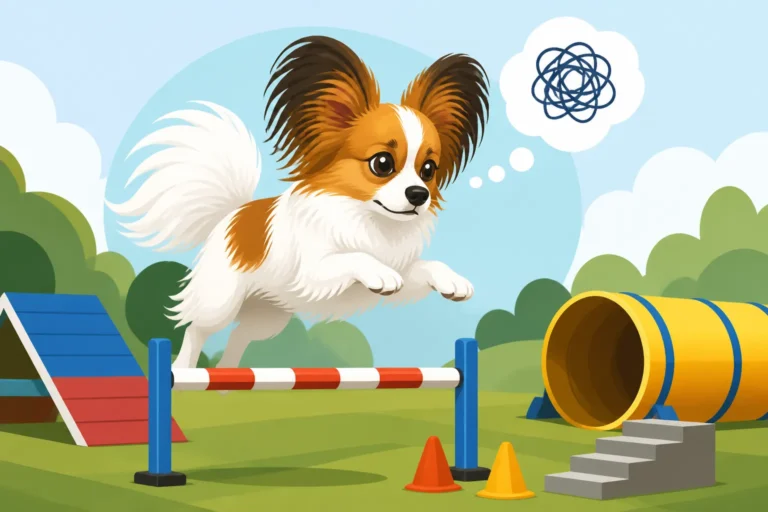
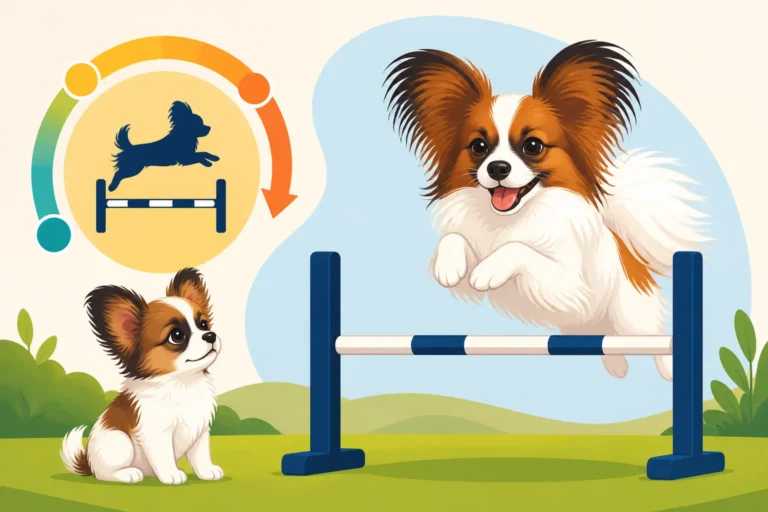
Playtime is also crucial for Papillons, as they are intelligent and energetic little dogs. Encourage healthy, supervised play between them, but also be ready to intervene if play gets too rough or one dog seems overwhelmed. Small dogs, even Papillons, can sometimes accidentally injure each other during boisterous play, particularly if there's a significant size or age difference. Provide a variety of toys, and rotate them regularly to keep interest high. Interactive toys that stimulate their minds are wonderful for these clever dogs. Remember, sometimes individual play with you, like a game of fetch or tug, is just as important as playtime with their canine sibling. What a Papillon Does All Day covers more about their daily needs for activity.
Training Together and Individually
Training doesn't stop once you have two dogs; it becomes even more important. Basic obedience commands like "sit," "stay," "come," and "leave it" are essential for managing a multi-dog household. You'll want to be able to get both dogs' attention and control their behavior, especially during greetings or when guests arrive. It's often beneficial to train both dogs together and individually. Training them together helps them learn to respond even with distractions, while individual sessions ensure each dog gets focused attention and builds their confidence.
Consider enrolling in a positive reinforcement training program, either in-person or online, like those offered by BAXTER & Bella. They can provide structured guidance on managing multiple dogs and troubleshooting common issues. Papillons are exceptionally smart and love to learn, so training can be a wonderful bonding activity for all of you. Remember to use high-value treats and praise to keep them motivated. Consistency from all family members is crucial for both dogs to understand and adhere to the rules of the house. You'll be amazed at how quickly they pick things up, and even more so when they learn to perform cues side-by-side.
Common Challenges and Solutions for a Two-Papillon Household
Even with the best intentions and careful introductions, living with two Papillons can present its own set of challenges. Being prepared for these issues and knowing how to address them can save a lot of stress down the line.
Managing Barking Tendencies
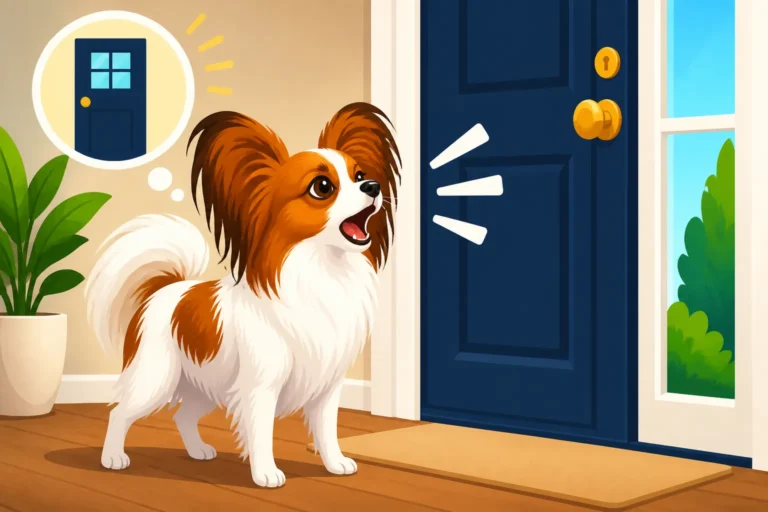
Papillons are known for their alert nature, which often translates into barking. They'll bark at the mail carrier, the squirrel outside the window, the neighbor walking by, or even a leaf blowing across the yard. While one Papillon's barking can be managed, two can amplify the noise considerably, creating a "barking chorus" that might test your patience and your neighbors'.
The key to managing barking in a two-Papillon household is consistency and early intervention. Teach a "quiet" cue to both dogs. When they start barking, investigate the cause, thank them (if it's an alert you appreciate), then give the "quiet" command and reward them when they stop. Don't inadvertently reinforce barking by giving attention or treats while they are still making noise. Desensitize them to common triggers by slowly exposing them to the trigger at a distance where they don't react, then gradually decrease the distance while rewarding calm behavior. Close curtains if window barking is an issue, and provide plenty of mental stimulation to prevent boredom barking. Remember, a tired Papillon is often a quiet Papillon! For more on this, check out What a Papillon Barks At.
Dealing with Resource Guarding
Resource guarding can range from mild possessiveness over a favorite toy to more serious aggression over food or your attention. While you've set up separate resources initially, sometimes issues can still arise, especially around high-value items or prime cuddling spots. It's crucial to address any signs of resource guarding immediately and proactively.
Never punish a dog for guarding, as this can escalate the behavior. Instead, practice management and counter-conditioning. For toys, ensure there are always plenty available, and periodically trade a high-value toy for an even higher-value treat, teaching them that humans approaching their resources results in good things, not loss. For food, continue to feed them separately. If one Papillon tries to push the other away from your lap, gently move the pushy dog to a separate spot and give attention to the other, then invite the first back for shared attention once they are calm. In severe cases, or if you feel uncomfortable managing the situation, consult a certified professional dog trainer or behaviorist. Their expertise can be invaluable in resolving complex behavioral issues.
Addressing Individual Needs and Personalities
Just like people, every Papillon has a unique personality. One might be a confident explorer, while the other is a shy lap dog. One might love to retrieve, while the other prefers chew toys. It's easy to treat them as a unit, but a truly harmonious household acknowledges and caters to their individual needs.
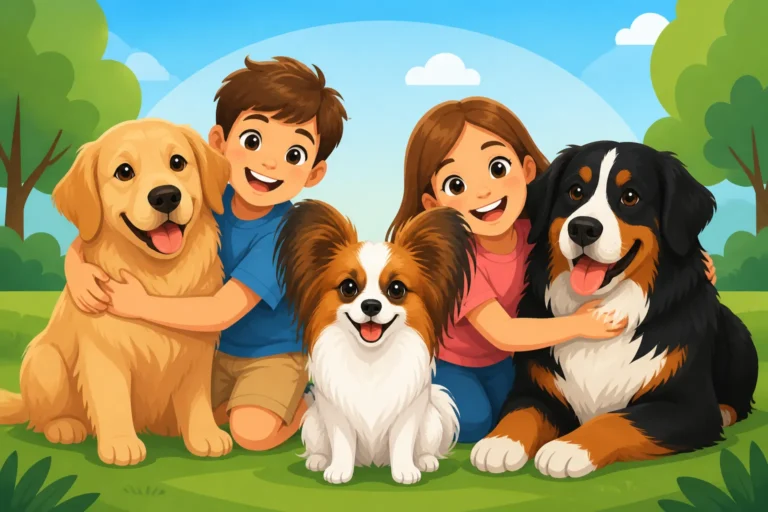
Take time to understand what makes each of your Papillons tick. Does one prefer quiet walks while the other loves energetic games of chase? Does one enjoy puzzle toys more than the other? By providing opportunities for each dog to engage in activities they genuinely enjoy, you ensure both are mentally and physically fulfilled. This individual attention reinforces their sense of self-worth and reduces any underlying frustration that could manifest as behavioral issues. Even in a pair, they are still individuals, and honoring their unique spirits will make them happier, more confident companions. Finding the right balance for two distinct personalities is key to a peaceful multi-Papillon home. For more on their independent natures, the article Why a Papillon Behaves With Large Dogs can provide insights into their inherent confidence.
| Aspect | Pros of Having Two Papillons | Cons of Having Two Papillons |
|---|---|---|
| Companionship | Provide constant canine interaction; reduce separation anxiety; enrich each other's lives. | Potential for rivalry or jealousy over human attention and resources. |
| Play & Exercise | Encourage more active play; self-entertain, burning off energy together. | Play can get too rough or one dog might dominate; potential for accidental injury. |
| Training | Can learn from each other; motivate each other in training sessions. | Distractions can make training harder; need to ensure individual attention. |
| Cost & Care | Double the cuddles and joy! | Double the food, vet bills, grooming, and potential for shared illnesses. |
| Noise Level | Two pairs of ears mean double the alert barking at perceived threats or passersby. | Two pairs of ears mean double the alert barking at perceived threats or passersby. |
| Logistics | Easier to travel with dogs who are used to each other's company. | Coordinating vet appointments, walks, and individual needs can be more complex. |
Disclaimer
This article is for general informational purposes only and does not constitute professional advice. Laws, prices and regulations vary by location and change over time. Consult a qualified professional for guidance on your specific situation.