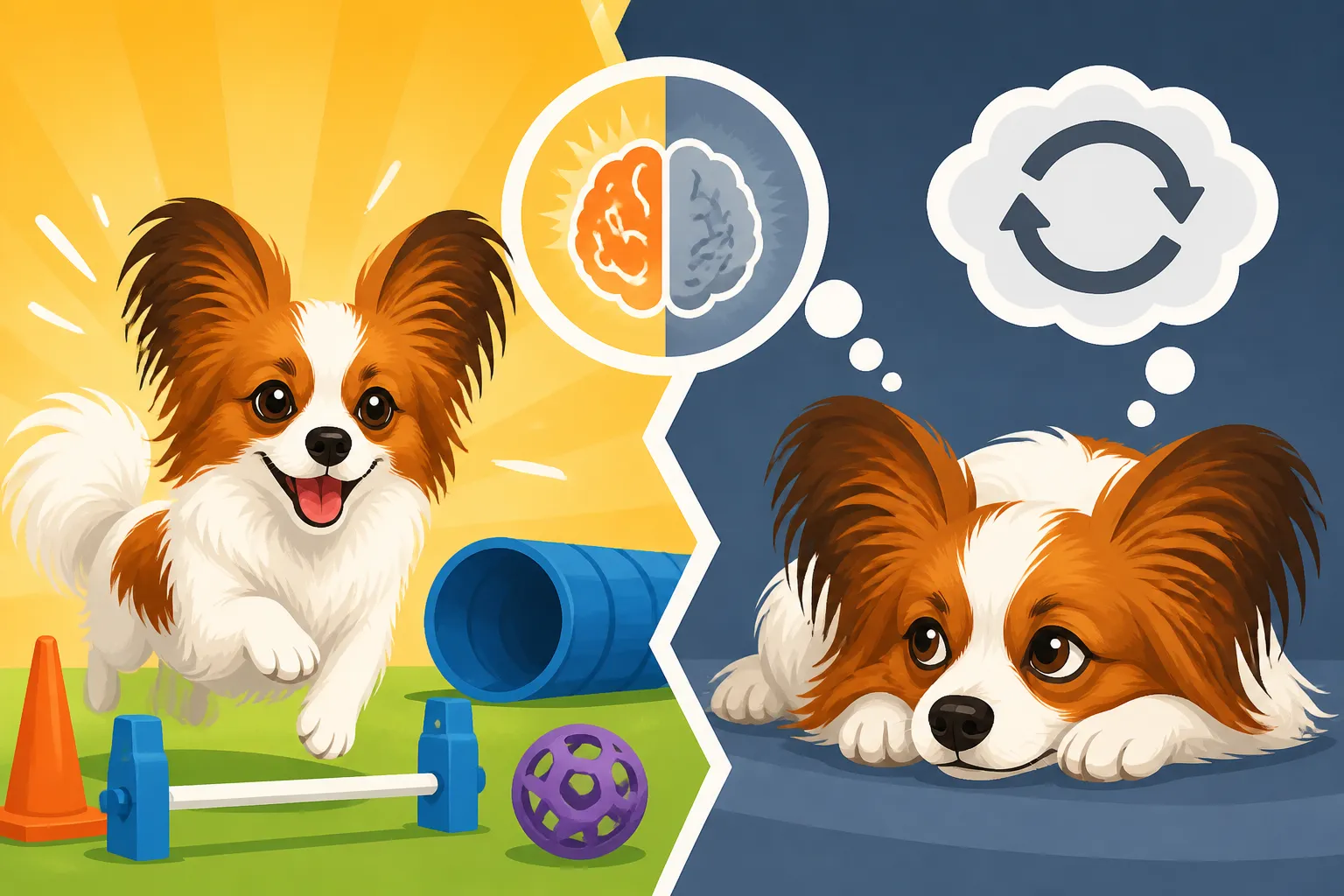
How Fast a Papillon Gets Bored of Repetition
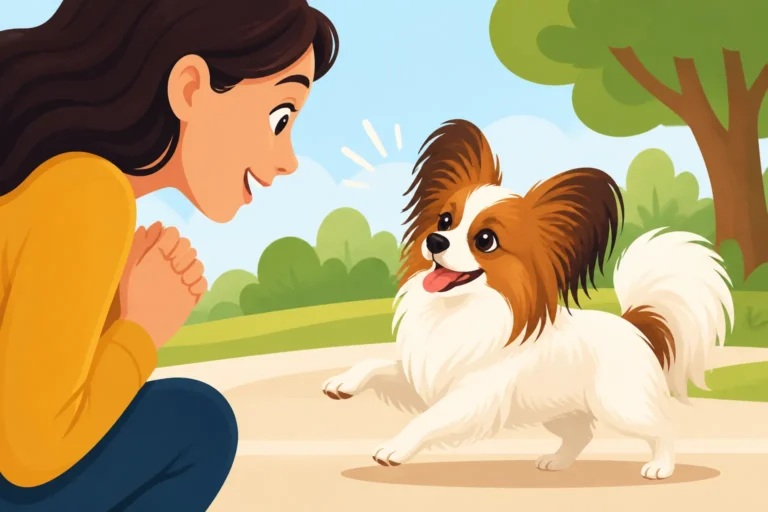
It's incredibly frustrating when you're trying to teach your Papillon something new, and instead of keen participation, you're met with a yawn, a wandering gaze, or even a cheeky attempt to bribe you with a toy instead of doing the task. While their intelligence is a huge part of their charm, it also means they can get bored of repetitive tasks faster than many other breeds. This guide is all about understanding why your little butterfly dog might be zoning out during training and, more importantly, how to keep those brilliant brains engaged and eager to learn.
Understanding the Papillon's Brilliant, Busy Brain
Papillons are often touted as one of the smartest dog breeds, particularly within the toy group. They're quick, agile, and possess an almost uncanny ability to figure things out. But this intelligence, while a huge asset in training, comes with its own set of challenges. It means their minds are constantly seeking stimulation, and they can easily grow tired of doing the same thing over and over again.
The Double-Edged Sword of Intelligence
You see, a Papillon’s brain isn’t just for looking cute and figuring out how to get an extra treat. These little dynamos were bred for companionship and to be alert, which means they are constantly observing, processing, and trying to understand their environment. This inherent cleverness makes them incredibly fast learners when something is new and exciting. They’ll pick up commands and tricks with astonishing speed, often needing only a handful of repetitions where other dogs might need dozens. This is why many owners are surprised at How Fast a Papillon Learns a New Cue.
However, once a concept is grasped, doing it ten more times exactly the same way can feel pointless to them. Imagine being an intelligent human who has mastered a task, and then being asked to do it repeatedly without any variation or new challenge. You’d probably get pretty bored too, right? That’s exactly how a Papillon often feels. Their sharp minds crave novelty and mental engagement, not rote memorization of something they already know. It’s a wonderful trait, but it demands a different approach to training than you might use with a less intellectually driven breed.
Why Repetition Becomes Drudgery
For many dog breeds, repetition is the cornerstone of solidifying a command. You say "sit," they sit, they get a treat. You repeat it, and they learn that "sit" reliably means putting their rear on the ground. With a Papillon, once they’ve made that connection a few times, the learning phase is largely over for that specific instance. Continuing to drill it immediately can actually diminish their enthusiasm. They might start to wonder, "Didn't I just do that? Why are we doing it again? Is there a trick I'm missing?"
Their focus shifts from "how do I do this?" to "why am I doing this again?" This isn't stubbornness, though it can certainly look like it! It’s often a sign that their brilliant brain is understimulated. They need new problems to solve, new tricks to master, and fresh challenges to keep their interest piqued. If they don't get that, they’ll find ways to entertain themselves, and those ways might not always align with your training goals. They are far too clever to be treated like robots; they need to feel like their contributions are valued and that the "game" is worth playing.
Recognizing the Signs of Boredom in Training
It's easy to misinterpret a Papillon's boredom as stubbornness, defiance, or even a lack of intelligence. But understanding their specific signals can turn a frustrating training session into an opportunity to switch tactics and re-engage their eager minds.
Subtle Cues and Overt Refusals
A Papillon that's bored will rarely give you a dramatic eye-roll, but they have their own ways of communicating. Often, it starts subtly. You might notice them looking away, sniffing the ground more, or taking longer to respond to a command they usually nail instantly. Their body language might become a bit looser, less attentive, and their tail might hang lower than its usual cheerful flag. They might start offering other behaviors – perhaps they’ll paw at your leg when you ask for a "down," or try to retrieve a toy when you’re working on "stay." This isn't always a protest; it's often their way of saying, "I know this, can we do something else now?"
If the boredom continues, these cues can become more overt. They might wander off entirely, refuse to make eye contact, or simply lie down and ignore you. Some Papillons, being the little comedians they are, might even start barking playfully at you, trying to initiate a different game. They're not trying to be naughty; they're trying to inject some fun into what they perceive as a monotonous task. It's a clear sign that they need a change of pace, a new challenge, or a different environment to keep their focus.
The Impact on Training Progress
When a Papillon gets bored, your training progress grinds to a halt, or worse, you might even see regression. Continuing to push a bored dog through repetitive drills can lead to what's known as "learned helplessness" or, conversely, a complete shutdown of their willingness to participate. They learn that training is boring, and that leads to disengagement, making future sessions even harder. It erodes their enthusiasm, which is one of their greatest assets in learning.
Instead of building a stronger bond and reinforcing good habits, you might inadvertently be teaching them to dislike training. This can manifest outside of formal sessions too, making them less responsive to commands in everyday life. A dog that associates training with tedium won't be as quick to listen when you need them to come or stay in a real-world situation. It also wastes your time and energy, as you’re not getting effective repetitions. You want every training interaction to be a positive and engaging experience for your Papillon, ensuring they remain eager students throughout their lives. You can often see this play out when they refuse to engage during a new lesson.
| Sign of Boredom | Engaging Solution |
|---|---|
| Yawning or lip licking | Take a short play break |
| Sniffing the ground | Change location or add new scents (treat hunt) |
| Looking away from you | Introduce a new, easy trick |
| Slow or delayed response | Increase reward value or switch reward type |
| Offering different behaviors | Reinforce desired behavior, then switch tasks |
| Walking away | End session on a positive note, try again later |
| Lowered tail/tense body | Re-evaluate session length and variety |
Strategies for Keeping Training Engaging
Preventing boredom in your Papillon is crucial for successful and enjoyable training. It means being creative, flexible, and always a step ahead of their quick minds. The good news is, there are plenty of ways to keep things fresh and exciting!
Short, Varied Sessions are Key
One of the most effective ways to combat boredom is to keep training sessions short and sweet. For a Papillon, a 5-10 minute session of focused work might be far more productive than trying to drag out a 20-minute session. Their attention spans, while intense, are not designed for long, monotonous drills. Think of it like a series of mini-lessons rather than one long lecture. How Short a Papillon's Training Session Should Be is a good question to ponder.
Even within those short sessions, aim for variety. Don't just work on "sit" for five minutes straight. Mix it up! Do a "sit," then a "down," then a "stay," then a recall, then back to a "sit." Introduce new elements, even if it's just practicing an old command in a new location, like the park or a different room in the house. Always try to end on a high note, with a command they know well and can perform perfectly, followed by a jackpot of treats and praise. This leaves them feeling successful and eager for the next session. Remember, you want to leave them wanting more, not sighing with relief that it's over.
Incorporating Novelty and Challenge
Since Papillons thrive on mental stimulation, continuously introducing novelty and increasing the challenge is vital. Once they've mastered a basic command, start adding layers of difficulty. Can they perform "sit" while you walk around them? Can they "stay" for longer periods or with distractions present? Can they do a "down" from a distance? These variations make old commands new again and engage their problem-solving skills.
Consider teaching them entirely new and exciting tricks. Papillons are renowned for their ability to learn How Many Tricks a Papillon Can Learn. From weaving through your legs to fetching specific toys by name, their capacity is vast. These aren't just parlor tricks; they build confidence, strengthen your bond, and provide immense mental enrichment. You can find inspiration for new tricks online, or even through dedicated online training platforms like BAXTER & Bella, which often offer diverse curricula that keep things fresh. They need to feel like they're constantly learning and advancing.
The Power of Positive Reinforcement and Play
Positive reinforcement is paramount with such a sensitive and intelligent breed. Harsh corrections or frustration from your end will quickly shut down a Papillon's willingness to engage. They respond best to enthusiasm, praise, and high-value rewards. Figure out Which Rewards a Papillon Works For – it might be tiny pieces of cooked chicken, cheese, or a favorite squeaky toy. What truly motivates them will be your secret weapon.
Intersperse short bursts of training with equally short bursts of play. A quick game of fetch, a tug session, or even just a silly chase in the living room can re-energize their minds and bodies. Play isn't just a reward; it’s a vital part of their mental well-being and a powerful tool for bonding. Many Papillons live for a good game, and incorporating it into training makes the entire experience more enjoyable. You can find a huge variety of engaging puzzle toys and interactive games on platforms like Amazon that can be integrated into play breaks or used for independent mental stimulation. Keep it light, keep it fun, and always celebrate their successes, no matter how small. This approach nurtures their innate desire to please and keeps them from seeing training as a chore.
Beyond Basic Obedience: Expanding the Papillon's Horizons
While basic obedience is essential for any well-behaved dog, a Papillon's intelligence really shines when given opportunities for more advanced mental and physical challenges. Overlooking these aspects can lead to a bored, mischievous dog, so let's explore how to truly fulfill their potential.
Agility and Other Dog Sports
If you have a Papillon, you might already know they're like tiny, feathered athletes. Their agility, speed, and keen minds make them phenomenal candidates for dog sports. Agility, in particular, is where many Papillons truly come alive. It's a fantastic outlet for their energy and intelligence, requiring them to navigate a complex course of jumps, tunnels, and weave poles in response to your cues. It's a partnership that demands focus, speed, and constant communication – exactly the kind of engagement a Papillon craves.
But agility isn't the only option! They also excel at Rally Obedience, which involves performing a sequence of obedience exercises at different stations, and even Scent Work, where they use their noses to find hidden odors. These activities provide varied challenges that prevent boredom and keep their problem-solving skills sharp. You don't have to aim for national championships to enjoy these sports; even beginner classes or backyard practice can provide immense satisfaction for both you and your dog. Starting a Papillon in Agility can be a great journey, but remember to start with age-appropriate exercises to protect their delicate joints.
Brain Games and Enrichment
Beyond structured sports, there are countless ways to provide daily mental enrichment and ward off boredom. What Mental Work a Papillon Needs often extends far beyond a simple walk. Puzzle toys are a fantastic investment for Papillons. These toys require your dog to manipulate parts, open compartments, or solve a small puzzle to get a treat reward. Brands available on Amazon offer a wide range of difficulty levels, ensuring there's always a new challenge. These can keep their minds busy for a good chunk of time, especially on days when weather limits outdoor activity.
Another great strategy is to incorporate "real-life" tasks into their day. Can they help you "find" your keys (when you've hidden them)? Can they carry a lightweight toy to a specific spot? Can they put their own toys away in a basket? These types of tasks tap into their natural desire to be involved and useful. Furthermore, regularly rotating their toys, taking them on walks to new places with novel scents, and even engaging in interactive games like "hide and seek" can provide the mental stimulation they need. Remember, a tired body is good, but a tired brain is often even better for a Papillon. A mentally stimulated Papillon is a happy, well-behaved Papillon, far less likely to be bored and resort to destructive behaviors or excessive barking.
Disclaimer
This article is for general informational purposes only and does not constitute professional advice. Laws, prices and regulations vary by location and change over time. Consult a qualified professional for guidance on your specific situation.