Whether Puppy Class Is Enough for a Papillon
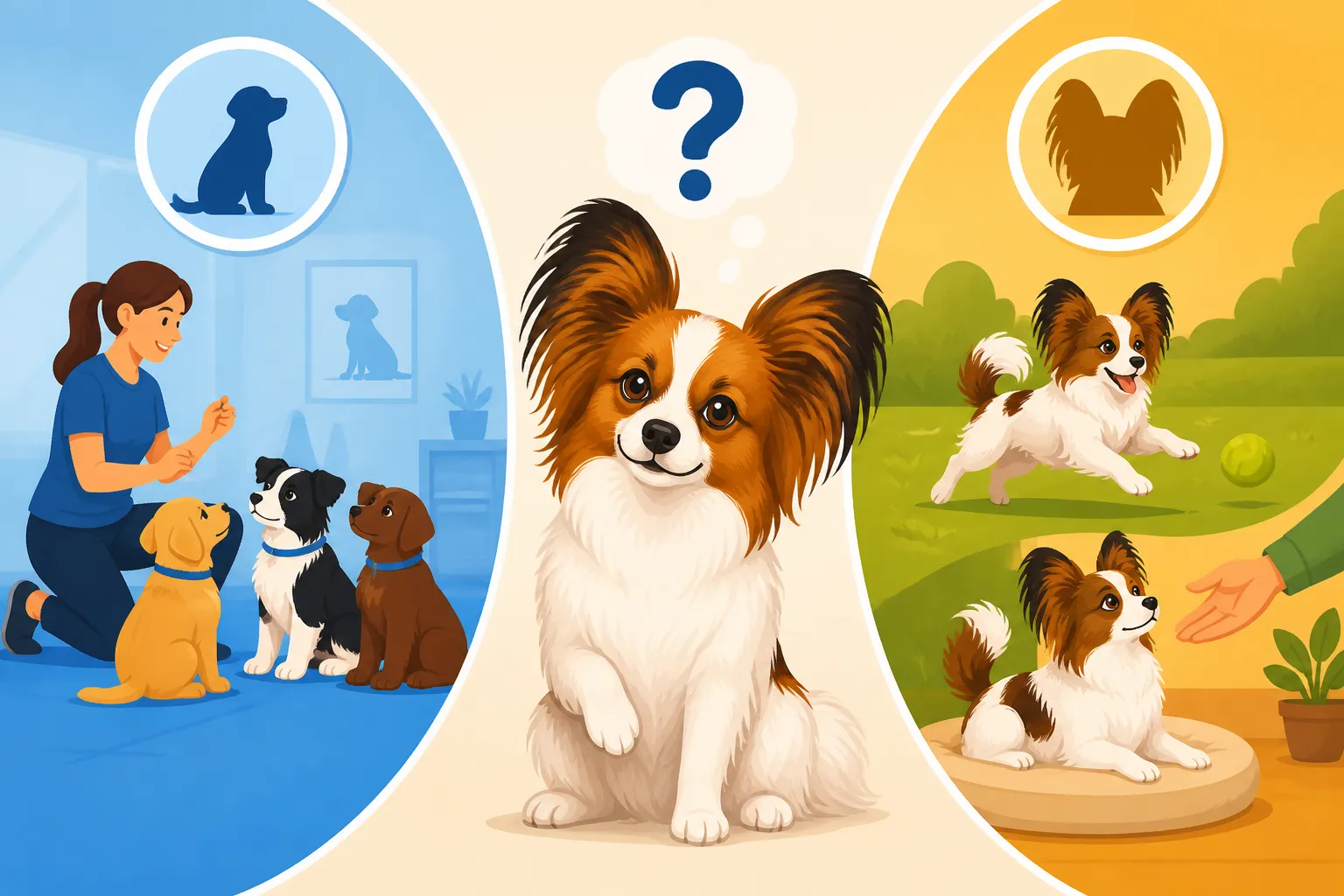
It’s a common scenario: you bring home that adorable Papillon puppy, enroll them in a local puppy class, and breathe a sigh of relief, thinking you’ve checked off the "training" box for good. While puppy class is an absolutely fantastic starting point for any Papillon, setting crucial foundations for their future, it's often just the beginning of a lifelong learning journey for these incredibly intelligent little dogs. This guide will explore what puppy class offers, where its limitations lie for a Papillon, and why continued engagement in training and mental stimulation is not just beneficial, but often essential for their well-being.
The Foundations a Puppy Class Provides for Your Papillon
Puppy class is truly a blessing for new Papillon owners, offering a structured environment that addresses several critical developmental needs during those formative weeks. It's not just about teaching "sit" and "stay," though those are certainly part of it!
Early Socialization with Other Puppies and People
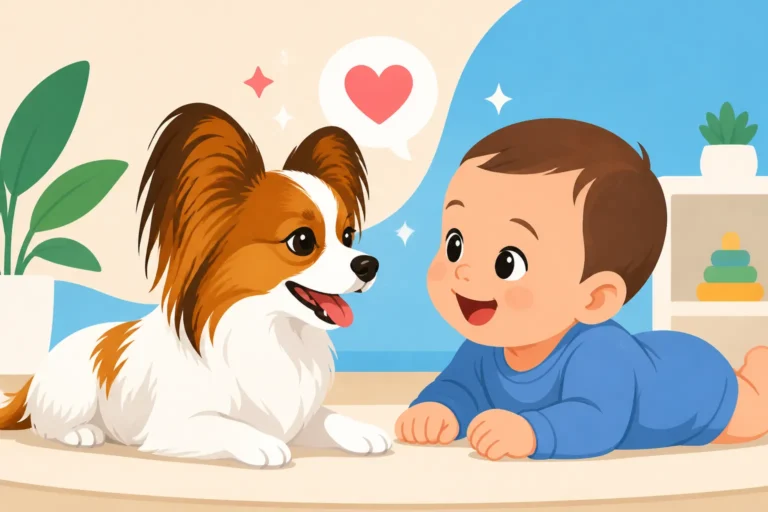
One of the greatest gifts a good puppy class gives your Papillon is controlled, positive socialization. Papillons are known for their lively, outgoing personalities, but like all small dogs, they can easily become overwhelmed or fearful if not properly introduced to the big wide world. In a class setting, your puppy gets to interact with other puppies of various breeds and sizes, learning appropriate play behaviors. This is vital for preventing fear-based aggression or excessive timidity later on. They also get exposed to different people – instructors, other owners, and sometimes even children, all handled in a safe, positive manner. This early positive exposure helps your Papillon grow into a confident, well-adjusted adult dog who isn't startled by every new face or unfamiliar canine. Without it, you might find your Papillon becoming overly protective or fearful, which can be a real challenge to manage in such a vocal breed.
Basic Obedience Cues and Leash Manners
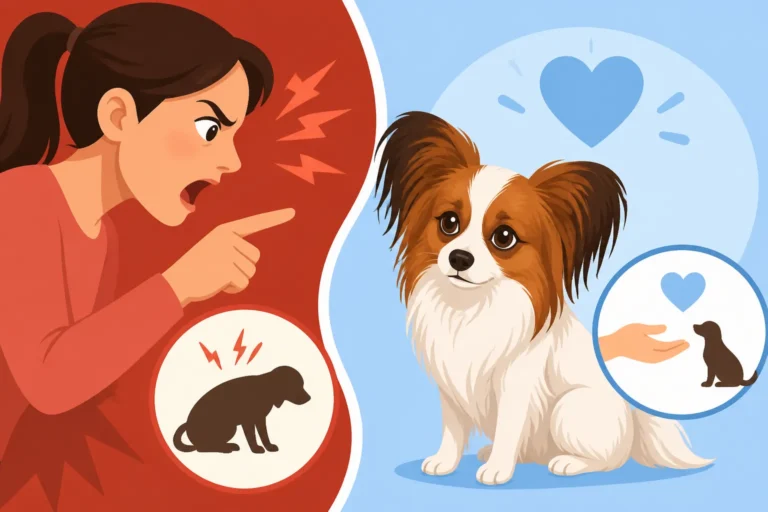
Of course, puppy class also covers the fundamentals of obedience. You'll learn how to teach your Papillon those essential cues like "sit," "down," "stay," and a reliable "come." These aren't just parlor tricks; they're critical for safety and communication. Imagine being able to call your Papillon back from a tempting squirrel chase, or having them politely sit instead of jumping on guests. You'll also likely work on leash manners, which can be a game-changer. Papillons are often enthusiastic walkers, but a small dog pulling on a leash can still be frustrating and even harmful to their delicate neck. Learning to walk nicely beside you, even for short durations, makes walks so much more enjoyable for both of you. The instructors often provide guidance on using positive reinforcement, which is perfect for a sensitive and smart breed like the Papillon, who responds beautifully to rewards and praise. If you're wondering when to get started, remember that When to Start Training a Papillon Puppy is usually as soon as they're cleared by your vet.
Exposure to New Environments and Stimuli
Beyond direct interaction, puppy class exposes your Papillon to a host of new sights, sounds, and smells in a non-threatening way. This might include different floor surfaces, loud noises, or even novel objects that aren't typically found in your home. For a little dog who often spends a lot of time indoors or in familiar surroundings, this kind of exposure is priceless. It builds their confidence and teaches them that new experiences aren't inherently scary. Think of it as building a mental resilience toolkit. The more positive new experiences your Papillon has as a young pup, the more adaptable and unflappable they'll be as an adult. This is especially helpful if you plan on traveling with your Papillon or involving them in dog sports, where new environments are a constant.
Why Puppy Class Alone Might Fall Short for a Papillon
While foundational, a typical puppy class often scratches only the surface of a Papillon's vast potential and unique needs. These aren't your average "couch potato" dogs, and their intelligence combined with their specific breed traits often requires more than a six-week course.
Papillons' High Intelligence and Need for Mental Stimulation
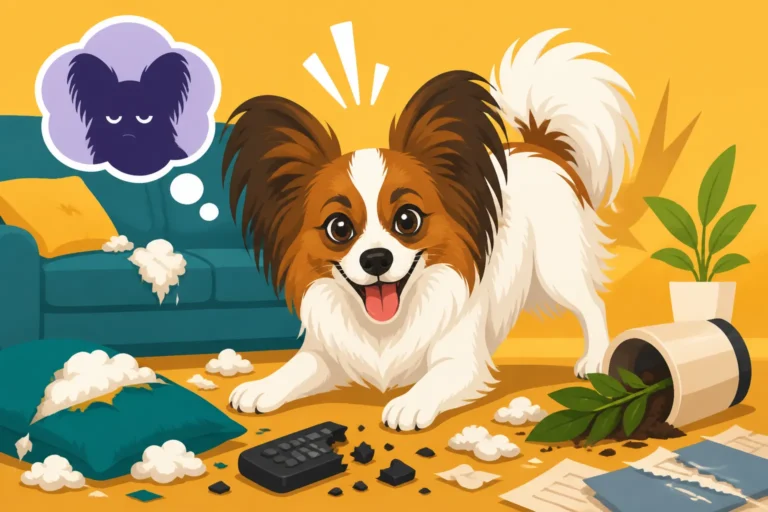
Papillons are consistently ranked among the most intelligent dog breeds, often showing up in the top ten for obedience intelligence. This means they learn incredibly quickly – sometimes too quickly for a basic puppy class curriculum. You might find your Papillon has mastered "sit" and "stay" in the first two sessions, leaving them bored for the rest of the course. A bored Papillon can quickly become a mischievous Papillon, inventing their own "games" that might not align with your household rules. Their minds are like sponges, constantly seeking new information and challenges. Puppy class typically offers a very limited range of exercises, and once those are conquered, your Papillon is still craving more. They are keen problem-solvers, and if you don't provide appropriate outlets, they'll find their own, which might involve barking at passersby, chewing inappropriate items you can find on Amazon, or even trying to herd your family members. If you're curious about how fast they pick things up, check out How Fast a Papillon Learns a New Cue.
Addressing Specific Papillon Behavior Tendencies
Every breed comes with its own set of charming quirks and potential challenges, and Papillons are no exception. While a general puppy class is great for universal dog behaviors, it rarely delves into breed-specific tendencies. For instance, Papillons can be quite vocal. They are excellent alert dogs and aren't shy about announcing visitors, squirrels, or even a leaf blowing across the yard. A generic puppy class might not offer specific strategies for managing excessive barking, which can become a real headache if not addressed early. Similarly, Papillons are known for their "big dog in a small body" attitude. They're confident, sometimes to a fault, and might not back down from a larger, more boisterous dog. Puppy class encourages positive interactions, but it doesn't teach your Papillon the nuances of navigating a world full of much larger canines or how to temper their own boldness. If your Papillon is a talker, you might want to read How Much a Papillon Barks.
The Need for Ongoing Skill Development and Proofing
Puppy class is a snapshot in time. The skills learned are often practiced in a controlled, low-distraction environment. Real life, however, is full of distractions. A Papillon that performs a perfect "stay" in a quiet classroom might suddenly forget everything when faced with a bustling park, a passing jogger, or the irresistible scent of something on the sidewalk. This is where ongoing training comes in. "Proofing" behaviors means practicing them in a variety of locations, with different distractions, and with various people giving the cues. This solidifies the learning and ensures your Papillon responds reliably no matter the circumstances. Puppy class simply doesn't provide enough time or varied environments for this crucial proofing stage. To truly integrate training into your Papillon's life, it needs to extend far beyond those initial weeks.
Beyond Puppy Class: Continuing Education is Key
For a Papillon, puppy class is truly just the opening act. These bright, energetic dogs thrive on continuous learning and engagement, and there's a whole world of activities out there that can keep their minds sharp and their bodies active.
Intermediate and Advanced Obedience Classes
Once your Papillon has aced puppy class, don't stop there! Intermediate and advanced obedience classes offer the next logical step. These courses delve deeper into precision, longer duration stays, off-leash reliability (in safe, controlled environments), and more complex command combinations. This is where you really start to hone your communication with your Papillon, transforming them into a truly well-mannered companion. For a dog as smart as a Papillon, these classes are incredibly rewarding, both for the dog and the owner. They love the challenge, and you'll love the results. Think about the pride of having your Papillon perform a perfect recall even when surrounded by tempting distractions, or gracefully heel through a crowded area. These skills are invaluable for a long, happy life together. A good online training resource, like the BAXTER & Bella online puppy school, can also supplement in-person classes, offering a wealth of tutorials and support to keep learning consistent at home.
Exploring Dog Sports: Agility, Rally, and More
This is where many Papillon owners find their true calling! Papillons are absolute superstars in dog sports, particularly agility. Their small size, speed, intelligence, and eagerness to please make them perfectly suited for zipping through tunnels, leaping over jumps, and weaving through poles. Starting a Papillon in Agility is a fantastic way to burn off their abundant energy and provide immense mental stimulation. But agility isn't the only option. Rally obedience, scent work, and even freestyle (dog dancing) are other avenues where a Papillon can truly shine. These activities tap into their natural abilities, strengthen your bond, and provide a healthy outlet for their boundless energy and intelligence. Plus, the social aspect of training with other dog enthusiasts is a bonus for both you and your Papillon. Many Papillons are naturally bold and brave, traits that serve them well in sports, as discussed in How Bold a Papillon Is.
Trick Training and Brain Games
You don't always need formal classes to continue your Papillon's education. Trick training is a wonderful way to engage their minds at home. Papillons are often incredibly quick to pick up new tricks, from simple "shake a paw" to more elaborate routines. This builds confidence, reinforces your bond, and provides a fun mental workout. Teaching a Papillon Tricks Faster Than You Think of Them is an understatement for many of these little geniuses! Beyond tricks, incorporate regular brain games and puzzle toys into their daily routine. These can be as simple as hiding treats around the house for them to find, using snuffle mats, or investing in interactive puzzle toys. Online retailers like Amazon offer a vast array of options to keep your Papillon entertained. Remember, What Mental Work a Papillon Needs is just as important as physical exercise for a Papillon. A mentally stimulated Papillon is a happy, well-behaved Papillon.
Tailoring Training to Your Papillon's Unique Needs
While general guidelines are helpful, every Papillon is an individual. What works for one might not be ideal for another, and true success in training comes from understanding and adapting to your own dog's personality and predispositions.
Recognizing Individual Personality Traits
Just like people, Papillons have distinct personalities. Some might be naturally more confident and outgoing, diving headfirst into new experiences. Others might be a bit more reserved or sensitive, needing a gentler approach and more gradual introductions to novel situations. A truly effective training plan recognizes these nuances. If you have a particularly sensitive Papillon, for example, high-energy or very boisterous class environments might be overwhelming, and a one-on-one session or a smaller, quieter class might be more beneficial. Pay close attention to your Papillon's body language and reactions. Are they excited, engaged, or are they showing signs of stress or disinterest? Adjust your training methods and environment accordingly. Understanding How Sensitive a Papillon Is can greatly inform your approach.
Addressing Behavioral Challenges as They Arise
No dog is perfect, and even the best-trained Papillons can develop specific behavioral challenges over time. This could be anything from separation anxiety (if they're left alone too long, as discussed in What a Papillon Does All Day) to leash reactivity, or even resource guarding. Puppy class certainly won't prepare you for all these possibilities, and that's okay. The key is to be proactive. If you notice a behavior emerging that concerns you, seek professional help from a certified dog trainer or behaviorist. Don't wait for it to become a deeply ingrained habit. Papillons are smart, and they learn quickly – both good habits and bad ones. Early intervention is always best. Sometimes, what seems like a "bad" behavior is simply a cry for more mental or physical stimulation, or a sign that they're not fully understanding what's expected of them.
Long-Term Commitment to Learning and Enrichment
Ultimately, whether puppy class is "enough" for a Papillon depends on your definition of "enough." If you simply want a dog that won't make a mess in the house, it might provide the basics. But if you want a truly well-adjusted, confident, and happily engaged companion who can participate in various activities and navigate the world with ease, then puppy class is merely the beginning of a beautiful, challenging, and incredibly rewarding journey. For a Papillon, a lifetime of learning and enrichment is the goal. This commitment involves not just formal classes but also consistent daily reinforcement, new experiences, puzzle toys, and plenty of quality time spent together. Remember that How Many Repetitions a Papillon Needs can vary, but consistency is always the most important factor. Invest in their minds, and your Papillon will reward you with unparalleled loyalty, joy, and a never-ending source of entertainment.
Here’s a quick overview of what puppy class typically provides versus what a Papillon often thrives on beyond that:
| Aspect of Training | What Puppy Class Typically Offers | What a Papillon Often Needs Beyond Puppy Class |
|---|---|---|
| Socialization | Controlled exposure to other puppies and people | Continued positive exposure to diverse environments, dogs, people, and stimuli for life |
| Basic Cues | Sit, stay, down, come, leash basics | Advanced obedience (long distance, duration, distractions), intricate trick training |
| Mental Stimulation | Some basic problem-solving, brief engagement | Consistent puzzle toys, brain games, dog sports, advanced training challenges |
| Behavior Management | General guidance on common puppy issues | Breed-specific strategies for barking, small dog confidence, handling reactivity |
| Proofing & Reliability | Practice in a single, low-distraction environment | Practice in diverse locations with varied distractions to build robust reliability |
| Owner Education | Introduction to positive reinforcement, puppy care | Deeper understanding of canine behavior, advanced handling skills, ongoing learning |
Disclaimer
This article is for general informational purposes only and does not constitute professional advice. Laws, prices and regulations vary by location and change over time. Consult a qualified professional for guidance on your specific situation.