Whether a Papillon Is Safe With Toddlers
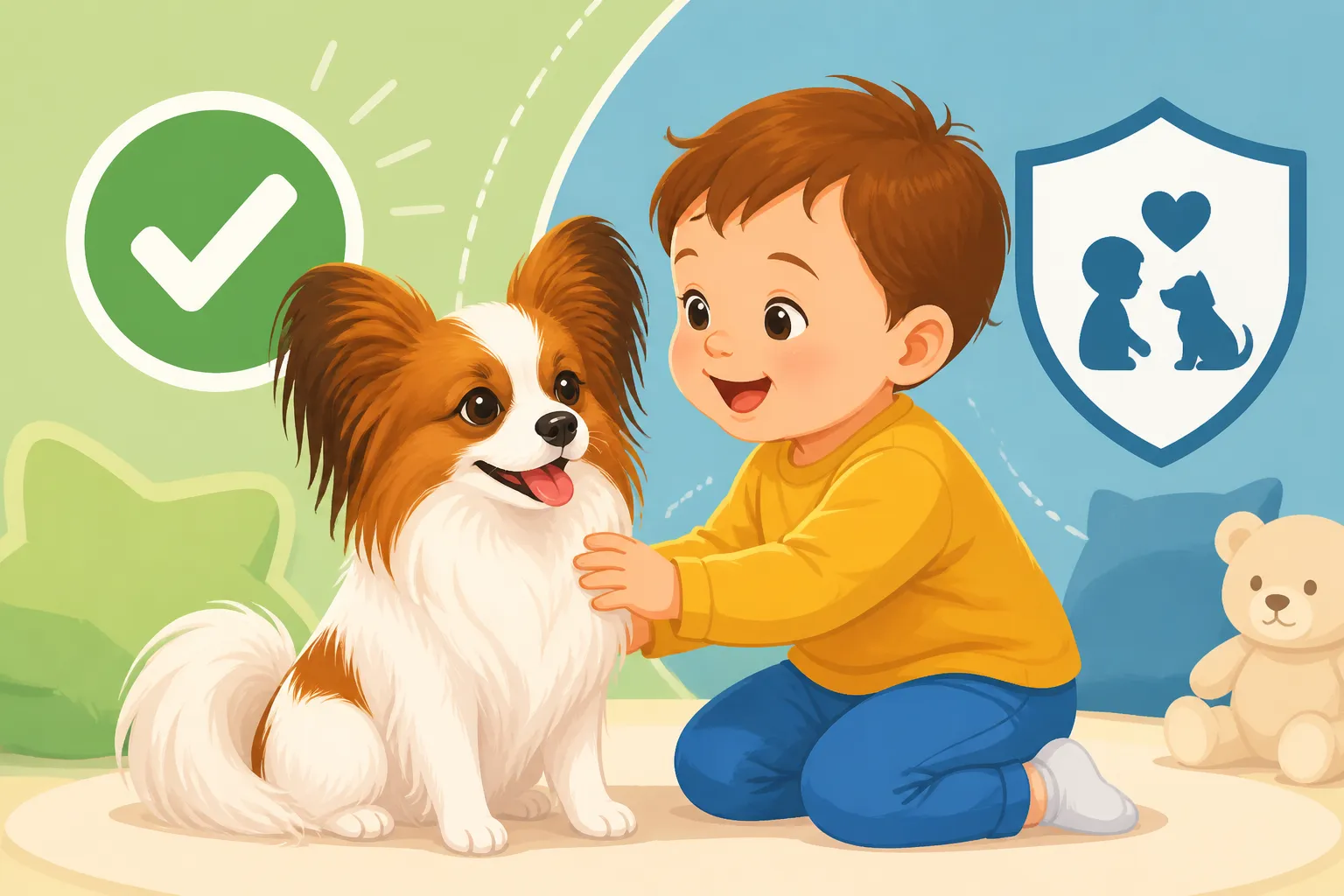
Bringing a Papillon into a home with toddlers can feel like trying to mix oil and water sometimes – both are bundles of unpredictable energy, and it's natural to worry about how these two delicate, yet often rambunctious, beings will coexist safely. You're not alone in wondering if your tiny, butterfly-eared friend will truly be safe with the boundless curiosity and less-than-gentle movements of a small child, or if your child might inadvertently hurt your beloved pet. This guide is here to walk you through the realities of Papillons and toddlers, offering practical advice to create a harmonious and safe environment for everyone in your family.
Understanding the Papillon Temperament
Papillons are often celebrated for their intelligence, agility, and vivacious personalities, which makes them truly wonderful companions for many households. However, when you introduce a tiny dog with a delicate build to the boisterous and often unpredictable energy of a toddler, it's essential to understand the inherent traits of the breed. Their disposition plays a huge role in how they might respond to the unique challenges a small human presents.
The Papillon's Small Stature and Delicate Build
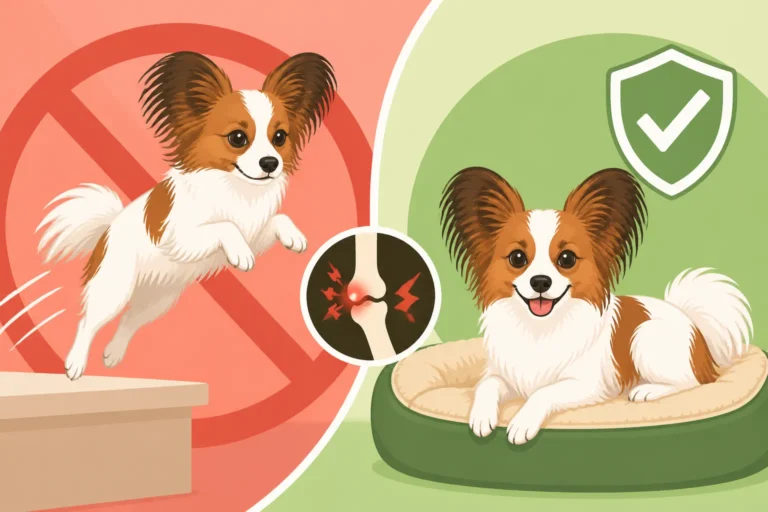
Let's be real, a Papillon is a small dog. We're talking about a breed that typically weighs between 5 to 10 pounds, and stands under a foot tall. This isn't a sturdy Labrador that can easily withstand an accidental tumble or a clumsy hug. Their bones are fine, their joints are delicate, and they are incredibly susceptible to injury from even seemingly innocuous interactions. A fall from a sofa, a misstep by a running toddler, or an accidental drop if picked up incorrectly can lead to serious injuries like broken bones, internal damage, or exacerbated issues like Patellar Luxation Is the Papillon Problem You Will Actually Meet.
It's not about being fragile in spirit; Papillons are known for their big dog attitudes in small packages. But physically, they just aren't built for rough-and-tumble play with humans who haven't yet mastered fine motor skills or an understanding of spatial awareness. This physical vulnerability is the primary concern when considering a Papillon in a toddler-filled home, and it’s a reality we, as responsible owners, must always prioritize.
Their Energetic and Intelligent Nature
Papillons are not just cute lap dogs; they are incredibly intelligent and energetic. In fact, many breed enthusiasts will tell you The Papillon Is the Smartest Toy Breed There Is. This means they need mental stimulation as much as physical exercise. A bored Papillon can become a mischievous Papillon, and while that usually manifests as chewing or exploring, in a home with toddlers, it could also mean seeking out attention in less-than-ideal ways or becoming overstimulated by the constant activity.
Their intelligence also means they pick up on routines and emotional cues very quickly. While this can be fantastic for training, it also means they are acutely aware of their environment and any sudden changes or overwhelming situations. If a toddler's presence consistently creates stress or fear, a Papillon's intelligent mind will quickly associate the child with negative experiences, which can lead to avoidance or, worse, defensive behaviors.
Papillon Sensitivity and Reactivity
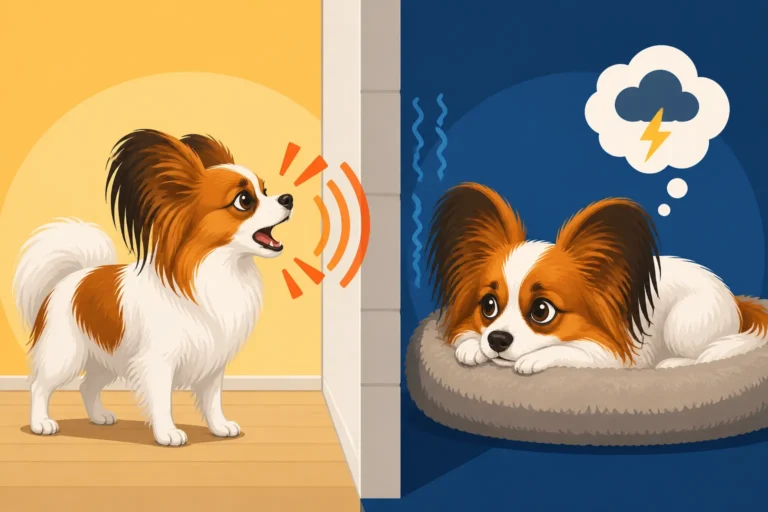
One trait that makes Papillons so charming to their adult owners is their sensitivity. They are often very attuned to their people, quick to offer comfort, and eager to please. However, this same sensitivity can make them reactive to sudden movements, loud noises, or unexpected touches. Toddlers, by their very nature, are masters of all three. They squeal with delight, drop toys with a clang, and make sudden, jerky movements without warning.
A Papillon might interpret a toddler's sudden lunge for a toy as a threat, or a loud cry as a sign of danger. Their initial reaction might be to startle and run, but if they feel cornered or repeatedly stressed, they could resort to barking, growling, or even snapping as a warning. It’s important to understand that this isn’t aggression in the malicious sense, but rather a tiny dog’s desperate attempt to communicate discomfort or fear when How Sensitive a Papillon Is is pushed too far.
The Unique Challenges Toddlers Present to Small Dogs
It's not that toddlers are inherently mean; far from it. Their stage of development simply means they operate without the same understanding of boundaries, personal space, or consequences that adults or even older children possess. This innocent lack of awareness, when combined with a small, delicate dog, creates a unique set of challenges that parents and pet owners must actively manage.
Unpredictable Toddler Behavior
Imagine living with a tiny human whose every move is a surprise. One moment, they're sweetly observing; the next, they've stumbled, fallen onto your tail, or are making a grab for your beautiful ear fringe. Toddlers are still developing their motor skills and impulse control, which means their interactions with a dog can be incredibly unpredictable. They might pull ears or tails out of curiosity, try to ride the dog like a pony, or grab a mouthful of fur.
These actions, though not usually intended to harm, can be incredibly painful and frightening for a small dog like a Papillon. A Papillon doesn't understand that a toddler is "just playing" or "doesn't know any better." They only know that something is hurting them or making them feel unsafe. This lack of predictable interaction is a significant stressor for a dog that thrives on routine and clear communication.
Loud Noises and High Energy Levels
A household with a toddler is rarely a quiet one. There are giggles, shrieks, stomping feet, toys clattering, and sometimes full-blown tantrums. For a small dog with keen hearing, this constant cacophony can be overwhelming. While some dogs might simply tune it out, many Papillons, due to their sensitive nature, can find the sustained high-volume and frenetic energy quite stressful.
This high energy isn't just about noise; it's also about movement. Toddlers run, jump, and weave, often oblivious to a tiny dog scurrying underfoot. The risk of being accidentally tripped over, stepped on, or even kicked is very real. This environment of constant, unpredictable stimulation and movement requires a level of tolerance from the dog that not every Papillon can or should be expected to exhibit.
The Risk of Accidental Injury to the Dog
This is perhaps the biggest concern, and it warrants repeating. A Papillon's small size, while endearing, makes them incredibly vulnerable to physical harm from a toddler. It's not malicious intent, but simply the reality of two different beings in close quarters. Consider the common scenarios:
- Being Picked Up and Dropped: Toddlers often want to "hug" or "carry" the dog, but their grip is unreliable, and they lack the coordination to do so safely. A fall from even a short height can be disastrous for a Papillon's delicate bone structure.
- Being Stepped On: A Papillon darting across the floor, perhaps excitedly following a dropped crumb or retreating from a toddler, can easily be trodden upon by accident, leading to crushing injuries.
- Rough Petting or Handling: A toddler's idea of petting can involve slapping, pulling fur, or poking eyes. Again, these aren't typically malicious acts, but they can be painful and provoke a defensive reaction from the dog.
- Sharing Food/Objects: While not directly an injury, a toddler might offer the dog inappropriate food or small toys that could be choking hazards.
These risks highlight why constant, vigilant supervision and proactive management are not just suggestions but absolute necessities for a Papillon and toddler living together. What Happens When a Papillon Is Dropped is a stark reminder of these dangers.
Mitigating Risks: Creating a Safe Environment for Both
It's not impossible for Papillons and toddlers to coexist, but it requires a proactive, consistent, and structured approach from the adults in the household. Your role is to be the ultimate protector and educator, ensuring that both your dog and your child learn how to interact safely, or, just as importantly, how to exist peacefully in separate spaces.
Early Socialization and Training for Your Papillon
A well-socialized and trained Papillon will be far better equipped to handle the stresses of a toddler. Starting early is key. Puppy classes, like those offered by BAXTER & Bella, can provide a structured environment for positive exposure to different sounds, sights, and gentle handling from various people, helping them build confidence. However, direct, unsupervised interaction with toddlers should not be part of this socialization process. Instead, focus on building a robust foundation of obedience and confidence.
Teach your Papillon a solid "place" or "go to mat" command. This gives them a safe, designated spot to retreat to when things get too hectic. Reward them heavily for calmly staying on their mat, especially when toddlers are active nearby. This isn't just about obedience; it's about giving your dog agency and a sense of security within their environment. When your Papillon understands that they have a predictable, peaceful retreat, they are less likely to feel overwhelmed or resort to defensive behaviors. Consider linking this to When to Start Training a Papillon Puppy for more details on early training.
Educating Toddlers on Gentle Interaction
This is perhaps the most challenging, yet crucial, aspect. Toddlers are still learning, and their capacity for understanding abstract concepts like "gentle" or "respect personal space" is limited. Therefore, all interactions between your Papillon and your toddler must be 100% supervised by a responsible adult. Never, ever leave them alone, even for a second.
Teach your toddler simple, concrete rules: "Gentle hands," "Pet the back, not the head," "No yelling," "Stand still when the dog is near." Use positive reinforcement when they interact appropriately. If the toddler gets too rough, immediately separate them. You might also want to introduce concepts from guides like How a Papillon Behaves With Children, which emphasizes the specific challenges and successes of these interactions. Modeling appropriate behavior yourself is also critical. Demonstrate gentle petting, speak in calm tones around the dog, and teach your child to respect the dog's boundaries.
Creating Safe Spaces for Your Papillon
One of the most effective strategies is to implement physical barriers and designated "dog-only" zones. Your Papillon needs places where they can completely escape the toddler's reach and unpredictable energy. This isn't just about prevention; it's about your dog's mental well-being.
- Crates and Playpens: A comfortable crate or a dog playpen (available on Amazon) can serve as your Papillon's sanctuary. Outfit it with a soft bed, favorite toys, and water. Teach your dog that this is their safe haven, a place where they will never be bothered. Crating a Papillon Overnight delves into how to make a crate a positive experience.
- Baby Gates: Strategically placed baby gates are invaluable. They allow you to easily separate your Papillon from the toddler, giving both their own space. This could mean a gate across a doorway to a quiet room, or simply sectioning off a part of a larger room where the dog can relax undisturbed.
- Elevated Beds/Furniture: Some Papillons feel more secure on an elevated dog bed or a piece of furniture they are allowed on (like a dog-friendly chair or sofa) that a toddler can't easily reach. This provides a visual and physical barrier, allowing the dog to observe without being directly in the fray.
The goal is to provide your Papillon with choices and control over their environment, especially when sharing space with a toddler. This minimizes stress and the potential for negative interactions.
Signs of Stress in a Papillon Around Toddlers
Understanding canine body language is paramount when a Papillon lives with a toddler. Dogs communicate their feelings constantly, and often, their initial warnings are subtle. As a Papillon owner, it’s your responsibility to be fluent in these signals, allowing you to intervene before a situation escalates. Ignoring these subtle signs is a common mistake that can have serious consequences.
Subtle and Overt Warning Signals
Papillons, like many dogs, will give a series of signals before resorting to more overt warnings. Learning to read these is your first line of defense:
- Subtle Signs of Discomfort/Stress: Look for lip licking (when there's no food around), yawning (when not tired), turning their head away, looking away from the toddler, freezing in place, tense body language, tucking their tail slightly, holding ears back, or repeatedly shaking off as if wet. They might also try to hide behind your legs or retreat to another room. These are all polite ways your Papillon is saying, "I'm uncomfortable, please give me space."
- Overt Warning Signals: If the subtle signals are ignored, a Papillon may escalate to growling (a low rumble, often with a stiff body), baring teeth, snapping (air biting, not making contact), or a quick nip (making contact but not necessarily breaking skin). These are unequivocal warnings that the dog feels threatened and needs space immediately. A Papillon's bark, particularly a sharp, repetitive bark, can also be a sign of alarm or agitation when near a toddler. This isn't just a "watchdog" bark; it's a "get away from me" bark.
Never punish a growl or a snap. While it might seem counterintuitive, punishing these warnings only teaches the dog not to warn you next time. Instead, they might go straight to a bite without any prior communication.
The Importance of Intervention and Management
The moment you observe any of these stress signals, whether subtle or overt, you must intervene. This means immediately separating the dog and the child. It’s not about blame; it’s about safety and protecting both parties.
- Physical Separation: Gently guide your Papillon to their safe space, or calmly move your toddler to another room. The goal is to diffuse the tension and give the dog a chance to decompress.
- Identify the Trigger: After the immediate separation, try to understand what triggered the stress. Was the toddler too close? Did they make a sudden noise? Were they reaching for the dog's toy? Understanding triggers helps you prevent future incidents.
- Reinforce Boundaries: Use these moments as opportunities to reinforce rules with your toddler about gentle interactions or to remind yourself about stricter supervision.
Consistent, calm intervention teaches your Papillon that you are their protector and that they don't have to fend for themselves. It also teaches your toddler that there are boundaries around the dog.
When to Seek Professional Help
If you find that your Papillon is consistently showing stress signals around your toddler, or if the overt warnings (growling, snapping) become frequent, it's a clear sign that you need professional help. This isn't a sign of failure on your part, but rather a responsible recognition that you need expert guidance.
A certified professional dog trainer or a veterinary behaviorist can assess the specific dynamics in your home, help you understand your dog's behavior, and develop a tailored plan to manage interactions. They can teach you advanced techniques for managing behavior, help you with more effective training for your Papillon, and provide strategies for child education. Attempting to "fix" behavioral issues involving children and dogs without professional guidance can be dangerous and is strongly discouraged. It’s an investment in the safety and well-being of your entire family.
Real-World Considerations and Realistic Expectations
Let's face it, living with both a Papillon and a toddler is a juggling act. It’s easy to read all the advice and feel overwhelmed by the sheer amount of vigilance required. It's crucial to be realistic about what you can manage and to prioritize safety above all else, even if it means adjusting your ideal vision of a harmonious household.
The Time Commitment Required
The truth is, having a Papillon and a toddler means a significant time commitment to supervision and management. You cannot simply introduce them and expect them to figure it out. Every single interaction needs to be observed, mediated, and guided. This is not just a few minutes here and there; it’s a constant, active role for all adults in the home.
Are you prepared to physically separate them every time you need to leave the room? Can you ensure that all visitors and family members understand and adhere to the strict supervision rules? Life with toddlers is already demanding, and adding the responsibility of safeguarding a delicate dog amplifies that demand considerably. It’s important to assess whether your lifestyle and energy levels can truly sustain this level of constant vigilance for many years.
Prioritizing Safety Over Idealism
We all have this lovely image in our heads of the dog and child growing up as best friends, cuddling together. While that can happen with older, more considerate children, it's rarely the reality with a rambunctious toddler and a small Papillon. Sometimes, prioritizing safety means letting go of that idealized image.
It might mean that the Papillon spends the majority of their time in a separate, quiet area behind a baby gate, or securely crated when the toddler is most active. It means accepting that direct, uninhibited interaction might not be safe or appropriate for a long time, if ever. This isn’t a failure; it's a testament to your responsibility as a pet owner and parent. The goal is coexistence and mutual respect, which often looks different than a picture-perfect scene. Sometimes, separation is the safest and kindest option for both dog and child.
Long-Term Management Strategies
The toddler phase, thankfully, doesn't last forever! As your child grows, their understanding, motor skills, and ability to follow instructions will improve. This doesn’t mean you can throw caution to the wind, but it does mean your management strategies can evolve.
- Ongoing Training: Continue to reinforce your Papillon's training, especially their "place" command and recall. As your child gets older, they can also participate in training under your guidance, which helps build a positive relationship.
- Child Education: Keep teaching your child about dog body language, empathy for animals, and appropriate interaction. They'll be more receptive as they mature. You might find resources like Why a Papillon Suits Older Children Better helpful for understanding this transition.
- Adapting to Change: Both your dog and your child will change over time. Be prepared to adapt your routines and rules as needed. A Papillon that initially struggled with a toddler might thrive with an older, more predictable child, but the groundwork for safety must remain. Remember A Papillon with Children and Larger Dogs covers various inter-species dynamics.
Alternatives and Best Practices for Papillon Families
If you're considering bringing a Papillon into your life and you have toddlers, or if you already have both and are struggling, there are various pathways and strategies to consider. Each family's situation is unique, and what works for one might not work for another. The key is honesty about your capacity and the needs of both your human and canine family members.
Older Children vs. Toddlers
Many Papillon owners find that their dogs thrive in homes with older, more considerate children. Once a child reaches school age, typically around 6-7 years old, they generally have a much better grasp of gentle interaction, understanding boundaries, and following rules. They can learn to read a dog's body language, participate in training, and understand the concept of a dog needing space.
This is a stark contrast to toddlers, who are simply not developmentally ready for that level of nuanced interaction. If you are deeply committed to having a Papillon, but also have very young children, consider if waiting until your children are older might be a more humane and less stressful option for everyone involved. Why a Papillon Suits Older Children Better explores these advantages in more detail, highlighting how their maturity can foster a truly wonderful bond.
Bringing a Papillon into an Existing Family with Toddlers
If a Papillon is joining a household where toddlers are already present, the integration process requires extreme diligence and a well-thought-out plan. It's not about letting them "work it out" – that's a recipe for disaster.
- Foundation First: Before the Papillon puppy (or adult rescue dog) even sets foot in the door, establish its safe zones. Have crates, playpens, and baby gates ready to go.
- Controlled Introductions: Introduce the Papillon to the toddler in highly controlled, short, positive sessions, always with an adult holding the dog securely or with the dog in a playpen. Focus on positive association – feed treats to the dog while the toddler is calmly present, or have the toddler drop treats for the dog (under supervision).
- Constant Supervision: Reiterate: never leave them unsupervised. This is not optional.
- Training and Management: Enroll in puppy classes or an online training program like BAXTER & Bella, focusing on confidence-building and creating a solid "place" command. Use high-value rewards to make being in their safe space more appealing than being in the toddler's immediate vicinity.
Considering a Papillon When Children Are Older
For many families, the ideal scenario is to bring a Papillon into the home once children are past the toddler and preschool stages. This significantly reduces the risks of accidental injury to the dog and stress for both the dog and the child. When children are older, they can:
- Understand and Respect Boundaries: They can learn that the dog's crate is a "no-go" zone and that the dog should not be disturbed when eating or sleeping.
- Learn Dog Body Language: Older children can be taught to recognize signs of stress in the dog and understand when to give the dog space.
- Participate in Care: They can help with feeding (under supervision), walking, and even simple training commands, fostering a deeper, more positive bond with the Papillon.
- Gentle Play: Play can be more structured and gentle, involving fetch or supervised games rather than unpredictable wrestling or chasing.
Ultimately, choosing to get a Papillon when your children are older can lead to a more peaceful, enjoyable, and safe experience for everyone, allowing the Papillon's wonderful personality to shine without the constant underlying stress of potential accidents.
Here’s a quick overview of some key considerations:
| Aspect | Toddler Presence (0-5 years) | Older Children Presence (6+ years) |
|---|---|---|
| Physical Safety | High risk of accidental injury (falls, steps, rough handling) | Low to moderate risk; children learn gentle interaction |
| Supervision Level | Absolute, constant, 100% required | High initially, then can be reduced with trust and training |
| Dog's Stress Level | Potentially high due to unpredictable noise and movement | Generally lower, more predictable environment for the dog |
| Child's Interaction | Unpredictable, grabby, lacking fine motor skills | Can be taught gentle petting, boundaries, and respect |
| Training Focus | Separation, safe spaces, retreat commands for the dog | Positive interaction, obedience, shared activities |
| Management Tools | Baby gates, crates, playpens are essential | May still use gates for quiet time, but less restrictive |
Disclaimer
This article is for general informational purposes only and does not constitute professional advice. Laws, prices and regulations vary by location and change over time. Consult a qualified professional for guidance on your specific situation.