A Papillon With Children and Larger Dogs
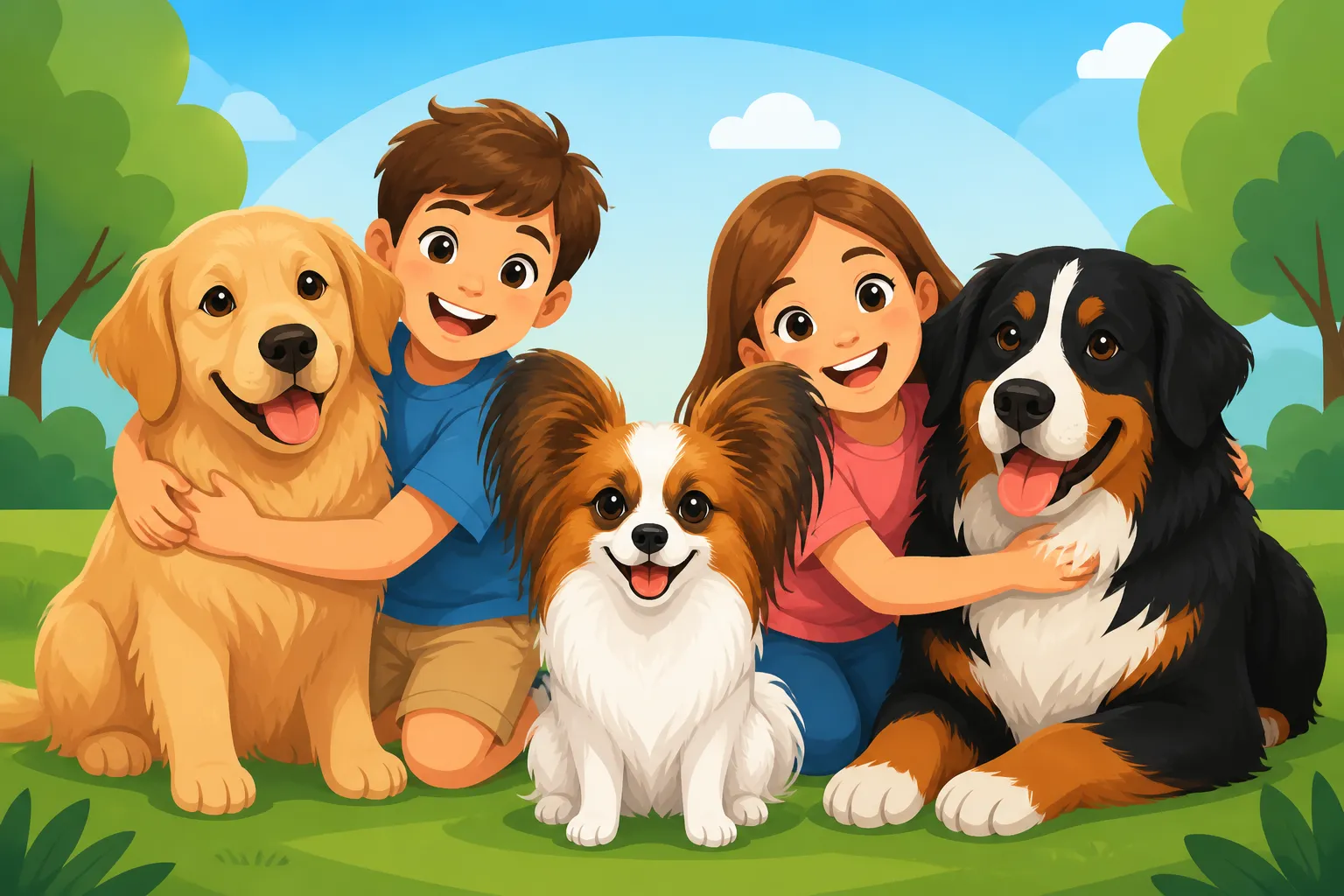
One of the biggest concerns new Papillon owners have, especially if they have a bustling household, is how their tiny butterfly-eared companion will navigate life with children and larger dogs. It’s a very real worry – these small dogs are delicate, but they often don't think they're small, which can lead to tricky situations. This guide aims to walk you through the nuances of fostering a safe, happy, and harmonious environment for your Papillon, whether they're sharing space with a rambunctious toddler or a gentle giant of a dog.
Understanding the Papillon Temperament with Children and Other Dogs
It's easy to assume that because a Papillon is small, it's automatically fragile and timid. While they certainly are delicate physically, their personality often tells a very different story. They are known for their intelligence, vivacity, and surprisingly bold nature. Understanding this core temperament is the first step in ensuring good interactions with both children and larger dogs.
The "Big Dog" Mentality and its Implications
Many Papillon owners will tell you their little dog genuinely believes it's a Doberman in a tiny, fluffy package. They don't seem to get the memo about their size! This "big dog" mentality is both a blessing and a curse. On one hand, it means they're usually confident, brave, and eager to participate in activities that might intimidate other toy breeds. They're often game for anything, whether it's a walk in a busy park or learning complex agility courses. This inherent How Bold a Papillon Is can make them wonderful, spirited companions.
However, this confidence can sometimes lead them into trouble, especially when interacting with larger dogs who might not appreciate a small dog's audacious approach. A Papillon might not back down from a dog ten times its size, which can quickly become dangerous if the larger dog isn't well-socialized or if play escalates too quickly. It’s crucial for owners to manage these interactions, understanding that their Papillon's courage needs a wise human guiding it. You might even find yourself wondering Whether a Papillon Picks Fights – and the answer is, sometimes they absolutely will, thinking they're indestructible.
This perceived fearlessness can also extend to how they view children. A Papillon isn't inherently scared of kids just because they're bigger. In fact, their curious and playful nature can make them eager to engage. The problem often lies not in the Papillon's fear, but in the children's lack of understanding of the dog's fragility or subtle communication signals. A Papillon might not run away from a child, but if handled roughly, it can easily get hurt or develop defensive behaviors.
Papillon Sensitivity and Potential for Overwhelm
Despite their brave facade, Papillons are still highly sensitive dogs. They are attuned to their environment and can be easily startled by sudden loud noises, quick movements, or unfamiliar situations. This sensitivity means that while they might not shy away from a challenge, they can still become stressed or overwhelmed if not given proper space and respect. Imagine being constantly approached by giants who don't understand your language – that's often what it feels like for a small dog in a bustling home.
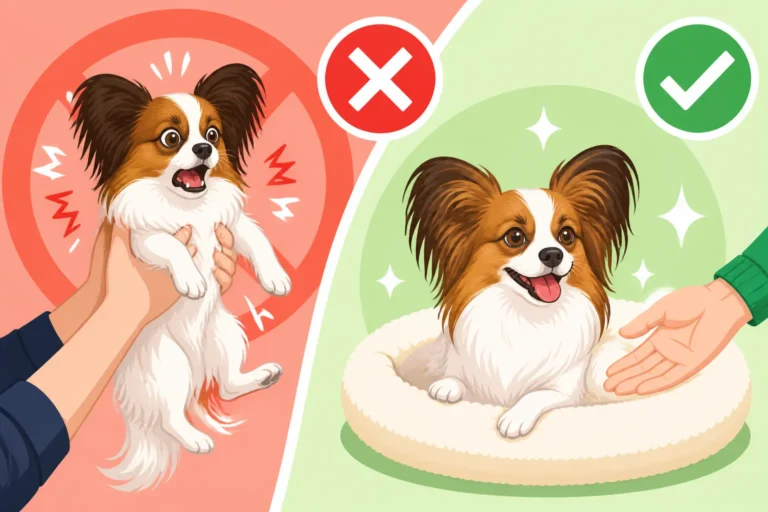
This sensitivity is particularly important when considering interactions with children. A child's natural exuberance – their loud laughs, sudden dashes, and uncoordinated movements – can be frightening or overwhelming for a Papillon. A dog that feels cornered, even unintentionally, might resort to snapping or growling out of fear, not aggression. It’s a survival mechanism, not a sign of a "mean" dog. This is especially true if you are looking at Whether a Papillon Is Safe With Toddlers, where the risk of accidental injury or fright is much higher.
Similarly, with larger dogs, a Papillon can quickly feel vulnerable if a larger dog's play style is too boisterous. Even if the big dog means no harm, a casual paw swat or a head bump that would be minor for another large dog could seriously injure a Papillon. Their fine bones and delicate structure require a gentle touch, and while they might initiate play, they can easily reach a point of overstimulation where they become defensive or simply overwhelmed by the sheer physical difference.
The Importance of Early, Positive Socialization
If you want your Papillon to be well-adjusted and comfortable around children and larger dogs, early and positive socialization is absolutely non-negotiable. This isn't just about exposure; it's about creating positive associations with these experiences. Simply seeing a child or a big dog from afar isn't enough. They need carefully managed, controlled interactions where they feel safe and rewarded.
Starting early, even during puppyhood, is key. Enroll in puppy classes where they can meet other puppies of various sizes in a structured environment. Expose them to children of different ages, always under strict supervision, ensuring that interactions are gentle and brief. Reward calm behavior with treats and praise. Platforms like BAXTER & Bella offer excellent online resources that can guide you through structured socialization activities, even if you can't get to in-person classes regularly. This kind of program emphasizes positive reinforcement and gradual exposure, which is ideal for a sensitive breed like the Papillon.
Without this foundation, a Papillon can easily become fearful or reactive. A lack of positive exposure can lead to a dog that barks incessantly at children, growls at every large dog it sees, or tries to hide whenever a new person enters the room. Remember, socialization is not a one-time event; it's an ongoing process throughout your dog's life, adapting to new situations and reinforcing good habits. Think of it as building a robust emotional toolkit for your Papillon, so they can handle the unexpected without fear.
Creating a Safe and Harmonious Home Environment with Children
Bringing a Papillon into a home with children, or bringing children into a home with a Papillon, requires careful planning and consistent effort. The goal is to create a peaceful coexistence where both the dog and the children feel safe, respected, and happy. This means setting clear boundaries, teaching respectful interaction, and always, always supervising.
Establishing Rules for Children's Interactions
Children, especially younger ones, need explicit rules on how to interact with the family dog. They simply don't have the natural understanding of a small dog's body language or fragility. Start with the basics:
- Gentle Hands Only: Teach children to pet softly on the back or chest, avoiding the head, ears, and tail, which can be sensitive. No pulling, grabbing, or poking.
- No Chasing or Teasing: Explain that the dog needs its space and is not a toy. Chasing can frighten a Papillon and make it defensive.
- Respect the Dog's Space: The Papillon should have a designated "safe zone" (like a crate or bed) where children are not allowed to disturb it.
- Ask Before Approaching: Encourage children to always ask an adult if they can pet the dog, especially if the dog is resting or eating.
These rules should be reinforced constantly, not just once. Use positive reinforcement for children when they follow the rules, just as you would for your dog. Role-play interactions so children understand what "gentle" truly means. The goal is to create a culture of respect for the dog within the household. It's not enough to tell them; you have to show them, repeatedly. This foundation is critical for How a Papillon Behaves With Children in the long run.
Supervision is Non-Negotiable
No matter how well-behaved your children or your Papillon, supervision is the golden rule. Never, ever leave a small dog unsupervised with young children. Accidents happen in a split second. A child could trip and fall on the dog, or inadvertently squeeze it too hard. A Papillon, feeling pain or fear, might nip, which then teaches the child that dogs are mean, and the dog that children are scary. It’s a lose-lose situation.
Active supervision means you are present, paying attention, and ready to intervene immediately. This isn't just about preventing bites or injuries; it's about teaching both parties appropriate behavior. When you see a child interacting well, praise them. When you see a child being too rough, gently correct them and redirect. If your Papillon shows signs of stress (lip-licking, yawning, turning away, growling), intervene and create space. It’s a constant teaching moment. Consider using a baby gate to create a physical barrier when you can't offer 100% focused supervision, allowing the dog to still be in the same room but safely separated. You can find many reliable and sturdy gates on Amazon that can help with this.
Even with older children, supervision is still important, though perhaps less intensive. Teenagers might understand the rules but can still be careless or forgetful. It's about instilling a lifelong habit of respectful interaction and ensuring the Papillon always feels secure and safe in its home environment. This constant oversight protects everyone involved and fosters trust.
Providing Your Papillon with a Personal Sanctuary
Every Papillon, especially one living with children, needs a designated safe space where they can retreat and be undisturbed. This is their sanctuary, their "off-limits" zone. A crate, an open soft-sided carrier, or a dog bed in a quiet corner can serve this purpose. The key is that children are taught that when the dog is in its space, it is to be left alone.
This sanctuary isn't a punishment; it's a haven. It allows your Papillon to decompress, nap, or simply observe the household chaos from a safe distance. This can significantly reduce stress and the likelihood of reactive behaviors. Make this space comfortable and inviting with soft bedding and maybe a favorite chew toy. Introduce it positively, making it a place associated with good things. This might be a place where they get a special treat or a quiet chew.
Having this safe retreat also empowers your Papillon. They learn that they have control over their environment to some extent – they can choose to engage or to rest. This sense of agency contributes to a more confident and less anxious dog. It also teaches children respect for boundaries, a valuable lesson beyond just dog interaction. It reinforces the idea that the dog is a living being with feelings and needs, not just a plaything.
Fostering Positive Interactions with Larger Dogs
Integrating a Papillon into a multi-dog household with larger breeds, or arranging playdates with big dogs, requires just as much thought and management as interactions with children. The size disparity is significant, and while many large dogs are gentle giants, inherent differences in play style and strength can lead to accidental injury.
Careful Introductions and Monitoring Body Language
When introducing your Papillon to a new, larger dog, take it slow and be strategic. A chaotic, high-energy introduction is a recipe for disaster. Start with parallel walks on neutral territory, allowing them to sniff the same scents without direct interaction. Keep both dogs on leashes. Gradually move to supervised, brief off-leash interactions in a controlled, safe space like a securely fenced yard, or a quiet, empty dog park during off-peak hours.
Crucially, you must become an expert in reading both dogs' body language. Look for signs of stress or discomfort in your Papillon: lip-licking, yawning, tail tucked, ears back, turning away, or stiffening. For the larger dog, watch for signs of overexcitement, intense staring, stiffness, or predatory behavior. Positive signs include loose, wagging tails, relaxed bodies, play bows, and taking turns in chasing games. If either dog shows signs of stress or fear, immediately and calmly separate them. This isn't just about avoiding a fight; it's about preventing a negative association.
Remember, a "good dog" isn't just one that doesn't bite; it's one that shows appropriate social skills and respects boundaries. Sometimes, a large dog might be too playful for a small Papillon, even if their intentions are good. A large dog's excited charge or playful pounce could send a Papillon tumbling or cause injury. Your role is to advocate for your small dog and ensure their safety. How a Papillon Behaves With Large Dogs is often a testament to how well they've been introduced and managed.
Choosing Appropriate Playmates and Play Settings
Not all large dogs are suitable playmates for a Papillon, regardless of how friendly they might seem. The best large dog companions are those who are calm, have excellent bite inhibition, and a gentle play style. Older, more sedate large dogs can often be wonderful, as they tend to be less boisterous. Avoid large dogs who are known for rough play, who have a very high prey drive, or who don't respond well to corrections from their owners.
When choosing a play setting, prioritize safety and control. A large, securely fenced area where you can easily intervene is ideal. Avoid dog parks during busy times, as the sheer number of dogs and unpredictable interactions can be overwhelming and dangerous for a small Papillon. If you must go to a dog park, seek out a separate "small dog" area, but even then, remain vigilant.
Consider using management tools. If your large dog is prone to zooming around, a long line (like a 30-foot leash) can give them freedom to explore while still allowing you to gently guide or slow them down if they get too close to your Papillon too quickly. This helps prevent accidents before they happen. Always have high-value treats on hand to reward calm interactions and to distract if needed.
Addressing the Instinct to "Square Up" to Bigger Dogs
One of the most surprising behaviors a Papillon might exhibit is their tendency to "square up" to much larger dogs. This isn't necessarily aggression; it's often a combination of their innate boldness, a lack of understanding of consequences, and sometimes a bit of defensive posturing. They might puff themselves up, bark confidently, and even try to chase away a much larger dog. While admirable in spirit, it's incredibly risky.
This behavior often stems from a lack of true confidence or insecurity, or simply being over-stimulated. They might be trying to "look big" to deter a perceived threat, or they might genuinely believe they can hold their own. As their owner, it's your job to prevent these situations. Don't encourage this behavior by laughing or thinking it's cute; it's a dangerous habit. Instead, teach a strong "leave it" command and redirect their attention with a treat or toy when a large dog approaches.
If your Papillon consistently tries to challenge larger dogs, it's a clear signal that they feel insecure or overwhelmed. This isn't something that will simply go away. It requires consistent management and further socialization efforts, perhaps with a professional trainer who can help you build your Papillon's confidence in a safer, more structured way. Addressing this early can prevent serious accidents and help your Papillon understand appropriate social cues.
Training and Management Strategies for Peaceful Coexistence
Having a Papillon that gets along well with children and larger dogs isn't just about luck; it's about consistent training and smart management. These tiny dynamos are incredibly intelligent, which means they are highly trainable. Leveraging their brains to teach them good manners and safety cues is paramount.
Foundation Obedience: The Cornerstone of Control
Solid foundation obedience is not just for big dogs; it's absolutely crucial for small breeds like the Papillon, especially when their safety depends on your ability to control them. A reliable "sit," "stay," and "down" can prevent them from darting into a dangerous situation with a child or another dog. A rock-solid recall, meaning they come back to you every single time, is arguably the most important command for a Papillon. Their speed and curiosity can put them in harm's way quickly.
Start training these commands early, using positive reinforcement with high-value treats and praise. Papillons thrive on learning and enjoy engaging with their owners in training sessions. Keep sessions short, fun, and frequent to maintain their attention. How Short a Papillon's Training Session Should Be is usually just a few minutes, repeated several times a day. Their keen intellect means they can master these quickly, but consistency is key for reliability.
Consider enrolling in a local obedience class or using an online program like BAXTER & Bella. These platforms provide structured lessons that can guide you through teaching these essential commands, often with video demonstrations and personalized support. The investment in solid obedience training pays dividends in peace of mind and the safety of your Papillon in various social settings.
Teaching a Reliable Recall and "Leave It"
As mentioned, a reliable recall is a lifesaver. Practice it in low-distraction environments first, then gradually increase the distractions. Use a long line in open areas to ensure safety while they practice coming back to you. Make coming back to you the most rewarding thing ever – a party with treats, praise, and enthusiastic cuddles. Never use your recall command for something unpleasant, like ending a fun play session or going to the vet for a shot, as this can poison the cue.
The "leave it" command is equally vital, especially around children and larger dogs. It teaches your Papillon to disengage from something potentially dangerous or inappropriate. This could mean leaving a dropped toy a child is about to pick up, or not engaging with a large dog who is giving off tense body language. Practice "leave it" with tempting items, gradually increasing the difficulty. Again, consistency and high-value rewards are essential.
These two commands give you the ability to manage your Papillon's behavior proactively, preventing many tricky situations before they escalate. They empower you to protect your small dog from accidental harm, whether from a child's clumsy reach or a larger dog's overly enthusiastic play.
Utilizing Management Tools for Everyday Safety
Sometimes, even with the best training, management tools are necessary for the safety and well-being of your Papillon. These tools create physical barriers or control situations to prevent accidents.
- Baby Gates: As discussed, gates are invaluable for creating physical separation between your Papillon and children, or between your Papillon and larger dogs, when direct supervision isn't possible or when quiet time is needed.
- Crates: A crate is a fantastic safe den for your Papillon, providing a secure space for rest and retreat. It's also essential for house training and safe travel. Many comfortable and appropriately sized crates are available on Amazon.
- Harnesses and Leashes: Always use a harness, not just a collar, when walking your Papillon. Their delicate throats and tracheas are vulnerable to pressure from a collar, especially if they pull. A well-fitting harness distributes pressure across their chest and back.
- Long Lines: For practicing recall in open, safe areas, a long line (a lightweight leash that can be 15-50 feet long) allows your Papillon to explore while still keeping them connected to you for safety and control.
These tools are not meant to replace training but to complement it, providing an extra layer of security. They allow you to safely integrate your Papillon into various household dynamics, ensuring they can enjoy life without constant risk. Using them consistently helps prevent negative experiences and fosters a sense of security for your dog. Whether a Papillon Should Wear a Harness Instead of a Collar is a common question, and for their safety, the answer is almost always yes.
Recognizing and Responding to Stress Signals in Your Papillon
Papillons, like all dogs, communicate their feelings through body language. Because they are so small and can easily be overlooked, it's vital for owners to become adept at recognizing subtle stress signals. Ignoring these cues can lead to escalation, where a dog feels it has no other option but to resort to growling or snapping.
Subtle Cues of Discomfort or Fear
Before a dog growls or snaps, they will almost always give off a series of more subtle signals indicating discomfort, fear, or stress. Learning to read these signals in your Papillon is critical for preventing problems, especially with children and larger dogs who might not pick up on them.
Look for:
- Lip-licking: Often a quick flick of the tongue over the nose when no food is present.
- Yawning: A stress yawn is slow and deliberate, not typically associated with being tired.
- Turning Head/Body Away: A clear attempt to disengage or create distance.
- Stiffening Body: A tense posture, often accompanied by a rigid tail.
- Whale Eye: The whites of their eyes are visible, indicating stress.
- Ears Back/Flat: Signs of fear or appeasement.
- Tail Tucked: A classic sign of fear or insecurity.
- Panting: When not hot or exercising, can indicate stress.
- Refusing Treats: A highly stressed dog will often ignore even their favorite treats.
- "Freezing": Becoming completely still, hoping to be unnoticed.
These are just a few examples. Your Papillon might show one or a combination of these signs. The key is to observe their entire body language in context. If you see these signals, it's their way of saying, "I'm uncomfortable, please make this stop," long before they resort to anything more drastic. This is part of understanding How a Papillon Hides Pain or discomfort – they're subtle.
When to Intervene and Create Space
As soon as you notice any of these subtle stress signals, your immediate response should be to intervene and create space for your Papillon. This means removing them from the situation calmly and without making a fuss, or removing the stressor (the child or larger dog) from their vicinity. Do not scold your Papillon for showing these signals; they are communicating as best they can.
Intervention might involve:
- Gently calling your Papillon away with a positive cue and rewarding them.
- Physically picking them up (carefully and always supporting their body) and moving them to their safe space.
- Directing the child or larger dog to move away from your Papillon.
- Using a baby gate to create a barrier.
The goal is to prevent the situation from escalating. By consistently responding to these early signals, you teach your Papillon that you are their protector and advocate. This builds trust and reduces their need to resort to more extreme behaviors like growling or biting. It also reinforces that they don't have to tolerate uncomfortable interactions.
Preventing Escalation: Nipping, Snapping, or Growling
Nipping, snapping, or growling are typically a dog's last resort when their earlier, more subtle communications have been ignored. For a small dog like a Papillon, a bite, even a warning nip, can still be painful and damaging to trust, and if directed at a child, can have serious consequences. If your Papillon is growling or snapping, it means their boundaries have been pushed too far, or they feel genuinely threatened.
If you observe these behaviors:
- Stop the interaction immediately: Separate the Papillon from the source of stress.
- Assess the situation: What triggered the behavior? Was the Papillon cornered? Was a child handling them roughly? Was a large dog being too boisterous?
- Manage the environment: Use gates, leashes, or separate rooms to prevent similar incidents.
- Seek professional help: If your Papillon is regularly growling or snapping, it's a strong indicator that you need the guidance of a certified professional dog trainer or veterinary behaviorist. This is not a behavior to try and "fix" on your own, especially when children or other dogs are involved. They can help identify the root cause of the behavior and develop a safe, effective modification plan.
Remember, a growl is a warning, a valuable piece of information. Punishing a growl teaches your dog not to warn, which can lead to a bite out of the blue with no prior signal. Instead, thank your dog for communicating, and then remove them from the stressful situation. The ultimate goal is to understand and prevent the need for these escalated behaviors in the first place.
Long-Term Strategies for a Well-Adjusted Papillon
Ensuring your Papillon remains happy, confident, and well-adjusted around children and other dogs is an ongoing commitment. It's not a one-and-done scenario. Life changes, environments shift, and dogs, like people, continue to learn and adapt throughout their lives. Consistent positive experiences and proactive measures are key.
Continuing Education and Exposure
Socialization is a lifelong process. Don't assume that because your Papillon was well-socialized as a puppy, they'll remain perfectly adjusted forever. Continue to expose them to a variety of safe, positive experiences with different people, children of various ages (always supervised!), and other well-mannered dogs.
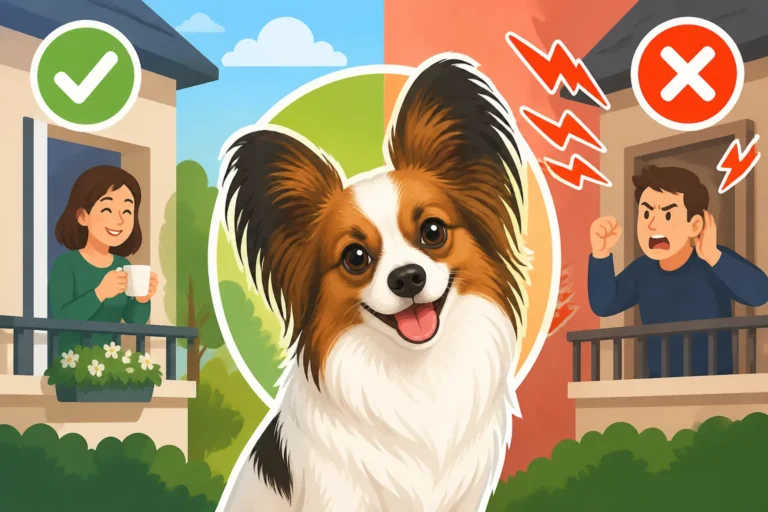
This might mean joining a dog-friendly hiking group, participating in fun obedience classes, or regularly meeting up with trusted friends who have calm, dog-savvy children or compatible larger dogs. The key is to keep these exposures positive and never force an interaction. If your Papillon seems uncomfortable, remove them. This consistent, gentle exposure helps maintain their confidence and social skills. If you live in an apartment, it's still possible to provide good socialization, but you'll need to be intentional about seeking out appropriate opportunities.
Moreover, your own education as an owner should continue. Stay updated on positive reinforcement techniques, canine body language, and effective management strategies. There are always new things to learn, and the more knowledgeable you are, the better you can advocate for and understand your Papillon.
Building Confidence Through Positive Experiences
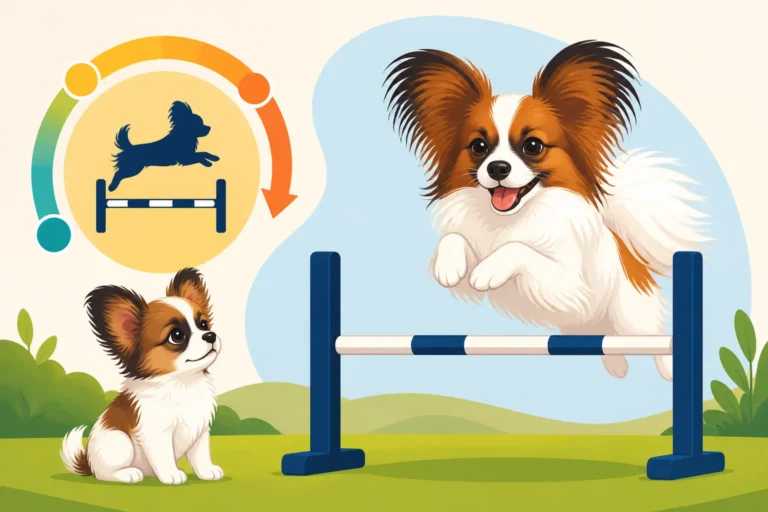
A confident dog is generally a well-behaved dog. Help your Papillon build confidence through a variety of positive experiences, not just related to children and other dogs. Engage them in activities they enjoy and excel at. Papillons are incredibly smart and often thrive in dog sports like agility, rally, or obedience. Starting a Papillon in Agility can be a fantastic way to boost their self-esteem, provide mental stimulation, and bond with you.
Regular positive reinforcement training sessions, where they learn new tricks or refine existing skills, also contribute greatly to their confidence. Success builds confidence. Always end training sessions on a positive note, with a command they know well and a big reward. This makes them eager to learn more and reinforces their bond with you.
When it comes to children and other dogs, ensure every interaction your Papillon has is a positive one. This means actively preventing negative experiences. If an interaction starts to go sour, intervene before it becomes truly unpleasant. By consistently stacking the deck in favor of positive experiences, you teach your Papillon that the world, including its larger inhabitants, is a good and safe place.
Knowing When to Consult a Professional Dog Trainer
While this guide offers a lot of practical advice, there are times when the best thing you can do for your Papillon and your household is to consult a professional. If you find yourself struggling with persistent issues like:
- Aggression (growling, snapping, biting) towards children or other dogs.
- Extreme fear or anxiety that prevents your Papillon from enjoying normal life.
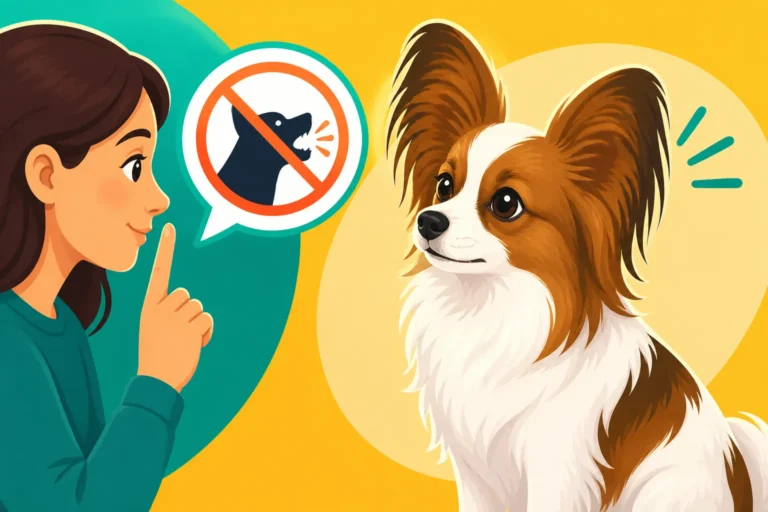
- Excessive barking that you can't manage How Much a Papillon Barks.
- Any behavior that makes you feel unsafe or concerned for your Papillon's welfare or the safety of others.
Look for a certified professional dog trainer (CPDT-KA) or a veterinary behaviorist. Avoid trainers who use harsh, outdated, or punishment-based methods, as these can severely damage a sensitive Papillon's trust and worsen fear-based behaviors. A good professional will use positive reinforcement, work with you to understand the root cause of the behavior, and develop a humane and effective plan tailored to your specific situation. They can provide invaluable guidance and hands-on support, helping you and your Papillon navigate challenges that feel overwhelming on your own.
Seeking professional help is not a sign of failure; it's a sign of a responsible and caring owner committed to their dog's well-being and the harmony of their home.
| Interaction Type | Ideal Scenario | Potential Risk/Challenge | Owner's Role (Management/Training) |
|---|---|---|---|
| Papillon with Children (Young) | Gentle petting, supervised play (e.g., rolling a soft ball) | Accidental dropping, rough handling, startling movements | Constant supervision, child education, Papillon safe space, baby gates, teaching "leave it" |
| Papillon with Children (Older) | Calm companionship, participation in training/tricks, walks | Accidental stepping, forgetting dog's fragility, teasing | Reinforce rules, continue supervision, involve in dog care (age-appropriate), reward good behavior |
| Papillon with Large Dogs (Known) | Relaxed co-existence, calm parallel play (sniffing, walking) | Overly enthusiastic play, accidental injury from size/weight | Careful introductions, monitor body language, choose gentle playmates, use long lines for controlled play, strong recall |
| Papillon with Large Dogs (Unknown) | Ignore, pass calmly on leash, brief polite sniff | Aggression, predatory instinct, overwhelming curiosity | Avoid dog parks, leashed greetings only if appropriate, advocate for your dog, strong "leave it" and recall |
Disclaimer
This article is for general informational purposes only and does not constitute professional advice. Laws, prices and regulations vary by location and change over time. Consult a qualified professional for guidance on your specific situation.