How Many Times a Week a Papillon Should Train
It's a common question among Papillon owners, and honestly, it's one that shows just how dedicated you are to your little butterfly-eared companion: "How many times a week should my Papillon train?" The truth is, there's no magic number carved in stone, but understanding the Papillon's unique intelligence and energy levels will help you craft a training schedule that truly sets your dog up for success without burning them out. This guide will help you understand the ideal rhythm for keeping your clever little dog engaged, happy, and well-behaved, whether you're teaching basic manners or aiming for the agility ring.
Understanding Your Papillon's Training Drive
Papillons are not your average lapdogs content to snooze all day. They possess a vibrant intellect and an eagerness to please that makes training not just possible, but genuinely enjoyable for both of you. However, this very drive can sometimes lead to misunderstandings about how much formal "work" they actually need.
The Papillon's Innate Intelligence and Enthusiasm
If you've spent any time with a Papillon, you know they're practically little sponges, soaking up new information and cues with astonishing speed. They consistently rank among the smartest dog breeds, often surprising people who underestimate them based on their delicate appearance. Their minds are constantly whirring, looking for things to do, and they genuinely love the challenge of learning. This is why many owners find that their Papillons are incredibly quick to grasp new commands, sometimes almost before the words are fully out of your mouth. They thrive on mental stimulation, and training provides that in spades. It's not just about teaching them tricks; it's about giving them a job, a purpose, and a way to channel that brilliant brainpower.
Their enthusiasm for training isn't just about their intelligence; it's also about their bond with you. Papillons are highly people-oriented dogs, and they view training as an interactive game, a shared activity that strengthens your relationship. When you're working together on a new skill, their focus is intense, and their desire to earn your praise and a tasty treat is palpable. This makes them incredibly rewarding students, but it also means you have a responsibility to keep training positive, engaging, and varied. They are so keen to learn that it sometimes feels like they're reading your mind, anticipating your next move. It's truly a delight to watch them figure things out. If you're curious about just how smart they are, you might enjoy reading The Papillon Is the Smartest Toy Breed There Is.
The Pitfalls of Over-Training
While your Papillon's intelligence is a huge asset, it's crucial not to mistake "smart" for "able to endure endless repetition." Pushing too hard, for too long, in a single session, or too many sessions in a day or week, can quickly backfire. Imagine being a child in school, eager to learn, but then being forced to do the same math problems for hours on end without a break. You'd quickly become bored, frustrated, and might even start to dislike math altogether. The same goes for your Papillon.
Over-training can manifest in several ways. Your Papillon might start to lose focus, offer incorrect behaviors out of sheer confusion or fatigue, or simply walk away from the training area. This isn't stubbornness; it's often a sign that their mental battery is drained, or they've become bored with the monotony. They might even develop a negative association with training, turning what should be a fun, bonding experience into a chore. Repetitive strain on their developing bodies, especially in puppies, is also a concern, though less about mental fatigue. It’s important to remember that they are small, delicate creatures, and too much physical exertion in one go, particularly high-impact activities, can be taxing. We want them to love learning, not dread it.
Establishing a Realistic Training Schedule
The key to successful Papillon training lies in consistency, brevity, and variety. You want to make training a natural, enjoyable part of their routine, rather than an intimidating, long-haul event. Think of it less like a scheduled class and more like regular, fun mini-lessons throughout the day.
Short, Frequent Sessions are Key
For Papillons, quality absolutely trumps quantity when it comes to training sessions. Instead of one long, grueling session once a week, aim for multiple, very short bursts of training scattered throughout your day. We're talking 3-5 minutes, maybe even less, several times a day. These micro-sessions capitalize on their natural attention span and enthusiasm without pushing them past their mental limit. They keep the learning fresh, prevent boredom, and reinforce good habits more effectively than sporadic, longer efforts. Think about taking a quick moment to practice "sit" before dinner, "stay" before opening the door, or a fun new trick during a commercial break.
During these brief sessions, focus on one or two specific behaviors. Once your Papillon performs well, or even if they just show good effort, end the session on a positive note. This leaves them wanting more, eager for the next opportunity to work with you. It’s far better to have them enthusiastically engaged for three minutes than half-heartedly participating for ten. Remember, their attention spans, while impressive for a small dog, are still finite. For more insight into session length, take a look at How Short a Papillon's Training Session Should Be. This approach also makes training less of a chore for you, as it easily integrates into your daily routine.
Varying the Training Environment
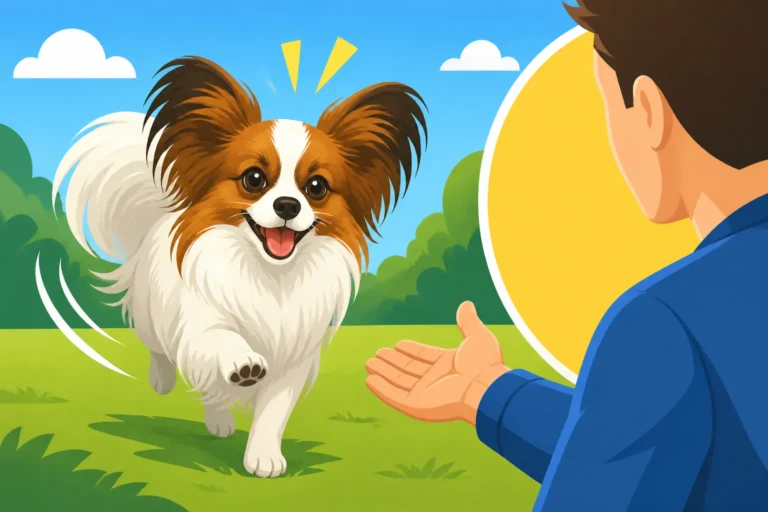
Training shouldn't be confined to just one spot in your living room. To truly embed behaviors and ensure your Papillon understands them in any context, you need to practice in a variety of environments. Start in a quiet, low-distraction area, but as your dog masters a command, gradually introduce more distractions. This might mean practicing "come" in your backyard, then at a local park during off-peak hours, and eventually in a busier setting like a pet-friendly store.
Varying the environment helps your Papillon generalize their understanding of cues. They learn that "sit" means sit, whether they're in the kitchen, on a walk, or at the vet's office. This prevents them from becoming "context-dependent" learners who only perform when everything is exactly the same as their initial training setup. Exposure to different sights, sounds, and smells during training also builds confidence and helps them become more resilient, well-adjusted dogs. Just make sure the new environment isn't too distracting initially; always set them up for success.
Balancing Formal Training with Play
While Papillons love to learn, they also need plenty of unstructured play and opportunities to just be a dog. All work and no play can make any dog dull, and a Papillon is no exception. Incorporate games like fetch, tug-of-war (with rules!), or hide-and-seek with toys or treats into their daily routine. These activities provide mental stimulation in a less formal way and offer an outlet for their boundless energy. A happy, well-exercised Papillon is much more receptive to formal training sessions.
Consider incorporating puzzle toys from places like Amazon, which can challenge their minds and provide a fun distraction. These toys encourage problem-solving and can be a great way to keep them engaged when you can't actively train. Furthermore, allowing them off-leash time in a safe, enclosed area (where legal and appropriate) lets them run, explore, and simply enjoy being a dog. This balance ensures they remain enthusiastic about learning, viewing it as just one enjoyable facet of their rich life. Remember, a tired dog isn't necessarily a well-trained dog; a balanced dog is.
Tailoring Training Frequency to Age and Stage
A Papillon's training needs will naturally evolve as they move through different life stages, from a tiny, impressionable puppy to a wise, senior companion. Understanding these shifts allows you to adjust your approach and keep training relevant and appropriate.
Puppy Training: Building Foundations
When you first bring home a Papillon puppy, everything is a training opportunity, even if it doesn't feel like formal training. The focus here is on socialization, house training, and basic manners. For a young puppy, short, positive interactions are key. You might be "training" for five minutes every hour you're awake, simply by rewarding them for pottying outside, sitting politely for attention, or coming when called in the living room. Consistency is paramount during this foundational period.
These early weeks and months are crucial for shaping their temperament and behavior. Regularly expose your puppy to new sights, sounds, people, and other vaccinated, friendly dogs in a controlled, positive manner. Formal puppy classes are an excellent idea, as they provide structured socialization and teach you how to communicate effectively with your new family member. Remember, puppies have tiny bladders and short attention spans, so frequent potty breaks and very brief training bursts are far more effective than trying to force a long session. To get a handle on that first year, check out The First Year With a Papillon Puppy and for more specific guidance on timing, refer to When to Start Training a Papillon Puppy.
Adolescent and Adult Papillons: Expanding Skills
Once your Papillon moves beyond puppyhood (typically around 6-12 months), their attention span lengthens slightly, and their ability to focus improves. This is when you can start to build on those foundational skills and introduce more complex behaviors or dog sports. For an adult Papillon, two to four short, focused training sessions a day (each 5-10 minutes) might be ideal, alongside incorporating training into daily activities.
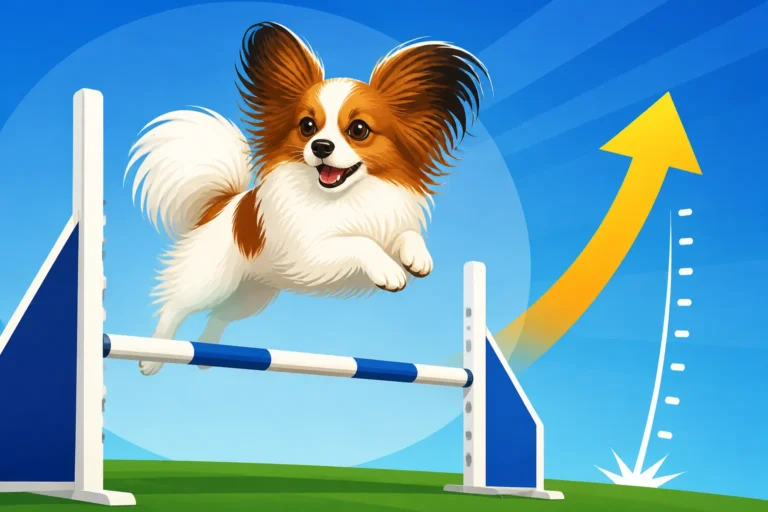
Many Papillon owners find their dogs excel in activities like agility, obedience, or rally. These sports provide incredible mental and physical stimulation, and your Papillon will likely thrive on the challenge. If you're considering dog sports, you might be interested in Starting a Papillon in Agility. Training for these activities will naturally increase the frequency of your structured sessions, but always listen to your dog. If they seem tired or disengaged, it's time for a break. Even if you're not into competitive sports, continuing to teach new tricks and refine existing cues will keep their intelligent minds sharp and prevent boredom.
Senior Papillons: Maintaining Mental Acuity
As your Papillon ages, their physical capabilities might decline, but their need for mental engagement often remains strong. Training for senior Papillons shifts from intense new learning to maintaining existing skills and gentle mental stimulation. Short, gentle training sessions a few times a week, focusing on familiar cues or simple new tricks, can be incredibly beneficial. These sessions help keep their minds active, maintain muscle memory, and provide comforting routine.
Adjust your expectations and activities to suit their changing bodies. High-impact jumps might be out, but scent work, puzzle toys, or practicing gentle obedience cues are perfect. These activities allow them to use their brains without putting undue strain on their joints. The goal is to keep them engaged and happy, reinforcing their bond with you. Many older dogs find comfort and confidence in routine and familiar mental exercises. For more about their care in these later years, you can read Caring for an Aging Papillon.
Practical Tips for Integrating Training into Daily Life
Training doesn't always require a dedicated block of time or special equipment. Some of the most effective learning happens organically, by simply incorporating cues and rewards into your daily routine. This makes training less of a separate task and more of a lifestyle.
Leveraging Everyday Moments
Think of all the small interactions you have with your Papillon throughout the day. Each one presents a miniature training opportunity. Before you put their food bowl down, ask for a "sit" or "wait." When you open the door to go outside, ask for a "stay" for a second. During walks, practice loose-leash walking, or ask for a "look at me" when you pass a distraction. These brief, consistent moments reinforce good manners and keep your Papillon's mind engaged without feeling like a formal lesson.
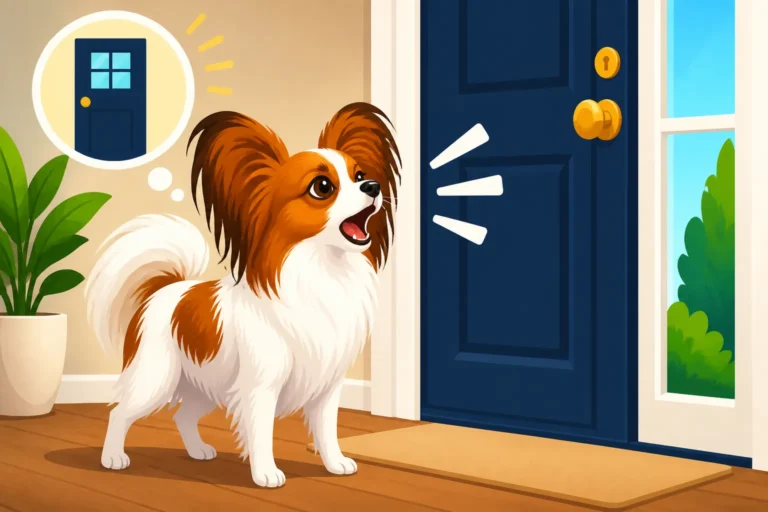
Even simple greetings can be training opportunities. Instead of letting your Papillon jump on guests, teach them to "greet politely" by sitting or staying calm. Reward calm behavior when someone new comes to the door. These small, consistent efforts add up over time and create a well-mannered dog who understands boundaries and expectations in everyday scenarios. The beauty of this approach is that it requires minimal extra time and effort from you, yet yields significant results.
Utilizing Training Aids and Resources
Even with the smartest Papillon, having the right tools and resources can make training smoother and more effective. High-value treats are a must, especially in the early stages or when teaching something challenging. A clicker can be an incredibly powerful communication tool, precisely marking the exact moment your Papillon performs the desired behavior. If you're new to using one, How a Clicker Lands With a Papillon offers some great insights. You can find excellent, affordable clickers and treat pouches on Amazon.
For structured learning, especially if you're a first-time dog owner or want to brush up on your skills, online training programs can be a game-changer. Platforms like BAXTER & Bella offer comprehensive, self-paced courses that cover everything from puppy basics to advanced obedience, allowing you to train on your schedule from the comfort of your home. These resources provide step-by-step guidance, troubleshooting tips, and often a community of support, ensuring you're never left wondering what to do next.
Recognizing When to Take a Break
Even with short, positive sessions, it's important to be attuned to your Papillon's cues and know when they've had enough. Signs of mental fatigue or stress can include: yawning excessively (not out of tiredness), licking their lips, sniffing the ground distractedly, looking away from you, scratching, or refusing treats they normally love. If you see these signals, it’s a clear indication that it's time to end the session.
Forcing your Papillon to continue when they're showing signs of disengagement or stress will only lead to frustration for both of you and can sour their attitude towards training. It's always better to end a session early on a positive note than to push too far and end with a frustrated dog. Remember, the goal is to make training a positive, enriching experience, so respecting their need for breaks is crucial. Sometimes, the best training you can do is no training at all, letting them relax and recharge.
| Papillon Age/Stage | Recommended Training Frequency | Session Length (Approx.) | Key Focus Areas |
|---|---|---|---|
| Puppy (8 weeks-6 months) | 5-8 short bursts daily | 2-5 minutes per burst | House training, socialization, bite inhibition, basic cues (sit, stay, come), name recognition |
| Adolescent (6 months-2 years) | 3-5 sessions daily | 5-10 minutes per session | Reinforcing basics, proofing in distractions, new tricks, dog sports foundation, impulse control |
| Adult (2-8 years) | 2-4 sessions daily/several times a week | 5-15 minutes per session | Advanced obedience, dog sports, trick training, mental enrichment, consistent good manners |
| Senior (8+ years) | 1-3 gentle sessions a week | 5-10 minutes per session | Maintaining known cues, gentle mental games, scent work, comfort and routine reinforcement |
Disclaimer
This article is for general informational purposes only and does not constitute professional advice. Laws, prices and regulations vary by location and change over time. Consult a qualified professional for guidance on your specific situation.