What a Papillon Needs Every Day
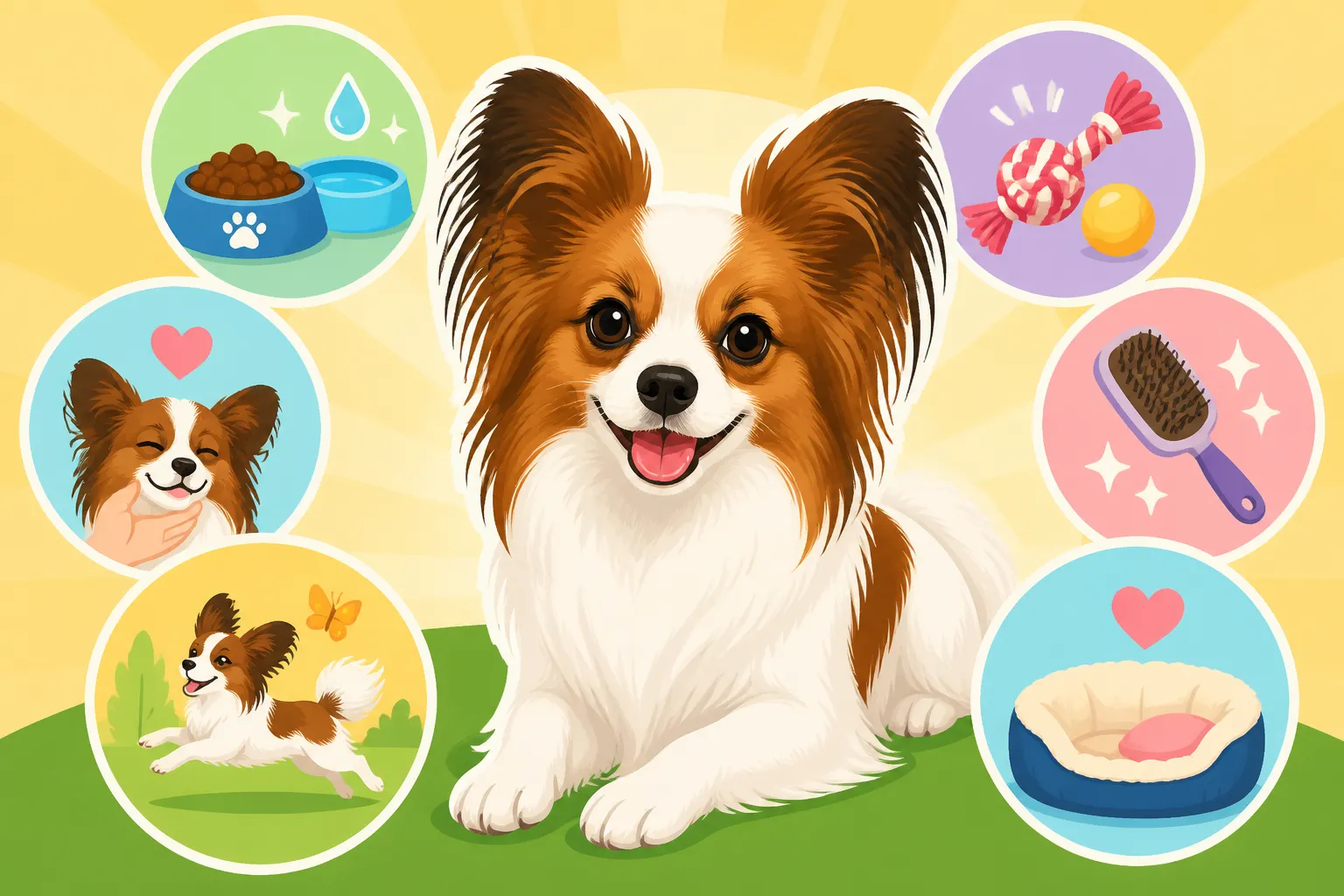
It’s a common misconception that because Papillons are small, they don't demand much from their owners. Many people envision a tiny, docile lapdog content to simply exist on a cushion. However, anyone who has actually lived with these intelligent, energetic little dynamos knows the truth: a Papillon is a vibrant, active companion with a surprising amount of personality and, more importantly, a robust set of daily needs that must be met for them to truly thrive. Ignoring these needs doesn't lead to a calmer dog; it often leads to a frustrated, potentially destructive, and certainly unhappy one. This guide will walk you through precisely what your Papillon needs every single day to be a happy, healthy, and well-adjusted member of your family, from mental stimulation to physical activity and everything in between.
Mental Stimulation: Keeping That Brilliant Papillon Mind Engaged
Don't let their delicate appearance fool you; Papillons are truly little brainiacs, consistently ranking among the most intelligent dog breeds. This sharp mind is a double-edged sword: it makes them incredibly fun and easy to train, but it also means they get bored quickly if not given adequate mental exercise. A bored Papillon is rarely a quiet one; they're more likely to invent their own "games," which can often involve barking, chewing on forbidden items, or otherwise finding ways to entertain themselves that you might not appreciate.
The Need for Brain Games and Puzzles
Your Papillon's keen intellect demands regular challenges. They don't just want to be petted; they want to think. Ignoring this aspect of their daily care is like trying to keep a Mensa member happy by giving them a coloring book – it just won't cut it in the long run. If your Papillon seems restless, destructive, or excessively vocal, a lack of mental engagement might very well be the root cause. It's not about being naughty; it's about unmet needs.
Simple brain games can make a huge difference. Try hiding treats around the house for them to sniff out, or play a "shell game" with treats under cups. These activities tap into their natural problem-solving abilities and prey drive in a safe, constructive way. You'll be amazed at how quickly they figure things out and how much satisfaction they get from the "hunt." You can also find a fantastic array of puzzle toys on platforms like Amazon that dispense kibble or treats, forcing your Papillon to manipulate parts, push levers, or solve mini-puzzles to get their reward. Not only do these toys provide mental exercise, but they also slow down mealtime, which can be beneficial for digestion.
Training Sessions as Daily Mental Workouts
Formal training isn't just for puppies or competition dogs; it's a vital component of a Papillon's daily mental well-being, throughout their entire lives. These dogs absolutely light up when they're learning something new or refining a skill. Short, consistent training sessions—even just 5-10 minutes a couple of times a day—are far more effective than infrequent, long ones. Their attention span, while good, will still benefit from keeping things snappy and fun.
Focus on positive reinforcement, using high-value treats and enthusiastic praise to reward desired behaviors. Papillons are incredibly eager to please, and they respond beautifully to this kind of encouragement. Keep your sessions varied to prevent boredom, rotating through basic obedience cues like sit, stay, and come, and then moving on to fun tricks like spin, play dead, or bow. You’ll find that How Fast a Papillon Learns a New Cue is truly remarkable. Many owners find value in structured programs like BAXTER & Bella, which offer online resources and guidance for training. Even if you're not aiming for agility titles or obedience championships, the daily mental workout provided by training builds confidence, strengthens your bond, and keeps their brilliant minds sharp.
Exposure to Novelty and Enrichment
Life shouldn't be a monotonous routine, and for a Papillon, a varied and enriching environment is crucial. They are naturally curious and observant, and they thrive on new experiences. While a consistent daily schedule provides comfort, incorporating novelty prevents boredom and helps them remain adaptable.
Think about varying your walking routes instead of sticking to the same block every day. Let them explore a new park (safely, of course), or take them for a quick, leashed stroll through a pet-friendly hardware store or craft shop. The new sights, sounds, and especially the smells, will provide a rich tapestry of information for their powerful little noses and curious minds. At home, rotate their toys to keep interest high, putting some away for a week or two and then reintroducing them. You can also introduce new, safe objects for them to investigate, like a cardboard box to shred (under supervision!) or a new texture to explore, such as a crinkly tunnel. All these small changes add up to a much more stimulating daily existence for your intelligent companion.
Physical Exercise: More Than Just a Lap Dog
Despite their toy breed status, Papillons are surprisingly athletic and need regular physical exercise to stay healthy and happy. They aren't meant to be sedentary couch potatoes; they possess a lively energy that needs an outlet. Neglecting their physical needs can lead to restless behavior, weight gain, and even joint issues down the line. Many owners are genuinely surprised by the sheer stamina these little dogs possess.
Daily Walks and Outdoor Adventures
Don't underestimate the power of a good walk for a Papillon. It’s not just about a quick potty break; it's an opportunity for them to stretch their legs, sniff new smells, and engage with the world. Ideally, your Papillon should have at least two walks a day, lasting 20-30 minutes each, though some individuals may enjoy longer excursions. These walks should be at a brisk pace that challenges them slightly, rather than a leisurely dawdle where they just sniff every blade of grass (though some sniffing time is important too!).
Consistent leash training is paramount to ensure these walks are enjoyable and safe. A Papillon that pulls on the leash or lunges at distractions can make walks stressful for both of you. Varying your walking routes is also a fantastic way to add mental stimulation, as different environments offer new smells and sights. Just be mindful of their small size; always walk them on a harness rather than a collar to protect their delicate necks and tracheas, especially if they're prone to pulling. For more guidance, check out How Far a Papillon Should Walk Daily.
Playtime and Interactive Games
Beyond structured walks, Papillons absolutely adore interactive playtime. This is where their playful spirit truly shines. Games like fetch, tug-of-war, and chasing a flirt pole are fantastic for burning off energy and strengthening your bond. These aren't just for bigger dogs; a Papillon will happily chase a thrown toy multiple times, bringing it back with boundless enthusiasm.
If the weather isn't cooperating, or you don't have a yard, indoor play is perfectly acceptable. Clearing a space in your living room for a vigorous game of fetch or hide-and-seek can be just as effective. Ensure you have appropriate toys that are durable and sized for their small mouths. If your Papillon plays with other dogs, ensure these interactions are always supervised and with dogs of a similar size and play style. While Papillons are bold, a roughhousing session with a much larger dog can quickly lead to injury. For insights into safe interactions, you might want to read Whether a Papillon Behaves With Large Dogs.
Safe Spaces for Running and Zoomies
Papillons, like many dogs, get bursts of energy often referred to as "zoomies." These sudden, frantic runs can happen indoors or out, and it's essential to provide a safe environment for them. A secure, fenced yard is ideal, allowing them to sprint and explore without the risk of running into traffic or getting lost. However, many Papillons live happily in apartments, and indoor zoomies are common and perfectly fine, as long as the space is cleared of obstacles.
Be mindful of furniture if your Papillon loves to jump up and down. While they are agile, repeated high-impact jumps, especially off tall furniture like beds or sofas, can put strain on their delicate joints, particularly their knees. Many Papillon owners opt for ramps or steps to help their dogs safely access elevated surfaces, protecting their joints over the long term. This is especially important for a breed prone to patellar luxation, a condition where the kneecap slips out of place. Learning Whether a Papillon Should Be Stopped From Jumping Off Furniture can save you a lot of heartache (and vet bills) later. Keep an eye out for any signs of limping or skipping, which could indicate a knee issue. You can learn more about this in Signs a Papillon's Kneecap Slips.
Social Connection: Companionship is Key
Papillons were bred for centuries as companion animals, gracing the laps of European nobility. This history means they are inherently social creatures who thrive on close interaction with their human families. They are not dogs that do well being left alone for extended periods or relegated to the backyard. Their emotional well-being is deeply tied to their relationships.
The Papillon's Need for Human Interaction
These little butterfly dogs form incredibly strong bonds with their people. They want to be where you are, doing what you're doing. Whether you're cooking dinner, watching TV, or working at your desk, your Papillon will likely want to be right by your side, or perhaps perched on your lap. This constant companionship isn't just a preference; it's a fundamental need for the breed. They genuinely feel like part of the family, not just a pet.
Including them in your daily activities is the best way to meet this need. Talk to them, involve them in gentle games, and offer them attention and affection throughout the day. While they can cope with short periods of being alone, long stretches without human interaction can be detrimental to their emotional health. If you are concerned about how long your Papillon can be left alone, you should understand How Long a Papillon Copes Alone. They are prone to developing separation anxiety if their need for companionship is consistently unmet, leading to stress behaviors like excessive barking, house-soiling, or destructive chewing. If you notice these symptoms, it's critical to address them proactively, perhaps by consulting a professional trainer or behaviorist, and reading Signs a Papillon Has Separation Anxiety.
Safe Socialization with Other Dogs and People
A well-socialized Papillon is a joy to be around, greeting strangers with a wagging tail and interacting politely with other dogs. However, their small size means that socialization must be approached carefully and deliberately. It's crucial to expose them to a variety of safe, positive experiences from a young age, but always with an emphasis on protection and supervision.
Introduce your Papillon to other dogs gradually, ensuring that the other dogs are calm, well-mannered, and ideally, of a similar size. Dog parks can be risky for tiny breeds due to the potential for accidental injury from larger, boisterous dogs. Instead, opt for controlled playdates with trusted canine friends. Similarly, when introducing your Papillon to children, always supervise interactions closely. While Papillons are generally good with respectful older children, they are delicate and can be easily injured by unintentional rough handling from toddlers. Learning How a Papillon Behaves With Children is an important part of ensuring safety for both your dog and young family members.
Attending puppy classes is an excellent way to provide safe, structured socialization with other puppies and people in a controlled environment. These classes not only teach basic manners but also build confidence and help your Papillon develop appropriate social skills. The key is balance: encourage friendliness without exposing them to situations that might overwhelm or frighten them, leading to a defensive temperament.
Nutritional Needs: Fueling a Tiny, Energetic Body
Proper nutrition is the cornerstone of your Papillon's health and longevity. Despite their small stature, their active lifestyle and high metabolism mean they need a diet that provides ample energy and supports their overall well-being. Getting their diet right isn't just about feeding them; it's about making informed choices that cater to their unique requirements.
Choosing the Right Food and Portions
When it comes to feeding your Papillon, quality absolutely trumps quantity. Choose a high-quality small-breed dog food, whether it's kibble, wet food, or a fresh food diet. Small breed formulas are often designed with smaller kibble sizes that are easier for tiny mouths to chew and typically have a higher caloric density to meet their energetic demands without overfeeding. Always check the ingredient list for whole, identifiable protein sources as the first few ingredients.
Portion control is critical. Papillons can gain weight surprisingly easily, and even a few extra ounces can put undue strain on their delicate joints, especially their knees, which are prone to luxation. Follow the feeding guidelines on your chosen dog food packaging, but always adjust based on your dog's activity level, age, and individual metabolism. If you're unsure, your vet can help you determine the ideal daily calorie intake. Don't be surprised if your Papillon is a bit of a picky eater sometimes; it's not uncommon for them to hold out for something better. If you find yourself in this situation, you might want to look into Getting a Picky Papillon to Eat. For more detailed information, consider How Many Cups a Day an Adult Papillon Eats to guide your feeding decisions.
Fresh Water and Healthy Treats
Constant access to fresh, clean water is non-negotiable. Dehydration can lead to serious health problems, so always ensure their water bowl is full and clean. Consider having multiple water bowls around the house, especially if you have a multi-story home, to encourage consistent hydration.
Treats can be an invaluable tool for training and bonding, but moderation is key. Opt for small, low-calorie treats, breaking larger ones into tiny pieces if necessary. Remember, treats should make up no more than 10% of their daily caloric intake to prevent weight gain and ensure they're still getting the bulk of their nutrition from their balanced dog food. Avoid giving them human foods that are high in fat, sugar, or sodium, and absolutely educate yourself on foods that are toxic to dogs, such as chocolate, grapes, xylitol, and onions. As your Papillon ages, you might also consider incorporating joint supplements into their diet to support their knee health, a common concern for the breed. Whether a Papillon Needs Joint Supplements can be a valuable question to discuss with your veterinarian as they get older.
Grooming and Hygiene: Maintaining That Butterfly Beauty
The Papillon's crowning glory is its stunning coat and magnificent, butterfly-like ears. While their elegant appearance might suggest high-maintenance grooming, these little dogs are surprisingly easy to care for compared to many other long-haired breeds. However, consistent daily and weekly routines are essential to prevent mats, maintain skin health, and keep them looking their best.
Daily Brushing for a Tangle-Free Coat
Despite its length, the Papillon's single coat (meaning no undercoat) is relatively easy to maintain. However, "easy" doesn't mean "no work." Daily brushing is still crucial to prevent tangles and mats, especially in the areas of their extensive feathering: behind the ears, on their chest frill, their "culottes" (the long hair on their hind legs), and their glorious tail plume. Many new owners are surprised to learn Why a Papillon's Long Coat Takes Twenty Minutes a Week.
A good quality pin brush and a metal comb (both readily available on Amazon) are your best tools. Start brushing from the skin out, working in layers to ensure you're getting through the entire coat, not just skimming the top. Pay particular attention to the areas where mats commonly form. Regularly inspecting their coat also allows you to check for any skin irritations, lumps, or unwanted hitchhikers like fleas or ticks. Regular brushing also helps distribute natural oils, keeping their coat healthy and shiny. For more specifics on trouble spots, check out Where a Papillon Mats.
Dental Care: A Critical Daily Routine
This cannot be stressed enough: daily dental care is paramount for Papillons. Due to their small jaws, their teeth are often crowded, making them highly susceptible to plaque and tartar buildup, which quickly leads to periodontal disease. This isn't just a cosmetic issue; severe dental disease can cause pain, tooth loss, and even systemic infections affecting their heart, kidneys, and liver. For an in-depth look at this issue, read The Teeth in a Papillon's Small Jaw.
Brushing your Papillon's teeth daily is the gold standard. Use a soft-bristled toothbrush designed for dogs or a finger brush, along with enzymatic pet toothpaste (never human toothpaste). Start slowly, making it a positive experience with praise and treats. Focus on the outside surfaces of their teeth, particularly the molars where tartar accumulates fastest. If daily brushing isn't feasible, aim for every other day, but know that consistency is key to staving off costly and painful dental procedures. Learning How Often a Papillon's Teeth Need Brushing is a game-changer for their long-term health. Regular professional dental cleanings under anesthesia, as recommended by your vet, will also be a necessary part of their long life.
Nail Trims and Ear Checks
Regular nail trims are another essential daily/weekly task. Overgrown nails can cause discomfort, make it painful for your Papillon to walk, and even lead to splayed feet or problems with their delicate patellas. For such an active little dog, keeping nails short is vital. Long nails can also snag and break, which is incredibly painful and often requires a vet visit. It's surprising how much Why a Papillon's Nails Affect Its Knees can impact their overall comfort and mobility.
Aim to trim their nails every 2-4 weeks, or as needed. If you're nervous about trimming, ask your vet or a professional groomer to show you how, or consider using a nail grinder for a smoother, safer trim. Additionally, routinely check their ears. While Papillons don't have heavy, floppy ears prone to infections, their large, erect ears can still collect dirt or wax. Look for any redness, odor, or excessive discharge, which could signal an infection. A gentle wipe with a vet-approved ear cleaner, as needed, is usually sufficient. Find out more about ear cleaning frequency in How Often a Papillon's Ears Need Cleaning.
Health Monitoring and Veterinary Care
Owning a Papillon means taking an active role in their health. These dogs have a remarkably long lifespan, often living well into their teens, which means a significant commitment to proactive care. Daily observation and regular veterinary check-ups are crucial for catching potential issues early and ensuring they live those long years to the fullest.
Daily Health Checks at Home
You are your Papillon's first line of defense when it comes to their health. Developing a habit of quick daily health checks can alert you to subtle changes before they become major problems. Observe their appetite and thirst: is it consistent, or are they eating/drinking more or less than usual? Monitor their energy levels: are they playing with their usual gusto, or do they seem more lethargic? Pay attention to their bathroom habits – any changes in frequency, consistency, or difficulty can be a sign something is amiss.
Beyond the basics, take a moment to gently feel over their body. Are there any new lumps or bumps? Is there any tenderness when you touch a particular area? Watch how they move: are they limping, skipping a step, or hesitant to jump? Papillons are often stoic, so subtle signs of discomfort can be easy to miss, but learning How a Papillon Hides Pain can help you interpret their behavior. Examine their coat and skin for any rashes, dryness, or parasites. A quick look at their eyes (clear, bright, no discharge) and nose (moist, no excessive discharge) can also be part of this routine.
Proactive Preventative Care
Preventative veterinary care is non-negotiable for a Papillon's long-term health. Staying on top of their vaccination schedule, especially as a puppy, protects them from common and dangerous canine diseases. Understanding The Vaccination Schedule a Papillon Puppy Needs is crucial for their early development. Beyond initial vaccinations, consistent flea, tick, and heartworm prevention is vital, particularly for dogs who spend time outdoors or in areas with high parasite loads. Your vet can recommend the best products and schedule for your region and your Papillon's lifestyle. Knowing What a Papillon's Heartworm Prevention Runs can help you budget for this essential care.
Regular wellness exams, typically once a year for adults and more frequently for puppies and seniors, allow your veterinarian to perform a thorough physical examination, catch potential issues early, and discuss any concerns you might have. Your vet will monitor their weight, listen to their heart and lungs, check their teeth, and palpate their joints. They can also recommend breed-specific screenings. Papillons, for example, are known for patellar luxation, so regular knee checks are especially important. While we can’t stop all problems, being proactive gives them the best chance at a healthy life. For details on how often these exams are needed, read How Often a Papillon Needs a Wellness Exam.
Environmental Considerations: A Safe and Stimulating Home
Your home is your Papillon's world, and creating an environment that is both safe and enriching is paramount for their well-being. Their small size makes them vulnerable to certain hazards that might not pose a threat to larger dogs, and their intelligence means they need more than just four walls and a roof to feel content.
Creating a Safe Indoor Space
"Puppy-proofing" isn't just for puppies; it's a lifelong endeavor when you share your home with a curious Papillon. Their small size allows them to squeeze into tight spaces, chew on things they shouldn't, and access areas that might be dangerous. Get down on their level and scan your home for potential hazards: loose electrical cords, accessible cleaning supplies, small objects they could swallow, or poisonous plants. Secure cabinets, put away medications, and ensure trash cans have secure lids.
Provide comfortable and secure resting places. A cozy dog bed in a quiet corner or a secure crate can be their personal sanctuary. Many Papillons love to burrow, so a bed with sides or a soft blanket they can dig into will be much appreciated. If your Papillon is allowed on furniture, consider providing ramps or steps. While they are agile, repeated jumping off sofas and beds, especially onto hard floors, can contribute to joint strain over time and exacerbate conditions like patellar luxation. This is an important consideration for their long-term health, and understanding Whether a Papillon Needs Ramps to Furniture can provide valuable insights.
Outdoor Safety and Supervision
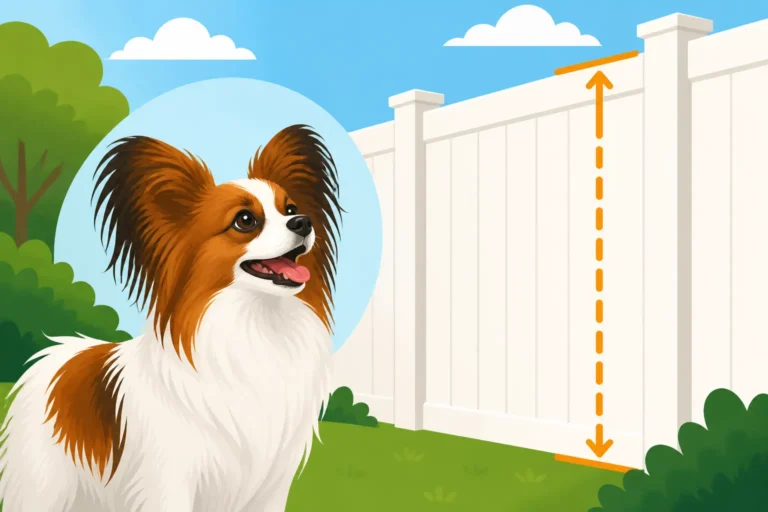
While a Papillon can thrive in an apartment, if you have a yard, it absolutely must be securely fenced. Their prey drive and curiosity mean they can be quick to bolt after a squirrel or investigate an interesting smell, and their small size makes them surprisingly adept at squeezing through small gaps. A fence that might contain a larger dog may not be sufficient for a determined Papillon. Ensure there are no holes, gaps, or areas where they can dig under. You might be surprised at How High a Fence a Papillon Needs to keep them safe.
Even in a fenced yard, supervision is crucial. They are small enough to be prey for opportunistic predators like hawks, owls, or coyotes in some areas. Always accompany your Papillon outdoors, especially at dawn or dusk. Be mindful of weather conditions; their single coat means they can get chilled easily in winter and overheat quickly in summer. Provide a warm coat for cold weather walks and ensure they have access to shade and water on hot days. Avoiding walks on hot asphalt is also important to protect their delicate paw pads.
Daily, Weekly, and Monthly Needs at a Glance
To summarize, here’s a quick overview of what your Papillon needs on a regular basis. Remember, these are general guidelines, and your individual Papillon’s needs may vary based on age, health, and personality.
| Category | Daily Needs | Weekly Needs | Monthly Needs |
|---|---|---|---|
| Mental Stimulation | Interactive play (fetch, tug), short training sessions (5-10 min), puzzle toys, varied walk routes, new smells/sights. | Introduce new toys, practice more complex tricks, visit new pet-friendly locations (store, different park). | Consider a formal training class (e.g., agility, obedience), participate in doggy playdates, research new enrichment activities. |
| Physical Exercise | Two brisk walks (20-30 min each), indoor/outdoor playtime (20-30 min), safe space for zoomies, access to stairs/ramps for furniture. | Longer weekend walks/hikes (if appropriate for their fitness), supervised off-leash play in secure area. | Vet check-up for puppies/seniors, review exercise intensity and adjust as needed for aging dogs. |
| Social Connection | Human interaction (lap time, talking, inclusion in activities), praise and affection, short periods of alone time (if accustomed). | Supervised social interactions with trusted dogs/people, positive exposure to new environments. | Schedule playdates, visit family/friends with your dog, consider group socialization classes. |
| Nutrition | High-quality small-breed dog food (precise portions), constant access to fresh water, small training treats (in moderation). | Monitor weight and adjust food portions if needed, clean food and water bowls thoroughly. | Review current diet with vet, consider seasonal dietary adjustments, restock food/treats. |
| Grooming/Hygiene | Daily brushing (focus on fringes), daily tooth brushing, quick ear and eye check. | Nail trim (every 2-4 weeks), check paw pads and sanitary trim (if needed), gentle ear cleaning (if needed). | Bathing (as needed, usually every 3-4 weeks), thorough coat inspection, pest prevention application (if monthly). |
| Health Monitoring | Observe appetite, thirst, energy, elimination; check for limping, lumps, discomfort, changes in coat/skin. | Monitor for any persistent symptoms, ensure all preventative medications are up to date. | Vet wellness exam (annual for adults, more for puppies/seniors), parasite prevention, dental check-up with vet. |
| Environment | Secure and hazard-free indoor space, designated resting areas (bed, crate), ramps/steps to furniture. | Yard check (fences, gate security), review seasonal safety needs (heat/cold protection). | Review house safety, consider new toys or enrichment items, clean dog bedding. |
Remember, every Papillon is an individual, and while these guidelines provide a comprehensive framework, observing your own dog and understanding their unique personality and needs is the most important daily task of all. These little dogs give us so much joy and love, and in return, they truly deserve our dedication to their complete well-being.
Disclaimer
This article is for general informational purposes only and does not constitute professional advice. Laws, prices and regulations vary by location and change over time. Consult a qualified professional for guidance on your specific situation.