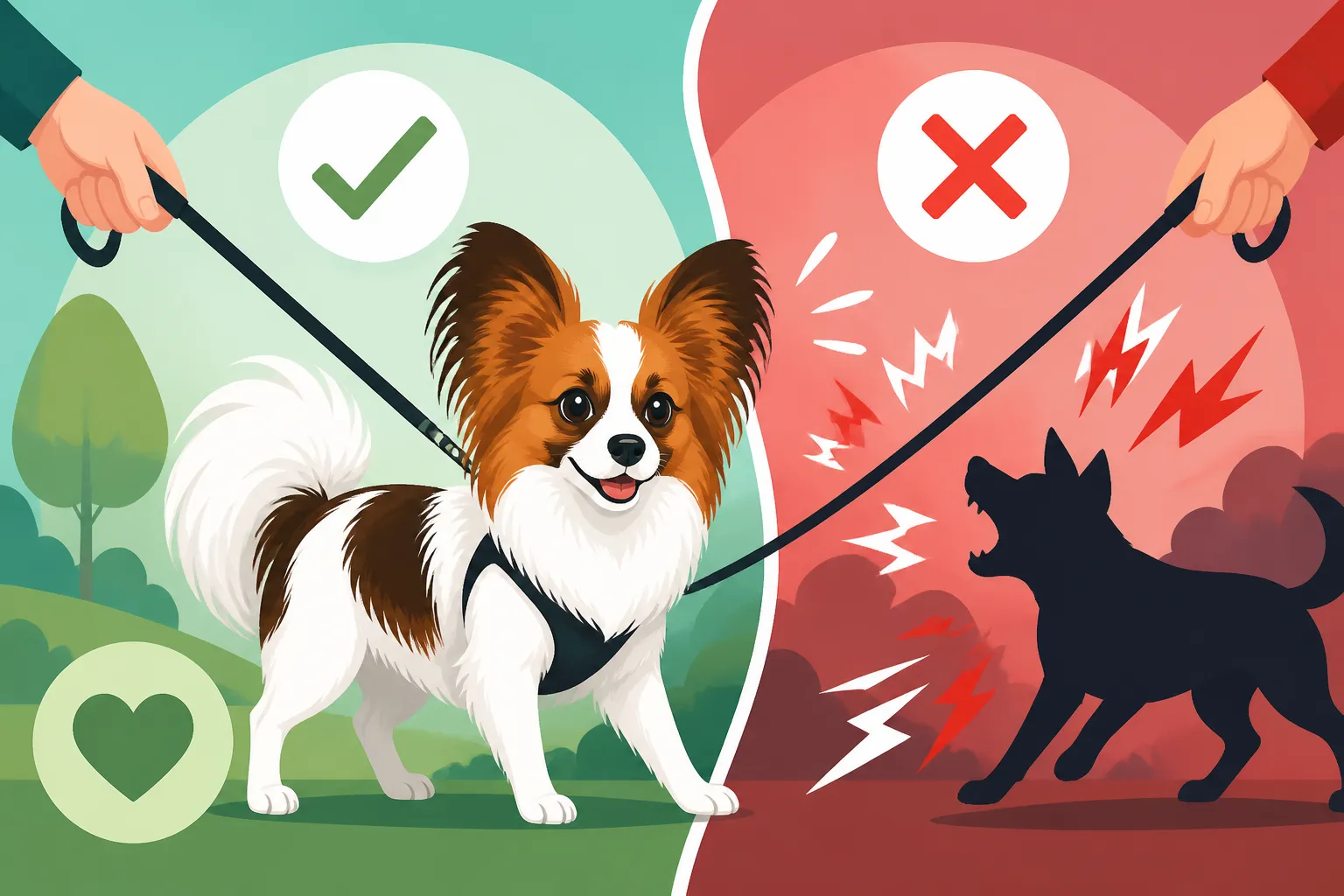
Whether a Papillon Is Reactive on Leash
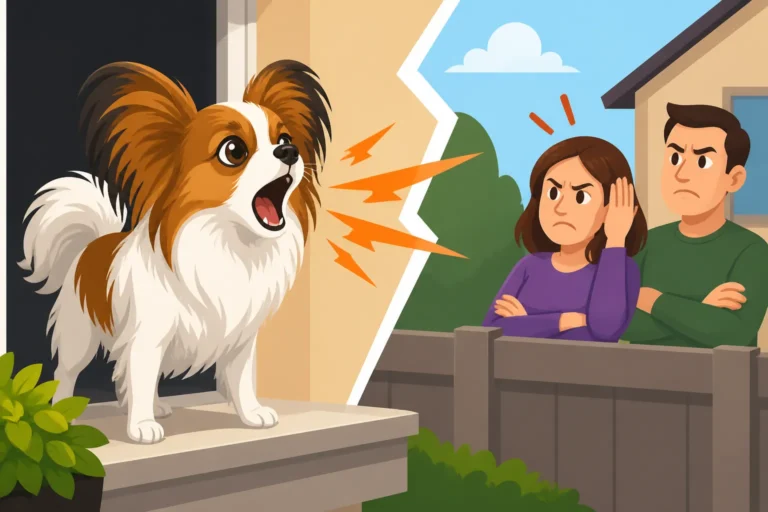
It's incredibly frustrating when you want to take your beloved Papillon out for a peaceful stroll, only to have them transform into a barking, lunging, spinning ball of fury at the sight of another dog, a person, or even a leaf blowing in the wind. This sudden shift in behavior, often called "leash reactivity," can make walks feel like a battlefield rather than a bonding experience. This guide will delve deep into why Papillons, despite their dainty appearance, can display leash reactivity, what triggers it, and most importantly, how you can manage and even reduce these challenging behaviors to reclaim the joy of walks with your little butterfly dog.
Understanding Leash Reactivity in Papillons
When we talk about leash reactivity in a Papillon, it's crucial to understand what it actually means. It’s often mistaken for aggression, but it’s usually more nuanced than that. Leash reactivity is typically an over-the-top response to a perceived trigger while the dog is on a leash. This could manifest as barking, growling, lunging, pulling, whining, or even spinning in circles. For Papillons, this behavior might seem counterintuitive given their small size, but it's a very real and common issue.
What Reactivity Looks Like for a Small Dog
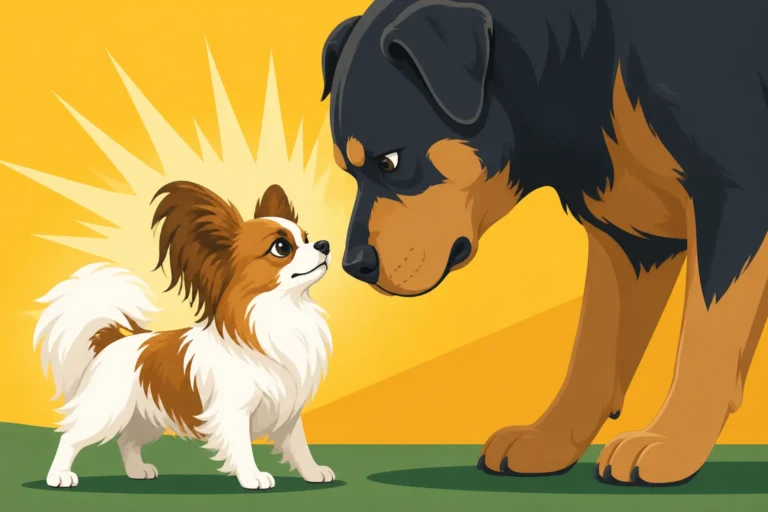
Imagine walking your tiny Papillon down the street. Everything is fine until suddenly, a large Golden Retriever rounds the corner. Your Papillon stiffens, then erupts – barking ferociously, straining at the leash, and perhaps even nipping at the air. To an outside observer, it might look like your little dog is trying to pick a fight with a much larger adversary. But more often than not, this isn't about aggression. It's about feeling trapped and overwhelmed. The leash, which is meant to keep them safe, also prevents them from exercising their natural fight-or-flight instincts, leaving them with an intense emotional reaction that can't be resolved by moving closer or further away as they might off-leash.
For many small dogs, including Papillons, a significant component of reactivity is rooted in fear. They live in a world designed for much larger beings. A friendly jogger or a child on a scooter can appear intimidating. Being unable to retreat or investigate freely due to the leash can heighten their anxiety, leading to a defensive display. They're trying to make the scary thing go away by making a big fuss. Another factor can be frustration. Your Papillon might actually want to greet the other dog or person, but the leash prevents them from doing so, leading to an outburst of frustrated energy. It's like a child throwing a tantrum because they can't have the toy they desperately want. This is especially true for Papillons, who are often incredibly social and curious dogs. They want to engage, but the barrier of the leash creates an internal conflict that boils over into reactivity.
Why Papillons Can Be Prone to Leash Reactivity
You might wonder why such an intelligent and often biddle breed like the Papillon might be prone to leash reactivity. There are a few reasons specific to small dogs, and Papillons in particular. Firstly, they are often not socialized as thoroughly as larger breeds. Owners might inadvertently protect them too much due to their delicate size, limiting their exposure to various sights, sounds, and other dogs during their critical developmental periods. This lack of exposure can lead to fear and apprehension later on.
Secondly, what's sometimes called "small dog syndrome" can play a role. Because they are so small, owners might allow behaviors that they wouldn't tolerate in a larger dog, such as excessive barking or lunging, perhaps finding it "cute" or harmless. This unintentionally reinforces the reactive behavior, teaching the Papillon that making a scene gets results (even if those results are negative attention or being picked up). Additionally, the sheer disparity in size between a Papillon and many other dogs can be a constant source of stress. Imagine being perpetually surrounded by giants. Every interaction, every approach, holds potential danger. This heightened state of alert can easily translate into reactive outbursts when on leash. It’s not a failing of their character; it’s a coping mechanism.
Common Triggers for Papillon Leash Reactivity
Understanding what sets your Papillon off is the first critical step in managing their reactivity. Triggers can be highly individual, but some are much more common than others, especially for small breeds. Observing your dog carefully will help you identify their specific stressors.
Other Dogs and Animals
This is probably the most common trigger for leash reactivity across all breeds, and Papillons are no exception. The sight, sound, or even just the distant smell of another dog can cause a reaction. For some Papillons, it might only be large, boisterous dogs that trigger them, while others might react to any dog, regardless of size or demeanor. The reaction could stem from fear – "that big dog might hurt me!" – or frustration – "I want to go play/sniff that dog, but I can't get there!" How a Papillon Behaves With Large Dogs is a topic many owners grapple with, and on-leash encounters amplify these anxieties.
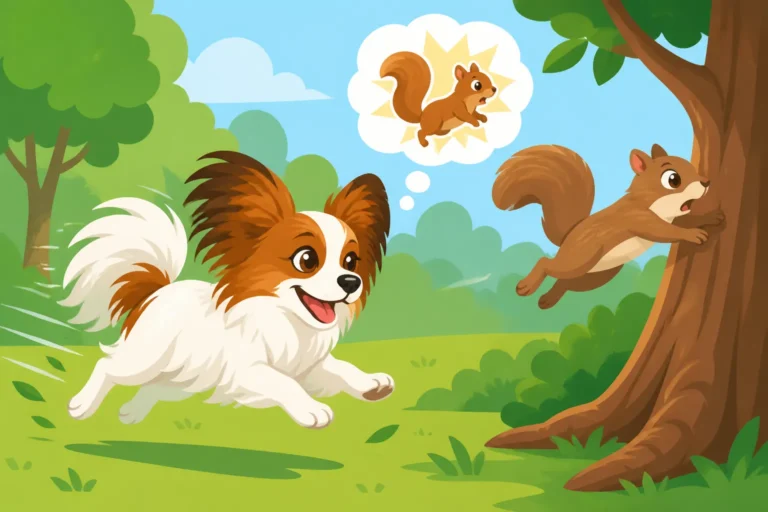
It's also worth noting that not all "other dogs" are equal in a Papillon's eyes. A dog that stares intently, pulls on its own leash, or barks could be a more significant trigger than a calm, neutral dog. Sometimes, it's even about your reaction. If you tense up or pull back on the leash every time you see another dog approaching, your Papillon will pick up on that stress and associate the approaching dog with your anxiety, reinforcing their own reactive response. Furthermore, other animals like squirrels, cats, or even birds can sometimes trigger a Papillon's prey drive, leading to lunging and barking if they can't give chase.
People and Novel Situations
While less common than dog-on-dog reactivity, some Papillons become reactive to certain types of people. This could include strangers, especially those who approach quickly or make sudden movements, children (particularly loud or running ones), or people wearing hats or carrying unusual items. Again, fear is often at the root here. A Papillon who hasn't been properly socialized to a variety of people and situations might find novel encounters alarming. When to Start Training a Papillon Puppy is crucial for ensuring they have positive early experiences.
Think about a Papillon's perspective: a child running and screaming might seem like a giant, unpredictable threat. A person approaching too quickly could be perceived as invasive. The leash prevents them from assessing the situation at their own pace or creating distance if they feel uncomfortable. This can also extend to environmental triggers: noisy vehicles like motorcycles, bicycles whizzing by, skateboards, or even construction sounds. Anything that appears suddenly, makes loud noises, or moves in an unpredictable way can overwhelm a sensitive Papillon, leading to a reactive outburst as a way to signal their distress.
Frustration and Lack of Outlet
Sometimes, reactivity isn't solely about fear; it's about unmet needs or sheer frustration. Papillons are incredibly smart and energetic little dogs. What a Papillon Needs Every Day includes not just physical exercise but also significant mental stimulation. If a Papillon isn't getting enough mental enrichment or physical exercise, that pent-up energy and intelligence can manifest as frustration on the leash. They might be frustrated by not being able to explore, sniff, or interact as much as they'd like.
A Papillon who is constantly held back from investigating interesting smells or greeting other dogs (even if they're friendly) can develop a "leash frustration" type of reactivity. They learn that the leash equals restriction, and that restriction leads to an emotional explosion. This is where positive reinforcement training and providing appropriate outlets for their energy and curiosity become incredibly important. A Papillon that learns "leave it" or "focus" can be redirected from a trigger, rather than spiraling into frustration.
Strategies for Managing and Reducing Leash Reactivity
Dealing with a reactive Papillon can be draining, but there are many effective strategies to manage and reduce these behaviors. It requires consistency, patience, and a positive approach. Remember, your Papillon isn't trying to be "bad"; they're reacting to an overwhelming situation.
Management: Avoiding and Mitigating Triggers
The immediate goal is to prevent your Papillon from practicing reactive behaviors. Every time they react, the behavior gets reinforced. So, the first step is solid management:
- Change Your Walking Routine: Avoid known trigger areas during peak times. If you know certain parks or streets are busy with dogs after 5 PM, walk earlier or later. Explore quieter neighborhoods, industrial areas on weekends, or even large, open fields. The less your Papillon practices reacting, the easier it will be to retrain them.
- Increase Distance: If you spot a trigger before your Papillon does, immediately create more space. Cross the street, turn around, or step behind a parked car. The goal is to keep your Papillon below their "threshold" – the point where they start reacting. If they are already barking and lunging, they are over threshold and cannot learn.
- Utilize Proper Equipment: A front-clip harness can be a game-changer for Papillons. While a regular collar puts pressure on their delicate neck and trachea when they pull, a front-clip harness redirects their forward momentum, making pulling less effective. This gives you more control without causing discomfort. Look for a lightweight harness on Amazon designed for small breeds. You might also consider a longer leash (6-8 feet) in very safe, open areas to give them a bit more freedom to sniff and explore without feeling so restricted, which can reduce frustration. However, in higher-traffic areas, a shorter leash for tighter control is best. What a Harness for a Papillon Costs details the options.
Training: Counter-Conditioning and Desensitization
Management is temporary; training is how you create lasting change. The core of this training involves counter-conditioning (changing your dog's emotional response to a trigger from negative to positive) and desensitization (gradually exposing them to the trigger at a low intensity).
- Identify the Trigger: Pinpoint exactly what makes your Papillon react.
- Find Their Threshold: Determine how close your Papillon can be to a trigger without reacting. This might be across the street, a block away, or even just seeing the trigger from inside a car.
- Positive Association: When your Papillon sees their trigger at a distance below their threshold, immediately give them a high-value treat (something they absolutely adore, like cooked chicken or cheese). Say "yes!" or click, then treat. The moment the trigger disappears, stop treating. The goal is for them to associate the trigger with good things happening.
- Example: You see another dog a block away. Before your Papillon stiffens, say "yes!" and give them five tiny pieces of chicken. The dog passes, you stop. Repeat.
- Gradual Exposure: Slowly, over days and weeks, you can try to decrease the distance to the trigger, always staying below their threshold. If your Papillon starts to react, you've gone too close, too fast. Retreat and try again at a greater distance. This process takes time, and How Many Repetitions a Papillon Needs often varies greatly.
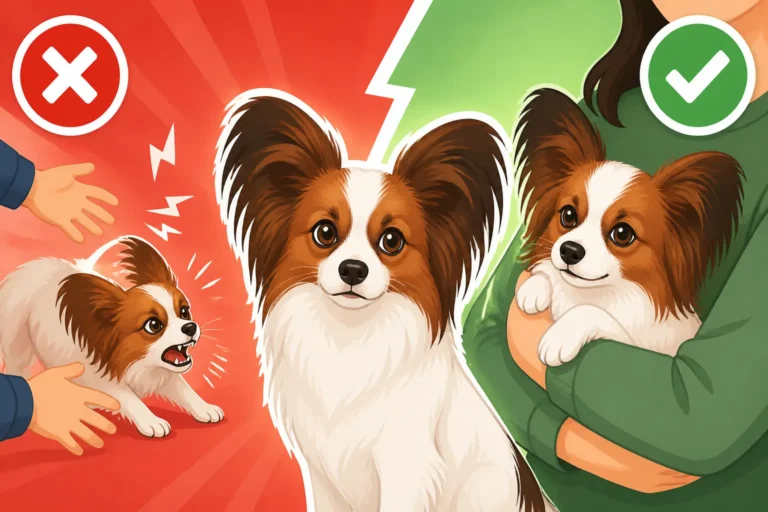
- Focus Cues: Teach your Papillon cues like "watch me" or "look" to get their attention on you, rather than the trigger. Practice this in low-distraction environments first, then gradually introduce distractions. This helps redirect their focus and gives them an alternative behavior to reacting. Why Harsh Correction Fails on a Papillon is particularly true for sensitive Papillons, so always use positive reinforcement.
Seeking Professional Guidance
Sometimes, leash reactivity is too ingrained or severe to tackle alone. Don't feel ashamed to seek professional help. A certified professional dog trainer (CPDT) or a veterinary behaviorist can assess your Papillon's specific situation, identify underlying causes (like anxiety), and develop a tailored training plan. They can also teach you crucial handling skills and observe your technique, offering real-time feedback that makes a huge difference.
Online resources and courses can also be incredibly helpful. Platforms like BAXTER & Bella offer comprehensive online puppy and dog training programs that include segments on reactivity and impulse control. These can provide structured lessons and support from the comfort of your home, allowing you to work at your own pace. Sometimes, having an objective expert guide you through the steps can accelerate progress and boost your confidence.
Preventing Leash Reactivity in Papillon Puppies
The best way to deal with leash reactivity is to prevent it from developing in the first place. For Papillon puppies, building a strong foundation of positive experiences and appropriate socialization is key.
Early and Positive Socialization
This cannot be emphasized enough. From the moment you bring your Papillon puppy home (after they've had their initial vaccinations, of course!), expose them to a wide variety of sights, sounds, people, and appropriate dogs. This isn't just about meeting other dogs; it's about experiencing the world in a positive, controlled way. Take them to safe places where they can observe the world from a distance, rewarding calm behavior. Let them hear city noises, see children playing, experience different surfaces, and meet friendly, calm adult dogs.
Puppy classes are invaluable for this. They offer a safe, supervised environment for puppies to socialize with each other and learn basic manners. Make sure the class focuses on positive reinforcement and is run by a reputable trainer. Think quality over quantity; a few positive interactions are far more valuable than many overwhelming or frightening ones. The Vaccination Schedule a Papillon Puppy Needs is an important consideration to ensure safety during early socialization.
Building Confidence and Trust
A confident Papillon is less likely to be reactive out of fear. You build confidence through consistent, positive training and by being a reliable, calm leader. Teach them basic obedience cues like sit, stay, come, and loose-leash walking from a young age. These cues give them structure and give you tools to redirect their attention when needed. Papillons are incredibly smart; The Papillon Is the Smartest Toy Breed There Is, so they often pick up new concepts quickly. Use positive reinforcement exclusively – treats, praise, and gentle play – to make training a fun, rewarding experience.
Building trust means your Papillon looks to you for guidance and feels safe in your presence. This means avoiding harsh corrections or punishments, which can erode trust and increase anxiety, potentially making reactivity worse. If your Papillon trusts that you will keep them safe, they are less likely to feel the need to react defensively. Spend quality time with them, engaging in games and training sessions. What Mental Work a Papillon Needs is crucial for their well-being and can help prevent frustration-based behaviors.
Creating Positive Leash Experiences
From their very first walks, make the leash a positive experience. Start by letting them drag a lightweight leash around the house, associating it with fun and treats. When you first introduce walks outside, keep them short, positive, and free of overwhelming situations. Focus on rewarding loose-leash walking, sniffing, and calm observation of their surroundings. Carry high-value treats and reward frequently for desired behaviors.
If your Papillon seems nervous, don't force them into situations they're uncomfortable with. Slowly expand their world, ensuring each step is positive. If they're hesitant, allow them to observe from a distance, rewarding their calm curiosity. The goal is for them to see the leash as a tool that leads to adventure and positive experiences, rather than a restriction that leads to stress.
Here's a quick summary of triggers and strategies:
| Trigger Type | Common Papillon Reaction | Management Strategy | Training Strategy |
|---|---|---|---|
| Other Dogs | Barking, lunging, pulling | Avoid dog parks, cross street, turn around quickly | Counter-conditioning with high-value treats at distance, "watch me" cue |
| Strangers/Children | Barking, retreating, growling | Avoid crowded areas, create distance, observe from afar | Positive association with calm people, reward neutrality |
| Moving Objects | Chasing, barking, sudden movements | Walk away from busy roads, use a harness | "Leave it" cue, focus training, rewarding calm observation |
| Novel Environments | Freezing, whining, over-alertness | Introduce new places gradually, short visits | Reward exploration and calm behavior in new settings |
| Frustration | Persistent pulling, whining, vocalizing | Vary walk routes, longer sniff walks in safe areas | Impulse control games, reward calm greetings, appropriate outlets for energy |
Remember, consistency is key. Every walk is an opportunity to reinforce desired behaviors. With patience and the right approach, your Papillon can learn to navigate the world on leash with confidence and joy. Whether a Papillon Suits a First Time Owner often comes down to dedication to training and understanding their specific needs.
Disclaimer
This article is for general informational purposes only and does not constitute professional advice. Laws, prices and regulations vary by location and change over time. Consult a qualified professional for guidance on your specific situation.