Whether a Papillon Suits a First Time Owner
Many prospective dog owners, especially those looking for their first canine companion, often gravitate towards smaller breeds, assuming they'll be "easier" to handle. While a Papillon certainly brings immense joy and charm into a home, believing they are a low-maintenance choice simply due to their size is a common misconception that can lead to unexpected challenges. This guide is designed to provide a realistic, empathetic look at whether a Papillon genuinely suits a first-time owner, diving deep into their unique traits and needs so you can make an informed decision.
The Papillon's Intelligence: A Double-Edged Sword for First-Timers
It's a truth universally acknowledged among Papillon enthusiasts: these little dogs are incredibly smart. They consistently rank high in canine intelligence surveys, often surprising people who only see their delicate appearance. While this intelligence is a huge part of their appeal, it can also present a unique set of challenges for someone new to dog ownership. Their bright minds mean they pick up on things quickly, both the good and the not-so-good.
Quick Learners, Faster to Outsmart You
Papillons are renowned for being incredibly fast learners. You might find your new puppy mastering "sit" and "stay" in just a few short sessions, making you feel like a dog training prodigy. This rapid uptake is certainly gratifying, but it's important to understand that this same intelligence means they are also incredibly adept at learning how to get their own way, or how to work around your rules if you're not consistently clear and firm. A bored Papillon might quickly figure out which items on the coffee table are easy to "borrow" for a game, or how to subtly ignore a command they don't feel like obeying.
For a first-time owner, this can be a revelation. You might expect a small dog to be docile and compliant, only to find yourself living with a miniature mastermind who seems to anticipate your every move. They might learn your routine and use it to their advantage, like knowing exactly when you're distracted by dinner to sneak onto the sofa. Their capacity for problem-solving is remarkable, which is why The Papillon Is the Smartest Toy Breed There Is isn't just a fun fact, it's a daily reality you'll live with. If you're not prepared to stay one step ahead, a Papillon can easily train you instead.
The Need for Mental Stimulation
Given their sharp intellect, Papillons thrive on mental engagement. This isn't a breed that's content to simply nap all day and go for a quick potty break. They need their brains exercised just as much as their bodies. For a first-time owner, this can be a surprising demand. You might think a few toys are enough, but a Papillon truly benefits from consistent mental challenges. This could mean regular short training sessions where you teach new tricks, engaging in dog sports like agility or rally, or even just working through interactive puzzle toys.
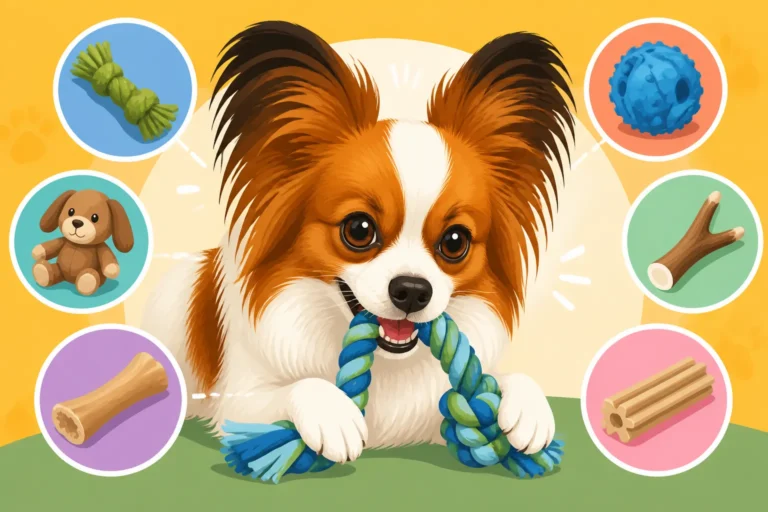
Without adequate mental stimulation, a Papillon can quickly become bored, and a bored Papillon often invents its own entertainment, which might not always align with your household rules. This could manifest as excessive barking, destructive chewing, or even developing neurotic habits. Investing in quality puzzle toys available on platforms like Amazon can be a great starting point. These dogs are like sponges for knowledge, and if you provide them with appropriate outlets for their intelligence, they will reward you with a well-behaved, delightful companion. Neglect their mental needs, however, and you might find yourself with a surprisingly demanding and potentially mischievous little dog.
Training Challenges and Triumphs for the Novice Owner
Every dog needs training, and a Papillon is no exception. While their intelligence can be a huge asset in training, certain aspects can still be tricky for a first-time owner who might be unfamiliar with canine learning processes or the specific quirks of a small breed.
House Training Hurdles in a Small Package
One of the most common frustrations first-time Papillon owners express is regarding house training. It's a stereotype that small dogs are harder to house train, and while it's not strictly true that they're harder to teach, there are factors that can make it seem more challenging. Their tiny bladders mean they need to go more frequently than a large breed puppy. Moreover, a small puddle on the rug is far easier to miss than a large one, especially in a busy household, inadvertently reinforcing accidents inside.
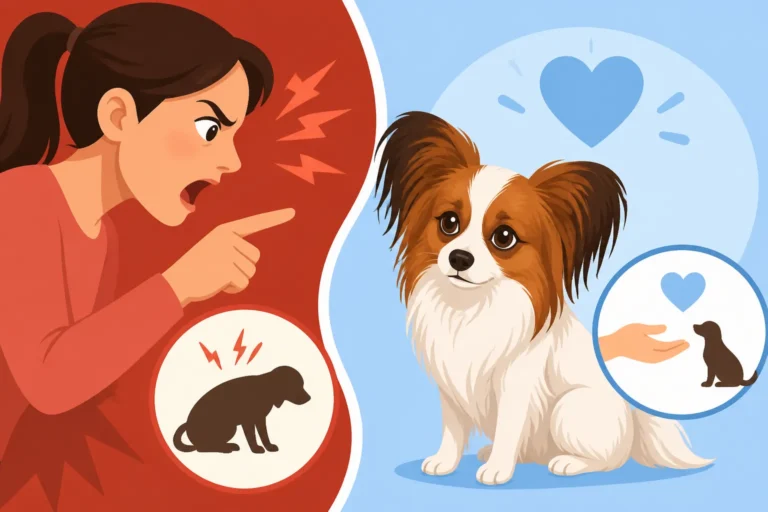
Consistency is absolutely paramount when house training a Papillon, and this can be demanding for a new owner. Frequent, scheduled trips outside (every 30 minutes to an hour for a young puppy, and immediately after waking, eating, or playing) are crucial. Positive reinforcement, celebrating every outdoor success with enthusiastic praise and treats, is far more effective than punishment for indoor accidents. Understanding that How Long House Training a Papillon Takes can vary significantly from dog to dog, and even from puppy to puppy within the same litter, is key to setting realistic expectations and maintaining patience. Resources like online puppy programs from BAXTER & Bella can provide structure and support for navigating these early stages, breaking down the process into manageable steps.
Managing the Bark: A Papillon's Vocal Nature
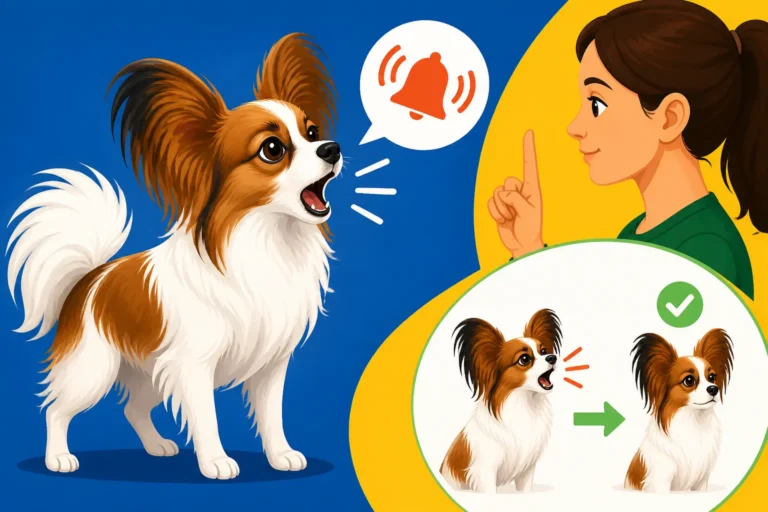
Papillons are often described as excellent watchdogs, and for good reason: they love to bark! While this makes them great for alerting you to visitors or unusual sounds, it can quickly become overwhelming for a first-time owner, particularly if you live in an apartment or have close neighbors. Their barks are sharp, clear, and surprisingly loud for their size, capable of carrying quite a distance.
They bark at everything: the mail carrier, a squirrel outside the window, a leaf blowing past, the doorbell on TV, or even just to express excitement or demand attention. Understanding Why a Papillon Barks So Much is the first step in managing it. They aren't doing it to annoy you; they're communicating. For a first-timer, distinguishing between an alert bark and a nuisance bark can be tough, and knowing how to teach a "quiet" cue takes practice and consistency. Early training is essential to teach them appropriate barking limits. Otherwise, you might find yourself with a tiny canine alarm system that's constantly sounding off, leading to frustration for both you and your Papillon.
Socialization and Temperament: Navigating the Big Wide World
Papillons possess a unique personality that can be both charming and challenging for new owners. Their spirited nature and often fearless demeanor require careful management, especially when interacting with the world around them.
The "Big Dog" Mentality in a Small Body
One of the most endearing, yet potentially problematic, traits of a Papillon is their confident, "big dog" mentality. They genuinely don't seem to realize they are small, often approaching larger dogs with an audacious confidence that can be both admirable and alarming. This fearless attitude is why A Papillon Has No Idea It Is Small is a common saying among owners. While this can make them less prone to being fearful or yappy around bigger dogs than some other toy breeds, it also means a first-time owner needs to be constantly vigilant.
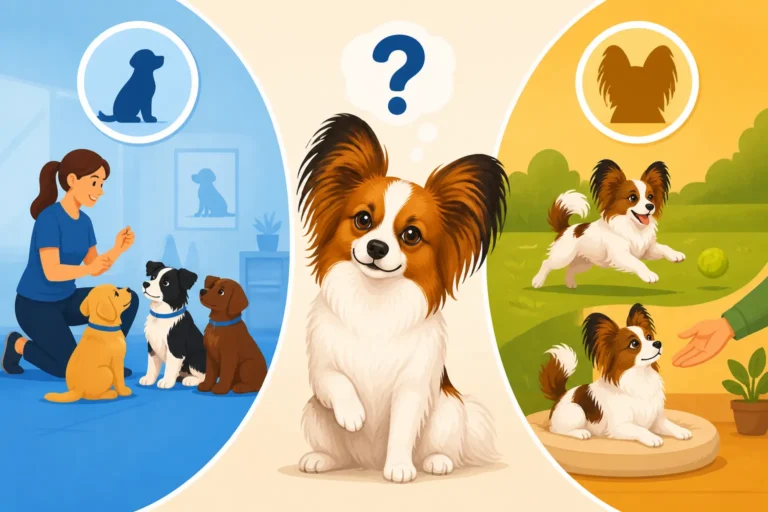
Early and thorough socialization is absolutely critical. A Papillon puppy needs to be exposed to a wide variety of sights, sounds, people, and appropriate dogs of all sizes in a safe, positive manner. This helps them learn good canine manners and understand social cues. Without proper socialization, their innate confidence could turn into fear-based reactivity or, conversely, an overly bold approach that could put them at risk of injury if they challenge a larger, less tolerant dog. A first-time owner must be prepared to advocate for their Papillon, protecting them from unintended harm while still allowing them to explore and interact safely. This means being the responsible adult in every interaction, making sure playtime is appropriate and supervised, rather than letting their bold personality lead them into trouble.
Papillons and the Family Dynamic
Bringing a Papillon into a family home can be a wonderful experience, as they are generally very affectionate and loyal. However, their delicate build and spirited nature mean that special considerations are necessary, especially for first-time owners who might not realize the potential pitfalls. When it comes to children, Papillons typically do well with older, more considerate kids who understand how to interact gently with a small dog. For families with toddlers or very young children, caution is paramount. A Papillon's bones are fine, and a playful but clumsy child could accidentally injure them simply by falling on them or handling them too roughly.
It's vital for a first-time owner to supervise all interactions between a Papillon and children, teaching both the dog and the kids how to behave appropriately. How a Papillon Behaves With Children largely depends on early socialization and consistent guidance. Similarly, when introducing a Papillon to other pets, particularly larger dogs or cats, careful, supervised introductions are key. While many Papillons can coexist peacefully with other animals, their bold nature might tempt them to "boss around" a bigger dog, which could end poorly. Understanding their boundaries and ensuring all interactions are positive and safe is a responsibility a first-time owner must embrace fully.
Health and Lifespan Considerations for a Newbie
One of the great joys of owning a Papillon is their generally robust health and impressive longevity. However, like all breeds, they do have some predispositions that a first-time owner needs to be aware of to ensure their long-term well-being and to budget for potential veterinary costs.
Common Health Concerns and Proactive Care
While Papillons are considered a relatively healthy breed, there are a few conditions that are more prevalent in the breed. One of the most common orthopedic issues is patellar luxation, where the kneecap slips out of place. This can range from mild, intermittent skipping to severe lameness. For a first-time owner, understanding Patellar Luxation Is the Papillon Problem You Will Actually Meet means being observant for signs like skipping steps, particularly after vigorous play, and being prepared for potential veterinary consultations and, in some cases, surgery. Proactive care involves keeping your Papillon at a healthy weight to reduce strain on their joints, and avoiding high-impact activities like jumping from furniture.
Another significant health concern, particularly in small breeds, is dental disease. Papillons have many teeth crowded into a very small jaw, which makes them highly susceptible to plaque and tartar buildup, leading to gum disease, infections, and tooth loss. Neglecting dental care can lead to serious health problems, as bacteria from the mouth can enter the bloodstream and affect organs. This is why The Teeth in a Papillon's Small Jaw require diligent attention. A first-time owner needs to commit to daily tooth brushing, starting from puppyhood, and regular professional dental cleanings under anesthesia, which can be a significant recurring expense over the dog's lifetime. Being prepared for these potential health needs and the associated costs is a critical part of responsible Papillon ownership.
The Long-Term Commitment: A Lifetime of Joy
Perhaps one of the most wonderful aspects of Papillon ownership is their remarkable longevity. It's not uncommon for Papillons to live well into their teens, with many reaching 15 or even 17 years old. This means that bringing a Papillon into your life is a significant, long-term commitment. For a first-time owner, this extended lifespan is a beautiful gift, offering many years of companionship, but it also means planning for senior care. How Long a Papillon Lives is a testament to their vitality, but it also necessitates a commitment to evolving care needs.
As Papillons age, they may develop conditions common to senior dogs, such as arthritis, decreased vision or hearing, or cognitive decline. They might need more frequent vet check-ups, special diets, or ongoing medications. Their exercise tolerance might decrease, and they might need softer bedding or ramps to access furniture they once jumped onto with ease. The joy of having a beloved companion for so many years comes with the responsibility of providing attentive, compassionate care through their golden years. A first-time owner needs to consider if they are truly ready for this deep, lasting commitment, not just for a cute puppy, but for a cherished family member who will be with them for potentially two decades.
Lifestyle Fit: Is Your Life Ready for a Papillon?
Beyond their innate traits and health considerations, how a Papillon fits into your daily life and living situation is a crucial factor for any owner, and especially for a first-timer learning the ropes. Their adaptability is a huge plus, but their specific needs must still be met.
Exercise Needs and Apartment Living
A common misconception about small dogs is that they don't need much exercise. While a Papillon won't require miles of running like a Border Collie, they are far from being couch potatoes. These are active, athletic little dogs with surprising stamina. They absolutely need daily walks, playtime, and opportunities to burn off energy. Ignoring this need can lead to behavioral problems, as pent-up energy often manifests as destructive behavior or excessive barking. What a Papillon Needs Every Day typically includes at least two good walks, along with indoor playtime and mental games.
The good news is that Papillons are highly adaptable to apartment living, provided their exercise and mental stimulation needs are consistently met. A fenced yard is a bonus, but not a necessity, as long as you're committed to leash walks and indoor activities. For a first-time owner in an apartment, this adaptability is a huge benefit, but it requires discipline. You can't skip walks just because you don't have a yard. They thrive on routine and engagement, and if you can provide that, they will be happy companions even in smaller spaces.
Grooming and Maintenance for a Silky Coat
The Papillon's beautiful, flowing coat is one of its most distinctive features, and while it looks high-maintenance, it's often surprisingly easy to care for compared to other long-haired breeds. Unlike many dogs, Papillons have a single coat, meaning no dense undercoat to deal with. This reduces matting and shedding, but it doesn't eliminate the need for grooming entirely. For a first-time owner, understanding the basics of their coat care is essential to prevent tangles and keep them comfortable.
Regular brushing, typically two to three times a week, is necessary to prevent mats, especially in areas with longer feathering like behind the ears, on their "culottes" (back of the thighs), and on their tail plume. Why a Papillon's Long Coat Takes Twenty Minutes a Week is due to this need for consistent, gentle brushing. A pin brush and a metal comb are your best friends here. While they don't require professional grooming for haircuts, occasional baths (monthly or as needed) will keep their silky coat clean and shiny. First-time owners should be prepared to invest time in this routine, as neglecting it can quickly lead to painful mats that may require professional dematting or even shaving, which is neither pleasant nor cheap.
Comparing Papillons for First-Time Owners
To help first-time owners visualize the considerations, here's a quick comparison of the pros and cons of bringing a Papillon into your life:
| Aspect | Pros for First-Time Owner | Cons for First-Time Owner |
|---|---|---|
| Intelligence | Eager to learn, quick to pick up commands, highly trainable. | Can be manipulative if not consistently managed, needs constant mental stimulation to prevent boredom. |
| Size & Adaptability | Ideal for apartment living, portable, fits well into travel. | Delicate bone structure, prone to injury from accidental drops or rough play, needs supervision with young children/large dogs. |
| Training | Excels in obedience and tricks, strong desire to please. | Can be challenging to house train due to small size, prone to excessive barking if not managed early. |
| Grooming | Single coat sheds minimally, relatively easy to brush regularly. | Long fringe requires consistent brushing to prevent mats, ear fringe and culottes need attention. |
| Exercise Needs | Moderate, adaptable to walks and indoor play, not overly demanding. | Still needs daily activity; not a true "lap potato" all day long. |
| Temperament | Affectionate, loyal, bold, good watchdog. | Can be prone to "small dog syndrome" if not socialized, may be vocal. |
| Health & Lifespan | Generally healthy breed, long lifespan (12-17+ years). | Prone to patellar luxation and significant dental issues, requires proactive care and potential vet bills. |
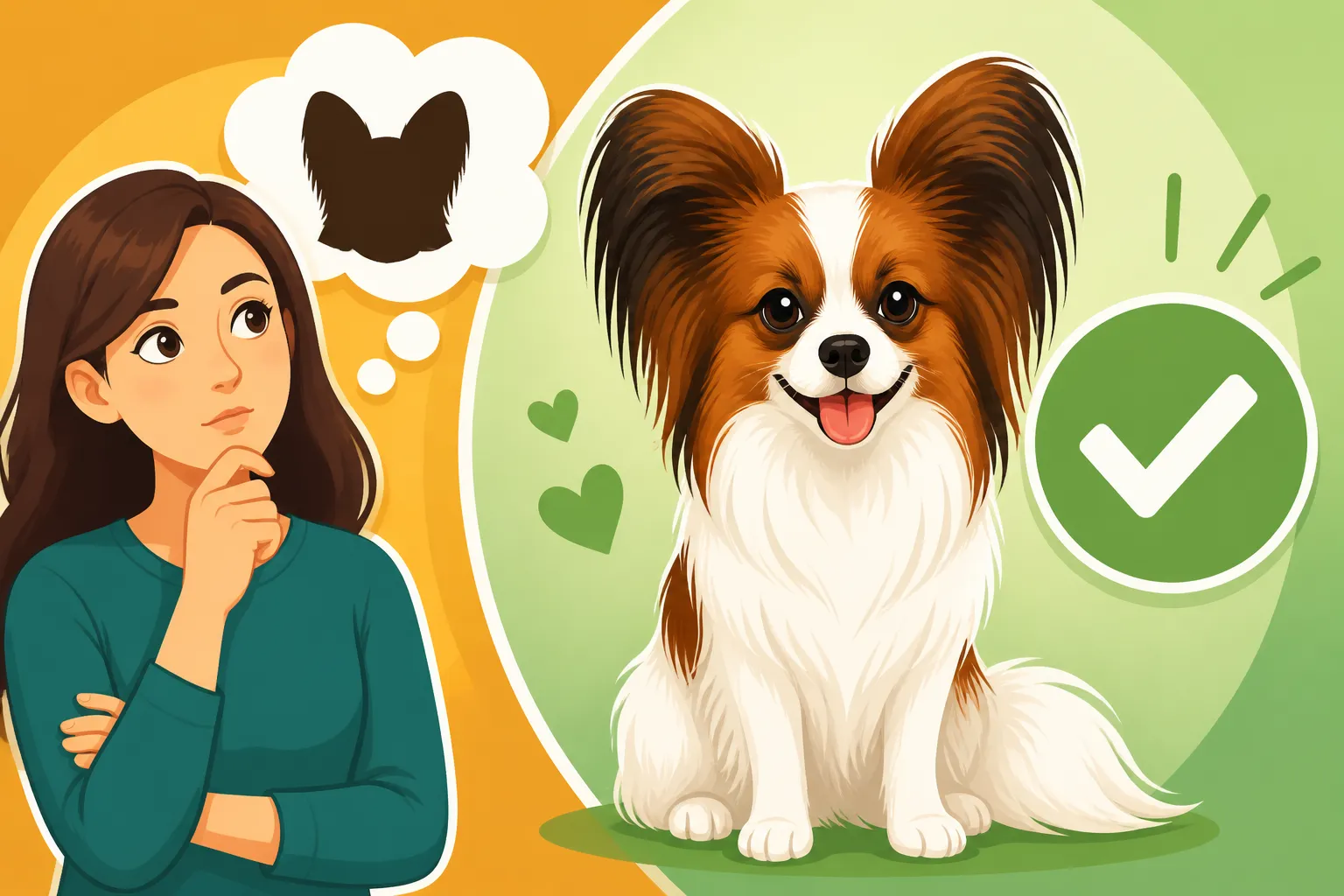
Ultimately, a Papillon can be an absolutely fantastic first dog for the right person. If you're someone who is committed to consistent training, willing to provide ample mental stimulation, prepared for their unique grooming needs, and ready for a long-term, active companionship, then a Papillon might just be your perfect match. They require more than just a lap; they require a dedicated, engaged partner who appreciates their intelligence and spirited personality. If you're looking for an easy, passive pet, a Papillon might surprise you with how much "dog" is packed into their small frame.
Disclaimer
This article is for general informational purposes only and does not constitute professional advice. Laws, prices and regulations vary by location and change over time. Consult a qualified professional for guidance on your specific situation.