Whether a Papillon Suits Close Neighbors
Living in close proximity to others, whether in an apartment, a townhouse, or a home with thin walls, often brings the universal concern of noise. For dog owners, especially those considering a lively and intelligent breed like the Papillon, the question of how their furry companion will fare with close neighbors is paramount. This guide will delve into the Papillon's natural vocal tendencies, explore what can trigger barking, and offer practical, empathetic strategies to ensure your little butterfly dog can coexist peacefully with the humans next door.
Understanding the Papillon's Vocal Nature
It’s easy to look at a dainty Papillon, with its elegant butterfly ears and soft, silky coat, and imagine a perpetually quiet lap dog. While they are certainly affectionate companions, Papillons are also incredibly intelligent and alert, traits that can manifest in a surprising amount of vocalization. They are often described as "big dogs in little bodies," and this extends to their willingness to make their presence known.
Why Papillons Bark
Papillons bark for a multitude of reasons, just like any other dog. However, their sharp intellect and keen senses can amplify these tendencies. Often, they are communicating, expressing emotions, or reacting to their environment. It’s not usually out of malice, but rather a genuine attempt to engage with their world or alert you to something they perceive as important.
Think about it from their perspective: a small dog needs to be extra vigilant. That rustle of leaves outside your window, the distant siren, or the footsteps of a delivery person down the hall are all things they might feel compelled to announce. They're often acting as your personal, pint-sized security system. Some Papillons are naturally more prone to barking than others, a factor that can sometimes be influenced by their individual lineage and early socialization experiences. It’s not just about guarding, though; excitement, boredom, frustration, and even a desire for attention can all trigger a vocal outburst from these clever little dogs. They quickly learn what gets a reaction from you, and sometimes, a bark is simply the most effective way they know to get what they want.
The Types of Papillon Barks
Just as we have different tones of voice, a Papillon employs a whole repertoire of barks, yips, and growls, each with its own nuance. Learning to decipher these can be incredibly helpful in understanding what your dog is trying to tell you. A sharp, rapid series of barks might be an alarm, signaling a perceived intruder (even if it's just the mail carrier). A softer, more prolonged bark could be an invitation to play or a plea for attention.
You might hear a distinct "alert" bark when someone walks by your apartment door, followed by a more excited "hello" bark if it's someone they know. There's the frustrated bark when they can't reach a dropped toy, the playful yip during a game of fetch, and the sometimes whiny bark when they need to go outside or are feeling anxious. What a Papillon Barks At can give you a deeper dive into these specific triggers. Owners living in apartments often become experts at recognizing the subtle differences in their Papillon's vocalizations, allowing them to intervene or respond appropriately before a minor yip escalates into a full-blown barking fit. The context is always key; the same bark can mean different things depending on the situation.
Is Excessive Barking a Breed Trait?
While Papillons are generally considered a vocal breed, classifying excessive barking as an inherent "breed trait" can be misleading. It’s more accurate to say they have the potential to be barkers, given their intelligence, alertness, and spirited nature. However, a well-socialized, properly trained, and adequately stimulated Papillon can absolutely be taught to manage its vocalizations. It’s not an inevitability, but rather a tendency that needs proactive management from day one.
Unlike some breeds that might have deeply ingrained instincts to howl or bay, a Papillon's vocal tendencies are often a result of their environment, training (or lack thereof), and individual personality. If left to their own devices, constantly stimulated by every passing sound and sight without guidance, many Papillons will develop a habit of excessive barking. However, with consistent effort, these bright dogs are highly trainable, and their vocal output can be channeled and reduced. It truly depends more on the individual dog and the owner's commitment to training than on an unchangeable breed characteristic. It’s important to understand this because it empowers you as an owner to make a difference rather than simply accepting constant noise as part of Papillon ownership.
Factors Influencing Papillon Barking
Several factors play a significant role in how vocal a Papillon becomes. Understanding these influences is the first step toward managing barking and ensuring your dog is a good neighbor. It’s a bit like peeling back layers of an onion – often, there’s more to the barking than meets the ear.
Environmental Triggers
Living in close quarters means more exposure to various sounds and sights that can trigger a Papillon's natural alertness. Thin walls in an apartment complex mean every conversation, television show, or slamming door from a neighbor is amplified. Foot traffic in hallways, children playing outside, squirrels darting across the lawn, or even just the mail carrier's routine visit can become a major event for a Papillon. These external stimuli are incredibly potent triggers.
For a Papillon, whose senses are often sharper than ours, these everyday occurrences can be perceived as intrusions or significant events that demand attention. They may feel a strong urge to alert their family to everything they hear or see. If your apartment window overlooks a busy street, for instance, your Papillon is constantly on "alert duty." The key is to recognize what specifically sets your dog off. Is it the sound of other dogs barking in the distance? Is it the garbage truck on Tuesday mornings? Or perhaps it’s the reflection of headlights on the ceiling at night? Pinpointing these environmental triggers is crucial for developing targeted management strategies. How Much a Papillon Barks can often be directly tied to the level of external stimulation they experience daily.
Personality and Socialization
Just like people, every Papillon has a unique personality. Some are naturally more reserved and less reactive, while others are bold, confident, and quick to vocalize their opinions on everything. Early socialization plays a massive role in shaping how a Papillon responds to new situations, sounds, and people. A puppy that was exposed to a wide variety of positive experiences, sounds, and sights during its crucial developmental period is far more likely to be calm and confident, and less prone to alarm barking.
Conversely, a Papillon that had limited exposure or negative experiences as a puppy might be more fearful or anxious, leading to defensive or anxious barking. A Papillon’s sensitivity How Sensitive a Papillon Is can also influence how they react to their surroundings. Some might be more easily startled by sudden noises, while others might be more resilient. Their overall confidence level, whether inherited or developed, significantly impacts their vocal tendencies. A confident Papillon might give one warning bark and then settle, while an insecure one might bark incessantly out of fear or uncertainty. Understanding your dog's individual temperament is vital for tailoring effective training approaches.
Medical or Age-Related Causes
While often overlooked, sometimes excessive barking can stem from underlying medical conditions or changes related to aging. A dog that suddenly starts barking more frequently or at unusual times might be experiencing pain, discomfort, or a decline in cognitive function. Conditions like arthritis can make movement painful, leading to irritability and vocalization, or even make it difficult for them to get to their usual potty spot, causing distress.
For senior Papillons, cognitive dysfunction syndrome, akin to Alzheimer's in humans, can lead to confusion, disorientation, and increased vocalization, particularly at night. Vision or hearing loss can also make an older Papillon more prone to alarm barking, as they might be easily startled by things they can no longer clearly see or hear. If your Papillon's barking habits suddenly change, especially if accompanied by other behavioral shifts, a visit to the veterinarian is always the first step. Rule out any medical causes before assuming it's purely a behavioral issue. It’s about being a responsible pet parent and addressing their well-being holistically.
Strategies for Managing Papillon Vocalizations
Once you understand why your Papillon is barking, you can start to implement effective strategies. It's rarely a quick fix, but with consistency and patience, you can make significant progress in managing their vocalizations, creating a more peaceful home for everyone.
Consistent Training and Desensitization
The cornerstone of managing any unwanted behavior in a Papillon is consistent training. These highly intelligent dogs thrive on routine and clear expectations. Teaching a "quiet" cue is fundamental. Start by identifying a common trigger (e.g., someone at the door). When your Papillon barks, acknowledge the sound, then calmly say "Quiet." Once they stop barking, even for a second, immediately reward them with a high-value treat and praise. Repeat this process every single time. It takes immense dedication, but Papillons are quick learners How Fast a Papillon Learns a New Cue.
Desensitization and counter-conditioning are also powerful tools. If your Papillon barks at every sound from the hallway, you can gradually expose them to these sounds at a low volume, pairing them with positive reinforcement like treats or toys. Over time, the goal is for them to associate those once-alarming sounds with something pleasant, rather than something to bark at. For instance, have a friend walk by your door while you’re inside, and give your Papillon treats as soon as they hear the footsteps, before they even have a chance to bark. Gradually increase the intensity or proximity of the trigger. How to Teach a Papillon a Quiet Cue goes into much greater detail on specific techniques for this. Consistency across all family members is absolutely critical; everyone must use the same commands and rewards.
Enrichment and Exercise
A bored or under-exercised Papillon is often a noisy Papillon. These aren't just pretty lap dogs; they are active, intelligent little creatures that need both physical and mental stimulation every single day. If they don't get appropriate outlets for their energy and brainpower, they will find their own ways to entertain themselves, and barking often becomes a go-to activity. A Papillon that spends its entire day staring out a window with nothing else to do is practically asking to become a neighborhood watchdog.
Ensure your Papillon gets a good amount of exercise. This doesn't mean marathon runs, but consistent walks, playtime in a secure yard, or even indoor games. More importantly, focus on mental enrichment. Puzzle toys that dispense treats, training sessions that teach new tricks, or engaging in scent work can be incredibly tiring for their active minds. What Mental Work a Papillon Needs is often underestimated for this breed. Consider using interactive feeders or playing hide-and-seek with their kibble. A mentally satisfied Papillon is far less likely to resort to barking out of sheer boredom or excess energy. Even a short 10-minute training session can be as tiring as a long walk for a Papillon's quick brain. Regular activity and engagement truly make a world of difference.
Tools and Aids for Barking Management
Beyond training, certain tools and aids can support your efforts in managing barking, especially when you're not actively able to intervene. Crate training can be very helpful, providing your Papillon with a secure, quiet den where they feel safe and less exposed to external triggers. If they bark constantly at the window, closing curtains or using window film can block visual stimuli. For auditory triggers, a white noise machine or calming classical music can help mask external sounds, making the environment less stimulating.
Consider specific products designed to help. For example, some pet supply retailers, including places like Amazon, offer calming diffusers that release pheromones to help reduce anxiety. Puzzle toys and chew items (also easily found on Amazon) can occupy a Papillon's mind and mouth, diverting their attention from barking. For training, a good clicker and a treat pouch are invaluable. Sometimes, products like BAXTER & Bella offer online training resources and communities that can provide guidance and support for specific barking issues, offering techniques and advice from professional trainers that you can implement at home. Remember, these are aids, not replacements for consistent training and addressing the root cause of the barking. They work best in conjunction with a solid training plan.
| Barking Trigger | Common Papillon Behavior | Management Strategy | Tools & Aids |
|---|---|---|---|
| Alert/Territorial | Barking at people/dogs passing by window or door, mail carrier. | "Quiet" command, desensitize to triggers, block views. | Curtains/blinds, window film, white noise machine. |
| Attention-Seeking | Barking at owner for play, food, or to be picked up. | Ignore barking, reward quiet, teach alternative behaviors. | Puzzle toys, designated "quiet time" place, consistent routine. |
| Boredom/Excess Energy | Barking aimlessly, pacing, destructive chewing. | Increase exercise, provide mental stimulation. | Interactive toys, chew items, training sessions, walks. |
| Anxiety/Fear | Trembling, hiding, clinginess, barking at new sounds/people. | Create safe space, desensitize, vet consult if severe. | Crate, calming diffusers, Thundershirt (for storm/noise phobia). |
| Frustration | Barking when unable to reach toy, person, or desired object. | Teach "leave it," redirect, ensure accessible environment. | Leash training, puppy-proofing, secure gates. |
Living Harmoniously with a Papillon in Shared Spaces
Having a Papillon in an apartment or a home with close neighbors doesn't have to be a constant battle against barking. With thoughtful management and proactive steps, you can foster a peaceful environment for everyone. It truly is about being a good neighbor, not just a good dog owner.
Communication with Neighbors
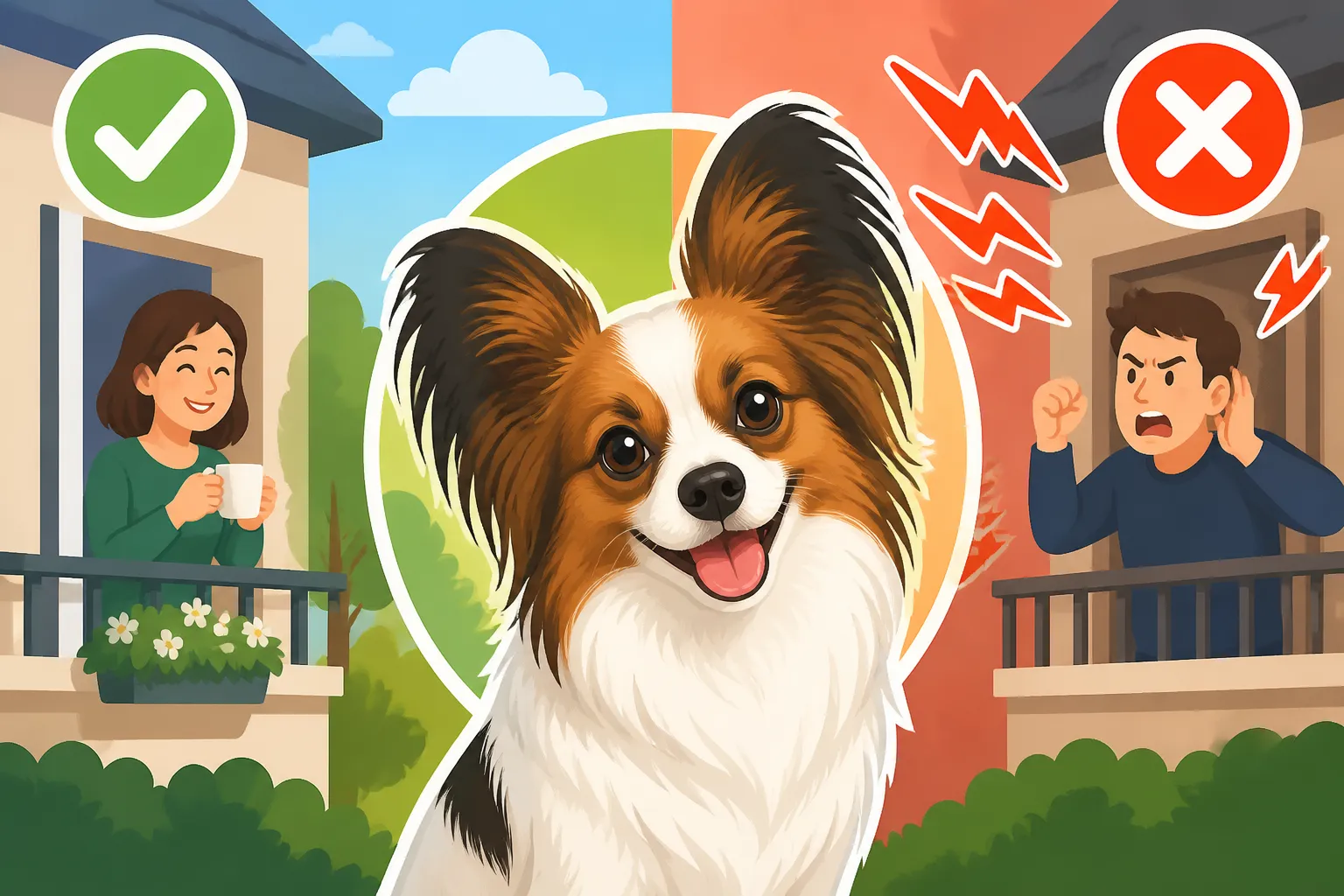
One of the most powerful tools in your arsenal is open and honest communication with your neighbors. Rather than waiting for a complaint, proactively address the potential for barking. Introduce your Papillon to them, let them know you're working on training, and ask them to tell you if the barking becomes disruptive. A simple, "Hey, my Papillon can be a bit vocal sometimes, especially when he sees squirrels. Please let me know if it ever gets too much," can go a long way.
This approach shows respect and a willingness to be a responsible neighbor. They'll be much more understanding if they know you're aware of the issue and actively trying to manage it. You could even ask them about specific times your dog might be vocal when you're not home, which can provide invaluable information for your training efforts. Transparency builds bridges, not walls, and can prevent small annoyances from escalating into bigger conflicts. Remember, most people are more forgiving when they see genuine effort.
Creating a Quiet Zone at Home
Setting up a designated "quiet zone" for your Papillon can be incredibly effective, especially if you live in an apartment where stimulation is high. This should be a calm, comfortable space where your dog can retreat from the hustle and bustle of daily life and external noise. A crate, a cozy dog bed in a quiet corner, or even a small room with reduced visual access to windows can serve this purpose.
The idea is to teach your Papillon that this area is their safe haven, a place for relaxation where barking isn't encouraged. You can use calming music, a white noise machine, or pheromone diffusers in this area. Encourage independent quiet time there, perhaps with a long-lasting chew or a puzzle toy. This not only gives them a break from constant vigilance but also gives you a place to direct them when you need a moment of peace, or when you know a common trigger (like a neighbor's noisy gathering) is about to occur. Regularly encouraging use of this space can significantly reduce overall anxiety and reactive barking. Whether a Papillon Suits an Apartment often comes down to how effectively you can manage their environment.
The Importance of Early Intervention
For Papillon puppies, early intervention is absolutely key. The longer a barking habit is allowed to develop, the harder it becomes to break. Start socializing your puppy early to a wide range of sounds, sights, and experiences. Introduce them to different people, other well-behaved dogs, and various environments in a positive, controlled manner. A well-socialized puppy is more likely to grow into a confident adult, less prone to fear-based or reactive barking.
From day one, establish clear rules about barking. Don't inadvertently reinforce barking by giving attention or treats when your puppy is being noisy. Instead, reward quiet behavior. Teach them a "quiet" cue even before barking becomes an issue. Enroll in puppy classes The First Year With a Papillon Puppy to provide structured learning and socialization. The BAXTER & Bella online puppy program, for instance, provides a step-by-step guide from the comfort of your home, emphasizing early training and confidence building which are crucial for preventing barking issues. Addressing vocal tendencies proactively in puppyhood can save you years of frustration and ensure your Papillon integrates beautifully into any living situation.
When to Seek Professional Help
While many barking issues can be managed with consistent home training, sometimes you hit a wall. Don't feel discouraged or ashamed; some behaviors require a professional eye. Recognizing when to call in reinforcements is a sign of a responsible owner.
Recognizing Problematic Barking
How do you know if your Papillon’s barking has crossed the line from normal vocalization to a genuine problem? One key indicator is the sheer duration and intensity of the barking. If your Papillon barks continuously for extended periods, despite your attempts to redirect or quiet them, or if the barking seems driven by extreme anxiety or aggression, it's a red flag. Another sign is if the barking occurs frequently when you're not home, causing distress to your neighbors or leading to complaints. If your Papillon struggles to settle down after a trigger, or if the barking starts to interfere significantly with your own quality of life or your relationship with your neighbors, it's time to consider external help.
Sometimes, excessive barking can mask deeper issues like separation anxiety Signs a Papillon Has Separation Anxiety, which requires a specialized approach. If your dog exhibits other symptoms like destructive chewing, inappropriate urination/defecation when left alone, or attempts to escape, the barking is likely just one symptom of a larger anxiety problem. Pay attention to context: is the barking always the same, or does it vary in a way that suggests distress? Ignoring these signs can lead to entrenched behaviors that are much harder to modify later.
Consulting a Veterinarian
Before embarking on intensive behavioral training, always consult your veterinarian. As mentioned earlier, medical issues can sometimes be the root cause of sudden or persistent barking. Pain from conditions like dental disease The Teeth in a Papillon's Small Jaw or arthritis, hearing loss, vision impairment, or even cognitive decline in older dogs can all lead to increased vocalization. Your vet can perform a thorough physical examination, run diagnostic tests if necessary, and rule out any underlying health problems.
They can also assess your Papillon for signs of anxiety or fear-related issues that might benefit from medication in conjunction with behavioral modification. In some cases, anxiety-reducing supplements or medications can help reduce your dog’s overall stress levels, making them more receptive to training. Your vet is a crucial partner in diagnosing and addressing any physical contributors to barking, ensuring that you're treating the whole dog, not just the symptom. A healthy dog is often a happier, quieter dog.
Working with a Certified Professional Dog Trainer
If medical issues have been ruled out, or if the problem is clearly behavioral and beyond your current skill set, a certified professional dog trainer or a veterinary behaviorist is your next step. Look for trainers who use positive reinforcement and science-based methods. Avoid anyone who suggests harsh corrections or dominance-based techniques, as these can exacerbate fear and anxiety, leading to even more barking or other behavioral issues in a sensitive breed like the Papillon.
A good trainer will observe your Papillon in your home environment, identify specific triggers, and develop a customized training plan. They can teach you effective techniques for counter-conditioning, desensitization, and impulse control. They can also provide support and guidance as you implement the plan, helping you troubleshoot challenges and celebrate successes. Organizations like the Certification Council for Professional Dog Trainers (CCPDT) or the International Association of Animal Behavior Consultants (IAABC) can help you find qualified professionals in your area. Investing in professional help is an investment in your Papillon’s well-being and your household’s peace of mind.
The Benefits of a Well-Adjusted Papillon in Close Quarters
When you put in the time and effort to manage your Papillon's vocalizations, the rewards are immense. A well-adjusted Papillon isn't just a quiet dog; it's a testament to your dedication and understanding of the breed's needs, leading to a richer life for everyone involved.
A Delightful Companion
A Papillon, when properly trained and socialized, is truly one of the most delightful companions you could ask for. Their intelligence, affectionate nature, and playful spirit shine through when they feel secure and understood. Instead of constantly worrying about barking, you can enjoy their charming antics, their desire to be involved in everything you do, and their unwavering loyalty. These little dogs are incredibly devoted and thrive on interaction with their humans.
Imagine enjoying a quiet evening at home, your Papillon curled up contentedly beside you, rather than jumping at every shadow or sound. A dog that is not constantly stressed by its environment or feeling the need to alert you to every minor occurrence is a dog that can truly relax and enjoy its life with you. This deep bond, built on mutual trust and understanding, is what makes Papillon ownership so incredibly rewarding. They are energetic and playful What a Papillon Does All Day, but can also be calm and cuddly when properly managed.
Community Acceptance
Living in shared spaces requires a certain level of consideration for those around you. When your Papillon is well-behaved and its barking is kept to a minimum, you'll find a much greater level of acceptance from your neighbors. Instead of dirty looks or passive-aggressive notes, you might receive compliments on how well-behaved your dog is. This positive interaction can make your living situation much more pleasant and reduce stress for you.
Neighbors are more likely to be friendly and understanding if they perceive you as a responsible pet owner who is considerate of their peace and quiet. This acceptance can extend to landlords and building management as well, making it easier to secure housing with your beloved companion. A quiet Papillon is a good ambassador for the breed, dispelling the myth that all small dogs are incessantly yappy. It also fosters a sense of community, rather than creating friction.
Personal Peace of Mind
Perhaps one of the greatest benefits of having a Papillon that is well-adjusted to close neighbors is the personal peace of mind it brings you. The constant stress of worrying about your dog barking, apologizing to neighbors, or fearing complaints can be emotionally draining. When you have successfully managed your Papillon's vocalizations, you can relax in your own home, confident that your dog is happy and not disturbing others.
This peace of mind allows you to fully enjoy your Papillon's companionship without that underlying current of anxiety. You can leave for work without a pit in your stomach, knowing your dog is likely relaxing rather than raising a ruckus. It transforms your home into a sanctuary, not a source of stress. The commitment to training and understanding your Papillon not only benefits your dog and your neighbors but profoundly enhances your own daily life.
Disclaimer
This article is for general informational purposes only and does not constitute professional advice. Laws, prices and regulations vary by location and change over time. Consult a qualified professional for guidance on your specific situation.