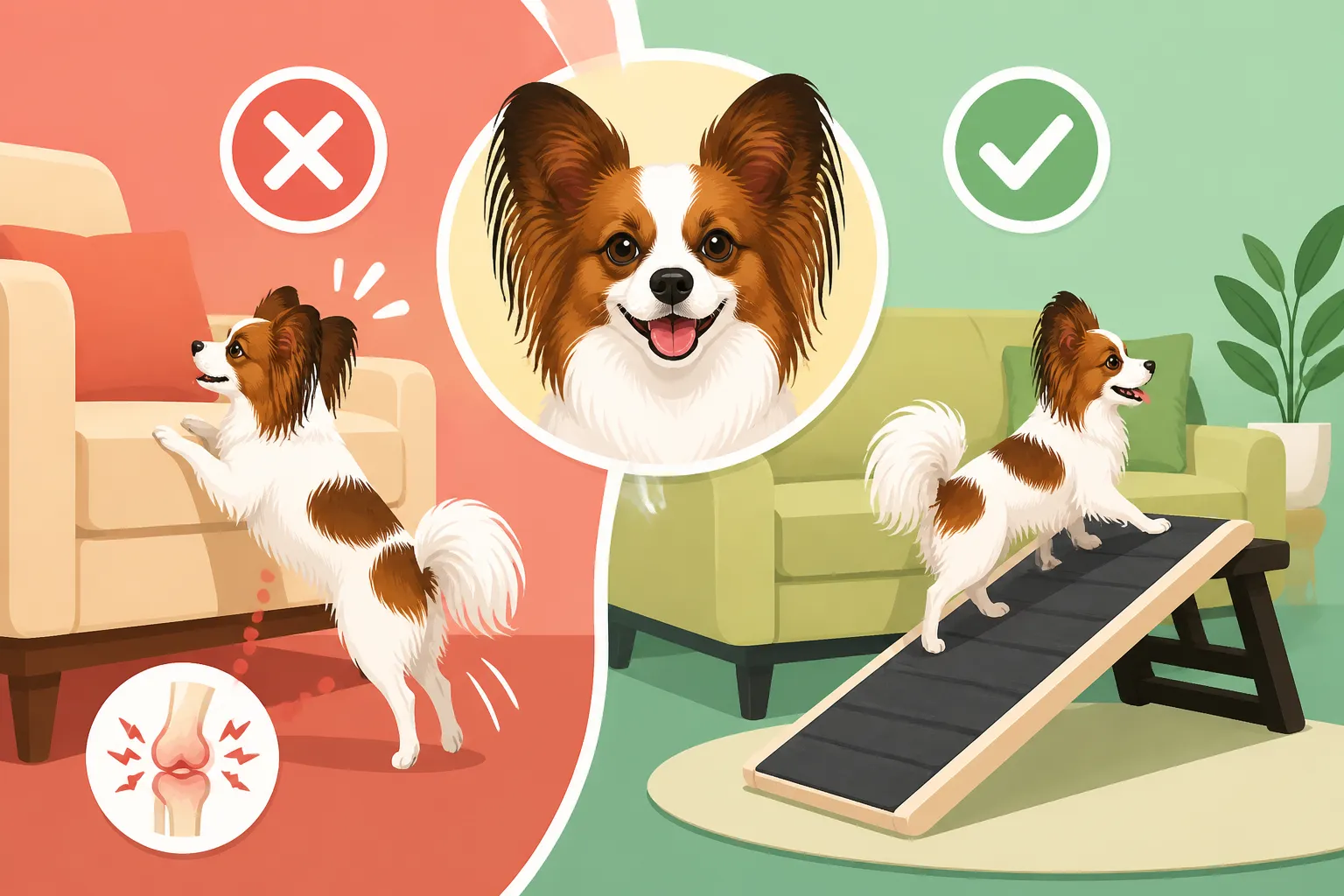
Whether a Papillon Needs Ramps to Furniture
It’s a common sight: your adorable Papillon, with all the confidence of a much larger dog, launching themselves off the sofa or bed as if they have springs in their tiny legs. While their bravado is certainly endearing, as a Papillon owner, that little leap can send a shiver down your spine. We adore these little butterfly-eared companions, but their delicate structure, particularly their knees, makes these everyday aerial maneuvers a real concern. This guide is here to explore whether providing ramps to your furniture is a necessary step in protecting your Papillon's long-term health and well-being, and how to make that decision with confidence.
Understanding the Papillon's Delicate Structure and Joint Health
Papillons are known for their elegant, fine-boned structure and incredible agility. They love to move, jump, and play, often seemingly oblivious to their small size. This fearless attitude is part of their charm, but it also means we, as their guardians, need to be extra vigilant about protecting them from themselves, especially when it comes to their joints.
The Prevalence of Patellar Luxation in Papillons
One of the most significant orthopedic concerns for Papillons is patellar luxation. This condition, often hereditary, means that the kneecap (patella) slips out of its normal groove in the thigh bone (femur). It's not just a minor inconvenience; it can range from a mild slip that pops back into place on its own to a severe dislocation that causes lameness and pain. Imagine walking around with your kneecap constantly trying to escape its proper position – it’s certainly not comfortable.
Because of this predisposition, every jump, every hard landing, and every sudden twist can put undue stress on an already vulnerable joint. Even if your Papillon hasn't been diagnosed with luxating patella, the repetitive strain from jumping off furniture can contribute to the development or worsening of the condition over time. It’s a silent stressor that builds up, making those seemingly innocuous leaps a bigger risk than they appear. Patellar Luxation Is the Papillon Problem You Will Actually Meet delves deeper into what this condition entails.
How Jumping Affects Their Knees and Spine
When a Papillon jumps down from a sofa or bed, even a seemingly low one, the impact force on their small joints can be surprisingly high. Gravity, coupled with their body weight, creates a sudden jolt that travels up their legs. This impact isn't just felt in the knees; it can also affect their hips and, perhaps most critically, their delicate spines. Think of it like a human repeatedly jumping off a table onto hard ground; eventually, something is going to ache or even break.
Over time, this repeated concussive force can lead to or exacerbate conditions beyond patellar luxation. Arthritis can develop prematurely in stressed joints. For dogs with existing back issues or even those prone to intervertebral disc disease (IVDD) – though less common in Papillons than some other long-backed breeds, it's not impossible – the jarring motion can be particularly damaging. Protecting their joints isn't just about preventing a single injury; it's about preserving their overall skeletal health for a long, active life. What Patellar Luxation Does to a Papillon offers more details on the specific impact on the knee.
The Hidden Dangers of Everyday Furniture Jumps
It's easy to dismiss a Papillon's jump from the couch as just "what dogs do." After all, they're agile, aren't they? But that seemingly harmless daily routine is often where the most insidious damage occurs. These repetitive, low-level traumas can accumulate, leading to chronic issues that might only surface much later in life, leaving owners wondering where they went wrong.
The Cumulative Effect of Repeated Impact
One jump might not cause a catastrophic injury, but what about ten jumps a day, every day, for years? The cumulative effect of these small impacts is akin to tiny micro-traumas on their joints and soft tissues. Each landing sends a shockwave through their body, stressing ligaments, cartilage, and bones. Over months and years, this constant wear and tear can degrade joint health, making them more susceptible to injury and conditions like arthritis.
It’s a slow, silent process. You might not see immediate limping or hear a yelp, but beneath the surface, the joint is working harder than it should, trying to absorb those impacts. This is especially true for Papillons, who are already at a genetic disadvantage with conditions like patellar luxation. Preventing these cumulative impacts is key to ensuring their comfort and mobility as they age.
The Mechanics of a Bad Landing
Even a perfect jump can exert stress, but what happens when a landing isn't quite perfect? Perhaps your Papillon misjudges the distance, slips on a smooth floor, or lands awkwardly on one leg. These "bad landings" can have immediate and severe consequences. A knee can twist, a patella can fully dislocate, or a small bone can be fractured. The sudden, uncontrolled motion adds an additional layer of risk to an already risky activity.
Consider a small dog like a Papillon landing on hardwood floors from even a moderate height. The lack of friction means their paws might splay slightly, forcing their legs into unnatural angles to absorb the shock. This momentary loss of control is precisely when injuries are most likely to occur. It's not about them being clumsy; it's about the physics of a small, lightweight body hitting a hard surface with too much force.
When Surgery Becomes Necessary
The unfortunate reality for some Papillons is that repeated jumping, especially with underlying predispositions, can lead to injuries requiring surgical intervention. A severely luxated patella, for instance, might need surgery to deepen the groove in the femur or realign the quadriceps muscle to prevent future dislocations. This is not a minor procedure; it involves anesthesia, a hospital stay, significant recovery time, and, of course, a substantial financial commitment.
Imagine your lively Papillon confined to restricted movement for weeks or even months, undergoing physical therapy. It's heartbreaking to see them in pain or unable to enjoy their usual playful activities. Whether a Papillon Needs Knee Surgery explores these options and the recovery process. The goal of ramps is to prevent reaching this point, saving both your beloved pet from discomfort and you from the stress and expense of major surgery.
The Clear Benefits of Ramps and Steps
So, if jumping is such a concern, what's the solution? For many Papillon owners, ramps and steps offer a practical, humane, and preventative answer. These tools are more than just accessories; they are investments in your dog's long-term health and your peace of mind.
Protecting Vulnerable Joints
The primary benefit of ramps and steps is the direct protection they offer to your Papillon's joints. By providing a gentle incline or manageable steps, you eliminate the high-impact landings that wreak havoc on knees, hips, and spines. This greatly reduces the stress and strain, minimizing the risk of patellar luxation, exacerbating existing conditions, and delaying the onset of age-related arthritis.
Think of it as giving your dog a safe path to their favorite high places. Instead of free-falling, they are able to ascend and descend with control, distributing their weight evenly and avoiding sudden shocks to their skeletal system. This proactive approach can lead to a significantly healthier, more comfortable life for your Papillon, allowing them to remain active and pain-free well into their senior years. Whether Ramps Help a Papillon's Knees offers further perspective on this benefit.
Preventing Accidents and Injuries
Beyond chronic wear and tear, ramps and steps are invaluable for preventing acute injuries. A momentary slip, a misjudgment of distance, or an unexpected bump from another pet or person can turn a simple jump into a severe accident. A ramp or set of steps removes much of this unpredictability.
Consider a scenario where your Papillon gets startled while on the bed and tries to jump down quickly. Without a ramp, that hasty exit could easily result in a sprain, dislocation, or even a fracture, especially if they land awkwardly. With a ramp, they have a designated, stable pathway to safety. This is particularly important if you have young children or other pets who might inadvertently interfere with your Papillon's landing zone.
Promoting Long-Term Mobility and Comfort
Investing in ramps now can pay dividends in your Papillon's later years. By preserving joint health early on, you're setting them up for greater mobility and comfort as they age. An older Papillon with healthy, strong joints will be much more capable of enjoying walks, playing, and maintaining their independence than one suffering from chronic pain or severe arthritis.
Imagine your senior Papillon, still able to get onto their favorite spot on the sofa to cuddle, thanks to the ramp you provided years ago. This isn't just about physical health; it's about their quality of life and their emotional well-being. A dog free from chronic pain is a happier dog, more engaged with their family and surroundings. Caring for an Aging Papillon emphasizes the importance of these preventative measures as your dog grows older.
Choosing the Right Ascent: Ramps, Steps, and Materials
Once you've decided that ramps or steps are the way to go, the next hurdle is figuring out which kind is best for your unique Papillon and your home. There's a surprising variety out there, and what works for one dog or owner might not be ideal for another.
Ramps Versus Steps: Which Is Best for a Papillon?
The choice between a ramp and a set of steps often comes down to personal preference for both you and your dog, as well as the specific piece of furniture.
- Ramps: Offer a continuous, gentle incline, which is often considered the safest option for joint protection as it eliminates any sudden impact entirely. They are generally easier for dogs to learn to use, as it's a simple walk up or down. However, ramps tend to take up more floor space, extending further from the furniture. For a long sofa, a ramp can be very effective, but for a smaller armchair, it might feel cumbersome.
- Steps: Provide discrete, individual platforms. Some dogs naturally prefer steps, as they are used to navigating stairs in a home. Steps take up less floor space than ramps, making them a good option for tighter areas. The trade-off is that each step still involves a small impact, although significantly less than jumping from the full height of the furniture. When choosing steps, look for those with a shallow rise and a deep tread to ensure your Papillon has plenty of room for their whole paw on each step.
Here's a quick comparison:
| Feature | Ramps | Steps |
|---|---|---|
| Angle/Incline | Gentle, continuous slope | Individual platforms, stair-like |
| Joint Impact | Minimal, smooth transition | Small, repeated impacts |
| Space Required | Typically more floor space needed | More compact, less floor space |
| Ease of Use | Often easier for dogs to learn | Some dogs prefer, can be trickier if steps are too high |
| Ideal For | Beds, long sofas, very joint-sensitive dogs | Armchairs, tighter spaces, dogs who prefer defined steps |
Ultimately, observing your Papillon's natural movement and comfort levels with each option, if possible, can help you decide.
Material Matters: Wood, Foam, or Plastic?
The material of the ramp or steps is important for durability, stability, and aesthetics.
- Wood: Wooden ramps and steps are often the most durable and can look quite elegant, blending in with existing furniture. They are sturdy and less likely to wobble, which is crucial for a small dog's confidence. However, they can be heavier and harder to move. Look for models with carpeted or textured surfaces to provide good grip.
- Foam: High-density foam steps are lightweight, soft, and easy to move around. They are very gentle on joints if a dog missteps, and they won't scratch floors. The main consideration here is stability; ensure the foam is firm enough not to compress too much under your Papillon's weight and that it has a non-slip bottom. They're often covered in removable, washable fabric, which is a big plus for cleanliness.
- Plastic: Plastic options are typically very lightweight and often more affordable. They can be easy to clean, but like foam, you need to ensure they are stable and don't slide on your floor. Texturing or rubberized treads are essential to prevent slipping. Some plastic ramps are collapsible, making them great for travel.
For Papillons, stability and traction are paramount regardless of the material. A wobbly ramp or slippery steps will deter them from using it and could even lead to an accident. Many reputable pet supply retailers like Chewy and Amazon offer a wide range of options in all these materials, so you can read reviews and compare features.
Sizing and Placement Considerations
The height and length of the ramp or steps are critical for your Papillon's comfort and safety.
- Height: The top of the ramp or steps should align as closely as possible with the height of the furniture it's intended for. You don't want a gap or a sudden drop at the top, as this defeats the purpose of gradual ascent.
- Length/Rise: For ramps, a longer ramp means a gentler incline, which is always preferable for small dogs and joint health. A general rule of thumb is that the ramp should be at least twice as long as the furniture is high to achieve a comfortable slope. For steps, the individual step height should be low enough for your Papillon to comfortably ascend without straining, usually no more than 4-6 inches per step, with a good deep tread.
- Placement: Place the ramp or steps in a clear, well-lit area where your Papillon can easily access it without navigating obstacles. If your dog has a favorite spot on the sofa, angle the ramp directly to that area. Ensure the base is stable and doesn't rock or slide on your flooring. Using non-slip pads underneath the ramp or steps is a good idea, especially on hard surfaces.
Remember, the goal is to make using the ramp or steps as effortless and inviting as possible for your little dog.
Training Your Papillon to Use Ramps
You've picked out the perfect ramp or set of steps, brought it home, and set it up. Now comes the crucial part: getting your clever, but sometimes stubborn, Papillon to actually use it. Don't worry, with a little patience and positive reinforcement, most Papillons will take to their new ascent aid with enthusiasm.
Making the Ramp an Inviting Space
The first step is to make the ramp or steps seem like a fun, safe, and rewarding place to be. Start by placing it in an area where your Papillon already feels comfortable, even if it's not immediately next to the furniture. Let them sniff it, explore it, and get used to its presence. Avoid forcing them onto it or rushing the process.
You can make it more appealing by:
- Treat Trails: Lay a trail of small, high-value treats up and down the ramp. Papillons are generally very food motivated, and a tasty incentive can work wonders. Brands like Zuke's Mini Naturals or even bits of cooked chicken work well for this.
- Favorite Toys: Place their favorite toy at the top or bottom of the ramp to encourage them to interact with it.
- Scent Familiarity: If the ramp has a removable cover, try putting a familiar blanket or their bed on it to transfer their scent and make it feel like "theirs."
- Positive Association: Whenever they even look at the ramp, offer praise and a treat. We want them to associate the ramp with good things.
Remember, patience is key. Your Papillon needs time to understand what this new object is and how it benefits them.
Step-by-Step Training Techniques
Once your Papillon is comfortable being around the ramp, you can start guiding them to use it.
- Introduce One End First: Start by luring them with a treat to walk just onto the bottom step or the very end of the ramp. As soon as a paw touches it, offer lavish praise and the treat. Repeat this several times until they are happy to put their front paws on it.
- Gradual Progress: Slowly extend the treat trail further up the ramp or onto the next step. Continue to use high-value treats and enthusiastic praise for every tiny bit of progress. Don't push them too fast. If they show hesitation, go back a step and reinforce.
- Lure All the Way Up/Down: Once they are confidently walking a few steps, try luring them all the way to the top. Have a big reward waiting for them there. Then, practice coming down the ramp the same way. Coming down can sometimes be more challenging as the incline feels steeper.
- Practice Consistently: Short, frequent training sessions (5-10 minutes) are more effective than one long, overwhelming session. Practice several times a day until using the ramp becomes second nature.
- Proofing: Once they're reliably using the ramp, start reducing the frequency of treats, replacing them with praise. Occasionally reward them unexpectedly to keep them motivated. You can also practice using the ramp when you're going to bed or when they want to get on the sofa, so they associate it with their desired outcome.
Consistency and positive reinforcement are your best friends here. Never scold them for not using the ramp; simply guide them gently with treats and praise.
Addressing Reluctance and Fear
Some Papillons might be more hesitant than others. If your dog is showing fear or strong reluctance, don't get frustrated.
- Check Stability: First, double-check that the ramp or steps are absolutely stable and don't wobble or slide. A wobbly surface is terrifying for a small dog. Ensure there's enough traction too.
- Lower the Stakes: If the ramp is currently leading to a high bed, try placing it against a lower piece of furniture or even just flat on the floor initially, with one end slightly elevated. This reduces the intimidation factor.
- Build Confidence Elsewhere: Work on confidence-building exercises away from the ramp. Teach them a solid "up" or "climb" cue on a low, sturdy object they're not afraid of, then transfer that confidence to the ramp.
- Your Presence: Sit on the floor next to the ramp, offering calm encouragement. Sometimes, your reassuring presence is all they need. You can even walk alongside them, gently guiding them with your hand on their body, always paired with treats and praise.
Remember, a positive experience is paramount. Your goal is for them to see the ramp not as a scary obstacle, but as a helpful tool that gets them to where they want to be.
Alternatives and Complementary Strategies for Joint Health
While ramps and steps are fantastic tools for protecting your Papillon's joints, they are just one piece of the puzzle. A holistic approach to joint health involves several complementary strategies that can further reduce risk and promote a long, comfortable life for your beloved butterfly dog.
Weight Management and Nutrition
Keeping your Papillon at a healthy weight is one of the single most impactful things you can do for their joint health. Even a few extra ounces can put undue strain on their tiny knees and hips, worsening conditions like patellar luxation or accelerating the development of arthritis. Regular veterinary check-ups are important to monitor their weight and body condition.
When it comes to nutrition, consider dog foods specifically formulated for joint support, which often contain ingredients like glucosamine and chondroitin. While these supplements are not a cure-all, they can support cartilage health. Some dog food brands, including those offering fresh, human-grade food like Ollie, often focus on high-quality ingredients that can contribute to overall health, including joint support, though always consult your vet before making significant dietary changes. Discussing your Papillon’s specific nutritional needs with your veterinarian is crucial, especially if they have pre-existing joint issues. Why a Papillon's Long Life Raises Its Lifetime Cost touches on how these long-term care decisions impact finances.
Smart Exercise and Play Habits
Exercise is vital for maintaining muscle strength and flexibility, which in turn supports joint stability. However, how your Papillon exercises matters greatly. Avoid high-impact activities like repeated ball chasing with sharp turns, or long sessions of jumping up and down from heights. Instead, focus on controlled, low-impact exercise.
- Leashed Walks: Regular, moderate-length walks on varied surfaces (grass, dirt trails) are excellent for muscle development and cardiovascular health without excessive joint strain.
- Puzzle Toys and Mental Stimulation: These activities keep your Papillon engaged and happy without putting physical stress on their body.
- Supervised Play: Allow them to play with other small, gentle dogs, but always supervise to prevent roughhousing that could lead to injury. Avoid dog parks where interaction with much larger, boisterous dogs could be dangerous.
- Canine Physical Therapy: For dogs with diagnosed joint issues, a certified canine rehabilitation therapist can recommend specific exercises to strengthen supporting muscles and improve range of motion.
Whether a Papillon Should Be Stopped From Jumping Off Furniture provides additional insights into managing their activity levels safely.
Home Environment Modifications Beyond Ramps
Beyond ramps, there are other small changes you can make to your home to create a safer, joint-friendly environment for your Papillon.
- Non-Slip Flooring: Hardwood, tile, and laminate floors can be slippery, making it easy for Papillons to splay out and strain their joints. Place runners, area rugs, or anti-slip mats in high-traffic areas and wherever your Papillon frequently stands, walks, or plays.
- Elevated Food and Water Bowls: For some dogs, particularly those with neck or back issues, elevated bowls can reduce strain while eating or drinking.
- Comfortable Beds: Ensure your Papillon has several comfortable, supportive beds around the house, especially orthopedic beds for older dogs. These provide proper support for their joints and can alleviate pressure points.
- Safe Handling: Always support their body when picking them up and putting them down, ensuring they feel secure. Never let children or unfamiliar guests pick up your Papillon without proper instruction and supervision.
These simple modifications, combined with ramps and a focus on overall health, create a comprehensive strategy for keeping your Papillon's joints healthy and strong throughout their long, happy life.
Disclaimer
This article is for general informational purposes only and does not constitute professional advice. Laws, prices and regulations vary by location and change over time. Consult a qualified professional for guidance on your specific situation.