Where a Papillon Chooses to Sleep
One of the most charming, and sometimes puzzling, aspects of living with a Papillon is figuring out their sleep preferences. You might find yourself wondering why your tiny companion insists on burrowing under every blanket in the house or has a rotating roster of "favorite" spots. It's not just a cute quirk; understanding where and how your Papillon prefers to sleep can give you incredible insight into their comfort, security, and even their bond with you, and this guide will explore all those cozy corners.
Understanding Your Papillon's Natural Instincts for Sleep
Papillons, despite their delicate appearance, are robust little dogs with a strong sense of self-preservation and comfort. Their sleep habits are deeply rooted in their instincts, even if those instincts are now played out on your plush sofa rather than in a den. Observing these natural tendencies helps us create the best environment for them.
The Pack Mentality and Proximity Seeking
At their core, Papillons are pack animals, and for most house dogs, their human family is their pack. This means they often seek to sleep near their pack members for safety, warmth, and reassurance. It's not uncommon for a Papillon to try and get as close to you as physically possible, whether that's on your lap while you're watching TV, at the foot of your bed, or even tucked right up against your side. This isn't just about being spoiled; it’s a profound manifestation of their need for connection and security. They feel safest when they know you’re there.
Think about it from their perspective: in the wild, sleeping alone would make them vulnerable. While your living room is far from the wild, that ancestral programming still whispers. If your Papillon is constantly shifting to be within arm's reach, or if they nudge their way under your covers, they’re simply fulfilling that deep-seated need to be part of the group, especially during their most vulnerable state—sleep. This strong bond is one of the reasons many Papillon owners find it hard to resist letting them sleep exactly where they please.
Security and Comfort in Their Chosen Spot
Beyond proximity to their pack, a Papillon's choice of sleep spot is heavily influenced by a desire for security and comfort. This often translates to finding small, enclosed spaces that make them feel safe, like a miniature den. Under a coffee table draped with a blanket, tucked between sofa cushions, or even inside a laundry basket can become prime real estate for a quick nap. These spots offer a sense of protection from perceived threats and help them regulate their body temperature, an important consideration for a small dog.
They’re also incredibly adept at finding the softest, warmest spots available. A pile of freshly laundered clothes, a sunbeam hitting a particular rug, or your favorite cashmere throw can all become irresistible. It's not just about the softness; it's about the feeling of being cocooned and protected. This drive for comfort means they're often quite particular, and you'll quickly learn their preferred textures and temperatures for a truly satisfying snooze. Whether a Papillon Burrows Under Blankets is a common observation for good reason – it’s instinct.
Observing Their Preferred Resting Places
To truly understand where your Papillon chooses to sleep, you need to become a keen observer of their daily routines. Pay attention to not just where they settle for the night, but also their various nap spots throughout the day. Do they always gravitate to the same armchair for their afternoon snooze? Do they have a "spot" in the kitchen while you're cooking? These daytime choices often reveal patterns that inform their ultimate nighttime preferences.
For instance, if your Papillon frequently naps in a sunny spot on the floor, it tells you they enjoy warmth. If they always choose a corner that's tucked away, it speaks to their need for security. By noting these consistent behaviors, you can proactively set up comfortable, secure, and warm spaces for them, rather than letting them constantly search. This observation is key to fostering a happy pup and preventing them from resorting to less ideal sleeping arrangements, like perhaps chewing on something they shouldn't while trying to get comfy. What a Papillon Does All Day often involves a lot of tactical napping!
Common Papillon Sleep Locations Around the House
Papillons are not one-spot wonders when it comes to sleeping. They’re often quite adaptable and will take advantage of various locations, each offering its own unique appeal. From the lap of luxury to a quiet corner, their choices tell a story about their comfort levels and bond with their humans.
The Allure of the Human Bed
For many Papillons, the ultimate sleeping destination is undeniably the human bed. There's something utterly irresistible about sleeping alongside their favorite people, enveloped in their scent and warmth. It fulfills their pack instinct, provides maximum security, and let's be honest, it's often the most comfortable spot in the house. You might find them snuggled right up against you, a tiny furry hot water bottle, or perhaps curled up in a neat little donut on a pillow that smells just like you.
However, sleeping in the human bed isn't always a straightforward arrangement. Their small size means they can get lost under covers or accidentally jostled. Some owners worry about cleanliness, or about their own sleep being disturbed by a restless little dog. But for many, the trade-off is worth it for the sheer joy and bond it creates. If you do allow them on the bed, consider placing a dedicated dog blanket or small bed on your bed itself, creating a defined 'zone' for them. It helps keep things a little cleaner and gives them a consistent spot within your space.
Cozy Crates and Designated Dog Beds
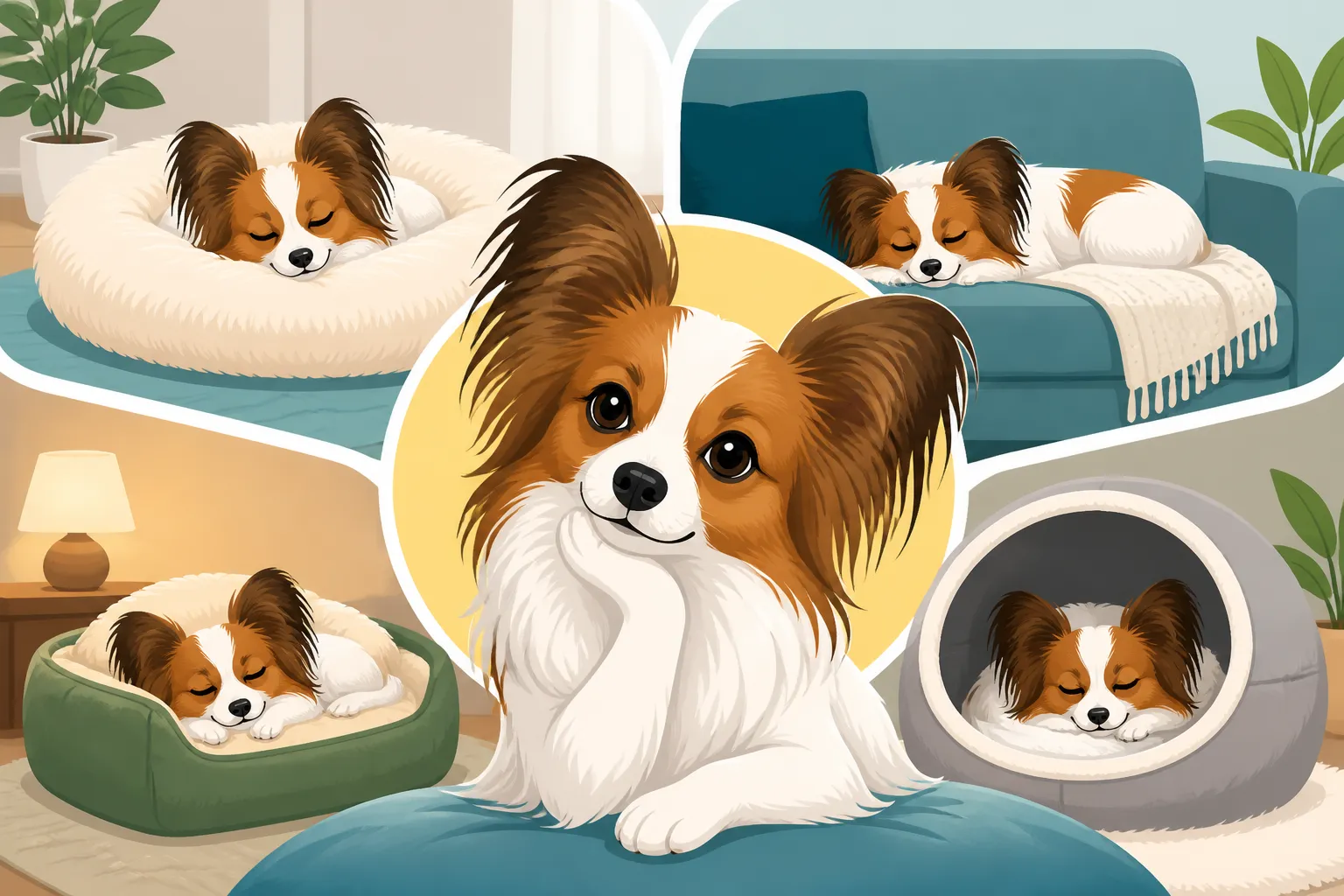
While the human bed might be prime real estate, many Papillons also thrive with a designated dog bed or crate that is truly theirs. A comfortable dog bed, perhaps one purchased from Amazon with raised sides for extra snuggle factor, can become a safe haven. It's a place where they know they won't be disturbed, a consistent spot for quiet time and sleep. These beds come in all shapes and sizes, from plush donuts to orthopedic foam, catering to a Papillon's love for softness.
Crates, often initially used for house training, can also become beloved dens for a Papillon. The key is to make it a positive space, not a punishment zone. Crating a Papillon Overnight is a common practice that provides structure and security. A soft bed inside, perhaps a familiar blanket, and a quiet location can transform a crate into a personal sanctuary where they feel safe and enclosed. This is especially important for puppies learning routines, but even adult Papillons can appreciate having a private, secure den to retreat to whenever they need undisturbed rest.
Unexpected Nooks and Sun Puddles
Beyond the obvious choices, Papillons are masters of finding creative and sometimes surprising sleep spots. They have an uncanny ability to sniff out the most comfortable, warmest, or most secure nooks and crannies in your home. This might mean a sun-drenched patch on the carpet where they absorb every last ray, or a dark, quiet space under a piece of furniture, like a coffee table with a low clearance, mimicking a small den.
You might find them curled up on a stack of clean towels in the linen closet, or even nestled amongst your shoes in the closet – anywhere that offers a sense of enclosure and a familiar scent. These spots are usually chosen for their temporary comfort and security, often for a quick nap rather than a full night's sleep. It just goes to show how resourceful these little dogs are in making themselves perfectly at home, no matter how unconventional the spot might seem to us!
Creating an Ideal Sleep Environment for Your Papillon
Ensuring your Papillon has a truly ideal sleep environment goes beyond just throwing a blanket on the floor. It involves thoughtful consideration of their comfort, safety, and natural preferences. A well-designed sleep space contributes significantly to their overall well-being and happiness.
Providing Options for Different Moods
Just like us, Papillons have different moods and needs throughout the day and night. Sometimes they want to be right in the thick of things, napping lightly while keeping an eye on the family action. Other times, they need deep, undisturbed sleep in a quiet, secluded spot. Therefore, providing a variety of sleep options can be incredibly beneficial.
Consider having a few different designated spots: a plush bed in the main living area for daytime naps, a sturdy crate in a quieter room for nighttime or when you need them to be safely contained, and perhaps a smaller, portable bed that can be moved to wherever you are working or relaxing. This flexibility allows your Papillon to choose what suits them best in any given moment, reinforcing their sense of security and autonomy. If they choose to sleep in your bed, that's another option, but having alternatives ensures they have choices if they feel hot, need quiet, or simply want their own space. What a Bed for a Papillon Costs can vary greatly, so you can often find options for different budgets and purposes.
Temperature Control and Draft Protection
Papillons are small dogs with single coats, meaning they can get chilly easily, especially if they’re sleeping on a cold floor or in a drafty area. Whether a Papillon Feels the Cold is a definite 'yes', and their sleep comfort is directly impacted by temperature. It's crucial to ensure their primary sleeping areas are warm and free from drafts.
This might mean placing their bed away from exterior doors or windows, or providing extra blankets for them to burrow into. In colder climates, a heated dog bed on a low setting can be a real luxury. Conversely, in warmer weather, ensure their sleeping area isn't stifling. A well-ventilated crate or a cooling mat can prevent overheating. Pay attention to how they sleep – if they're constantly seeking blankets, they're likely cold; if they're stretched out on a bare floor, they might be trying to cool down.
The Importance of Consistency and Routine
Dogs thrive on routine, and sleep is no exception. Establishing a consistent bedtime routine can help signal to your Papillon that it's time to wind down. This might involve a final potty break, a quiet cuddle session, and then being directed to their designated sleep spot. Consistency helps reduce anxiety and makes them feel secure, knowing what to expect.
Even if your Papillon sleeps in your bed, having a consistent pre-bedtime ritual is helpful. If they sleep in a crate, ensuring it’s in the same quiet location each night, with fresh water and a favorite toy, reinforces its role as a safe and familiar den. This predictability is especially comforting for a Papillon, whose sensitive nature appreciates stability. A predictable routine also makes it easier to manage things like house training and knowing How Long a Papillon Copes Alone.
Addressing Sleep Challenges and Fostering Good Habits
Even with the best intentions, sleep can sometimes present challenges for both you and your Papillon. Whether it's separation anxiety at night or simply a pup who wants to be glued to you 24/7, fostering good sleep habits is an ongoing process.
Encouraging Independence While Maintaining Comfort
While Papillons love to be close to their people, fostering a healthy degree of independence in their sleep habits is important for their confidence and your own peace of mind. This doesn't mean banishing them from your bed entirely if that's what you prefer, but rather ensuring they also feel comfortable and secure sleeping in their own space.
One way to do this is to make their personal dog bed or crate exceptionally appealing. Use high-quality, comfortable bedding. Place a shirt that smells like you in their crate. Praise them enthusiastically when they choose to settle in their own bed, even for a short nap. You might start by having them nap in their own bed during the day while you're still in the room, gradually extending the time and distance. Companies like BAXTER & Bella offer excellent online training resources that can guide you through positive reinforcement techniques for encouraging independent settling. This helps them build confidence that they are safe and loved, even when not directly touching you.
Managing Nighttime Wandering or Barking
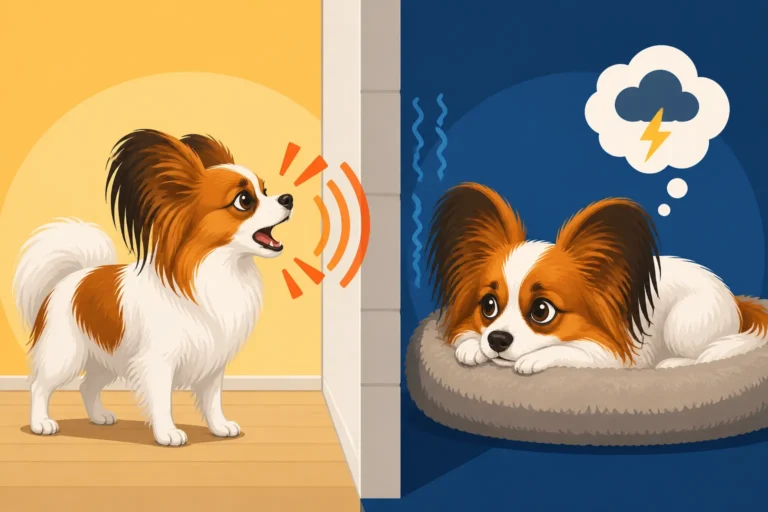
Nighttime wandering, restlessness, or barking can be a common sleep challenge, particularly with puppies or newly adopted adult Papillons. If your Papillon is pacing, whining, or barking in the middle of the night, it's essential to first rule out any physical needs: do they need to go potty? Are they hungry or thirsty? Once those are addressed, it's usually a sign of insecurity or a lack of established routine.
For persistent issues, a crate can be an invaluable tool. If used correctly, it provides a safe, confined space that often reduces anxiety. If they bark in the crate, avoid rushing to them immediately unless it's a true emergency, as this can inadvertently reinforce the barking. Instead, wait for a brief moment of quiet before checking on them. Gradually increasing the time they spend comfortably in their crate during the day can also build their tolerance for nighttime confinement. What a Papillon's Seizure Looks Like is another reason to be aware of what's happening at night, but don't assume the worst without ruling out other causes.
Training for Crate Acceptance and Positive Associations
The key to a successful crate experience for a Papillon lies in positive association. Never use the crate as a punishment. Instead, make it a rewarding place. Start by feeding meals inside the crate with the door open. Toss treats or favorite toys inside. Let them explore it on their own terms. When they go in, offer gentle praise and perhaps a high-value treat.
Gradually, you can close the door for very short periods while you're still in the room, slowly increasing the duration. The goal is for your Papillon to view their crate as a cozy, safe den where good things happen, not a place of isolation. Many puppy training programs, including those found on platforms like Amazon, provide step-by-step guides for positive crate training. This positive reinforcement, often taught through programs like BAXTER & Bella, ensures they see their crate as a personal retreat. Ultimately, a well-crated Papillon often sleeps more soundly, and you will too. Teaching a Papillon Puppy to Be Handled All Over from an early age can help with crate acclimation as well, as they become used to your touch and guidance in various situations.
Papillon Sleep Location Comparison
Here's a quick look at the pros and cons of common Papillon sleep locations:
| Sleep Location | Pros | Cons | Ideal Scenario |
|---|---|---|---|
| Human Bed | Maximum bonding, warmth, security | Risk of injury, disrupted sleep, cleanliness concerns | Well-behaved, quiet dog; dedicated "spot" on the bed |
| Crate | Provides security, aids house training, safe | Can feel confining if not trained positively, needs comfort | Positive association, comfy bedding, quiet location |
| Designated Dog Bed | Comfortable, personal space, easy to move | May still gravitate to human bed, can get dirty | Plush, appropriately sized bed; accessible |
| Unexpected Nook/Sunbeam | Satisfies natural den instinct, warmth from sun | Not always consistent, can be hard to find them quickly | For naps/temporary rests; when seeking solitude |
Disclaimer
This article is for general informational purposes only and does not constitute professional advice. Laws, prices and regulations vary by location and change over time. Consult a qualified professional for guidance on your specific situation.