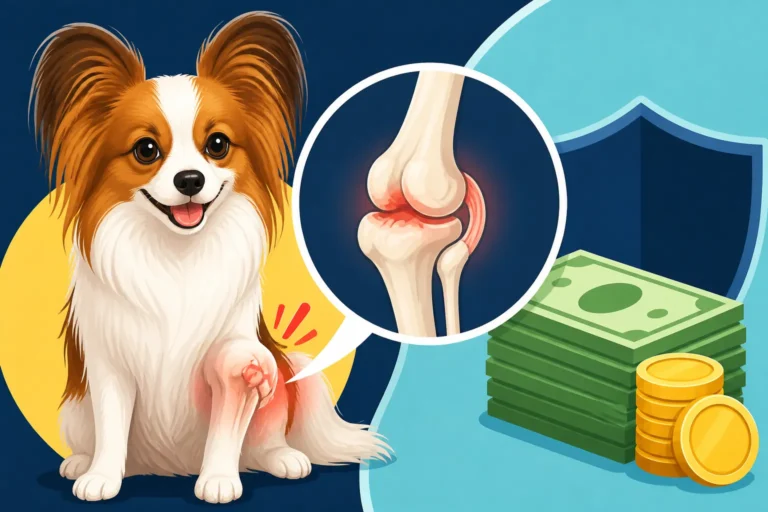
What a Bed for a Papillon Costs
Bringing a Papillon into your life is an absolute joy, but it also means preparing your home for a tiny bundle of energy and exquisite fur. One item that often gets underestimated in its importance, and its cost variability, is your Papillon's bed. It's not just a cozy spot; it's their sanctuary, their safe haven, and a crucial element for their joint health and overall well-being, especially for a breed known for its delicate patellas. This guide will walk you through the various factors that influence the price of a Papillon's bed, explore different types of beds, and help you make an informed decision for your beloved companion, without breaking the bank.
Understanding the Factors That Influence Papillon Bed Costs
When you start looking for a bed for your Papillon, you might be surprised by the sheer range of options and, consequently, the price tags. What seems like a simple purchase quickly reveals layers of choices that impact what you'll pay. It's not just about finding any bed; it's about finding the right bed that balances comfort, durability, and your budget.
Size and Style: More Than Just Aesthetics
You might think a Papillon, being a small toy breed, would automatically mean a cheaper bed. While often true compared to beds for, say, a Great Dane, even within the "small dog" category, there's significant variation. The dimensions of the bed directly correlate to the amount of material used, and thus, the cost. Beyond basic sizing, the style of the bed plays a huge role.
For instance, a simple flat mat designed to fit inside a crate will be far less expensive than an ornate, bolstered bed with a removable, washable cover and memory foam inserts. Some beds are designed to look like miniature sofas, complete with legs and upholstery, pushing them into a luxury furniture category. Others are "calming beds," often round or donut-shaped with high walls, designed to give a sense of security and replicate a den. These specialized designs, with their added features and structural complexity, naturally come with a higher price tag. Consider how your Papillon likes to sleep. Do they curl into a tight ball, preferring a cozy donut? Or do they stretch out like a furry rug, needing more flat surface area? Which Bed a Papillon Prefers can give you more insight into their sleeping habits.
Materials and Durability: Investing in Longevity
The quality and type of materials used are perhaps the most significant drivers of bed cost. A cheap bed might be filled with basic polyester fiberfill, which quickly flattens and offers little support. On the other hand, beds filled with orthopedic memory foam or high-density convoluted foam provide superior support for joints and muscles, which is incredibly important for Papillons, particularly as they age or if they have conditions like patellar luxation. For more on joint health, you can read about Patellar Luxation Is the Papillon Problem You Will Actually Meet.
Beyond the filling, the outer fabric matters. You'll find everything from basic cotton blends to plush faux fur, micro-suede, corduroy, or even durable canvas. Some beds feature waterproof liners, which are a godsend for puppies during house training, or for older dogs who might have occasional accidents. These higher-quality, more resilient, or specialty fabrics add to the manufacturing cost, and thus, the retail price. A bed with a heavy-duty, chew-resistant cover, though more expensive upfront, could save you money in the long run if you have a Papillon who loves to "redecorate" their bedding. The ability to easily remove and wash the cover is also a feature that adds value and, usually, cost. Nobody wants a bed that's impossible to keep clean!
Brand and Retailer: Where You Shop Matters
Just like human products, pet beds come from a vast array of brands, each with its own pricing strategy and reputation for quality. Generic brands might offer more budget-friendly options, while well-known pet lifestyle brands or those specializing in orthopedic dog products often command higher prices. You might find basic beds at a local discount store for a modest sum, but if you're looking for something specific, like a therapeutic memory foam bed, you'll likely be shopping at a specialty pet retailer or a larger online store like Chewy.
Online retailers often have a wider selection and competitive pricing due to lower overheads, but it can be harder to gauge quality without seeing the product in person. Boutique pet stores might offer unique, artisanal, or eco-friendly beds, but at a premium. Keep in mind that sometimes, paying a little more for a reputable brand means better materials, better construction, and a product that will last longer, ultimately providing better value over time.
Different Types of Beds and Their General Price Ranges
Let's dive into the common types of beds you'll encounter and what you might generally expect to pay for a Papillon-sized version. Remember, specific prices will fluctuate based on sales, promotions, and the exact features of each product.
Basic Pads and Flat Mats
These are the most economical options, typically just a padded layer of fabric without elevated sides. They're excellent for lining crates or for providing a soft spot on a hard floor. They are often lightweight and easy to machine wash.
- Features: Simple design, minimal padding, often rectangular.
- Best For: Crate training, travel, adding comfort to an existing space.
- Considerations: Offers very little orthopedic support. May not be durable enough for chewers.
- General Cost Shape: Very accessible, on the lower end of the spectrum.
For example, when considering What a Crate for a Papillon Costs, you'll often find these pads bundled or sold as an add-on, making them a foundational piece of bedding.
Bolster and Donut Beds
These are incredibly popular for smaller breeds like Papillons because they provide a sense of security and warmth. Bolster beds have raised sides on three or four sides, offering a cozy nook for your dog to lean against or rest their head on. Donut beds are similar but typically round, with a continuous circular bolster, perfect for dogs who love to curl up.
- Features: Raised sides for comfort and security, often plush fabrics, some with removable covers.
- Best For: Dogs who like to curl up, burrow, or lean against something.
- Considerations: Can flatten over time if filling is low quality. May not offer full body support for stretching.
- General Cost Shape: Mid-range, a step up from basic mats.
Many Papillons love to burrow, and these beds provide that comforting, enclosed feeling. If your Papillon is a burrower, you might also find the article Whether a Papillon Burrows Under Blankets interesting.
Orthopedic and Memory Foam Beds
These beds are designed with advanced support in mind, often featuring dense foam, memory foam, or a combination of layers to conform to your dog's body. They are particularly beneficial for older Papillons, those with arthritis, or those prone to joint issues like patellar luxation. The investment in an orthopedic bed can contribute to their long-term comfort and mobility, helping them hide pain less effectively by reducing discomfort. How a Papillon Hides Pain is a fascinating read on this topic.
- Features: High-density foam layers, often with waterproof liners, durable and supportive covers.
- Best For: Senior dogs, dogs with arthritis or joint issues, heavier dogs (though Papillons are light, good support is still vital).
- Considerations: Heavier and bulkier, can be more challenging to clean if covers aren't easily removable.
- General Cost Shape: Higher end, reflecting the specialized materials and construction.
These beds are a proactive choice for your Papillon's health, aligning with the concerns about Whether a Papillon Gets Arthritis From a Slipping Knee as they age.
Specialty Beds
This category includes everything from heated beds (great for older, colder Papillons) to cooling mats for summer, elevated cot-style beds (which keep dogs off cold floors and provide air circulation), or even portable travel beds. Each offers unique features for specific needs.
- Features: Temperature control, elevation, portability, specific aesthetic designs.
- Best For: Addressing specific comfort needs (cold, heat), travel, specific home aesthetics.
- Considerations: Often niche, so prices can vary wildly. Some may require electricity.
- General Cost Shape: Can range from mid-to-high, depending on the technology and design.
When you're setting up your home, thinking about Setting Up a House That Protects a Papillon's Knees involves more than just ramps; it also means providing appropriate, supportive resting places.
| Bed Type | Key Features | Typical Papillon User | General Cost Impression |
|---|---|---|---|
| Basic Pads/Mats | Thin padding, simple, lightweight | Crate lining, travel, floor comfort | Very Affordable |
| Bolster/Donut Beds | Raised sides, cozy, sense of security | Curlers, burrowers, den-seekers | Mid-Range |
| Orthopedic/Memory Foam | Dense, supportive foam, joint relief | Senior dogs, joint issues, recovery | Premium |
| Specialty Beds | Heated, cooling, elevated, decorative | Specific comfort needs, aesthetic matches | Variable (Mid to High) |
Beyond the Initial Purchase: Long-Term Bed Considerations
The price you pay upfront for a Papillon's bed is just one part of the equation. Thinking long-term about durability, washability, and whether you'll need multiple beds can give you a more realistic picture of the actual investment.
Washability and Replacement: The Ongoing Cost
Let's be real: dogs get dirty. They track in mud, they might have accidents, they shed (even Papillons, despite their single coat, shed a bit!). A bed that can be easily cleaned is priceless. If a bed's cover isn't removable and machine washable, you're looking at spot cleaning or even professional cleaning, which adds to the hidden costs. Beds with non-washable covers might need to be replaced more frequently, especially if they start to smell or become unhygienic.
Consider a quality bed with a removable, durable cover that you can toss into the washing machine regularly. While this might mean a slightly higher initial cost, it often translates to a longer lifespan for the bed and better hygiene for your home and your Papillon. Even with excellent care, over time, all beds wear out. Fillings flatten, zippers break, and fabric can tear. Budget for eventual replacement, maybe every few years, especially if it's their primary sleeping spot.
Durability vs. Chewers: An Ever-Present Threat
While Papillons aren't typically known as heavy chewers like some larger breeds, puppies and even some adult dogs can develop chewing habits, especially if bored or anxious. A flimsy bed can quickly become a pile of stuffing. Investing in a bed made with tougher fabrics or reinforced seams might be wise if your Papillon shows any inclination to chew. Some beds are specifically marketed as "chew-resistant" – though no bed is truly chew-proof, these are usually built to withstand more abuse. This consideration is particularly important during The First Year With a Papillon Puppy, when many pups are exploring the world with their mouths.
Sometimes, a durable bed means a less plush one, so you'll have to weigh your priorities. For dogs with persistent chewing issues, sometimes a tough crate mat inside a sturdy metal crate is the most practical solution.
Multiple Beds: The Papillon Palace Phenomenon
Many Papillon owners find that one bed is simply not enough. These little companions love to be near their people, which often means having designated sleeping spots in various rooms. You might want a bed in the living room for daytime naps, another in the bedroom for overnight, and a crate mat for travel or training. This "multiple bed" approach can quickly add up in cost.
Thinking about your lifestyle and your home layout will help you plan. Perhaps you start with one good quality main bed and supplement with more affordable, basic pads for other areas. Or maybe you'll eventually invest in several mid-range bolster beds to ensure your Papillon always has a comfortable spot, no matter which room you're in. Knowing What a Papillon Costs Over Its Lifetime involves budgeting for these smaller, recurring purchases like bedding.
Making Smart Choices for Your Papillon's Comfort and Your Wallet
Choosing the perfect bed for your Papillon involves a balance of their needs, your budget, and practical considerations. It's about making a thoughtful purchase that will serve both of you well for years to come.
Budgeting for the Best Fit
Before you even start browsing, have a general idea of what you're willing to spend. This will help you narrow down your options significantly.
- Entry-Level (More Budget-Friendly): Focus on basic mats, simple bolster beds, or sales on mid-range options. Look for decent quality fabric and easily washable covers. These might be perfectly suitable for a younger, healthy Papillon. Online retailers like Chewy often have excellent deals on these types of beds.
- Mid-Range (Good Value): Here, you'll find more durable bolster beds, some with better filling that offers more support, and a wider variety of styles and colors. These are often a great balance of comfort and longevity for most Papillons.
- Premium (Investment Pieces): This is where orthopedic beds, designer options, or specialty beds with features like heating or cooling come in. These are often worth the investment for senior Papillons, those with health concerns (like Caring for a Papillon Past Eleven or joint issues), or if you simply want the absolute best comfort and durability available.
Remember, a higher price doesn't always guarantee quality, so read reviews and look for beds with features that truly matter for your Papillon.
Where to Buy: Online vs. In-Store
Both online and brick-and-mortar stores have their advantages when it comes to buying a dog bed.
- Online Retailers: Sites like Chewy offer a vast selection, often at competitive prices, and deliver right to your door. You can compare features, read countless reviews, and often find unique brands. The downside is you can't feel the materials or assess the quality in person. However, most reputable online stores have good return policies.
- Pet Stores: Visiting a physical pet store allows you to touch and feel the beds, check the stuffing, and get a better sense of size. You can also get advice from staff, though their recommendations might be biased towards what they stock. Big box pet stores will have a wider range, while smaller boutiques might have more curated, higher-end selections.
- Specialty Stores/Online Brands: Some brands focus solely on orthopedic or eco-friendly pet products. If you have specific needs, like an extra-supportive bed for an aging Papillon, these specialized outlets might be your best bet. You might also find that brands typically associated with high-quality pet food, like Ollie, might recommend or partner with brands that offer equally premium accessories.
Considering Your Papillon's Habits and Needs
Ultimately, the best bed is one your Papillon will actually use and enjoy.
- Sleeping Style: Does your Papillon love to burrow under blankets? A donut bed or a bed with high bolsters would be ideal. Do they stretch out? A flat mat or a larger rectangular bed would be better. Whether a Papillon Suits an Apartment Dweller or Whether a Papillon Suits an Older Owner can influence where and how your dog sleeps.
- Age and Health: As mentioned, puppies might need a more durable, easily washable bed, while senior dogs or those with joint problems will greatly benefit from orthopedic support.
- Temperature Preferences: Some Papillons feel the cold more, especially if they are very small. A heated bed could be a luxurious option for winter. Others might get warm easily and appreciate a breathable, cooler surface.
- Home Environment: Do you have hardwood floors? A non-slip bottom on the bed is a must, especially for active Papillons who jump on and off furniture. Read Whether a Papillon Slips on Hardwood for more information on protecting their joints. If you're concerned about unexpected vet bills related to falls or other accidents, looking into pet insurance providers like Healthy Paws might be a wise step, as they can help cover costs for unforeseen injuries.
By considering these factors, you can invest in a bed that truly enhances your Papillon's comfort and quality of life, without spending more than necessary. It's all about finding that sweet spot where practicality meets pampering.
Disclaimer
This article is for general informational purposes only and does not constitute professional advice. Laws, prices and regulations vary by location and change over time. Consult a qualified professional for guidance on your specific situation.