Fifteen Years of a Papillon, Priced Out
Bringing a Papillon into your life is an absolute joy, a whirlwind of tiny paws, enormous ears, and boundless personality. However, many prospective owners find themselves completely unprepared for the true financial commitment that extends far beyond the initial purchase price. This guide is here to meticulously break down the often-overlooked expenses associated with owning a Papillon for its entire, often long, lifespan—typically 15 years or more—so you can budget realistically and enjoy every moment with your little butterfly.
The Initial Investment: Bringing Your Papillon Home
That moment you bring your new Papillon puppy home is priceless, but it's important to understand the costs that lead up to it and those that kick off their life with you. These aren't just one-time fees; they are the foundation of your dog's health and well-being for years to come.
The Puppy Purchase Price
The price of a Papillon puppy can vary quite a bit, and it's often a direct reflection of the breeder's dedication to health and quality. While it might be tempting to look for a "deal," a lower price often signals a lack of crucial health testing, proper veterinary care for the dam and litter, or even poor socialization. A responsible breeder invests heavily in their dogs, including genetic testing for hereditary conditions common in the breed, such as Progressive Retinal Atrophy (PRA1) and patellar luxation. These upfront costs for the breeder translate to a healthier puppy for you, potentially saving thousands in vet bills down the line. We dive deeper into what makes these prices vary in Why a Tested Papillon Litter Costs More.
Expect the purchase price from a reputable breeder to reflect this commitment. They should be transparent about their testing protocols and willing to share results for both parents. Don't be afraid to ask for proof of health clearances, which should be a standard part of their process. This initial investment in a well-bred puppy is one of the best decisions you can make, laying the groundwork for a long, happy, and hopefully healthy life with fewer unexpected medical surprises. Remember that while a rescue adoption fee might seem lower initially, rescue dogs often come with their own set of potential health challenges that were unknown or untreated before their arrival. You can learn more about general price ranges in What a Papillon Puppy Costs From a Breeder.
First-Year Vet Care and Vaccinations
Your Papillon puppy's first year is a whirlwind of vet visits, much like a human baby's. Beyond the purchase price, you'll need to factor in a series of vaccinations to protect them from common canine diseases. This initial vaccination schedule is critical for building their immunity and safeguarding them as they explore the world. Beyond the core vaccines, your vet will discuss other preventative measures like deworming protocols, especially for puppies, and starting them on flea, tick, and heartworm prevention.
Microchipping is another essential, relatively inexpensive, one-time cost that provides invaluable peace of mind should your adventurous Papillon ever get lost. Many vets also recommend spaying or neutering your Papillon during this first year, which is a significant expense itself, though prices can vary widely based on your location and the veterinary clinic. These initial vet visits aren't just about vaccinations; they're also opportunities for your vet to assess your puppy's overall health, growth, and development, catching any potential issues early. For a detailed breakdown of what shots your puppy needs, see The Vaccination Schedule a Papillon Puppy Needs.
Setting Up Your Papillon's Home
Before your little Papillon's paws even touch your floor, you'll want to have a few essential items ready. A safe, comfortable crate is crucial for house-training and providing a secure den. You'll also need food and water bowls, a comfortable bed (or several, because Papillons love options!), a collar and leash (or better yet, a harness for their delicate throats), and a few appropriate toys. Opt for smaller, durable toys that won't pose a choking hazard.
Consider also investing in ramps or steps for access to furniture if your Papillon will be allowed on sofas or beds. While they might love to jump, repeated impacts can stress their delicate knee joints, potentially exacerbating conditions like patellar luxation down the line. Think about non-slip mats on hardwood floors, too, to prevent accidental slips and falls that could lead to injury. Setting up a safe and comfortable environment is part of the initial investment that pays dividends in your Papillon's long-term health and happiness. You can often find a good selection of these initial supplies from retailers like Chewy, making it convenient to get everything you need in one place.
Ongoing Annual Expenses: The Day-to-Day Realities
Once your Papillon is settled, the initial flurry of puppy-specific costs settles into a more predictable rhythm of ongoing annual expenses. These are the costs that form the backbone of responsible pet ownership, ensuring your Papillon remains healthy, happy, and well-cared for year after year.
Food and Nutrition
Feeding a Papillon is, thankfully, one of the less expensive aspects of their care, simply because they are so small. A typical adult Papillon weighs between 5 to 10 pounds, meaning they consume far less kibble than a larger breed. However, quality still matters. Opt for a high-quality small-breed formula that provides all the necessary nutrients without fillers. While it might seem like a small bag costs more per pound, it lasts a surprisingly long time for a Papillon.
Be mindful of portion control; even a couple of extra ounces can significantly impact a Papillon's small frame and put undue stress on their joints. Some owners opt for fresh food diets or meal toppers from services like Ollie, which can add to the monthly food bill but offer tailored nutrition. Regardless of your choice, ensuring your Papillon receives appropriate nutrition is vital for their energy, coat health, and overall longevity. We discuss their modest appetite in Why a Papillon Is Cheap to Feed.
Routine Veterinary Care
Even the healthiest Papillon needs an annual check-up with the veterinarian. These yearly visits are essential for preventative care, allowing your vet to catch any subtle changes in health, administer booster vaccinations, and discuss ongoing flea, tick, and heartworm prevention. These preventatives are critical year-round, protecting your Papillon from parasites that can cause serious, expensive, and sometimes fatal diseases.
Beyond the physical exam, your vet might recommend routine bloodwork as your Papillon ages, or if any concerns arise. These regular visits are your first line of defense against illness and an opportunity to discuss any behavioral changes, dietary questions, or general health concerns you might have. Think of it as a small, consistent investment that helps avoid much larger, emergency costs down the road by promoting early detection and intervention. The cost of a simple annual check-up can vary by clinic and region, but it's a non-negotiable part of responsible pet care. Get more details on these visits in What a Papillon's Yearly Vet Visit Costs.
Grooming and Maintenance
One of the beautiful hallmarks of the Papillon is their flowing, silky coat and magnificent ear fringe. While it looks high-maintenance, it's surprisingly easy to care for compared to many other long-haired breeds. Papillons have a single coat with no undercoat, which means less matting and shedding than you might expect. Regular brushing, about 2-3 times a week, is usually sufficient to keep tangles at bay and distribute natural oils, maintaining that luxurious shine. You'll need a good quality pin brush and a metal comb to get down to the skin, especially behind the ears, under the legs, and on their culottes.
Nail trims are another essential part of maintenance. Long nails can cause discomfort, affect their gait, and potentially lead to orthopedic issues. Many owners learn to do this at home, while others prefer regular trips to a groomer or vet tech. Baths are generally needed only every few weeks or when your Papillon gets visibly dirty. Keeping their ears clean is also important to prevent infections. While you can do all this at home, some owners prefer a professional groomer for occasional trims, especially around the feet and sanitary areas. Learn more about how often to brush your Papillon in How Often a Papillon Needs Brushing or whether a professional is needed in Whether a Papillon Needs a Professional Groomer.
The Unpredictable: Health Emergencies and Chronic Conditions
While Papillons are generally a healthy breed, no dog is immune to health issues. These unpredictable or chronic conditions can significantly increase your annual and lifetime costs, making planning for them a crucial part of financial preparedness.
Dental Care: A Lifelong Commitment
The small jaws of a Papillon, while adorable, are prone to overcrowding, which can lead to significant dental problems. Tartar buildup can begin surprisingly early in their lives, and if left unchecked, it can lead to gum disease, tooth loss, pain, and even systemic health issues as bacteria spread from the mouth to other organs. Daily tooth brushing is the gold standard for prevention, but even with diligent home care, most Papillons will require professional dental cleanings under anesthesia at some point in their lives, often multiple times.
The cost of a professional dental cleaning can be substantial, especially if extractions are needed. These procedures often include pre-anesthetic bloodwork, anesthesia, scaling, polishing, and potentially X-rays and extractions. It’s a recurring expense that can easily run into the hundreds or even thousands over a Papillon’s long lifespan. Ignoring dental health isn't an option, as the pain and infection can severely diminish your dog's quality of life. This is why it’s considered one of the most common issues. For further reading, check out How Common Dental Disease Is in Papillons and Dental Work Over a Papillon's Long Life.
Patellar Luxation: The Common Orthopedic Concern
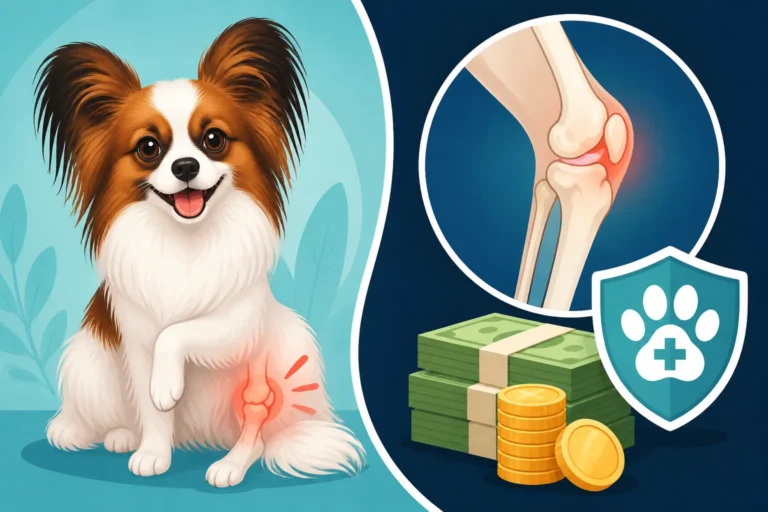
Patellar luxation, or a slipping kneecap, is a common orthopedic issue in many small breeds, including Papillons. While not every dog with a luxating patella requires surgery, some do, particularly if the condition causes pain, lameness, or becomes severe. There are different grades of luxation, and your vet will assess the severity and recommend the appropriate course of action, which could range from pain management and joint supplements to surgical correction.
The cost of patellar luxation surgery can be a major financial hit, potentially in the thousands for each knee. Since it's common for both knees to be affected, you could be looking at a double expense. Post-operative care, including pain medication and physical therapy, also adds to the total. This condition is such a frequent concern for owners that we have dedicated a whole article to it: Patellar Luxation Is the Papillon Problem You Will Actually Meet. It's a significant consideration that often becomes the largest unexpected veterinary bill. You can find more financial details on surgical costs in Knee Surgery Is the Bill Most Papillon Owners Meet.
Eye Conditions: Progressive Retinal Atrophy
Another genetic health concern in Papillons is Progressive Retinal Atrophy (PRA), specifically PRA1. This condition causes the cells in the retina to degenerate over time, eventually leading to blindness. It typically starts with night blindness and progresses to daytime vision loss. While there's no cure for PRA, understanding the condition and planning for it is important. Responsible breeders test their breeding dogs for the gene that causes PRA1, but it can still appear in lines where testing wasn't done or was incomplete.
The costs associated with PRA might include genetic testing if you suspect your dog is affected, regular veterinary ophthalmologist visits, and making adaptations to your home to help a blind dog navigate safely. While the condition itself isn't painful, the emotional toll and the effort required to help a blind dog adapt are significant. Early diagnosis can allow you to prepare and make adjustments gradually, easing the transition for both you and your Papillon. Understanding the genetic basis of the condition is important for breeders and owners alike; you can read more about it in The Papillon Type of Progressive Retinal Atrophy and the CNGB1 Gene.
Beyond the Basics: Training, Sports, and Enrichment
A Papillon's intelligence and eagerness to please make them fantastic candidates for various training and dog sports. Investing in these areas not only strengthens your bond but also provides vital mental and physical stimulation that contributes to a well-adjusted, happy dog.
Obedience and Socialization Classes
Even the smartest dogs benefit from formal training. Puppy classes are an excellent investment, teaching basic manners like sit, stay, and come, while also providing crucial socialization opportunities with other puppies and people. These early experiences help shape your Papillon into a confident and well-behaved adult. Beyond puppy classes, beginner obedience courses can further refine their skills and teach more advanced cues.
While Papillons are quick learners and can often pick up commands rapidly at home, the structured environment of a class, with a professional trainer, offers invaluable guidance for both dog and owner. The cost of these classes varies, but think of it as an investment in preventing future behavioral issues that could otherwise be frustrating and even more costly to address down the line. A well-trained Papillon is a joy to live with and a great ambassador for the breed. Learn more about their training potential in When to Start Training a Papillon Puppy.
Dog Sports: Agility and Rally
Papillons absolutely excel in dog sports like agility, rally obedience, and even scent work. Their combination of intelligence, speed, and agility (pun intended!) makes them formidable competitors. If you're interested in pursuing these activities, you'll need to factor in the costs of specialized training classes. These aren't just one-off expenses; successful participation in dog sports often involves ongoing classes, private lessons, and regular practice sessions to hone skills.
Beyond training, if you decide to compete, you'll incur entry fees for trials, potential travel and lodging expenses, and perhaps even some home equipment like a tunnel or a few jumps for practice. While the costs can add up, the mental and physical benefits for your Papillon are immense. These sports provide an incredible outlet for their energy and sharp minds, strengthening your partnership and allowing them to shine. It's truly a testament to their "big dog in a small body" mentality. We cover more about getting started in Starting a Papillon in Agility and the financial outlay in What Competing a Papillon in Agility Costs a Year.
Toys and Mental Enrichment
Papillons are highly intelligent and need mental stimulation just as much as physical exercise. A variety of toys, especially puzzle toys that dispense treats or require problem-solving, are crucial for keeping their minds engaged and preventing boredom. Rotation of toys can keep things fresh and exciting, making even familiar toys feel new again. Consider durable chew toys appropriate for their small size to satisfy their natural chewing instincts and promote dental health between brushings.
These enrichment items are not just luxuries; they are necessities for a well-adjusted Papillon. Boredom can lead to destructive behaviors, excessive barking, or other undesirable habits, which can be far more frustrating and expensive to correct than the cost of a few good puzzle toys. Regular interactive play sessions with you are also invaluable and cost nothing but your time, but a good collection of stimulating toys provides entertainment when you're busy.
Senior Care: The Golden Years, Priced Out
As your Papillon gracefully enters its senior years, typically around 10-11 years old, their needs and associated costs will inevitably shift. While it's a privilege to have a dog live a long life, preparing for these changing expenses is part of responsible ownership.
Increased Veterinary Visits and Diagnostics
Just like humans, aging dogs often require more frequent veterinary attention. You might find yourself scheduling biannual (twice-yearly) check-ups instead of annual ones, allowing your vet to monitor for age-related conditions more closely. Senior blood panels, urinalysis, and potentially X-rays or ultrasounds might become routine to screen for common senior ailments such as kidney disease, liver issues, heart conditions, or arthritis. These diagnostic tests are crucial for early detection, which can significantly improve prognosis and management.
Managing chronic conditions like arthritis, heart murmurs, or early-stage kidney disease involves ongoing costs for diagnostic monitoring and potentially new medications. The goal is to maintain your Papillon's quality of life for as long as possible, but this proactive and reactive care adds to the annual veterinary budget. We discuss the changes in care for older Papillons in Caring for a Papillon Past Eleven and the general costs in What an Aging Papillon Costs a Year.
Special Diets and Medications
Many senior Papillons benefit from specialized diets formulated to support their aging bodies. These might include foods designed for weight management (as metabolism slows), joint support, kidney health, or sensitive stomachs. Prescription diets, while often highly effective, typically come at a higher price point than regular adult dog food. As their bodies slow down and conditions develop, daily medications become more common. This could involve pain relief for arthritis, heart medications, or supplements to support cognitive function.
The cost of these ongoing medications can add up significantly over months and years, but they are essential for keeping your senior Papillon comfortable and extending their healthy years. It’s important to factor in these recurring pharmaceutical expenses when considering the financial commitment to a senior dog. It's a small price to pay for easing their aches and ensuring they remain vibrant and engaged for as long as possible.
Mobility Aids and Home Modifications
An aging Papillon might start to struggle with mobility due to arthritis, weakness, or even vision impairment. Investing in mobility aids can dramatically improve their comfort and independence. Ramps or steps can become essential for accessing their favorite sleeping spots on the sofa or bed, preventing dangerous jumps that can exacerbate joint pain. Non-slip rugs or runners on hardwood or tile floors can help prevent falls, providing better traction for unsteady paws.
Comfort also becomes paramount. Orthopedic beds designed to support joints and relieve pressure points can be a wonderful investment, particularly for a dog that sleeps a good portion of the day. Heated beds can provide soothing warmth for arthritic joints. These home modifications and aids are not just about convenience; they are about maintaining your Papillon's dignity and quality of life as they age, allowing them to continue to enjoy their home environment safely and comfortably. For ideas on making your home more accessible, see Whether an Old Papillon Needs Steps Everywhere.
Insurance vs. Savings: Planning for the Unexpected
When faced with potential high veterinary bills, particularly for emergencies or chronic conditions, many owners grapple with the decision of pet insurance versus self-funding through an emergency savings account. Both options have their merits, and understanding them is key to making the best choice for your financial situation and your Papillon's health.
Pet Insurance: Weighing the Pros and Cons
Pet insurance can be a lifesaver for unexpected major medical expenses, softening the blow of a sudden illness, accident, or ongoing chronic condition like the need for multiple dental surgeries or patellar luxation repair. Policies typically involve a monthly premium, a deductible, and a reimbursement percentage. There are various plans available, from accident-only to comprehensive coverage that includes illnesses, and even wellness add-ons for routine care. Companies like Healthy Paws offer robust plans that can provide significant peace of mind.
However, pet insurance isn't without its caveats. Pre-existing conditions are usually not covered, which means if your Papillon developed patellar luxation before you enrolled, it might be excluded. Premiums can also increase as your dog ages. It's crucial to research different providers, read policy documents carefully, and understand exactly what is and isn't covered. For some, the monthly premium is a manageable way to hedge against potentially devastating vet bills, ensuring that financial constraints never dictate a necessary medical decision. You can learn more about how it works in What Insurance Covers on a Papillon.
Building an Emergency Fund
The alternative to pet insurance is to self-insure by building a dedicated emergency fund specifically for your Papillon's healthcare. This means regularly setting aside money into a separate savings account, which you can then draw from for unexpected vet bills. The major advantage here is that the money is always yours; if your Papillon remains perfectly healthy, you retain the funds. Plus, there are no exclusions for pre-existing conditions if you’re footing the bill yourself.
The challenge, however, is having the discipline to build and maintain a sufficiently large fund. A single major emergency, like a severe accident or complex surgery, can easily run into thousands of dollars, requiring a substantial sum in savings. For a Papillon, a good emergency fund might need to hold several thousand dollars to cover the costs of significant orthopedic surgery or managing a chronic illness. If you don't have that amount readily available, an unexpected event could put you in a very difficult position. This is why it’s prudent to set a target for your fund, as explored in What a Papillon's Emergency Fund Should Hold.
The Lifetime Sum: Tallying Up Fifteen Years of Love
After breaking down all the individual costs, it’s time to step back and look at the bigger picture. Owning a Papillon for 15 wonderful years is an incredible experience, but it’s one that comes with a significant cumulative financial commitment.
The True Cost of a Papillon's Lifespan
When you add up the initial purchase, the endless bags of quality food, the annual vet visits, preventatives, grooming supplies, toys, training classes, and especially the potential for unforeseen medical expenses like dental cleanings or orthopedic surgeries, the lifetime cost of a Papillon can be quite substantial. It's easy to focus on the modest monthly food bill and forget about the larger, less frequent outlays. A well-cared-for Papillon over 15 years will likely cost tens of thousands of dollars.
This figure isn't meant to deter, but rather to inform. Understanding the full scope of the financial commitment allows you to plan, budget, and provide the best possible care for your beloved companion without added stress. The monetary cost is a reflection of the dedication, love, and resources required to ensure a happy, healthy life for your Papillon. The emotional return on this investment, however, is immeasurable.
Hidden Costs and Unexpected Delights
Beyond the obvious categories, there are always those "hidden" costs that sneak up on you. Things like pet sitting or boarding fees when you travel, specialized treats for training, new leashes, collars, or harnesses as they wear out, replacing worn-out beds, or even car seat covers to manage shedding. What about those impulse purchases of adorable outfits or seasonal accessories? It all adds up!
Then there are the unexpected delights, which, while not financial burdens, add richness to your ownership experience. Discovering your Papillon has a knack for scent work, deciding to try canine freestyle, or simply finding joy in a leisurely walk through a new park—these experiences often cost little but contribute immensely to the bond you share. Owning a Papillon is a journey, and while there's a clear financial pathway to navigate, the love, companionship, and joy they bring are truly priceless, making every penny worth it.
Estimated Annual Costs for a Papillon
To help visualize the ongoing expenses, here's a table outlining potential annual costs for a young adult Papillon (ages 1-7) versus a senior Papillon (ages 11+). Please remember, these are general estimates and actual costs will vary based on your location, vet's fees, brand choices, and your dog's individual health needs.
| Category | Young Adult Papillon (Annual Estimate) | Senior Papillon (Annual Estimate) | Notes |
|---|---|---|---|
| Food & Treats | Low – Moderate | Moderate – High | Higher for prescription diets, fresh food; lower for basic kibble. |
| Routine Vet Care | Moderate | High | More frequent check-ups, diagnostic tests, and potential specialist visits for seniors. |
| Preventative Meds | Moderate | Moderate | Flea, tick, heartworm prevention. |
| Grooming Supplies | Low | Low | Brushes, shampoo, nail clippers. Professional grooming adds to this. |
| Dental Care | Moderate (if yearly brushing is lax) | High (often professional cleanings) | Home brushing reduces professional cleaning frequency/cost. |
| Toys & Enrichment | Low – Moderate | Low – Moderate | Puzzle toys, chew toys, new beds. |
| Pet Insurance/Fund | Moderate – High | High | Premiums can rise with age; fund should be robust for senior care. |
| Miscellaneous | Low | Low – Moderate | Pet sitting, leashes, beds, ramps, clothes, unforeseen small purchases. |
| Specialist Consults | Low (if healthy) | Moderate – High | For ophthalmology, orthopedics, internal medicine as needed. |
| Medications | Low (if healthy) | High | For arthritis, heart conditions, kidney support, etc. |
This table serves as a helpful snapshot, but the real expenses can be highly individual. The important thing is to be prepared for the financial journey with your Papillon, ensuring they receive all the love and care they deserve throughout their precious life.
Disclaimer
This article is for general informational purposes only and does not constitute professional advice. Laws, prices and regulations vary by location and change over time. Consult a qualified professional for guidance on your specific situation.