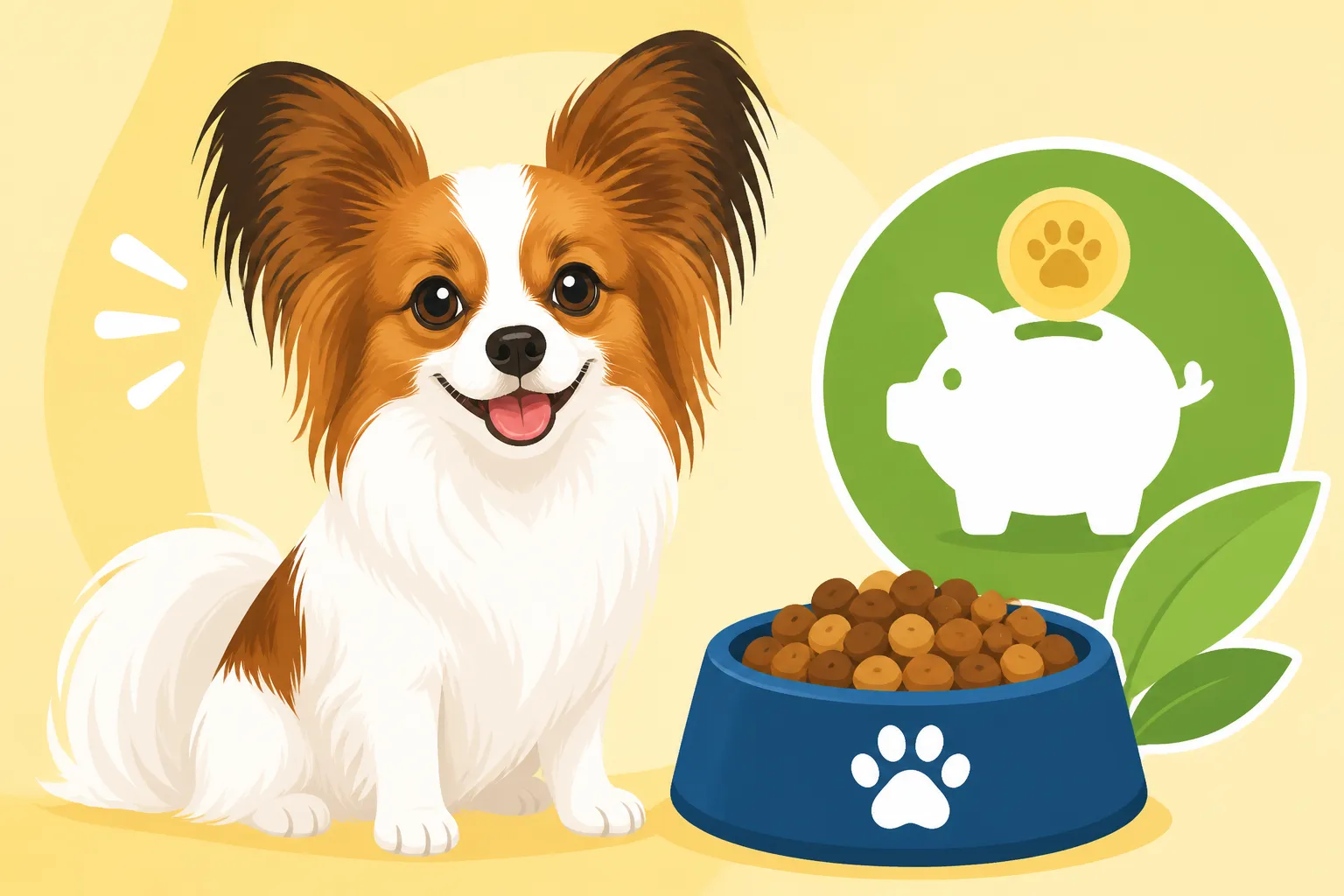
Why a Papillon Is Cheap to Feed
One of the biggest surprises for new Papillon owners, especially those who've had larger breeds before, is often how surprisingly affordable their daily feeding truly is. While the initial purchase price or potential vet bills for issues like Patellar Luxation Is the Papillon Problem You Will Actually Meet can feel significant, the ongoing expense of keeping that tiny, feathered bundle well-fed is remarkably low. This guide will delve into why feeding a Papillon puppy or adult is one of the most budget-friendly aspects of their care, and how their specific needs contribute to these manageable costs.
The Tiny Tummy Advantage: Why Less Food Means Less Cost
It's a simple truth in the world of dog ownership: the smaller the dog, the less food they typically consume. Papillons, being true toy breed marvels, perfectly embody this principle. Their compact size means their metabolic needs are met with surprisingly small portions, directly translating into significant savings on your grocery bill. This isn't just about weight; it's about their entire physiological setup.
Understanding Caloric Needs: Papillons vs. Giants
Think about the energy requirements of a Great Dane compared to a Papillon. It's like comparing a semi-truck to a compact car; both need fuel, but the quantity is vastly different. A Papillon, typically weighing in at around 5 to 10 pounds, simply doesn't require the sheer volume of calories to maintain its body functions, activity levels, and body temperature that a dog many times its size would. Their small stature means a lower basal metabolic rate in absolute terms. They expend energy, certainly, especially with their active and playful personalities, but that energy expenditure still pales in comparison to even a medium-sized dog. This fundamental difference in caloric needs is the bedrock of why their food costs are so low. You're not just buying less kibble by weight; you're buying less energy overall.
Daily Portions: A Small Scoop Goes a Long Way
When you scoop out food for a Papillon, it often feels like you're barely dipping into the bag. A typical adult Papillon might only need a quarter to a half-cup of high-quality kibble per day, split into two meals. Compare that to a Labrador Retriever, which might consume several cups daily, or a giant breed that could easily go through a large bag of food in a week or two. For a Papillon, a standard small bag of premium dog food, readily available from online retailers like Chewy, can last for weeks, if not a couple of months, depending on the brand and bag size. This longevity of each purchase means fewer trips to the pet store, less frequent online orders, and a much gentler impact on your monthly budget. It's often said that Why a Papillon Is Cheap to Feed and Expensive to Fix, and the feeding aspect truly reinforces the "cheap to feed" part of that adage.
Picking the Right Fuel: Quality Over Quantity for Papillons
While the quantity of food a Papillon eats is small, the quality of that food remains paramount. Many owners mistakenly believe that because their dog is small, any generic kibble will do. However, a high-quality diet is crucial for a Papillon's overall health, coat condition, and energy levels. The good news? Even premium-grade food becomes highly affordable when you're buying so little of it.
Premium Food is Still Affordable in Small Doses
Investing in a top-tier dog food with excellent ingredients, often featuring real meat as the first ingredient and lacking unnecessary fillers, is a wise choice for any dog, and especially for a small breed like the Papillon. These premium foods tend to be denser in nutrients, meaning your Papillon gets more goodness from even smaller portions. When you consider that a Papillon might only eat 30-50 pounds of food in an entire year, the price difference between a budget brand and a premium one shrinks dramatically in the grand scheme of your annual pet expenses. You might pay a bit more per pound for the good stuff, but because a bag lasts so much longer, the monthly outlay remains surprisingly manageable. This approach supports their long-term health and can even proactively help prevent health issues down the line.
Reading Labels: What to Look For
Choosing the right food means being a savvy label reader. Look for foods that list a specific meat source (like "chicken meal" or "salmon") as the primary ingredient, not vague terms like "meat by-products." Whole grains or easily digestible carbohydrates like sweet potato are preferable to corn or soy. Avoid artificial colors, flavors, and preservatives. Some owners opt for fresh, human-grade food services, such as Ollie, which can offer tailored nutrition plans. While these might seem pricier per portion, for a Papillon's tiny requirements, they can still be a surprisingly viable and cost-effective option for owners prioritizing fresh ingredients, especially given the minimal volume required daily. Always ensure the food is formulated for small breeds or all life stages, as the kibble size can make a difference in how easily your Papillon can eat it, especially considering The Teeth in a Papillon's Small Jaw.
Understanding the Nutritional Breakdown for Papillons
| Nutrient Category | Importance for Papillons | Typical Source in Quality Kibble | Cost Impact (Relative) |
|---|---|---|---|
| Protein | Essential for muscle maintenance, energy, healthy coat, and immune function. | Chicken, beef, lamb, salmon, eggs. | Higher-quality protein can increase ingredient cost, but small portions keep overall expense low. |
| Fats | Concentrated energy, essential fatty acids for skin, coat, and brain health. | Chicken fat, fish oil, flaxseed. | Healthy fats are important; often part of premium ingredients, still affordable due in small amounts. |
| Carbohydrates | Sustained energy, fiber for digestion. | Sweet potatoes, peas, barley, oats. | Necessary for energy; avoid excessive fillers which provide empty calories. |
| Vitamins/Minerals | Overall health, bone density, metabolic processes. | Added supplements, fruits, vegetables. | Included in balanced formulas; typically not a separate cost unless a specific supplement is needed. |
Picky Eaters and Portions: Managing a Papillon's Diet
Papillons can sometimes be perceived as picky eaters, which can lead to owners offering too many treats or changing foods frequently. Understanding their natural eating habits and caloric needs is key to keeping them healthy and preventing unnecessary food expenses.
The "Hunger Strike" Myth and Reality
It's common for Papillons, being small dogs with a lively personality, to occasionally turn up their nose at a meal. This isn't always a sign of illness or extreme pickiness; sometimes, they're simply not that hungry, or they're holding out for something they perceive as tastier. Unlike larger breeds that might gobble down anything in sight, a Papillon can afford to be a bit more discerning. It's easy to worry, but often, if they are otherwise healthy and energetic, skipping a meal or eating very little isn't cause for alarm. However, consistent refusal to eat or signs of lethargy should always prompt a vet visit, especially if you have a young puppy where Signs a Papillon Puppy Has Low Blood Sugar can appear quickly. Owners need to learn to differentiate between a "hunger strike" and genuine disinterest that could signal an underlying issue. Don't fall into the trap of constantly buying new foods to entice them; this only encourages pickiness and wastes money.
Avoiding Overfeeding: A Health and Wallet Benefit
One of the biggest health risks for small dogs like Papillons is obesity. It's incredibly easy to overfeed them, given how tiny their portions are and how tempting it is to share scraps or extra treats. Even a couple of extra ounces can have a significant impact on their small frame, putting undue stress on their delicate joints and increasing the risk of conditions like What Patellar Luxation Does to a Papillon. By sticking to recommended portion sizes and carefully measuring their food, you're not only safeguarding their health but also ensuring you're not throwing money away on excess kibble. A half-cup per day really does last a long time when it's all your pup needs! This disciplined approach ensures that the "cheap to feed" aspect remains true throughout their lives.
Age and Activity: How Needs Change But Costs Stay Manageable
Just like humans, a Papillon's nutritional needs evolve throughout its life, from energetic puppyhood to the wisdom of its senior years. However, even with these changes, the fundamental principle of small portions keeping costs low remains constant.
Puppy vs. Adult vs. Senior Needs
Papillon puppies, with their rapid growth and boundless energy, generally require more calories per pound of body weight than adults. They also need food formulated for growth, rich in easily digestible proteins and fats. As they mature into adulthood, usually around one year old, their caloric needs stabilize, and they transition to an adult formula. Then, as they enter their golden years, typically considered senior around 10-11 years old, their metabolism might slow down, and they may become less active. Caring for a Papillon Past Eleven often involves a senior-specific diet that might be lower in calories but higher in joint-supporting nutrients. Despite these dietary shifts, the actual volume of food consumed rarely increases significantly. A Papillon puppy might eat slightly more than an adult, but still far less than a large breed puppy. A senior Papillon's specialized food will still be fed in small, manageable quantities, meaning that even a premium senior diet won't break the bank.
Active Lives, Minimal Calorie Burn
Papillons are often quite active dogs, excelling in sports like agility and obedience. You might see them zipping around a competition ring, defying their small stature with incredible speed and focus. This active lifestyle, however, does not necessarily translate to a massive increase in food consumption. While an exceptionally active Papillon might need a little more than a sedentary one, the increase is usually minor, perhaps an extra tablespoon or two of kibble, not an entire additional meal. Their efficient metabolisms and small bodies mean they burn calories effectively without needing huge fuel top-ups. Owners who participate in activities like agility will find that their Papillon's food budget remains low, unlike owners of larger working breeds that require significantly more sustenance to perform. This is just another reason why What a Papillon Does All Day is often packed with energy, yet their food bowl doesn't need constant refilling.
Beyond the Bowl: Treats, Supplements, and Hidden Food Costs
While the primary food bill for a Papillon is low, it's important to consider other dietary inputs like treats and supplements. These can add up if not managed correctly, but again, the small size of a Papillon often means these extra costs are also minimal.
Treats as Training Tools, Not Meal Replacements
Papillons are intelligent and highly food-motivated, making them excellent candidates for positive reinforcement training. Treats are invaluable tools for teaching them everything from basic manners to advanced tricks, proving that The Papillon Is the Smartest Toy Breed There Is. However, it's crucial that treats are used strategically and sparingly. High-value, tiny treats are best – think pea-sized bits of cheese, cooked chicken, or small commercial training treats. Because Papillons are so small, even a few normal-sized treats can quickly add too many calories to their daily intake. By choosing small, healthy treats and using them mindfully, you can keep treat costs low and avoid contributing to weight gain. A small bag of quality training treats can last a very long time for a Papillon.
The Case for (and Against) Supplements
For the most part, a Papillon on a high-quality, balanced diet will not require additional supplements. The nutrients they need should be present in their kibble or fresh food. However, there are exceptions. Some vets might recommend supplements for specific health concerns, such as joint support for an aging Papillon with early arthritis, or a particular vitamin if bloodwork indicates a deficiency. In these cases, even a bottle of specialized supplements, while initially seeming expensive, will last for months due to the tiny dosage required for a Papillon. It’s always best to discuss any potential supplements with your veterinarian to ensure they are necessary and appropriate for your dog's individual health needs. Don't fall for marketing hype; a good diet is the best first line of defense.
Comparing Papillon Food Costs to Larger Breeds: A Real Eye-Opener
To truly appreciate the low cost of feeding a Papillon, it helps to put it into perspective by comparing it to the dietary demands of larger dog breeds. The difference isn't just noticeable; it's often astonishing.
Per-Meal vs. Per-Bag Costs
When you buy a large bag of dog food, say 30 pounds, it might seem like a great deal per pound. For a Golden Retriever, that bag might last a couple of weeks, making the "per meal" cost relatively high. For a Papillon, however, that same 30-pound bag could easily last for six months or even longer! The initial outlay for a bag of food might be the same for owners of both small and large dogs, but the frequency of purchase and thus the annual cost differs wildly. You are effectively stretching your investment much further with a Papillon. This means that even if you choose a top-shelf, premium brand, your monthly food expenditure for your Papillon will still likely be less than what a larger dog owner spends on a mid-range kibble.
The Lifetime Food Bill: Small Dog vs. Big Dog
Let's do a little thought experiment. A Papillon can live a long, vibrant life, often reaching How Long a Papillon Lives to 14 or 15 years, sometimes even longer. A large breed, sadly, often has a shorter lifespan, perhaps 10-12 years. Even with the Papillon's extended lifespan, their total lifetime food bill is dramatically lower than that of a larger dog. Over 15 years, a Papillon might consume roughly 500-750 pounds of food in total. A large breed, even over a shorter 10-year lifespan, could easily consume several thousand pounds of food. This stark difference highlights just how economically friendly Papillons are when it comes to keeping their tummies full and happy. It's one less financial worry over their long and wonderful lives.
Disclaimer
This article is for general informational purposes only and does not constitute professional advice. Laws, prices and regulations vary by location and change over time. Consult a qualified professional for guidance on your specific situation.