Whether a Knee Brace Is Cheaper Than Surgery for a Papillon
The moment you notice your lively Papillon skip a step, hold up a paw, or hesitate before jumping, a wave of panic can set in. You immediately start thinking about what it could be and, let's be honest, what it's going to cost. For many Papillon owners, the concern often centers on luxating patella, a common knee issue in small breeds. When facing this diagnosis, the question quickly becomes: is a knee brace a more affordable and practical solution than opting for surgery? It's a valid question, and this guide aims to break down the nuances of both options, examining not just the upfront price tag, but the true cost over your cherished companion's lifetime.
Understanding Papillon Luxating Patella and Its Severity
Before we dive into solutions, it's crucial to really grasp what luxating patella means for your Papillon. It's not just a minor ache; it's a structural issue that can severely impact their mobility and comfort. Thinking about how much your Papillon loves to zoom around, chase squirrels, or bounce on the furniture, it's heartbreaking to imagine them in pain or restricted.
What Is Luxating Patella in Papillons?
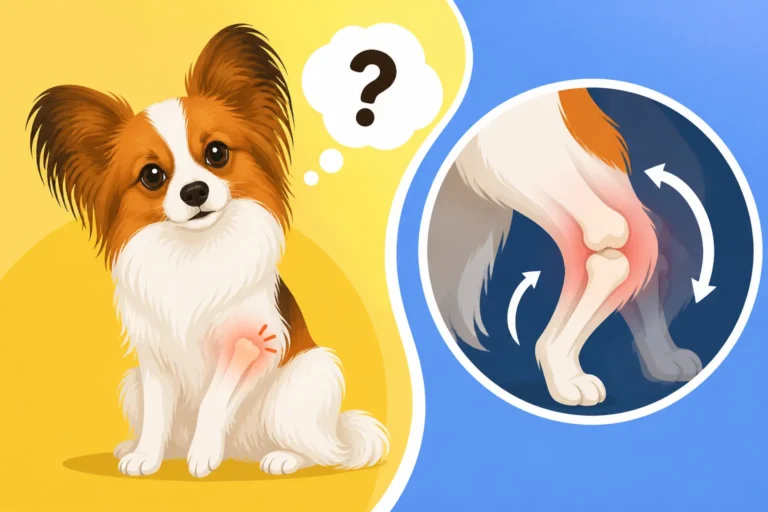
Luxating patella, often simply called a "slipping kneecap," occurs when your Papillon's kneecap (patella) moves out of its normal groove on the thigh bone (femur). Instead of gliding smoothly, it pops out, usually to the inside (medial luxation), but sometimes to the outside (lateral luxation). This might happen occasionally at first, causing your dog to momentarily skip, hop, or hold their leg up, before it pops back into place. For a breed known for its boundless energy and graceful movement, this can be a real jolt. It's not something they "grow out of," and without proper management, it almost always worsens over time.
This condition is often hereditary in Papillons, meaning it's something they're predisposed to due to their genetic makeup. It's not usually caused by an injury, though trauma can exacerbate an existing predisposition. The shallow groove in the femur, or misaligned leg bones, can be contributing factors. The small size of Papillons also makes them particularly susceptible to issues like this, which is why prospective owners often ask What Patellar Luxation Does to a Papillon before bringing a puppy home.
Grades of Luxating Patella and Their Implications
Veterinarians classify luxating patella into four grades, from I to IV, to describe its severity. Understanding these grades is key to deciding on the best course of action for your Papillon, and directly impacts the discussion of braces versus surgery.
- Grade I: The patella can be manually luxated (moved out of place) by a vet but will immediately return to its normal position once released. Your Papillon might show minimal, if any, symptoms, perhaps a subtle skip every now and then. This is often an incidental finding during a routine exam.
- Grade II: The patella luxates spontaneously, meaning it pops out on its own, and stays out for a short period before popping back in. This is usually accompanied by that characteristic skip or hop you might notice. Your Papillon might be lame for a few steps before resuming normal activity. Many owners often ask Which Grade of Luxation Needs Fixing in a Papillon when they first notice symptoms at this stage.
- Grade III: The patella is luxated most of the time but can be manually put back into place by a vet. However, it will immediately luxate again once pressure is removed. Your Papillon will likely show consistent lameness, a bowed-leg appearance, and significant discomfort. They might be reluctant to use the affected leg much.
- Grade IV: This is the most severe grade. The patella is permanently luxated and cannot be manually put back into place. The femur and tibia might be severely twisted, and the groove where the kneecap should sit is often completely flattened. Papillons with Grade IV luxation will experience chronic pain and severe lameness, often using the leg minimally or not at all. Their quality of life is significantly impacted, and they may struggle with even basic movements.
The implications of each grade are profound. While a Grade I might be manageable with conservative care and careful monitoring, a Grade III or IV almost always requires surgical intervention to restore function and alleviate pain.
The Pain and Long-Term Effects Without Intervention
Ignoring luxating patella, especially in higher grades, isn't an option if you want your Papillon to live a long, comfortable life. The continuous popping in and out of the kneecap causes wear and tear on the joint cartilage, leading directly to painful arthritis. Imagine constant friction and instability in your own knee – it's debilitating. Over time, the affected leg muscles can atrophy, becoming weaker, and the bone structure itself can deform.
A Papillon with untreated luxating patella will experience chronic pain, which can manifest as reluctance to play, jump, or even walk. They might become withdrawn, irritable, or less engaged in activities they once loved. The pain can also lead to compensatory issues, where they put more weight on their other legs, potentially causing problems in those joints too. It’s a cascading effect that affects their entire musculoskeletal system. This is why many vets will discuss Whether a Papillon Needs Knee Surgery quite early in the diagnostic process if the luxation is significant. Ensuring they maintain a healthy weight is also crucial, as any extra pounds will put undue stress on compromised joints, making it even harder for them to manage. Diet plans, perhaps with the help of services like Ollie, can be really beneficial here.
Exploring Non-Surgical Options: The Role of Knee Braces
When your Papillon is diagnosed with luxating patella, especially in the earlier stages, the idea of avoiding surgery is often very appealing. The thought of your tiny dog going under anesthesia and enduring recovery can be daunting. This is where non-surgical options, like knee braces, often come into the conversation.
How a Knee Brace Works for a Papillon
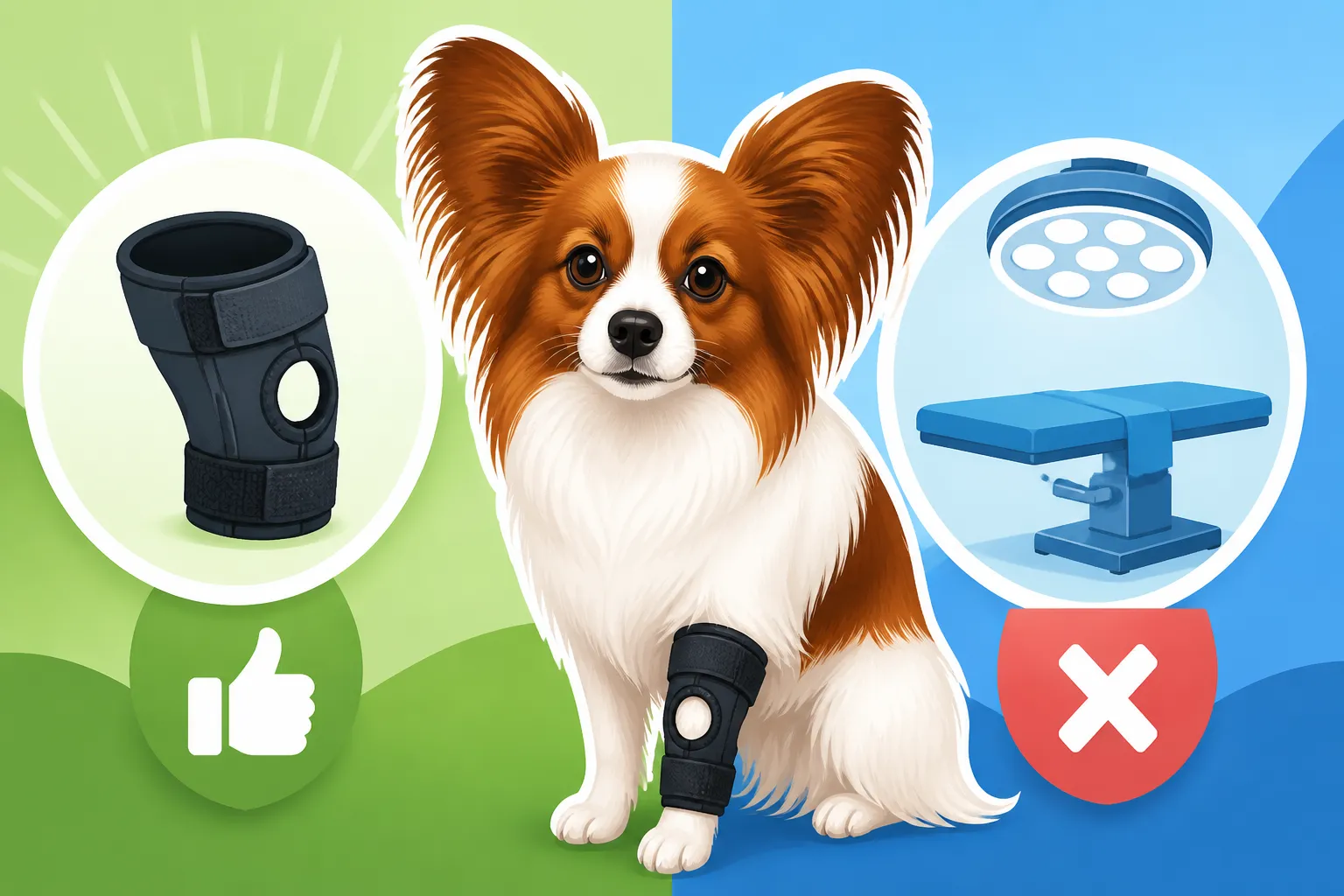
A canine knee brace for luxating patella is designed to provide external support to the knee joint, aiming to stabilize the patella and prevent it from luxating. It works by applying gentle compression and guidance to the kneecap, encouraging it to stay within its trochlear groove. Think of it like a supportive athletic brace for a human knee.
The primary goal is to reduce the frequency and severity of luxation episodes, thereby minimizing pain and preventing further damage to the joint. For a Papillon, whose small size can make them more prone to knee issues, a well-fitted brace can offer a sense of security and stability. However, it's important to understand that a brace is a supportive device, not a corrective one. It manages the symptoms but doesn't fix the underlying anatomical problem. It can be particularly useful for dogs with Grade I or early Grade II luxation, or as a temporary measure before surgery, or for older dogs where surgery might not be a viable option due to other health concerns.
Types of Braces and Their Fit
Not all knee braces are created equal, especially for a delicate breed like a Papillon. You can find off-the-shelf elastic or neoprene wraps, but for a condition like luxating patella, a custom-fitted orthopedic brace is almost always recommended.
- Off-the-shelf braces: These are generally cheaper and easier to acquire. You can often find a variety on pet supply websites like Chewy. However, they rarely provide the precise, targeted support needed for a luxating patella. For a tiny Papillon, a poorly fitting brace can chafe, slip, or even restrict movement in an unhelpful way, causing more problems than it solves. They might be suitable for very mild sprains or general joint support, but not typically for effective patellar stabilization.
- Custom-fitted orthopedic braces: These are designed specifically for your dog's leg, often made from molds or precise measurements taken by a veterinary orthotist. They are constructed from rigid materials, often with straps and hinges, to provide much more robust and accurate support. The benefit here is that they account for your Papillon's unique anatomy, ensuring the brace stays in place and provides the correct alignment. This precision is vital for such a small, active dog.
A proper fit is absolutely paramount. A brace that's too loose won't provide stability, and one that's too tight can restrict circulation, cause skin irritation, or even nerve damage. Your vet or a certified canine rehabilitation specialist can help you determine if a brace is appropriate and guide you through the fitting process, which often involves multiple adjustments to ensure comfort and efficacy.
The True Cost of a Papillon Knee Brace
When considering a knee brace, it's easy to focus solely on the purchase price, but the "true cost" extends beyond that.
- Initial Purchase Price: Off-the-shelf braces might range from relatively inexpensive to moderately priced. Custom orthopedic braces, however, represent a significant investment, often comparable to a substantial portion of a surgical cost. They require professional measurement and fabrication, reflecting specialized craftsmanship.
- Associated Costs: Before even getting a brace, your Papillon will need a thorough veterinary examination and potentially X-rays to assess the severity of the luxation and rule out other issues. If you opt for a custom brace, consultations with a specialist for measurement and fitting will add to the bill.
- Ongoing Maintenance and Replacement: Braces, especially custom ones, need regular cleaning and maintenance. The straps can wear out, the material can degrade, and as your Papillon moves and lives their life, the brace will experience wear and tear. You might need to replace components or even the entire brace over time, adding to the long-term expense. This is especially true if your Papillon is still growing or if their condition changes.
- Complementary Therapies: A brace is rarely a standalone solution. It's often used in conjunction with other conservative management strategies. This might include anti-inflammatory medications for pain, joint supplements, physical therapy, controlled exercise routines, and strict weight management. These ongoing therapies contribute significantly to the overall cost and time commitment. For instance, What Pain Medication Costs for a Papillon's Knees might be an ongoing consideration if the brace isn't fully alleviating discomfort.
While the initial cost of an off-the-shelf brace is undeniably lower than surgery, a custom brace plus all the necessary complementary therapies can quickly add up, making the "cheaper" argument much less straightforward in the long run, especially for higher-grade luxations that truly need more definitive treatment.
The Surgical Route: What to Expect and Its Cost
For many Papillons with moderate to severe luxating patella, surgery often presents the most effective and long-lasting solution. It's a big decision, filled with anxiety about the procedure itself and, of course, the financial implications. But understanding what the surgery entails and the full scope of costs can help you make an informed choice.
Overview of Patellar Luxation Surgery for Small Breeds
The goal of patellar luxation surgery is to correct the anatomical abnormalities that cause the kneecap to slip out of place. There are several techniques a veterinary orthopedic surgeon might employ, often in combination:
- Trochlear Wedge Resection or Block Recession: This involves deepening the trochlear groove (the "track" on the femur where the kneecap rides) so the patella fits more securely.
- Tibial Tuberosity Transposition: This procedure re-aligns the patellar ligament (which attaches the kneecap to the shin bone) by moving the bony prominence (tibial tuberosity) where it inserts. This corrects the angle of pull on the kneecap.
- Capsular Overlap: Tightening the joint capsule on one side and releasing it on the other helps stabilize the joint.
- Femoral Osteotomy: In severe cases where the femur itself is bowed or twisted, a wedge of bone might be removed or added to straighten the limb.
These surgeries are delicate, especially on a tiny Papillon. The surgeon aims to create a stable, pain-free joint that allows for normal function. Post-surgery, strict rest and a carefully managed rehabilitation program are crucial for success. Many owners wonder How a Papillon Recovers From Knee Surgery and are often surprised by the dedication required during the recovery period.
The Full Financial Picture of Surgery and Recovery
When you hear "surgery," you naturally think of the cost of the procedure itself, but that's just one piece of a larger financial puzzle.
- Pre-Surgical Diagnostics: Before surgery, your Papillon will need a thorough physical exam, bloodwork to ensure they are healthy enough for anesthesia, and X-rays of the knee and often the hips to assess the full extent of the issue and plan the surgery. These initial diagnostic costs can be substantial.
- Surgical Procedure Fees: This is the core cost, covering the surgeon's fees, anesthesia, operating room time, and materials. For specialized orthopedic surgery, these fees can vary widely depending on your geographic location, the veterinary practice, and the complexity of your Papillon's specific case. You'll want to ask for a detailed estimate of What Patellar Surgery Costs on a Papillon.
- Post-Operative Care and Medication: After surgery, your Papillon will need pain medication, anti-inflammatory drugs, and possibly antibiotics. Follow-up appointments with your vet to check the incision, remove stitches, and monitor healing are also part of this phase.
- Rehabilitation Therapy: This is a critical, often underestimated, component of recovery. Physical therapy, including controlled exercises, passive range of motion, hydrotherapy, and therapeutic massage, helps strengthen muscles, improve flexibility, and ensure proper healing. What Rehab Costs After a Papillon's Knee Surgery can be a significant ongoing expense, often spanning several weeks to months. It's not a luxury; it's essential for achieving the best long-term outcome.
- Potential Complications: While successful, surgery does carry risks. Complications can include infection, implant failure (if pins or plates are used), re-luxation, or scar tissue formation. Addressing these issues would incur additional vet visits, diagnostics, and potentially further surgery, adding significantly to the overall cost.
This comprehensive cost breakdown highlights that surgery is a significant financial commitment, but it's often an investment in your Papillon's long-term health and mobility. Many owners find pet insurance, from providers like Healthy Paws, to be incredibly valuable in helping manage these costs, especially if they insured their Papillon before the condition manifested, as pre-existing conditions are typically not covered. It's a question of whether Whether a Papillon's Knee Counts as Congenital impacts coverage, which depends entirely on the policy.
Long-Term Outlook and Potential Complications
The long-term prognosis for Papillons undergoing patellar luxation surgery is generally excellent, especially for Grades II and III. Most dogs regain full or near-full function and live comfortably for many years without pain. This is a huge win for their quality of life.
However, it's not a magic bullet. Even with successful surgery, some degree of arthritis may still develop over time, especially if the joint was already damaged prior to the operation. Regular veterinary check-ups, appropriate exercise, Whether Weight Affects a Papillon's Knees, and possibly joint supplements can help manage this. In rare cases, the patella might re-luxate, or the other knee might develop problems, necessitating further intervention. But for the vast majority, surgery provides a lasting solution that a brace simply cannot achieve for higher-grade luxations. It offers a permanent structural correction, aiming to eliminate the root cause of the problem rather than just managing the symptoms.
Making the Decision: Brace vs. Surgery Cost-Effectiveness
Deciding between a knee brace and surgery for your Papillon's luxating patella is a deeply personal and complex choice, balancing immediate costs, long-term financial implications, and your beloved dog's quality of life. There's no single "right" answer that applies to every situation, and it really requires a candid discussion with your vet.
When a Brace Might Be a Viable Short-Term Solution
A knee brace, particularly a custom-fitted orthopedic one, can be a viable option in specific circumstances. It often shines as a short-term or temporary solution, rather than a definitive long-term fix for more severe cases.
- Mild Luxation (Grade I or very early Grade II): For a Papillon with an occasional skip and no significant pain, a brace might offer enough stability to prevent worsening and provide comfort. It can serve as a conservative management tool, alongside strict exercise modification and weight management.
- Pre-Surgical Management: If surgery is scheduled but there's a waiting period, a brace can provide comfort and support, preventing further damage while you await the procedure.
- Non-Surgical Candidates: For older Papillons or those with other severe health conditions that make anesthesia risky, a brace might be the only option to provide some degree of comfort and support, even if it's not a full fix. In these cases, it's about palliative care and improving daily comfort.
- Financial Constraints (Temporary): If the immediate funds for surgery aren't available, a brace might offer a temporary bridge, allowing you to save up for the definitive procedure. However, it's crucial to factor in the brace's cost, ongoing therapy, and the potential for the condition to worsen while you wait.
In these scenarios, the brace is "cheaper" in the immediate sense, avoiding the high upfront cost of surgery. However, you must consider the ongoing expenses of the brace itself, potential replacement costs, and continuous supportive therapies.
When Surgery Becomes the More Economical Choice in the Long Run
While the sticker shock of surgery can be intimidating, for moderate to severe luxating patella (Grade II progressing to III, or outright Grade III and IV), surgery often proves to be the more economical choice over the lifespan of your Papillon.
- Definitive Correction: Surgery addresses the root anatomical problem. Once successful, it typically eliminates the chronic pain and instability, preventing the progression of debilitating arthritis. This means fewer ongoing vet visits for pain management, less reliance on daily medications, and potentially a greatly reduced need for endless rounds of expensive physical therapy purely to manage symptoms.
- Prevention of Worsening Conditions: Delaying surgery for higher-grade luxations almost guarantees the condition will worsen, leading to more severe arthritis, greater pain, and potentially more complex and expensive surgery down the line. It's like patching a leaky roof versus replacing it – a patch might work for a bit, but eventually, the damage will be far greater and more costly to fix.
- Improved Quality of Life: A successful surgery restores your Papillon's ability to run, jump, and play without pain or fear of their kneecap slipping. This improved quality of life, for you and your dog, is immeasurable and often outweighs the initial financial outlay. Imagine your Papillon being able to confidently use Ramps and Steps Cost for a Papillon to get onto the sofa without a second thought.
- Insurance Coverage: If you have pet insurance, especially a comprehensive plan from a company like Healthy Paws that was in place before any signs of luxation appeared, a significant portion of the surgical costs and subsequent rehabilitation might be covered, making the financial burden much more manageable. This dramatically shifts the "cheaper" equation in favor of surgery.
In essence, while the initial cost of surgery is higher, it often represents a one-time (or rarely, two-time if the other knee is also affected) investment that leads to a much lower long-term cost of living for your Papillon, both financially and in terms of their physical well-being.
Considering Quality of Life and Future Expenses
Ultimately, the decision isn't solely about the dollar amount; it's about your Papillon's comfort, happiness, and ability to enjoy life to the fullest. A brace might offer some relief, but if your Papillon is still in pain, or constantly having their kneecap pop out, their quality of life is compromised. They might struggle with mobility, become less active, and generally be less joyful.
Think about the long game. If a brace delays inevitable surgery, or if it's only partially effective, you're looking at a scenario where you've spent money on the brace, plus ongoing conservative care, and then you're still facing the cost of surgery. This often means the cumulative cost far exceeds what a timely surgery would have been.
Consider this comparison:
| Feature | Knee Brace (Custom Orthopedic) | Patellar Luxation Surgery |
|---|---|---|
| Initial Cost | Moderate to high (specialist consults, measurement, fabrication) | High (diagnostics, surgeon's fees, anesthesia, OR time) |
| Ongoing Costs | Moderate (replacement parts, cleaning, complementary therapies, vet checks, pain meds) | Moderate (rehabilitation, post-op checks, maintenance meds/supplements) |
| Effectiveness | Manages symptoms, provides support; can prevent worsening in mild cases. | Corrects anatomical defect; provides long-term stability and pain relief. |
| Quality of Life Impact | Can improve comfort for mild cases; may limit activity in higher grades. | Significantly improves mobility, comfort, and activity levels. |
| Long-Term Prognosis | May delay progression; does not prevent arthritis. Often not a permanent fix for severe cases. | Good to excellent for full recovery and preventing severe arthritis. |
| Risk of Complications | Skin irritation, improper fit, limited efficacy. | Anesthesia risks, infection, re-luxation (low likelihood). |
| Best Suited For | Grade I, early Grade II, pre-surgery, or non-surgical candidates. | Grade II (progressive), Grade III, Grade IV. |
When you weigh these factors, it becomes clear that "cheaper" isn't always better for your Papillon's long-term health and your wallet. While the idea of a less invasive solution is tempting, a well-timed and expertly performed surgery is often the most compassionate and cost-effective route to ensuring your Papillon enjoys a pain-free, active life for many years to come.
Disclaimer
This article is for general informational purposes only and does not constitute professional advice. Laws, prices and regulations vary by location and change over time. Consult a qualified professional for guidance on your specific situation.