What a Papillon’s Eye Certification Costs
When you're welcoming a delightful little Papillon into your life, or even if you're a seasoned owner, the thought of potential health issues and their associated costs can be a real worry. Eye health is one of those areas that often comes up, especially with a breed known for its expressive, captivating eyes. Getting your Papillon's eyes certified isn't just a casual vet visit; it's a specialized examination with its own set of considerations and, yes, a particular cost structure. This guide will walk you through everything involved in getting your Papillon's eyes certified, explaining what influences the price, what to expect during the process, and how to prepare for this important aspect of their care.
Understanding Eye Certification for Papillons
For many Papillon owners, especially those involved in breeding or showing, eye certification isn't just an option; it's a vital part of responsible ownership and breeding practices. It’s about more than just ensuring your dog can see; it’s about identifying and tracking inheritable eye conditions that could impact future generations or your own dog's quality of life.
What is a CERF/OFA Eye Exam?
When we talk about eye certification for dogs, we're primarily referring to examinations performed by a board-certified veterinary ophthalmologist. Historically, these certifications were often associated with the Canine Eye Registration Foundation (CERF). While CERF no longer exists in its original form, the goal of these exams has been largely absorbed by the Orthopedic Foundation for Animals (OFA) through their Companion Animal Eye Registry (CAER) program. The CAER exam is a thorough ophthalmic examination designed to screen for inherited eye diseases.
This isn't your regular once-a-year vet check where the doctor quickly shines a light in your dog's eyes. It's a comprehensive, systematic evaluation of all parts of the eye, from the eyelids and tear ducts to the retina and optic nerve. The ophthalmologist uses specialized equipment to peer deep into the eye, looking for subtle signs of disease that might not be apparent to a general practitioner or even to you, the owner, until the condition has progressed significantly. It's a proactive step to catch potential issues early.
The purpose of these exams is two-fold: first, to provide owners with a detailed assessment of their individual dog's eye health, and second, to gather data on the prevalence of inherited eye diseases within specific breeds. This data is crucial for responsible breeders who want to make informed decisions about mating pairs, helping to reduce the incidence of these conditions in future litters. For pet owners, it offers peace of mind or, if issues are found, a head start on managing or treating them.
Why Papillons Need Eye Certification
Papillons, like many purebred dogs, can be predisposed to certain inherited eye conditions. One of the most significant concerns in the breed is Progressive Retinal Atrophy (PRA). Specifically, the Papillon breed is known for a type called PRA1, which is linked to the CNGB1 gene. This condition causes the cells in the retina to degenerate over time, leading to vision loss, often starting with night blindness and progressing to total blindness. This is why a breeder will typically submit their dogs for regular examinations.
An eye certification exam helps identify dogs affected by PRA1 or other less common but still important conditions like cataracts or even glaucoma. Even if your Papillon isn't intended for breeding, knowing about these potential issues early is incredibly valuable. Imagine realizing your beloved companion is Why a Papillon Can Go Blind at Night and Still See in Daylight, or worse, completely blind, when early detection could have prepared you or allowed for interventions if any were available. Regular certification contributes to the overall health database, which helps the entire breed.
Beyond PRA, other general eye conditions can affect Papillons. These might include conditions like persistent pupillary membranes, distichiasis (extra eyelashes rubbing the eye), or even corneal dystrophies. While some of these might not be debilitating, they can cause discomfort or require ongoing management. An ophthalmologist will carefully assess for all these possibilities, providing a much deeper level of scrutiny than a standard veterinary exam. It's an investment in your dog's long-term comfort and vision.
The Role of a Veterinary Ophthalmologist
It’s crucial to understand that an eye certification exam must be performed by a board-certified veterinary ophthalmologist. This isn't something your general practice veterinarian is typically qualified to do for official certification purposes, although they can certainly perform general eye health checks. A veterinary ophthalmologist is a specialist who has completed extensive additional training beyond veterinary school, including an internship and a multi-year residency, specifically focused on the diagnosis and treatment of eye diseases. They then pass a rigorous board certification exam.
Their specialized knowledge and equipment are what make the certification process valid and thorough. They have the precise tools – like indirect ophthalmoscopes, slit lamps, and tonometers – and the expert eye to detect very subtle changes that a non-specialist might miss. They understand the nuances of breed-specific conditions and the genetic implications, which is vital for proper certification. You wouldn't ask a family doctor to perform delicate eye surgery on yourself, and the same principle applies to your Papillon's specialized eye care.
Finding a board-certified veterinary ophthalmologist usually means visiting a specialty veterinary clinic or a university veterinary teaching hospital. While this might require a bit more travel or a longer wait for an appointment compared to your local vet, the expertise they provide is indispensable for an accurate and reliable eye certification. Their report isn't just a simple "yes" or "no"; it's a detailed document that contributes to the health legacy of the Papillon breed and provides critical information for your dog's personal health plan.
Deconstructing the Cost of a Papillon Eye Exam
When you factor in specialized training, sophisticated equipment, and the time a board-certified veterinary ophthalmologist dedicates to a thorough examination, it’s understandable that eye certification comes with a specific cost. This isn't a one-size-fits-all fee, and several elements contribute to the final bill.
The Ophthalmologist's Consultation Fee
The bulk of the cost for a Papillon's eye certification exam typically stems from the ophthalmologist's consultation fee. This fee covers their expertise, the detailed examination, and the interpretation of their findings. It’s important to remember you're paying for a highly specialized service that goes far beyond a routine check-up. This fee will vary significantly based on several factors, much like any specialized medical service.
Geographic location plays a huge role. Clinics in major metropolitan areas, where the cost of living and operating a specialty practice is higher, will generally charge more than clinics in more rural or less expensive regions. The reputation and demand for a particular ophthalmologist or clinic can also influence pricing; highly sought-after specialists may have higher fees. Additionally, whether the exam is a first-time certification for a young dog or a re-certification for an older dog might have a slight variation, though the core examination process remains similar. Some clinics might offer a slightly reduced rate if you're bringing multiple dogs from the same household or if it's part of a breed club's organized health clinic day. You can often find a current fee schedule by calling specialty clinics in your area directly. For a more general understanding, our article What a Papillon's Eye Exam Costs delves into typical ranges you might encounter.
Ancillary Testing and Fees
Beyond the core consultation fee, there are often additional charges that contribute to the total cost of eye certification. The most common is the cost of dilating eye drops. To get a clear view of the retina and the back of the eye, the ophthalmologist will need to dilate your Papillon's pupils. This involves administering special drops, and the cost of these drops and the time required for them to take effect is usually factored into the overall price or listed as a separate, smaller fee. These drops are essential for a complete examination, allowing the specialist to truly see if there are any signs of conditions like What PRA1 Does to a Papillon's Retina.
Another potential ancillary fee might be for the official submission of the results to a registry like the OFA's CAER program. While the ophthalmologist performs the exam, there's usually a separate fee to register the results and obtain an official certificate. This fee ensures the data is recorded and available for public access (if you choose) and contributes to the breed health database. This is a crucial step for breeders aiming for health clearances. Sometimes, if there are specific concerns during the initial visual examination, the ophthalmologist might recommend further diagnostic tests, such as electroretinography (ERG) to assess retinal function, or ocular ultrasounds. These are not typically part of the basic certification exam but would be discussed and quoted separately if deemed necessary.
Regional Cost Variations
It's impossible to give you an exact figure that applies everywhere, as the cost of a Papillon's eye certification can vary widely depending on where you live. For instance, a specialty clinic in a large city like Los Angeles or New York might charge considerably more than one in a smaller city or a less populated state. This isn't just about overhead; it also reflects the local market for veterinary specialists and the general cost of healthcare in that region.
Think of it like this: if you're getting a specialized medical procedure for yourself, the price can differ significantly between different parts of the country. The same holds true for highly specialized veterinary services. Therefore, it’s always a good idea to research clinics in your specific geographic area. A quick phone call to a few different board-certified veterinary ophthalmology practices can give you a much clearer picture of the current costs. Don't be shy about asking for an estimated fee range upfront; reputable clinics are usually transparent about their pricing for standard procedures. Sometimes, breed clubs organize group health clinics where a veterinary ophthalmologist travels to a central location to examine multiple dogs, and these clinics can sometimes offer a slightly reduced rate due to the volume of exams performed. This is a great option to explore if your local breed club offers it.
Here's a simplified look at the cost components:
| Cost Component | Description | Variability Factors |
|---|---|---|
| Ophthalmologist's Consultation | Fee for the specialist's time, expertise, and comprehensive eye examination. | Geographic location, clinic reputation, individual specialist's rates, whether part of a clinic. |
| Dilating Drops | Cost of the pharmaceutical agents used to dilate pupils for a clearer view of the internal eye structures. | Usually a minor, fixed cost per dog. |
| OFA/CAER Submission Fee | Administrative fee to register the exam results with the Orthopedic Foundation for Animals' Companion Animal Eye Registry. | Fixed fee set by OFA, may vary slightly if submitted by clinic vs. owner. |
| Additional Diagnostics | (Optional) If initial exam indicates need for further tests like ERG, ocular ultrasound, or specific genetic tests. | Condition-dependent, will be quoted separately if recommended. |
What to Expect During the Eye Certification Process
Walking into a specialty veterinary clinic can feel a bit different from your usual vet office. Knowing what’s coming can help ease both your and your Papillon’s anxieties, ensuring a smoother experience for this important health check.
Preparing Your Papillon for the Exam
Preparing your Papillon for an eye certification exam is relatively simple, but a few things can make the experience better for everyone. First and foremost, try to ensure your Papillon is calm and comfortable. A slightly anxious dog can make the examination more challenging for the ophthalmologist. Gentle handling and positive reinforcement are always key with sensitive breeds like Papillons. How sensitive a Papillon Is means they respond best to a reassuring touch and calm voice.
It’s generally a good idea to avoid feeding your Papillon a large meal right before the appointment, just in case they experience any mild nausea from the stress or if any unexpected sedation becomes necessary, though sedation is usually not required for a standard eye certification. Bring a favorite small, high-value treat to reward cooperation during the exam. Also, be prepared for your Papillon’s pupils to be dilated, which will make them sensitive to light for several hours afterward. It’s wise to bring sunglasses for yourself and avoid bright sunlight directly after the appointment; your Papillon might appreciate being carried or having a little shade. You'll likely be asked to fill out some paperwork, so having your dog's registration number (if applicable) and any previous health records handy will be helpful.
The Exam Itself: A Step-by-Step
When you arrive at the specialty clinic, you'll usually check in and then might wait a short while. Once called in, the ophthalmologist or a veterinary technician will typically administer dilating eye drops. These drops take about 15-30 minutes to work, so you might spend a little time in the waiting room or a quiet exam room while they take effect. This waiting period is normal and necessary for the specialist to get a clear view of the deep structures of the eye.
Once your Papillon's pupils are fully dilated, the ophthalmologist will begin the examination. They will use specialized instruments, often in a dimly lit room, to meticulously inspect each part of the eye. This includes using an indirect ophthalmoscope (a light source and lens worn on their head) to examine the retina, a slit lamp biomicroscope to look at the cornea, iris, and lens in fine detail, and sometimes a tonometer to measure intraocular pressure (checking for glaucoma). Your Papillon will need to remain relatively still for this, and the ophthalmologist and technician are usually very skilled at gentle handling. Don't be surprised if your Papillon is held on the exam table, as this is standard practice for a thorough exam. The entire examination typically takes about 20-30 minutes once the dilation is complete. This careful scrutiny is how issues like Whether a Papillon With PRA Bumps Into Things are predicted or confirmed.
Receiving and Understanding the Results
After the examination is complete, the ophthalmologist will discuss their findings with you. If your Papillon's eyes are clear and no inherited conditions are detected, they will typically issue a CAER form stating "Normal." This is fantastic news, especially for breeding dogs, as it indicates they are clear of observable inherited eye disease at the time of examination. This certification is usually considered valid for one year, which is why annual re-examination is recommended, especially for breeding stock, as some conditions can develop later in life.
If any abnormalities are found, the ophthalmologist will explain the condition, its potential impact on your Papillon's vision and health, and any recommended next steps, such as further diagnostic tests or treatment options. This is where the informational value really shines. For example, if they find early signs of cataracts, they can discuss monitoring or potential surgical options. If they suspect a condition like Neuroaxonal Dystrophy in a Papillon Puppy which can have ocular signs, they would guide you on the overall prognosis and management. You’ll receive a copy of the official CAER form, which can then be submitted to the OFA if you wish to have it publicly recorded. This transparency is vital for maintaining healthy breeding lines within the Papillon community and for informed ownership.
Managing and Budgeting for Papillon Eye Care
Thinking about eye health is a continuous journey, not just a one-time event. Integrating eye certification costs into your broader Papillon care budget requires a mindful approach, considering both preventative measures and potential future needs.
Routine Eye Care vs. Certification
It’s important to distinguish between routine eye care and a specialized eye certification. Routine eye care involves the daily or weekly attention you give to your Papillon’s eyes at home, along with the general eye check your regular veterinarian performs during annual wellness exams. This includes gently wiping away any discharge with a soft, damp cloth, checking for redness or irritation, and ensuring their overall eye area is clean. Simple vigilance can catch things like mild conjunctivitis or irritation from debris.
Eye certification, on the other hand, is a deep dive performed by a specialist. It’s designed to identify inherited or complex conditions that wouldn't be apparent during a routine check. While your general vet is excellent for overall health, they don't have the same specialized equipment or the extensive training in ophthalmology to conduct the certification. Think of it like this: your family doctor checks your vision annually, but you see an ophthalmologist for a really thorough, specialized eye exam or if you have a specific eye problem. Both are important, but they serve different purposes. Don't skip your general vet's eye checks just because you've had a certification, and don't assume a general check replaces a certification if you need that level of detail.
Pet Insurance and Eye Certification
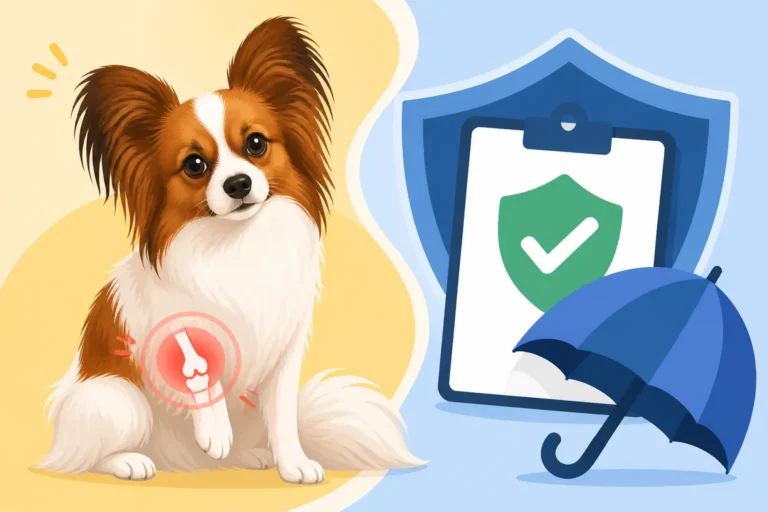
When it comes to covering the costs of eye certification, pet insurance can be a bit of a gray area. Most standard pet insurance policies, such as those offered by Healthy Paws, are designed to cover unexpected accidents and illnesses, not routine wellness or preventative care that isn't directly treating a diagnosed condition. This means that the cost of the eye certification exam itself – the fee for the ophthalmologist and the CAER submission – is typically not covered by pet insurance. It's considered a screening or diagnostic test for health clearances, much like hip or elbow certifications for larger breeds.
However, if the eye certification exam identifies an illness or injury, then subsequent diagnostic tests and treatments for that newly diagnosed condition might be covered, depending on your policy and whether the condition is considered pre-existing. For example, if the ophthalmologist diagnoses early-stage cataracts or another treatable condition, your pet insurance might cover the costs of medication, follow-up appointments, or even surgery. It's crucial to read your policy documents carefully or call your provider directly to understand what is and isn't covered. If you plan to get pet insurance, it's generally recommended to enroll your Papillon as early as possible – ideally as a puppy – before any conditions could be considered pre-existing, as this improves the likelihood of coverage for future issues. Our article What Insurance Covers on a Papillon offers more comprehensive advice on navigating pet insurance for our small friends.
Saving on Supplies and Prevention
While the cost of the actual certification is a specialized expense, you can certainly be proactive and budget-savvy with your Papillon's everyday eye care. Maintaining good general health and hygiene can help prevent minor irritations and keep their eyes bright. Good nutrition, for instance, plays a role in overall health, including eye health. Many owners opt for high-quality kibble or fresh food services like Ollie, or find a wide selection of healthy treats and supplements on sites like Chewy that might support general well-being. Look for foods rich in antioxidants and Omega-3 fatty acids, which are beneficial for overall canine health.
Simple, inexpensive supplies like sterile eye wash (veterinarian-approved, not human eye drops!) and soft cotton pads can be used to gently clean around your Papillon's eyes if they tend to get tear staining or discharge. Regular grooming, especially keeping the hair around their eyes trimmed (carefully!), can prevent irritation. While these preventative measures won't replace the need for specialized certification exams, they contribute to overall eye health and can reduce the likelihood of minor issues that might otherwise require a vet visit. Remember, while a specialized eye exam isn't cheap, it's an investment in understanding your Papillon's genetic predisposition and overall eye health, which can save you far more money and heartache in the long run if a serious condition is caught early.
Breeder Responsibilities
For anyone considering a Papillon puppy, understanding a breeder's responsibility regarding eye certifications is paramount. Reputable and responsible breeders will make eye certification a standard part of their breeding program. They understand the importance of screening their breeding dogs for inherited eye conditions like PRA1 to avoid passing these issues down to puppies.
When you're looking for a puppy, always ask to see the eye certification documents (CAER or OFA certificates) for both the puppy's parents. These should be current, ideally within the last 12 months, as some conditions can develop or progress with age. A breeder who proudly shares these health clearances is demonstrating their commitment to the health of the breed and their individual dogs. The initial cost of a puppy from such a breeder might be higher, but this higher price often reflects the investment they've made in health testing, proper care, and responsible breeding practices. Our article Which Health Tests a Papillon Breeder Should Run provides an excellent checklist of what to look for. Choosing a puppy from health-tested parents significantly reduces your risk of encountering costly, heartbreaking genetic eye diseases down the line, ultimately offering better value and more peace of mind for you and your Papillon.
Disclaimer
This article is for general informational purposes only and does not constitute professional advice. Laws, prices and regulations vary by location and change over time. Consult a qualified professional for guidance on your specific situation.