Whether a Papillon Needs Yearly Eye Certification
It’s a common worry for Papillon owners, gazing into those beautiful, intelligent eyes framed by their magnificent ear fringe. You see your little companion, full of life, and you want to ensure they stay that way, especially when it comes to something as vital as their sight. The question often pops up: do Papillons truly need a yearly eye certification, or is a regular vet check-up enough? This comprehensive guide will walk you through the specifics of Papillon eye health, what eye certification really entails, and when it’s most critical for your butterfly-eared friend.
Understanding Papillon Eye Health Concerns
Our delightful Papillons are generally a robust breed, known for their long lifespans and boundless energy. But like all purebred dogs, they do have certain predispositions, and eye health is definitely one area that warrants attention. It’s not just about seeing clearly; it's about comfort, quality of life, and catching potential issues before they become debilitating.
Common Eye Conditions in Papillons
One of the most talked-about eye conditions in Papillons is Progressive Retinal Atrophy, often abbreviated as PRA. Specifically, the breed is known for a type called PRA1, which is inherited. Imagine your dog slowly losing their ability to see, starting with their night vision and gradually affecting their daylight sight over time. It’s heartbreaking to contemplate, and it’s a very real concern for many Papillon owners and breeders. The condition can manifest in middle age, typically between three and six years old, but the genetic predisposition is there from birth. The Papillon Type of Progressive Retinal Atrophy and the CNGB1 Gene explains the genetic details further.
Beyond PRA, Papillons can also experience other eye conditions that aren't necessarily breed-specific but can still impact their well-being. Cataracts, for example, can form in a Papillon's eyes, just like in humans. These are cloudy areas that develop on the lens of the eye, obstructing vision and potentially leading to blindness if severe enough. While some cataracts are age-related, others can be inherited or secondary to other health issues. Cataracts in a Papillon delves into this particular concern. Dry eye, or keratoconjunctivitis sicca (KCS), is another condition where the eyes don't produce enough tears, leading to irritation, discomfort, and potentially more serious problems if left untreated. These conditions highlight the importance of attentive observation and professional veterinary care.
Why Regular Eye Checks Matter for Small Breeds
It's easy to assume that because Papillons are small, their health needs are simpler, but that's a misconception. Their delicate size actually makes some issues more pronounced or harder to spot. For instance, tiny foreign objects can cause significant irritation in a small eye, or the anatomical structure of their skull can sometimes predispose them to certain conditions.
Regular eye checks are crucial because dogs are masters at hiding pain and discomfort. Your Papillon might be bumping into furniture at night, or squinting in bright light, and you might not even notice it until the condition has progressed significantly. Catching these issues early can often mean better treatment outcomes, or at least help you manage the condition more effectively to maintain your dog's quality of life. Think of it as preventative maintenance for their most precious sense. A diligent owner understands that these little dogs are hardy in spirit, but their physical structure sometimes requires a bit more vigilance.
What is Eye Certification and Who Performs It?
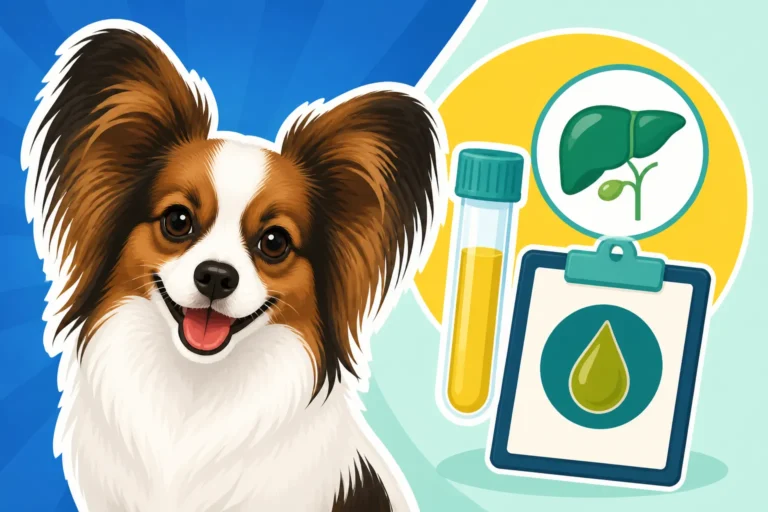
When we talk about "eye certification," we're generally referring to a specialized examination performed by a board-certified veterinary ophthalmologist. This isn't your routine vet check-up, though those are incredibly important too. This is a deep dive into the health of your Papillon's eyes, looking for specific inherited conditions.
The Role of OFA and ACVO in Eye Health
In the world of purebred dog health, two acronyms often come up: OFA and ACVO. The Orthopedic Foundation for Animals (OFA) maintains a public database of health clearances for various inherited diseases, including eye conditions. When a dog has its eyes examined by an ACVO diplomate (a member of the American College of Veterinary Ophthalmologists) and the results are submitted, it becomes part of this certification process.
An ACVO diplomate is a veterinary specialist who has undergone extensive additional training and certification in ophthalmology. They are the experts in canine eye health, equipped with specialized knowledge and equipment to diagnose even subtle eye abnormalities. So, when you take your Papillon for an eye certification, you're not just going to any vet; you're seeking out a highly trained specialist. This distinction is vital, especially if you're concerned about inherited conditions or if your dog is part of a breeding program. These certifications provide a snapshot of your dog's eye health at a particular time, and for breeders, they are critical tools for making responsible breeding decisions. What a Papillon Breeder Should Have Tested provides more context on general health screenings.
What Happens During an Eye Certification Exam
The eye certification exam itself is a thorough process. When you arrive with your Papillon, the ophthalmologist will typically start by discussing your dog's history, any concerns you might have, and their general health. Then comes the examination, which usually involves a series of steps:
- Initial Visual Assessment: The specialist will observe your Papillon's eyes and how they react to light and movement. They'll look for any obvious abnormalities, discharge, or signs of discomfort.
- Dilating Drops: To get a clear view of the deeper structures of the eye, dilating drops are applied. These drops temporarily enlarge the pupils, allowing the ophthalmologist to examine the retina, optic nerve, and lens more effectively. This might make your Papillon's eyes sensitive to light for a few hours afterward, so don't be alarmed!
- Slit Lamp Examination: A specialized microscope called a slit lamp is used to examine the cornea, iris, and lens in detail. This allows the ophthalmologist to detect subtle changes, like early cataracts or corneal dystrophies, that might be missed during a routine exam.
- Ophthalmoscopy: Using an ophthalmoscope, the specialist will look at the back of the eye, specifically the retina and optic nerve. This is where conditions like Progressive Retinal Atrophy (PRA1) would be identified. They are looking for specific degenerative changes in these structures.
- Gonioscopy (if needed): In some cases, especially if glaucoma is a concern, a small lens might be placed on the eye to examine the drainage angle.
After the examination, the ophthalmologist will discuss their findings with you. If no inherited conditions are found, they will issue a certification, often submitted to the OFA database. If issues are found, they will outline potential diagnoses, prognoses, and treatment options. It's a comprehensive check that leaves no stone unturned when it comes to your Papillon's vision.
Is Yearly Eye Certification Really Necessary for Every Papillon?
This is the million-dollar question for many Papillon parents, and the answer isn't a simple yes or no. It really depends on your individual Papillon, their role in your life, and their genetic background. It’s about balancing comprehensive care with practical considerations like time and cost.
When Yearly Certification Is Crucial
For breeding dogs, yearly eye certification by an ACVO diplomate is absolutely critical. Responsible breeders understand the importance of screening their breeding stock to avoid passing on inherited eye diseases like PRA1. Without these annual checks, a breeder could unknowingly perpetuate serious genetic conditions within the breed, leading to heartache and expense for future puppy owners. How PRA1 Is Inherited in Papillons further explains the genetic aspect. A dog might test clear one year, but conditions like PRA1 can develop later in life. So, for a dog actively used in a breeding program, these yearly certifications are non-negotiable.
Another scenario where yearly certification is highly recommended is if your Papillon comes from a lineage with known eye health issues, even if they aren't directly used for breeding. Perhaps a close relative developed PRA1 at an early age, or there's a history of cataracts in the line. In these cases, heightened vigilance through annual specialist exams can help detect early signs of disease and allow for proactive management. This also includes Papillons participating in demanding activities like agility, where excellent vision is paramount for safety and performance. Whether a Papillon's Eyes Should Be Checked Before Agility reinforces this point.
When Less Frequent Checks Might Suffice
If your Papillon is a beloved pet and not part of a breeding program, and especially if they come from a line of dogs with clear eye health certifications, yearly visits to a specialist ophthalmologist for certification might not be strictly necessary. A thorough eye exam as part of your annual wellness visit with your general veterinarian is usually sufficient for most pet Papillons. Your regular vet is trained to spot common eye problems and can refer you to a specialist if they find anything concerning.
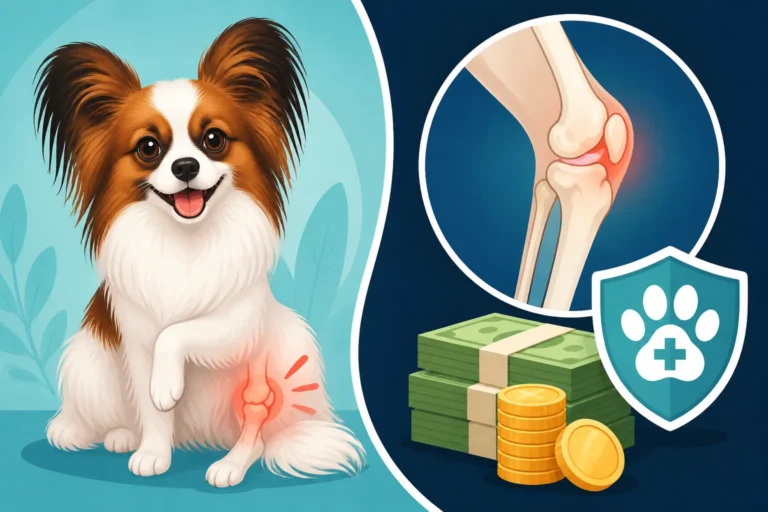
For many pet owners, the cost of specialized yearly certification can be a factor. What a Papillon's Eye Exam Costs can give you a general idea of the expense involved. While some pet insurance providers, like Healthy Paws, might cover specialist visits for unexpected illnesses, routine certification exams might not always be included. It's always best to check with your insurance provider about what their plans cover regarding preventative specialist care.
A good compromise for pet Papillons from healthy lines might be an initial ACVO certification as a young adult (say, between 1-3 years old) to establish a baseline, followed by regular annual checks with your primary vet. If any changes are noted, or as your Papillon ages, then another specialist visit could be warranted. The Age PRA1 Appears in a Papillon notes that PRA1 typically appears between 3-6 years of age, so a certification before or during that window is particularly insightful.
Balancing Cost and Care
It’s no secret that veterinary care can be expensive, and specialized exams add another layer to that cost. As a Papillon owner, you want the best for your dog, but you also have to consider your budget. This is where a realistic approach comes in.
Here's a simplified comparison to help you weigh your options:
| Factor | Breeding Dog / High-Risk Line | Pet-Only Papillon (Clear Lineage) |
|---|---|---|
| Type of Exam | Yearly ACVO board-certified ophthalmologist exam for certification. | Annual eye check by general veterinarian during wellness visit. Specialist referral if concerns arise. |
| Frequency | Annually is ideal, especially during prime breeding years. | Annually with general vet. Specialist exam once as a young adult or as needed. |
| Primary Goal | To detect and prevent inherited eye diseases from being passed on; maintain breed health. | To monitor general eye health, detect common issues, and address any changes promptly. |
| Cost | Higher due to specialist fees and potentially multiple certifications over years. | Lower for routine checks. Specialist fees incurred only if referred. |
| Insurance Impact | May not cover routine certification fees, but could cover treatment if a condition is diagnosed. Check policies like Healthy Paws. | Routine exams often covered by wellness plans, specialist visits for illness might be covered by accident/illness policies. |
For many, the cost of veterinary care can be daunting, but it’s an integral part of What a Papillon Costs Over Its Lifetime. Building a relationship with your general veterinarian, who knows your Papillon's history, is paramount. They can advise you on whether a specialist certification is necessary for your specific dog, taking into account their age, lineage, and any observed symptoms. Don't hesitate to discuss your concerns openly with your vet; they are there to help you make informed decisions that are best for your Papillon and your family.
Beyond Certification: Daily Eye Care and Vigilance
While specialized certifications are important, particularly for certain Papillons, the everyday care and keen observation you provide are just as crucial for their long-term eye health. You are your Papillon's first line of defense!
Simple At-Home Eye Health Checks
Making a habit of checking your Papillon's eyes daily or several times a week can catch minor issues before they escalate. It only takes a few moments and can make a world of difference.
Here’s what you can look for:
- Clarity and Brightness: Healthy Papillon eyes should be clear and bright. Look for any dullness, cloudiness, or bluish haze. This could indicate cataracts or other corneal issues.
- Discharge: A small amount of clear discharge is usually normal, especially after waking up, but excessive tearing, thick discharge, or any discharge that is yellow, green, or blood-tinged is a red flag.
- Redness or Swelling: The whites of the eyes (sclera) should not be overly red, and there should be no swelling around the eyelids. Redness can indicate irritation, allergies, or infection.
- Squinting or Pawing: If your Papillon is frequently squinting, blinking excessively, or pawing at their eyes, it's a sign of discomfort or pain. This could be due to a foreign object, an injury, or an underlying condition.
- Pupil Size and Reactivity: Both pupils should be the same size and should constrict (get smaller) in response to light. Unequal pupil sizes or pupils that don't react to light can indicate neurological issues or severe eye problems.
- Changes in Behavior: Has your Papillon become more hesitant to go downstairs at night? Are they bumping into furniture in dimly lit rooms? These could be subtle signs that their vision, particularly their night vision, is deteriorating. Signs a Papillon Is Losing Night Vision further details these behavioral changes.
Beyond observation, simple grooming can also contribute to eye health. The long fringes around a Papillon's ears and face are beautiful, but they can sometimes wick moisture into the eyes or irritate them. Gently cleaning the area around their eyes with a damp, soft cloth can prevent tear staining and irritation. If your vet recommends specific eye drops or washes, you can often find a good selection on sites like Chewy. Regular, gentle handling of your Papillon, starting when they are a puppy, will make these checks and any necessary medical procedures much easier for everyone.
Recognizing the Signs of Trouble
It’s important to distinguish between minor irritations and more serious issues that warrant immediate veterinary attention. While some things can wait for your next routine vet visit, others are emergencies.
When to call your vet promptly:
- Any sudden onset of redness, swelling, or discharge.
- If your Papillon is visibly in pain, pawing at their eye, or holding it shut.
- Sudden cloudiness or changes in eye color.
- A visible injury to the eye, even if it seems minor.
- Sudden vision loss or severe clumsiness.
Remember, even conditions like PRA1, which progress gradually, can have early signs that a trained eye might catch. Whether a Papillon With PRA Bumps Into Things gives insight into the practical challenges of a Papillon losing its sight. The sooner you identify a problem, the more options you and your vet will have. Maintaining good overall health through a balanced diet, like those offered by services such as Ollie, can also contribute to your Papillon’s well-being and resilience, potentially supporting eye health from the inside out. Your active participation in their care, coupled with professional guidance, creates the best possible outcome for your precious Papillon.
Ultimately, whether your Papillon needs yearly eye certification by a specialist depends on their unique circumstances, especially if they are involved in breeding. However, all Papillons benefit immensely from regular general veterinary check-ups that include a thorough eye exam. Combined with your watchful eye at home and a proactive approach to their care, you can ensure their dazzling eyes stay as healthy and bright as possible throughout their long and happy lives.
Disclaimer
This article is for general informational purposes only and does not constitute professional advice. Laws, prices and regulations vary by location and change over time. Consult a qualified professional for guidance on your specific situation.