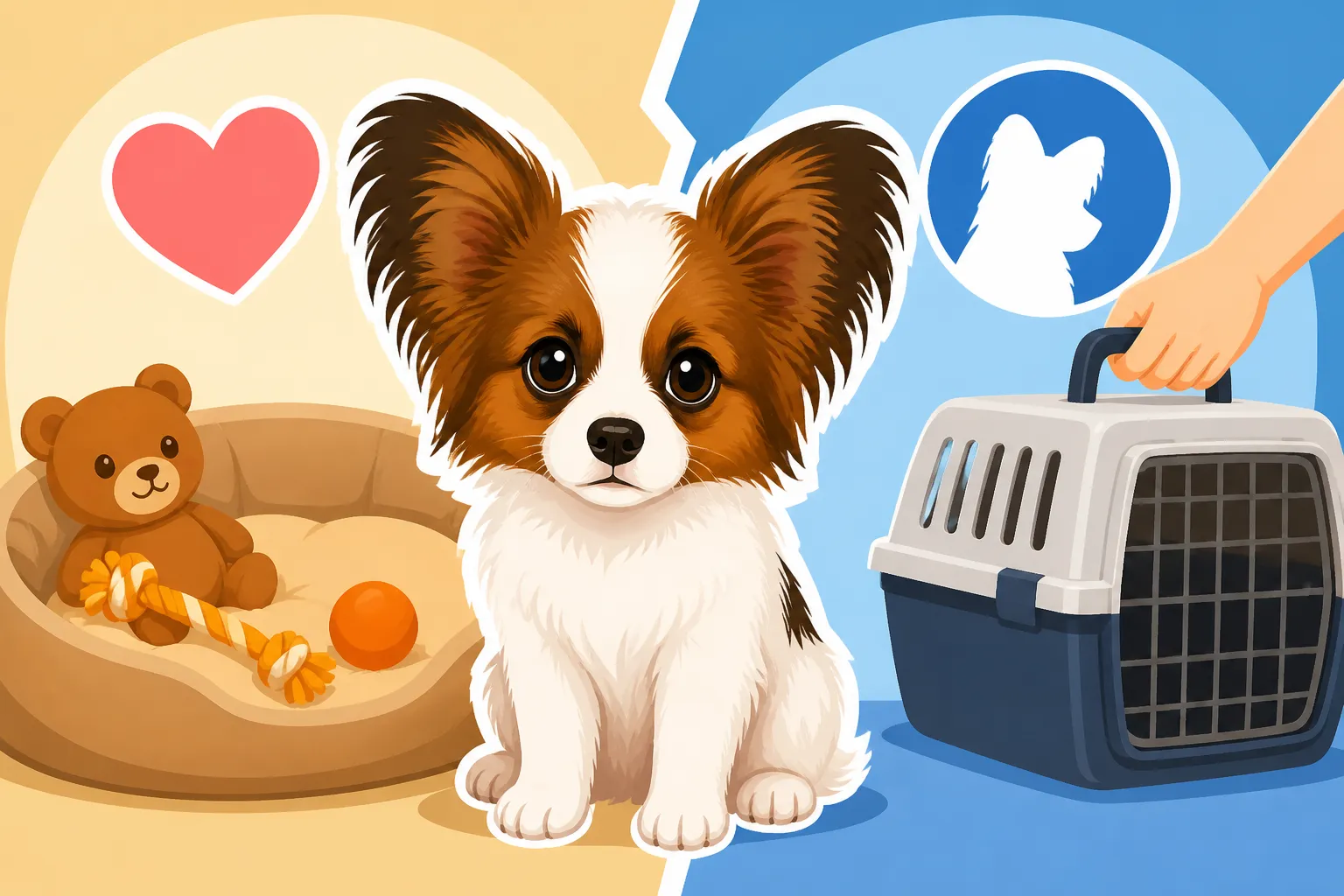
Whether a Papillon Puppy Should Leave at Ten Weeks
Bringing a new Papillon puppy home is such an exciting time, but if you're like many new owners, you might find yourself wondering about the "right" age for a tiny puppy to leave its first home. It's a common concern, and for good reason! Sending a delicate little Papillon puppy off too soon can have significant impacts on their health and future behavior. This guide is here to walk you through why a ten-week departure often serves these small, intelligent companions best, helping you understand the crucial developmental stages your puppy goes through and what a responsible breeder is truly looking out for.
The Crucial Window of Early Puppy Development
The first few weeks of a puppy's life are absolutely foundational, shaping everything from their physical robustness to their emotional resilience. For toy breeds like the Papillon, this early period is even more critical, as their tiny bodies and rapidly developing minds have unique needs that differ quite a bit from their larger canine cousins.
Why Eight Weeks Isn't Always Enough for Tiny Breeds
While eight weeks is a perfectly acceptable age for many larger breed puppies to go to their new homes, for a diminutive Papillon, those extra two weeks can make an enormous difference. Think about it: a Papillon puppy at eight weeks old is incredibly small and delicate. Their bones are still very fragile, their immune systems are still developing, and they are still learning vital life skills from their mother and littermates.
One of the biggest concerns for tiny breeds leaving too early is hypoglycemia, or low blood sugar. Papillon puppies, especially the smaller ones, have very little body fat to draw on for energy, and their systems aren't as efficient at regulating blood sugar as an adult dog's. Stress from a new environment, a change in feeding schedule, or even just missing a meal can quickly lead to a dangerous drop in blood sugar. An eight-week-old Papillon might be physically weaned from their mother's milk, but they are often still somewhat reliant on the breeder's strict schedule and watchful eye to ensure consistent caloric intake. The extra time allows their metabolic system to mature, making them more stable and less prone to these scary "crashes." This stability is paramount to their survival and long-term health. If you're curious about this, you can learn more in Whether a Papillon Gets Hypoglycemia as a Puppy.
The Impact of Littermate Learning and Socialization
Beyond physical health, those early weeks are a critical period for social development. Staying with their littermates and mother teaches a puppy invaluable lessons that no human can fully replicate. Imagine a puppy playing with its siblings: if one bites too hard, the other will yelp and stop playing. This is how they learn bite inhibition – understanding how much pressure they can exert with their mouths without causing pain. Without this crucial learning, a puppy might grow up to be a "mouthy" dog, nipping too hard during play because they never learned the boundaries.
Their mother also plays a huge role in teaching manners and boundaries. She might gently correct them with a growl or a nudge, teaching them respect and proper canine etiquette. This early socialization helps a Papillon puppy develop confidence, learn to read canine body language, and understand their place in a social structure. Puppies removed too early can sometimes be more prone to fearfulness, anxiety, or even aggression because they missed out on these essential lessons. They might not understand how to interact appropriately with other dogs, leading to awkward or conflict-filled encounters later on. This foundational learning sets the stage for a well-adjusted, confident adult dog who knows how to navigate the world around them.
Physical and Emotional Milestones at Ten Weeks
By the time a Papillon puppy reaches ten weeks of age, they’ve often crossed several significant developmental thresholds that make their transition to a new home much smoother and safer. These additional two weeks are not just arbitrary; they are packed with crucial growth and learning experiences.
Physical Readiness: Stability and Weaning
At ten weeks, a Papillon puppy is typically much more physically robust than they were at eight weeks. They are usually completely weaned from their mother, eating solid food consistently, and have developed a more stable digestive system. This means their little bodies are better equipped to handle the minor dietary changes that inevitably come with moving to a new home and a different brand of kibble or food from, say, Chewy or Ollie. Their blood sugar regulation is also significantly more stable, drastically reducing the risk of life-threatening hypoglycemia that can plague younger, tiny puppies.
Beyond just food, a ten-week-old Papillon puppy is generally more coordinated and stronger on their feet. They've had more time to build muscle and develop their motor skills, making them less clumsy and more resilient. This physical maturity helps them navigate new environments with greater ease, reducing the chance of accidental tumbles or injuries common in more fragile younger puppies. This added stability is a huge comfort to new owners and a testament to a breeder's commitment to setting their puppies up for success.
Emotional Maturity: Confidence and Resilience
The emotional leap a Papillon puppy makes between eight and ten weeks is truly remarkable. These extra two weeks spent with their littermates and mother allow for a deeper level of emotional development, resulting in a more confident and resilient puppy. They’ve had more time to solidify their understanding of social cues, practice problem-solving, and develop coping mechanisms for minor stresses within their familiar environment.
When a ten-week-old Papillon puppy leaves for their new home, they tend to handle the transition with greater aplomb. They are less likely to experience severe separation anxiety from their littermates and mother, and they often adjust to new sights, sounds, and smells with more curiosity and less fear. This isn't to say they won't feel a pang of sadness or be a little overwhelmed, but their increased emotional maturity helps them bounce back quicker. They’ve learned how to "be a dog" from their first family, which empowers them to step into their new role with more self-assurance. For a breed as intelligent and sensitive as the Papillon, this emotional head start is invaluable for their long-term well-being and their ability to bond securely with their new human family.
Early Socialization and Handling from the Breeder
A truly responsible breeder utilizes those extra weeks to continue the vital process of early socialization and gentle handling, ensuring the puppy is as prepared as possible for life outside the whelping box. This isn't just about letting them play; it’s a deliberate effort to expose the puppies to a variety of positive experiences in a controlled manner.
This might include introducing them to different surfaces, from carpet to hardwood, and gentle sounds like the vacuum cleaner, the TV, or even outdoor noises. The breeder might also start gentle handling exercises, getting the puppies used to having their paws touched, ears examined, and bodies held. This routine desensitization is crucial for future vet visits, grooming sessions, and simply making them comfortable with being touched and loved by their new family. A ten-week-old Papillon puppy from a conscientious breeder will have had more opportunities for one-on-one interaction with humans, often leading to a puppy who is already starting to understand basic commands, is comfortable being cuddled, and is well on their way to being house-trained. This foundational work by the breeder makes a world of difference for the new owner, laying the groundwork for a well-adjusted, confident, and outgoing companion.
What to Consider When a Breeder Suggests Ten Weeks (or Later)
When you’re eagerly awaiting your new Papillon puppy, hearing that you might have to wait an extra couple of weeks can feel like an eternity. However, a breeder who insists on a ten-week or even twelve-week departure for their small breed puppies is almost always doing so for the right reasons – and it's a huge green flag!
Why a Responsible Breeder Prefers Ten Weeks
A breeder suggesting a ten-week departure isn't trying to inconvenience you; they are prioritizing the long-term health and emotional stability of the puppy. For small breeds like Papillons, those extra weeks in the breeder's home mean continued close observation, ensuring the puppy is robust, eating well, and developing normally. It allows ample time for all initial vaccinations to be administered, giving the puppy a stronger immune system before entering a new environment where they might encounter new pathogens. You can typically find more about this in The Vaccination Schedule a Papillon Puppy Needs.
This extended stay also means the puppy benefits from more sophisticated socialization from the breeder. They might introduce puppies to different people, gentle children (if applicable), and other adult dogs, always in a safe and positive way. This careful exposure helps shape a confident, adaptable personality. It's a sign that the breeder views themselves as custodians of these precious lives, not just as sellers. They've invested time, resources, and emotional energy into ensuring their puppies are as physically and emotionally prepared as possible for their transition. It demonstrates a deep understanding of the breed's unique needs and a commitment to responsible breeding practices, often going above and beyond minimum requirements. When you find a breeder like this, you know you're likely getting a puppy that has had the very best start in life.
The Downsides of an Earlier Departure for a Papillon
Conversely, pushing for an earlier departure, or encountering a breeder who routinely sends their tiny Papillon puppies home at eight weeks, can expose your new companion to unnecessary risks. The primary concern, as we've discussed, is the heightened risk of hypoglycemia. An eight-week-old Papillon is still incredibly fragile, and the stress of a new environment, new schedule, and potentially missing a meal can quickly lead to a dangerous drop in blood sugar levels. This can result in emergency vet visits and a very scary start to your life together.
Beyond immediate health, there are significant behavioral downsides. Puppies removed too early often miss out on crucial "littermate learning" which is vital for developing appropriate social skills, bite inhibition, and confidence. This can manifest as shyness, fear, or even aggressive tendencies later in life because they weren't taught how to interact with other dogs or even how to modulate their play with humans. They might be slower to house train or more prone to separation anxiety because they haven't had enough time to develop independence in a secure environment. Essentially, an earlier departure can mean a puppy that requires more intensive management, more vet visits, and potentially more behavioral intervention down the line. It's a gamble that, for such a delicate and intelligent breed, simply isn't worth taking.
Preparing Your Home for a Ten-Week-Old Papillon
Bringing home a ten-week-old Papillon means you're welcoming a puppy that's a little more robust and confident, but still incredibly tiny and vulnerable. Your home preparation should be thorough, focusing on safety, comfort, and setting the stage for good habits. First and foremost, puppy-proof everything! Papillons are naturally curious and quick. Get down on their level and look for anything they might chew, swallow, or get tangled in. Electrical cords, small objects, toxic plants, and cleaning supplies need to be secured.
Create a safe, cozy space for your puppy, like a crate or a playpen, where they can retreat and feel secure. This should be their personal den, filled with soft bedding and appropriate chew toys. Even a ten-week-old Papillon will need a comfortable, warm spot to sleep, perhaps with a soft blanket for burrowing. When it comes to food, ensure you have the same high-quality puppy food the breeder was using to minimize digestive upset during the transition. Brands like Ollie or Chewy offer excellent options for small breed puppies, but always stick to what the breeder recommends initially. Have small, easily digestible treats on hand for training; Papillons are incredibly smart and food-motivated, so positive reinforcement works wonders. You might be interested in Which Kibble a Papillon Can Actually Pick Up and Whether a Papillon Puppy Should Be Fed Four Times a Day.
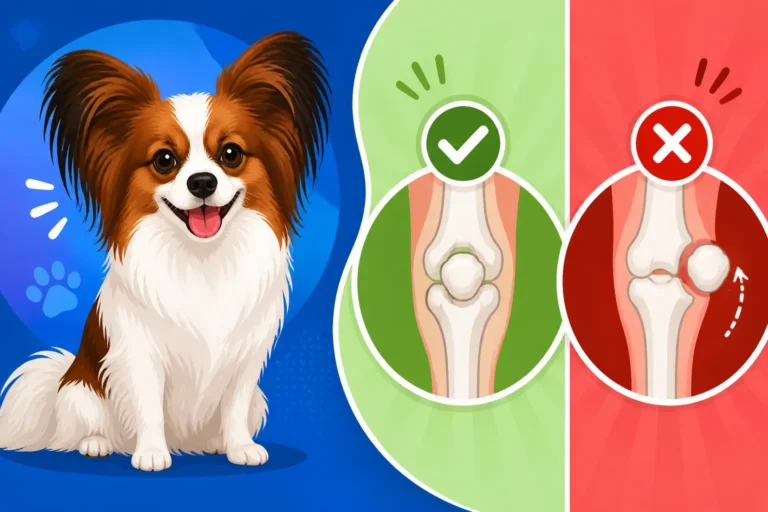
Finally, think about their long-term health. Given that Papillons are prone to certain breed-specific issues like Patellar Luxation Is the Papillon Problem You Will Actually Meet, it's wise to research pet insurance providers like Healthy Paws before any health issues arise. Having a plan in place for unexpected veterinary costs can provide immense peace of mind. Getting a ten-week-old Papillon is an investment in time and love, and preparing your home thoughtfully makes that transition smoother for everyone.
Navigating Exceptions and Red Flags
While ten weeks is generally considered the optimal age for a Papillon puppy to transition to their new home, there are always unique circumstances. It's important to understand when an exception might be truly justifiable and, crucially, what warning signs to look out for in a breeder.
When an Eight-Week Departure Might Be Considered (and Caution)
In extremely rare and specific situations, an eight-week departure for a Papillon puppy might be discussed, but this should be seen as the exception to the rule and always approached with extreme caution and professional guidance. For example, if a puppy is an "only child" and hasn't had littermates for social learning, or if there's a unique family situation where the breeder believes the puppy's development would be better served in its permanent home under very specific, controlled conditions. Even then, the puppy would need to be exceptionally robust for its age, show advanced signs of emotional maturity, and, critically, have a clean bill of health from a veterinarian who understands the specific needs of toy breeds.
This decision should never be made lightly or without direct consultation with the breeder's veterinarian and your own. Both vets should agree that the puppy is physically and emotionally ready. Even with such approvals, the new owner must be fully prepared to provide intensified care, including very frequent feedings to prevent hypoglycemia, constant supervision, and a proactive approach to socialization that the puppy missed out on with its littermates. This scenario often requires more work and vigilance from the new owner, making the usual ten-week recommendation far more appealing for most first-time or even experienced Papillon owners.
Red Flags to Watch For
When searching for a Papillon puppy, being aware of red flags can save you a lot of heartache and expense down the road. A major red flag is any breeder who consistently offers Papillon puppies for sale before eight weeks of age, or worse, pushes for an even earlier pickup. This often indicates a breeder who is more interested in moving puppies quickly than ensuring their proper development and health. Responsible breeders understand the critical developmental stages and will prioritize the puppy's well-being over a quick sale.
Other red flags include a breeder who is unwilling or unable to provide veterinary records for the puppy and its parents, including proof of health testing for breed-specific conditions like PRA1 or patellar luxation. If a breeder can't clearly explain their socialization practices, seems hesitant to answer your questions thoroughly, or doesn't have a clean, safe environment for their puppies, these are all signs to be wary. Similarly, if they don't have a clear contract outlining health guarantees and return policies, it's a cause for concern. Remember, a good breeder will often have a waiting list, and rushing you into a decision or offering immediate availability can sometimes signal that corners are being cut. Always ask about the health tests performed on the parents, something you can delve into further with What a Papillon Breeder Should Have Tested. Trust your instincts; if something feels off, it probably is.
| Feature | 8-Week Departure (Papillon Puppy) | 10-Week Departure (Papillon Puppy) |
|---|---|---|
| Physical Stability | Higher risk of hypoglycemia, less coordinated, more fragile. | More stable blood sugar, stronger, better motor skills. |
| Emotional Maturity | Can be more prone to fear, anxiety, separation issues. | More confident, resilient, better able to cope with change. |
| Littermate Learning | May miss critical bite inhibition and social cues. | Benefits from extended lessons in canine social etiquette. |
| Breeder Socialization | Less time for breeder's deliberate handling and exposure. | More opportunities for varied positive early experiences. |
| Vaccinations | Often only first round, requiring immediate follow-ups. | Usually has second round completed, stronger immunity. |
| House Training | Typically requires more intensive, immediate effort. | May have a head start, easier transition to new routine. |
| Vet Visits (New Home) | Potentially more frequent due to fragility/stress. | Generally fewer immediate concerns, smoother integration. |
Disclaimer
This article is for general informational purposes only and does not constitute professional advice. Laws, prices and regulations vary by location and change over time. Consult a qualified professional for guidance on your specific situation.