How Many Papillon Litters Are Bred a Year
It's a question many hopeful Papillon owners ask, especially when they start their search for that perfect, butterfly-eared companion: "How many Papillon litters are bred a year?" The truth is, it's incredibly difficult to pin down an exact number, and that very elusiveness speaks volumes about the breed and the nature of responsible breeding. This guide will help you understand why precise figures are so rare and what to realistically expect when looking for your own little Papillon.
The Reality of Papillon Breeding: Why Exact Numbers Are Elusive
When you're trying to find a Papillon puppy, you might expect to see a readily available statistic for yearly litters, like you might find for more common dog breeds. However, with a breed like the Papillon, especially when considering ethical and reputable sources, the picture is far more nuanced. There isn't a central, universally accessible database that tracks every single Papillon litter produced by every breeder across the country or globally. This lack of a clear number stems from several factors, from the types of breeders out there to the very biology of these delicate dogs.
The Difference Between Hobby Breeders and Commercial Operations
The vast majority of Papillon puppies you’ll want to consider bringing into your home come from what we call "hobby breeders." These individuals are passionate about the breed, dedicating their lives to preserving its health, temperament, and conformity to the breed standard. They typically breed only a handful of litters throughout their breeding female's lifetime, and often not even every year. Their primary motivation isn't profit, but rather to produce sound, healthy puppies that will thrive in loving homes and perhaps contribute to the future of the breed through showing or responsible breeding themselves. This approach inherently means fewer litters overall.
On the flip side, you have commercial breeding operations, often referred to as puppy mills. These places do breed dogs frequently, sometimes back-to-back, with little regard for the health or well-being of the parent dogs or puppies. Their numbers would significantly inflate any overall "litters per year" count if they were accurately tracked. However, these operations often fly under the radar, are not registered with reputable breed clubs, and are precisely what responsible prospective owners strive to avoid. Their existence makes any attempt at an accurate count of responsibly bred litters even harder, as their numbers are not public or regulated in the same way.
The Role of Breed Clubs and Registration Data
Organizations like the American Kennel Club (AKC) do track breed registrations, which can give us a general sense of a breed's popularity and overall breeding activity. When a litter is born, a responsible breeder will often register the litter and then individual puppies with their respective kennel club. However, this data reflects registrations, not necessarily the total number of litters. Not every litter born, even from a hobby breeder, is always registered, though most reputable breeders will register their puppies.
More importantly, registration data doesn't provide a real-time, comprehensive count of how many litters specifically came to be in a given year across all breeders. It's more of an aggregate of individual dog registrations. While a rise or fall in overall registrations can indicate trends in breeding activity, it doesn't give us the granular detail of yearly litter counts per breeder or the national total. It's a snapshot of popularity, which correlates to how many dogs are being bred, but it's far from a precise tally.
Factors Limiting Papillon Litter Frequency
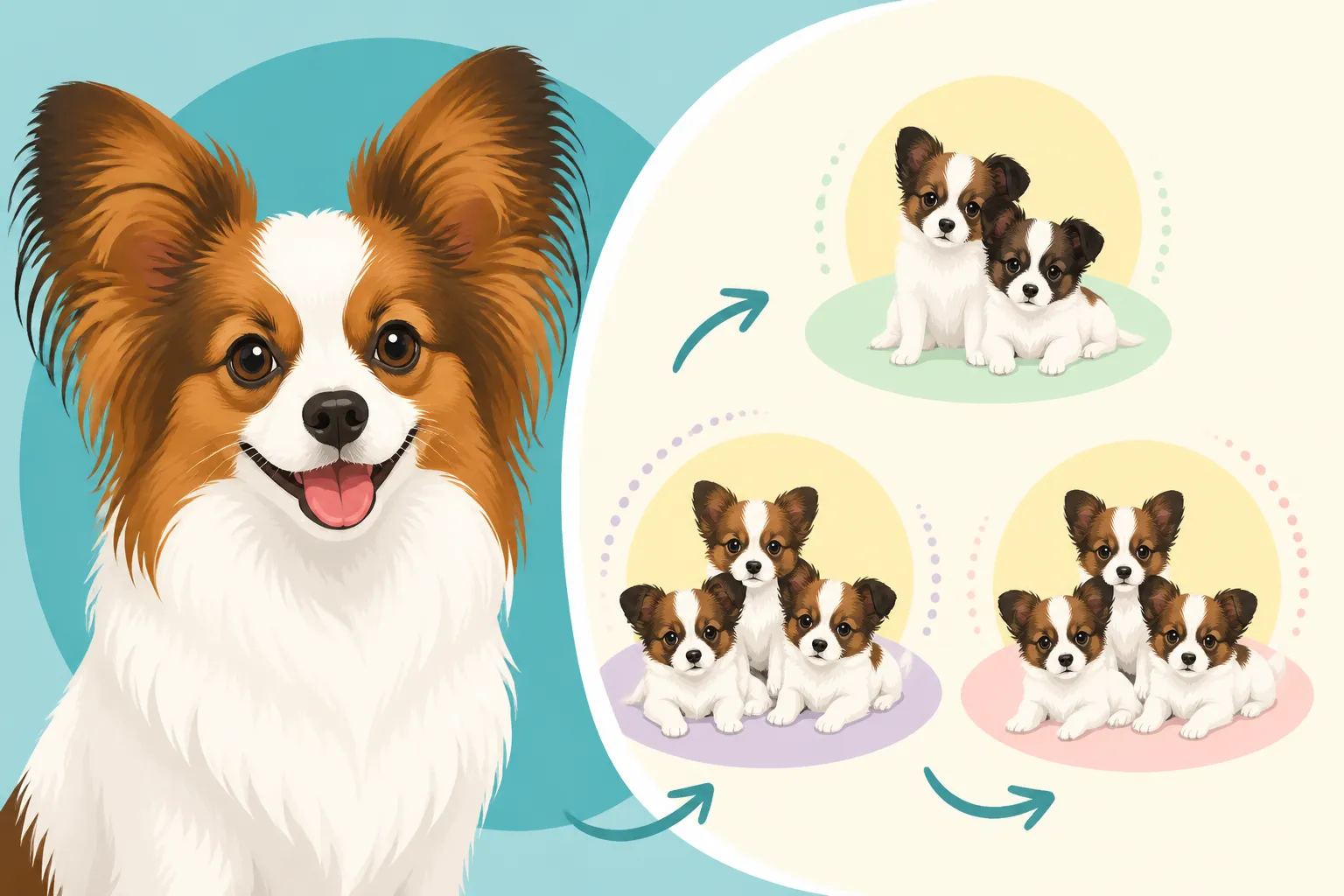
Beyond breeder intentions, the Papillon's physical characteristics also play a significant role in why litters are less frequent and often smaller than with larger breeds. Papillons are tiny dogs, typically weighing between 5 to 10 pounds. This small stature means their litters are inherently smaller. While a large breed might have 8-10 puppies, a Papillon litter is often 2-4 puppies, sometimes even just one. This biological reality means that even if a breeder produces several litters, the total number of puppies available is lower.
Furthermore, the breeding process itself can be more complex for toy breeds. Difficulties in whelping (giving birth) are not uncommon, and it's not unheard of for a Papillon dam to require a C-section, which is a major surgery. Responsible breeders are keenly aware of these risks and prioritize the health and safety of their female dogs above all else. This often means longer breaks between litters, or fewer litters over a lifetime, to allow the dam to fully recover. Such careful management, while crucial for the dogs' well-being, naturally limits the overall number of litters produced each year. It's a commitment that speaks to the dedication of a breeder who truly cares.
Understanding a Responsible Papillon Breeding Program
When you embark on the journey of finding a Papillon puppy, it's essential to understand what goes into a responsible breeding program. It's not just about mating two dogs; it's a careful, deliberate process focused on health, temperament, and the betterment of the breed. This meticulous approach is precisely why finding a puppy can sometimes take time, and why you won't find breeders churning out litters left and right.
The Ethics Behind Infrequent Breeding
Responsible Papillon breeders adhere to a strict code of ethics, often guided by breed clubs, that prioritizes the health and well-being of their breeding dogs. This means that a female Papillon, or "dam," is not bred every single heat cycle. Breeding too frequently can be detrimental to her health, depleting her resources, and increasing the risk of complications for both her and her puppies. Instead, ethical breeders typically allow a dam to have sufficient time, often a year or more, between litters to fully recover physically and emotionally.
They might have a breeding female produce only two or three litters in her entire lifetime, ensuring she remains healthy and happy. This commitment to the dam's welfare is a hallmark of a truly caring breeder and directly contributes to the lower number of litters available each year. They are focused on quality, not quantity, believing that fewer, healthier, and well-socialized puppies are always the better outcome. It also means that puppies are often planned out years in advance, with specific goals in mind for improving the breed line.
Health Clearances and Genetic Testing
One of the biggest investments of time and money for a responsible Papillon breeder is health testing. Before any two Papillons are bred, both prospective parents should undergo a battery of health screenings to ensure they don't carry or are affected by genetic conditions common in the breed. This isn't just a casual vet visit; it involves specialized tests and certifications.
For Papillons, crucial health clearances include:
- Patellar Luxation Exams: To check for slipping kneecaps, a common issue in small breeds. You might have heard of Patellar Luxation Is the Papillon Problem You Will Actually Meet.
- Eye Exams: Performed by a board-certified veterinary ophthalmologist (like a CERF exam), checking for inherited eye diseases such as Progressive Retinal Atrophy (PRA). Breeders often conduct The DNA Test for Papillon Retinal Atrophy to ensure they are not producing affected puppies.
- Cardiac Exams: To screen for heart conditions.
- DNA Tests for other genetic diseases: This can include The DNA Test for Papillon Neuroaxonal Dystrophy, which identifies carriers or affected dogs of a neurological condition.
These tests are expensive and time-consuming. A breeder might spend hundreds, if not thousands, of dollars per dog on these clearances alone. This significant investment means breeders are highly selective about which dogs they breed, and they won't cut corners just to produce more puppies. This rigorous health-screening process naturally limits the number of suitable breeding pairs and thus, the number of litters. If you're wondering What a Papillon Breeder Should Have Tested, this list gives you a great starting point for questions.
Planning for Optimal Puppy Socialization and Placement
Raising a litter of Papillon puppies is a huge undertaking. Responsible breeders don't just put food down and clean up messes; they actively engage in early neurological stimulation, socialization, and exposure to various sights, sounds, and experiences crucial for a puppy's development. This is especially important for a breed as intelligent and sensitive as the Papillon. Each puppy needs individual attention, hands-on care, and careful monitoring to ensure they grow into well-adjusted adults.
This intensive care period, lasting from birth until the puppies are ready for their new homes (usually around 10-12 weeks), requires a massive commitment of the breeder's time. They meticulously track puppy weights – Weighing a Papillon Puppy Every Week – and ensure proper feeding and development. Such dedication means a breeder can only realistically manage a limited number of litters at any given time. Furthermore, placing puppies in the right homes requires careful screening of potential buyers, interviews, and sometimes even home visits. A responsible breeder wants to ensure a lifetime of love for their puppies, not just a quick sale. This careful placement process itself can take time, further influencing the overall breeding schedule. When it comes to setting up a new home for your puppy, you'll find great resources for supplies and food at retailers like Chewy, or consider specialized nutrition plans like those offered by Ollie.
| Feature | Responsible Breeder | Commercial Operation (Puppy Mill) |
|---|---|---|
| Litter Frequency | Infrequent, planned (often 1-2 litters/year max per facility, few over dam's lifetime) | Frequent, back-to-back litters per dam |
| Motivation | Breed improvement, health, temperament, passion | Profit, volume |
| Parent Health | Extensive health testing, certifications, vet care | Minimal to no health testing, basic vet care at best |
| Dam's Welfare | Prioritized; adequate rest between litters | Often neglected; bred until no longer viable |
| Puppy Care | Hands-on socialization, clean environment, vet checks | Minimal socialization, often unsanitary, basic care |
| Puppy Placement | Careful screening of homes, interviews, contracts | Quick sales, little to no screening, few questions |
| Transparency | Open about health records, inviting to visit | Often secretive, avoids visits |
What Potential Papillon Owners Can Expect
Given the realities of responsible Papillon breeding, your journey to finding a puppy might look a little different than you expect. It's not usually a quick process, but with patience and a clear understanding of what makes a good breeder, you'll find your perfect companion.
The Search for a Puppy: Patience is Key
Because reputable breeders produce fewer litters and prioritize the health and placement of their puppies, you'll likely encounter waitlists. It's entirely normal for a prospective owner to wait six months, a year, or even longer for a puppy from a highly respected breeder. This isn't a sign that something is wrong; it's a sign that you've found a breeder who is committed to doing things right. Expect to put down a deposit and maintain regular communication during your wait. Remember, a good breeder is not a pet store; they are running a small, dedicated program, and they only breed when they feel it's the right time for their dogs and the breed. This is How Long the Waitlist for a Papillon Runs with a truly responsible breeder, and it's a testament to their ethical practices. It also explains Why Papillon Puppies Are Hard to Find.
Don't be tempted to jump at the first available puppy you find, especially if it seems too good to be true, or if the breeder has multiple litters constantly available. Instant gratification often leads to heartache, as these puppies might come from questionable sources with unknown health or temperament issues. The wait is worth it for a healthy, well-adjusted Papillon.
Recognizing a Reputable Breeder
When you connect with a potential breeder, be prepared to ask a lot of questions – and be prepared for them to ask you just as many! A good breeder will be transparent and eager to discuss their breeding practices, their dogs, and their puppies. They should be able to provide verifiable health clearances for the parent dogs, not just a vet check-up certificate. This includes documentation for patellar luxation, eye exams, and DNA tests relevant to the breed. Don't hesitate to ask Which Questions to Ask a Papillon Breeder, including details about the parents' temperaments, the socialization process for the puppies, and their health guarantee.
They should also be members of a national breed club, like the Papillon Club of America, which indicates their commitment to the breed's standards and ethics. A reputable breeder will also be interested in your living situation, your experience with dogs, and what you hope to provide for a puppy. They are interviewing you as much as you are interviewing them, because they care deeply about where their puppies end up. They should welcome visits to their home (when puppies are old enough and health risks are minimized) so you can meet the parent dogs and see the environment where the puppies are raised.
Considering Papillon Rescue
While the wait for a puppy from a reputable breeder can be long, another wonderful option for bringing a Papillon into your life is through rescue. Papillon-specific rescues or general toy breed rescues often have Papillons of all ages looking for forever homes. These dogs might come from various circumstances – owners who could no longer care for them, changes in family situations, or even from less-than-ideal breeding situations that have been shut down. Adopting a Papillon From Rescue can be an incredibly rewarding experience.
Rescue organizations typically vet their dogs thoroughly, providing necessary medical care, spaying/neutering, and assessing their temperament before placing them. The adoption fees are usually much lower than the purchase price of a puppy from a breeder, and they cover the rescue's expenses. For example, What a Papillon Rescue Charges often includes vaccinations, microchipping, and sometimes even dental work. An adult Papillon from a rescue can be a fantastic companion, often already house-trained and past the challenging puppy phase, allowing you to enjoy the wonderful companionship of this intelligent and affectionate breed without the extensive wait. They often live a long time too, as you can learn in How Long a Papillon Lives on Average.
Disclaimer
This article is for general informational purposes only and does not constitute professional advice. Laws, prices and regulations vary by location and change over time. Consult a qualified professional for guidance on your specific situation.