Adopting a Papillon From Rescue
There’s a unique joy in opening your home and heart to a dog who needs a second chance, especially a bright, delicate little Papillon. Sometimes, finding a reputable breeder with available puppies can feel like a Herculean task, or perhaps your heart is simply drawn to helping a dog in need. Whatever your motivation, navigating the world of Papillon rescue can seem daunting, filled with applications, interviews, and uncertainty. This guide will walk you through everything you need to know about adopting a Papillon from rescue, from finding the right organization to understanding the costs and helping your new companion settle into their forever home.
Why Choose Rescue for a Papillon?
Adopting a Papillon from rescue isn't just about saving a life; it's about embracing a dog that often comes with a rich, if sometimes challenging, history. Many people are drawn to rescue because they want to offer a loving environment to a dog that has perhaps experienced hardship, neglect, or simply a change in family circumstances that was no fault of their own. It’s a profoundly rewarding experience, but it also comes with its own set of considerations that differ from bringing home a young puppy from a breeder.
Giving a Dog a Second Chance
Imagine a sweet, intelligent Papillon who suddenly finds itself without a home. Their previous owners might have faced unforeseen health issues, job loss, or a move that didn't allow for pets. These dogs aren't "broken"; they're simply displaced, often bewildered, and desperately in need of stability and affection. When you adopt from rescue, you're not just getting a pet; you're becoming a crucial part of their recovery and journey toward a happy, secure future. It’s a beautiful thing to witness a rescue dog slowly unfurl their true personality once they feel safe and loved.
Sometimes, these dogs come from situations that are less than ideal, such as puppy mills or hoarding cases. While these Papillons might require more patience, specialized training, and veterinary care, the transformation you can inspire in them is truly incredible. They learn to trust again, to play, and to enjoy the simple pleasures of a warm bed and regular meals. It’s a commitment that pays dividends in unconditional love and the satisfaction of knowing you made a profound difference.
Finding Adult Dogs with Known Personalities
One of the significant advantages of adopting an adult Papillon from rescue is that you often get a clearer picture of their personality and temperament upfront. Unlike a puppy whose personality is still developing, a rescue organization or foster family can usually tell you a lot about an older Papillon's quirks, preferences, and house manners. Do they get along with other dogs? Are they good with cats? Are they house-trained? Do they have a "The Papillon That Barks at Everything" tendency or are they more reserved? This information can be incredibly valuable in ensuring a good match for your household and lifestyle.
Rescue groups spend time getting to know their dogs, often placing them in foster homes where they can observe their behavior in a typical home environment. This means you might find a Papillon who is already leash-trained, knows basic commands, and is past the destructive puppy chewing phase. While there might be behavioral nuances to work through, the foundation is often already there, making the transition smoother for both you and the dog. This knowledge helps you bypass some of the guesswork that comes with raising a very young puppy.
Where to Find a Papillon in Rescue
The search for a rescue Papillon can feel a bit like a treasure hunt. These delightful little dogs aren't always flooding shelters, but they do come into rescue regularly. Knowing where to look and how these organizations operate is key to a successful adoption journey. You’ll find options ranging from dedicated breed-specific groups to broader, all-breed shelters.
Breed-Specific Papillon Rescues
For many Papillon enthusiasts, breed-specific rescues are the first port of call. These organizations are typically run by volunteers who are passionate about Papillons and have an in-depth understanding of the breed's unique needs, temperament, and potential health issues. They often have networks of foster homes across different regions, allowing them to rescue Papillons from various circumstances and provide them with individualized care and assessment before adoption.
These rescues are often affiliated with national breed clubs and are experts in the particular health issues that Papillons can face, like Patellar Luxation Is the Papillon Problem You Will Actually Meet or The Papillon Type of Progressive Retinal Atrophy and the CNGB1 Gene. They'll ensure the dogs receive appropriate veterinary care, including necessary screenings and treatments, before being placed. Because of their specialized knowledge and dedicated network, securing a Papillon from a breed-specific rescue can sometimes involve a more rigorous application process, but it also means you're getting a dog that has been thoroughly evaluated by people who truly know the breed.
All-Breed Shelters and General Rescues
While less common, Papillons occasionally find their way into all-breed shelters or general humane societies. These organizations take in dogs of all shapes, sizes, and breeds, often due to owner surrender, stray pickups, or transfers from overcrowded municipal shelters. The challenge here is that Papillons, being small and often highly sought after, tend to be adopted quickly or may not be immediately identifiable as purebred without clear documentation.
When looking at all-breed rescues, it's essential to be proactive. Check their websites regularly, set up email alerts if they offer them, and visit in person if possible. Sometimes, a "Papillon mix" might be mostly Papillon, or a purebred might just be waiting for the right person to spot them. Be prepared that these shelters might not have the same breed-specific health information or behavioral assessments that a dedicated Papillon rescue would. It’s a good idea to research What a Papillon Breeder Should Have Tested so you know what questions to ask and what a vet check-up after adoption might reveal.
Online Adoption Platforms
Online adoption platforms like Petfinder, Adoptapet, and similar national databases aggregate listings from thousands of shelters and rescues across the country. These sites are incredibly useful tools for searching for a Papillon (or any breed) in your local area or even further afield. You can set specific filters for breed, age, size, and even location, allowing you to cast a wide net without endlessly browsing individual rescue websites.
When using these platforms, it’s important to remember that they are just a conduit. Once you find a potential Papillon, you'll be directed to the specific rescue organization's website to begin their individual application process. Always verify the legitimacy of the rescue organization by checking their history, reading reviews, and ensuring they operate transparently. A reputable rescue will have a clear application process, references, and be willing to answer all your questions thoroughly.
The Application and Interview Process
Getting a rescue Papillon isn't like picking out a puppy from a litter. It's often a thorough process designed to ensure the best possible match for the dog and to prevent future surrenders. Don't be discouraged by what might seem like intrusive questions; every query is aimed at ensuring your home is a safe, loving, and stable environment for a vulnerable animal.
Filling Out the Application Form
The first step in almost any rescue adoption is the application form. This document is your opportunity to introduce yourself, your household, and your experience with pets. Rescues want to understand your living situation, including whether you own or rent (and if you rent, proof of landlord approval for pets is often required). They’ll ask about your family members, including children, and any other pets you currently have, seeking to understand the dynamics the Papillon will be entering.
Expect questions about your work schedule and how much time the dog will be alone, as well as your plans for exercise, training, and ongoing veterinary care. Rescues are looking for commitment. They want to know you've thought about the long-term responsibilities, including potential costs like "Knee Surgery Is the Bill Most Papillon Owners Meet" or routine Dental Work Over a Papillon's Long Life. Be honest and thorough; hiding information or misrepresenting your situation will only delay or derail the process.
The Home Visit and Reference Checks
Many reputable Papillon rescues will conduct a home visit as part of their screening process. This isn't about judging your housekeeping skills! It’s an opportunity for a rescue volunteer to see where the dog will live, ensure the environment is safe and secure (e.g., no obvious hazards, secure fencing if applicable), and discuss practical aspects like where the dog will sleep, eat, and play. It's also a chance for you to ask more specific questions about the Papillon you're interested in and for the volunteer to provide valuable advice tailored to your home.
Reference checks are also standard, particularly with your veterinarian if you have previous pets. They'll verify that your past animals received appropriate care and vaccinations. Some rescues may also ask for personal references to vouch for your character and reliability. This comprehensive screening is a sign of a responsible rescue, dedicated to the well-being of their dogs, and it ultimately benefits you by ensuring a thoughtful, well-matched placement.
The Interview and Meeting the Papillon
If your application and references check out, the next step is usually an interview, which might be conducted over the phone, via video call, or in person. This is a conversational exchange where the rescue gets to know you better and answers any questions you might have. They'll discuss the specific Papillon you're interested in, sharing details about their personality, background, and any known behaviors or needs. This is a great time to be candid about your expectations and concerns.
Finally, the exciting part: meeting the Papillon! This usually happens after you’ve passed the initial screenings. If the dog is in a foster home, you'll arrange a visit with the foster family. If they're in a shelter, you’ll meet them there. Observe how the Papillon interacts with you, and how you feel around them. Sometimes, multiple meetings are encouraged, especially if there are other dogs or children in your household, to ensure everyone gets along. The goal is a successful, lifelong adoption, so don't rush this crucial step.
Understanding the Costs of Adoption
While the adoption fee is often lower than the purchase price of a Papillon puppy from a breeder, it's important to understand that there are still significant costs involved in bringing a rescue dog home and integrating them into your life. These costs go beyond the initial fee and encompass everything from essential supplies to potential veterinary care.
The Adoption Fee
The adoption fee for a Papillon from rescue varies widely depending on the organization, the dog's age, health status, and sometimes even geographic location. This fee typically covers a portion of the rescue's expenses, which can include veterinary examinations, vaccinations, spaying or neutering, microchipping, and any necessary treatments for existing health issues. For a breed-specific rescue, these fees can also go towards covering the costs of DNA testing for genetic conditions or specialized care for issues like Anesthesia and a Five Pound Papillon if dental work or other procedures were needed before adoption.
Think of the adoption fee not as a purchase price, but as a contribution to the rescue's invaluable work. It helps them continue to save other dogs, providing them with necessary medical care and a safe haven until their forever homes are found. Be prepared to ask the rescue exactly what the fee covers, as this can give you a better idea of the initial investment they've made in the dog's health and well-being.
Initial Supplies and Setup Costs
Beyond the adoption fee, you'll have immediate expenses to cover for your new Papillon. This includes a comfortable dog bed (or two!), food and water bowls, a harness and leash, ID tags, and appropriate toys for a small, intelligent breed. Consider a crate if you plan on crate training, especially helpful for house training or providing a safe den for your dog. For Papillons, which can be prone to luxating patellas, you might also want to invest in ramps or steps to allow them to safely access furniture without jumping, protecting their delicate joints.
Stocking up on high-quality dog food is essential. Many rescues will send you home with a small supply of the food the dog has been eating, which is helpful for a gradual transition. Brands like Ollie offer personalized meal plans that might be a great fit for a rescue Papillon with specific dietary needs or picky tendencies, ensuring they get nutritious, palatable food right from the start. Factor in the cost of initial grooming supplies, too: a good brush for that flowing Papillon coat, nail clippers, and dog-specific shampoo.
Ongoing Veterinary Care and Potential Health Surprises
One of the biggest financial commitments when adopting any dog, especially a rescue, is ongoing veterinary care. Even if your Papillon comes spayed/neutered and up-to-date on vaccines, yearly wellness exams, preventative medications (flea, tick, heartworm), and dental cleanings will be recurring costs. Given that Papillons are prone to The Teeth in a Papillon's Small Jaw issues, regular dental care is critical and can be costly over their long lifespan.
Furthermore, rescue dogs, regardless of breed, can sometimes come with undisclosed or developing health issues. While reputable rescues do their best to provide thorough veterinary care and disclose known conditions, some problems might not be apparent until later. This is where pet insurance can be a lifesaver. Companies like Healthy Paws offer policies that can help cover unexpected accident and illness costs, providing peace of mind and ensuring you can provide the best possible care without financial strain. It’s a worthwhile consideration for any pet owner, but especially those bringing home a rescue with an unknown full health history.
Common Health Considerations in Rescue Papillons
When you adopt a Papillon from rescue, you're embracing a dog with a past, and that past can sometimes include health challenges. Responsible rescues will be transparent about any known issues, but it's wise to be aware of common breed-specific concerns and general considerations for rescue dogs.
Dental Disease
Papillons, like many small breeds, are notoriously prone to dental disease. Their tiny jaws often lead to crowded teeth, which can accumulate tartar more rapidly. By the time a Papillon enters rescue, especially if they are a senior, it’s not uncommon for them to have significant dental issues, ranging from heavy tartar buildup to gum disease and even painful infections or tooth loss. The rescue might have addressed some of these issues before adoption, but ongoing care will be crucial.
Expect to dedicate time to daily tooth brushing. This can be a challenge with a dog who isn't used to it, but it’s vital for preventing further issues and avoiding expensive procedures down the line. Regular professional dental cleanings under anesthesia will likely be necessary throughout your Papillon's life. If your rescue Papillon has already lost teeth, don't worry – they adapt remarkably well to eating smaller kibble or wet food, often without missing a beat. Just be mindful of their comfort and ensure their diet is appropriate for their dental health.
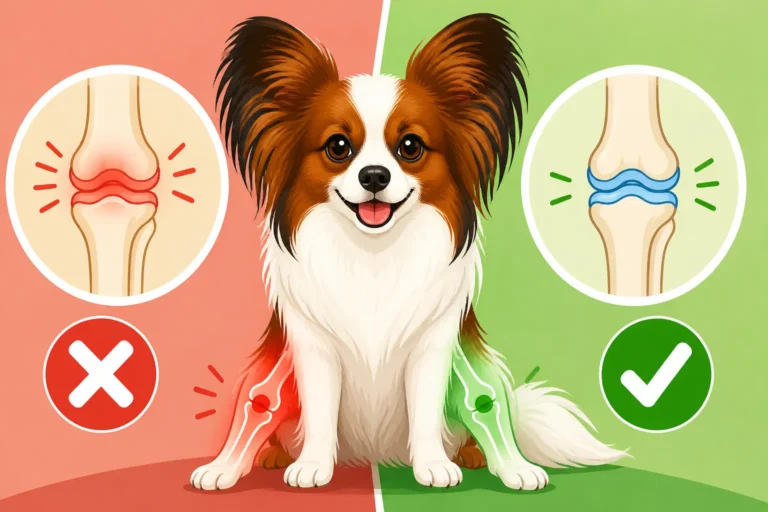
Patellar Luxation
Patellar luxation, or a slipping kneecap, is a common orthopedic problem in Papillons. This condition can range from mild, where the kneecap occasionally pops out and back in without much discomfort, to severe, requiring surgical correction. Many Papillons live long, happy lives with a low-grade luxation that causes no pain, but it's something to be aware of.
A good rescue will have had a veterinarian assess for patellar luxation. If the Papillon you’re interested in has a diagnosed luxation, ask about its grade and whether the rescue's vet recommends surgery. For some dogs, management through weight control, joint supplements, and avoiding strenuous, jumping activities is sufficient. For others, surgery might be necessary. Understanding Whether a Papillon Needs Knee Surgery and budgeting for potential orthopedic vet visits is a realistic part of Papillon ownership. Providing ramps or steps for furniture access can also help protect their knees.
Eye Conditions and Other Genetic Predispositions
Papillons are generally a healthy breed with a relatively long lifespan, often living for 15 years or more. However, like all breeds, they have some genetic predispositions. Progressive Retinal Atrophy (PRA1) is a notable concern, leading to gradual vision loss. Responsible breeders screen for this, and some rescues might have this information if the dog came from a known background.
Other potential issues include neuroaxonal dystrophy (a neurological condition), von Willebrand disease (a clotting disorder), and occasionally hypoglycemia in very young puppies or those under stress. While a rescue dog's full genetic history might be unknown, observing them for signs of these conditions, getting a thorough vet check post-adoption, and being proactive with care is essential. Regular eye exams, especially as they age, are a good idea. Knowing what to look for and addressing any concerns promptly with your vet ensures your rescue Papillon gets the best chance at a long, healthy life.
Integrating Your Rescue Papillon into Your Home
Bringing a rescue Papillon home is an exciting time, but it's also a period of adjustment for everyone. Your new companion needs time, patience, and a predictable routine to feel safe and truly settle in. The "honeymoon period" often gives way to a clearer picture of their personality as they become more comfortable.
The First Few Days and Weeks: The Rule of Threes
Many rescue advocates talk about the "Rule of Threes" to describe the adjustment period for a rescue dog:
- 3 Days: In the first three days, your Papillon might be overwhelmed, shut down, or even seem aloof. They are likely confused, stressed, and trying to figure out their new environment. Don't expect their full personality to shine through yet. Keep things calm, quiet, and consistent.
- 3 Weeks: After about three weeks, your Papillon starts to relax, understand the routine, and feel a bit more at home. Their true personality will begin to emerge, along with any quirks or behaviors they might have been suppressing. This is when house training might regress slightly, or they might start testing boundaries.
- 3 Months: By three months, your Papillon should be fully integrated into your home and routine, feeling secure and considering you their true family. This is when their training can really take hold, and you'll have a strong bond.
During these initial stages, consistency is your best friend. Establish a routine for feeding, potty breaks, walks, and playtime. This predictability helps reduce anxiety and builds trust. Your Papillon needs to learn What a Papillon Needs Every Day from you, so be patient and understanding as they adapt.
Establishing Routine and Boundaries
A consistent routine is vital for a rescue Papillon to feel secure. Decide on feeding times, potty schedules, and exercise routines, and stick to them as closely as possible. This helps your dog understand what to expect and reduces anxiety. For a small dog like a Papillon, frequent potty breaks are crucial, especially in the beginning, to prevent accidents and reinforce house training.
Boundaries are equally important. Decide where your Papillon is allowed (e.g., on furniture, in certain rooms) and where they are not. Use positive reinforcement to teach them desired behaviors. If your Papillon has some bad habits, remember that correction should be gentle and consistent. Papillons are highly intelligent but also sensitive, and harsh methods can be counterproductive. Focus on rewarding the behaviors you want to see. Chewy offers a wide range of training treats and puzzle toys that can be great motivators for these smart dogs.
Managing Common Rescue Dog Behaviors
Rescue Papillons can sometimes come with behaviors that require extra patience and training. Separation anxiety, fear of new people or places, resource guarding, or reactivity on walks are not uncommon. If your Papillon exhibits signs like excessive barking, destructive chewing, or inappropriate urination when left alone, it might be Signs a Papillon Has Separation Anxiety.
Consulting with a certified professional dog trainer or a veterinary behaviorist can be incredibly helpful for addressing these challenges. They can provide personalized strategies and support to help your Papillon overcome their past experiences and build confidence. Remember, these behaviors are often rooted in fear or anxiety, not defiance. With understanding, positive reinforcement, and sometimes professional guidance, most rescue Papillons can learn to thrive and become wonderful companions.
When a Rescue Isn't the Right Fit
While adopting a rescue Papillon is incredibly rewarding, it's also important to go into the process with realistic expectations. Sometimes, despite everyone's best intentions, a placement might not be the right fit. Understanding the reasons dogs end up in rescue and being honest about your own capabilities is crucial.
Why Papillons Come Into Rescue
Papillons come into rescue for a myriad of reasons, and often it's through no fault of their own. Life changes are a huge factor: an owner passing away, moving into a care facility, divorce, job loss, or a new baby in the family can all lead to a beloved pet needing a new home. Sometimes, an owner's health issues mean they can no longer provide the care a dog needs.
Less frequently, Papillons might be surrendered due to behavioral issues their previous owners couldn't manage. This could be anything from house training difficulties to excessive barking or fear-based aggression. Occasionally, Papillons from puppy mills or neglect situations enter rescue, requiring significant rehabilitation. Understanding these potential backgrounds can help you prepare for the specific needs your rescue Papillon might have and approach them with empathy and patience.
Being Honest About Your Capabilities
Before adopting, take an honest look at your lifestyle, resources, and experience. Do you have the time and energy to commit to a dog that might need extra training or socialization? Are you financially prepared for potential unexpected vet bills, even with pet insurance like Healthy Paws? Can you handle a dog that might need several months to truly adjust? It's perfectly okay to admit if you're not ready for a dog with severe behavioral issues or extensive medical needs.
Responsible rescues want to make lifelong placements. They would rather you be upfront about your limitations than take on a dog that you can't properly care for, leading to another surrender. If you're a first-time dog owner, for example, you might want to look for a Papillon with a well-documented history of getting along with everyone, rather than one needing intensive behavior modification. It's about finding the right dog for your home, as much as finding the right home for their dog.
The Adoption Contract and Support from the Rescue
When you adopt, you'll sign an adoption contract. This legally binding document outlines your responsibilities as the new owner and the rescue's commitments. It typically includes clauses about providing proper care, agreeing to return the dog to the rescue if you can no longer keep them (rather than rehoming them yourself), and sometimes conditions related to training or ongoing veterinary care. Read it carefully and ask questions if anything is unclear.
Reputable rescues often offer ongoing support after adoption. They might provide resources for training, offer advice on behavioral challenges, or simply be a listening ear when you have questions. Some even have a clause that allows you to return the dog within a certain period if the match truly isn't working out. This support system is invaluable, especially as you navigate the initial weeks and months with your new Papillon, and it underscores the rescue's commitment to the dog's welfare.
Supporting Papillon Rescues Beyond Adoption
Even if you're not ready to adopt a Papillon right now, or if you already have your hands full with your own furry companions, there are many meaningful ways you can support the incredible work that Papillon rescues do. These organizations are often run by dedicated volunteers who rely on community support to continue their mission.
Volunteering Your Time and Skills
Volunteer power is the backbone of most rescue organizations. If you have time to spare, consider offering your skills. This could involve transporting Papillons to vet appointments or foster homes, helping at adoption events, or even just doing administrative tasks like processing applications or updating websites. If you have a knack for social media or photography, you could help create compelling profiles for adoptable dogs, increasing their chances of finding a forever home.
Foster parenting is another critical way to help. Opening your home temporarily to a rescue Papillon provides a safe, nurturing environment where the dog can decompress, learn basic manners, and have their personality assessed. This allows the rescue to learn more about the dog, preparing them for their eventual forever home, and frees up space for another dog in need. The more foster homes available, the more Papillons a rescue can save.
Financial Donations
Running a rescue is expensive. Veterinary bills, food, supplies, and sometimes even boarding costs can quickly add up. Financial donations, no matter how small, make a significant difference. Your donation could cover a portion of a dental cleaning, contribute to the cost of a spay/neuter surgery, or simply buy a bag of quality kibble from Chewy for a hungry rescue dog.
Many rescues are non-profit organizations, so your donation may be tax-deductible. Consider setting up a recurring monthly donation if you're able; consistent financial support allows rescues to plan and budget more effectively. You could also participate in fundraising events, or even organize your own small fundraiser within your community to benefit a specific Papillon rescue close to your heart.
Spreading Awareness and Advocating for Responsible Pet Ownership
Simply talking about the importance of rescue and responsible pet ownership can have a ripple effect. Share success stories of rescue Papillons on social media. Educate friends and family about the benefits of adopting from reputable rescues rather than buying from pet stores or questionable online sources. Advocate for spaying and neutering to help control pet overpopulation, which is a major contributor to the number of dogs in shelters.
Support legislation that protects animals and promotes their welfare. By being an informed advocate, you help change perceptions, reduce stigma around rescue dogs, and contribute to a more compassionate world for all Papillons, whether they are in a loving home or still waiting for their second chance. Every little bit of awareness helps these wonderful little dogs find the safe, happy lives they deserve.
Table: Integrating Your Rescue Papillon – A First Week Checklist
To help you get organized and ensure a smooth transition for your new family member, here’s a handy checklist for the first week with your rescue Papillon.
| Task Category | Specific Actions | Notes |
|---|---|---|
| Preparation (Before Arrival) | Secure your home (dog-proof). | Remove hazards, secure gates, provide a safe, quiet space (crate/bed). |
| Gather essential supplies. | Food/water bowls, leash/harness, ID tags, bed, appropriate toys, grooming tools. | |
| Stock up on familiar food. | Get the same food the rescue fed, or have a transition plan ready (e.g., using Ollie's custom meals). | |
| Schedule a vet check-up. | Book an appointment for the first few days post-adoption to establish care and address immediate health needs. | |
| Arrival Day | Keep greetings calm and quiet. | Avoid overwhelming your Papillon with too much excitement or too many new people at once. |
| Show them their potty spot immediately. | Take them directly to the designated potty area outside upon arrival. Reward heavily for success. | |
| Introduce their safe space (crate/bed). | Allow them to explore their designated quiet area at their own pace. | |
| Offer food and water in their designated spot. | Follow the rescue's feeding schedule. Don't worry if they don't eat much the first day. | |
| First Week Onwards | Stick to a consistent daily routine. | Predictable times for feeding, potty breaks, walks, and quiet time help build confidence. |
| Supervise interactions with children/other pets. | Always supervise to ensure positive, safe interactions for all. Use baby gates if needed. | |
| Begin positive reinforcement training for basic manners. | Focus on simple cues like "sit," "stay," and leash manners. Keep sessions short and fun. | |
| Provide appropriate chew toys and mental enrichment. | Helps reduce stress and prevent destructive chewing. | |
| Slowly introduce new experiences. | Short, positive walks in quiet areas, brief car rides if needed. Avoid crowded places initially. | |
| Monitor for signs of stress or health issues. | Watch for changes in appetite, potty habits, lethargy, or behavioral changes. Contact your vet or rescue with concerns. | |
| Research pet insurance. | Explore options like Healthy Paws to cover unexpected health costs. |
Disclaimer
This article is for general informational purposes only and does not constitute professional advice. Laws, prices and regulations vary by location and change over time. Consult a qualified professional for guidance on your specific situation.