What a Papillon Groom Costs
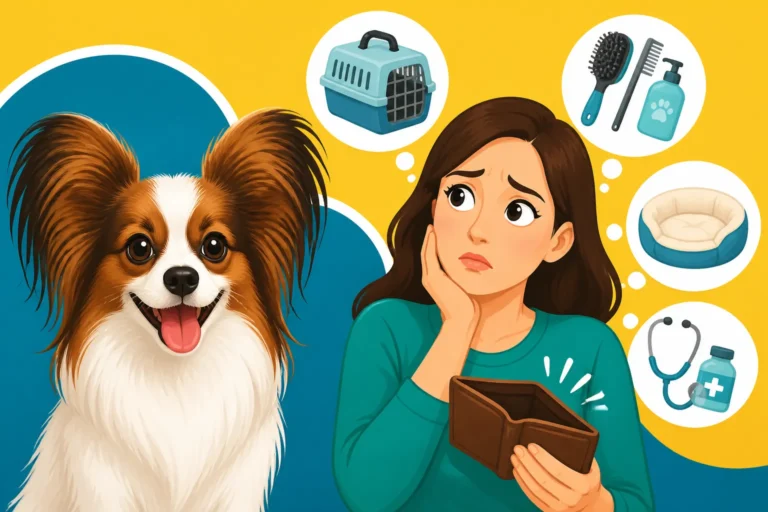
One common concern for new Papillon owners, or those simply doing their research, is the recurring cost of keeping their beautiful, flowing coats in tip-top condition. It's a valid worry because, let's be honest, pet expenses can add up quickly. This guide will help you understand the various costs associated with grooming a Papillon, whether you plan to do it yourself or opt for professional services, and how to budget for their lifelong care.
The Truth About Papillon Coat Care and Why It Matters
When people look at a Papillon, they often see those magnificent, fringed ears and the long, silky coat and immediately imagine hours of brushing and expensive trips to the groomer. It's a natural assumption, especially if you've had experience with double-coated breeds or those prone to severe matting. However, Papillons have a unique single coat, meaning they lack the dense, woolly undercoat that many other long-haired breeds possess. This is a huge factor in their grooming needs, making them surprisingly less demanding than their appearance might suggest.
This single-layer coat is what gives them that characteristic soft, flowing texture. It's why a Papillon’s coat is called silky. While it's long, it's not as thick or prone to felt-like matting as some others. Still, "less demanding" doesn't mean "no demanding." Regular care is absolutely essential to prevent tangles, keep their skin healthy, and maintain that iconic appearance. Neglecting their coat can lead to painful mats, skin infections, and even necessitate costly professional intervention, including shaving, which can be stressful for your little butterfly dog.
The signature "butterfly" ears, from which the breed gets its name (Papillon is French for butterfly), feature long, delicate fringes that are particularly susceptible to tangles if not regularly attended to. The tail plume, which curls gracefully over their back, and the culottes on their hind legs also require consistent, gentle brushing. Understanding these specific areas of concern helps you prepare for the time and financial commitment involved in keeping your Papillon looking and feeling their best. It's about proactive care, which can save you money and heartache in the long run.
Why a Papillon's Coat Differs from Other Long-Haired Breeds
Many people confuse a Papillon's coat with breeds like Pomeranians or Shih Tzus, which have very different hair structures. A Papillon’s single coat lacks the insulating undercoat found in many Spitz-type dogs or breeds originally developed for colder climates. This means while their hair is long, it's generally finer and, crucially, less prone to the dense, compacted matting that can plague double-coated breeds. You won't find yourself battling a thick layer of shed undercoat that's become a solid mass against their skin, which is a common nightmare for owners of many other fluffy dogs.
This distinction is key when considering grooming. A Papillon's coat, though elegant, is often described as low-shedding for a long-haired dog, and when it does shed, the hair tends to fall out rather than getting trapped in an undercoat. This makes cleanup easier and means less brushing time needed to prevent massive tangles. However, "low-shedding" doesn't mean "non-shedding." They still lose hair, especially seasonally, and regular brushing is crucial to remove loose hair and stimulate healthy skin. Understanding why a Papillon's coat is all fringe and no undercoat helps set realistic expectations for the care required.
The Importance of Regular Grooming for Health
Beyond aesthetics, regular grooming is vital for your Papillon's overall health and comfort. Mats, if left unchecked, can pull painfully on their skin, causing irritation, sores, and even infections underneath. They can restrict movement, especially in areas like the armpits or behind the ears. For a breed known for its athleticism and love for play, freedom of movement is paramount. Moreover, a matted coat can hide skin problems, parasites, or even minor injuries, making them harder to detect until they become more severe.
Think about the sheer joy your Papillon gets from running and jumping; a matted coat would hinder all of that. Consistent brushing also helps distribute natural oils, keeping their skin moisturized and their coat shiny and healthy. It's also an excellent opportunity to perform a quick health check: look for lumps, bumps, hot spots, or anything unusual on their skin. You can also inspect their ears, eyes, and paws. This proactive approach to care can catch potential issues early, saving you significant veterinary bills down the line. It's not just about looking pretty; it's about a happy, healthy life for your furry companion.
DIY Papillon Grooming: Initial Investment and Ongoing Expenses
Many Papillon owners choose to handle most of their dog's grooming themselves, and it's certainly a manageable task for this breed. While it requires a bit of an upfront investment in tools and your time, it can be a cost-effective approach over their long lifespan. The initial outlay will depend on what you already have and the quality of the items you choose.
Essential Tools and Their Costs
To groom your Papillon at home, you'll need a basic set of tools. Don't skimp on quality here; good tools make the job easier and more comfortable for your dog, reducing frustration for both of you.
- Brush: A good pin brush and a metal comb are indispensable. The pin brush helps with general detangling and distributing oils, while the comb is crucial for getting through the delicate fringes on the ears, tail, and legs. Expect to spend a reasonable amount on these, as cheap brushes can snag hair and cause pain. Which Brush a Papillon Needs provides more detail on selecting the right tools.
- Shampoo and Conditioner: Choose a high-quality, dog-specific shampoo and conditioner. Human products can dry out their skin and coat. Look for gentle, moisturizing formulas. You might also want a detangling spray for those stubborn knots.
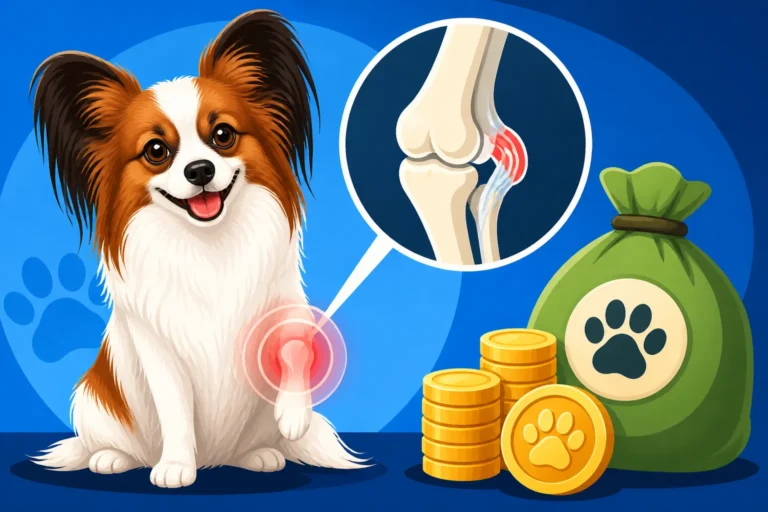
- Nail Clippers or Grinder: Keeping your Papillon's nails trimmed is essential, not just for their comfort but also for their paw health and proper gait. Long nails can impact how they walk and potentially lead to joint issues, especially for a breed prone to patellar luxation. A clipper or a grinder are both viable options; choose what you and your dog are most comfortable with.
- Ear Cleaner: Papillons' ears, with their magnificent fringes, can sometimes trap debris or moisture, making them susceptible to ear infections. A good, vet-approved ear cleaner is a must.
- Dental Care: While not strictly "coat grooming," dental care is a crucial part of overall at-home maintenance and often done during a grooming session. A small dog toothbrush and dog toothpaste are necessary to combat the dental issues common in toy breeds. Brushing a Papillon's Teeth in a Very Small Mouth offers more specific guidance.
Here's a breakdown of typical initial costs for a good DIY grooming kit:
| Item | Estimated Initial Cost Range | Frequency of Purchase |
|---|---|---|
| Pin Brush & Metal Comb | $15 – $40 | Once, but replace worn |
| Dog Shampoo & Conditioner | $10 – $30 | Every few months |
| Nail Clippers/Grinder | $10 – $40 | Once, but replace dull |
| Ear Cleaner | $10 – $25 | Every few months |
| Dog Toothbrush & Paste | $10 – $25 | Every few months |
| Total Initial Investment | $55 – $160 |
Remember, these are one-time or infrequent purchases, so the ongoing cost is much lower. Many of these supplies, like quality food, can be easily ordered from retailers like Chewy, making it convenient to keep your grooming kit stocked.
Ongoing DIY Grooming Expenses
Once you have your basic tools, the ongoing expenses for DIY grooming are relatively low, primarily consisting of replenishing shampoo, conditioner, ear cleaner, and toothpaste. You'll also occasionally need to replace worn brushes or dull nail clippers.
- Shampoo/Conditioner: Depending on how often you bathe your Papillon (typically every few weeks to a month, or as needed), a bottle can last several months.
- Ear Cleaner & Toothpaste: These also last a good while with regular use.
- Treats: Don't forget treats! They are invaluable for making grooming a positive experience. Rewarding your Papillon for cooperation can make all the difference, especially when you're working on their ear fringes or trimming nails. Consider high-value treats from a company like Ollie to keep them engaged and happy.
- Time: Your time is a significant investment. Dedicate at least 20 minutes a week, or more if your dog is prone to tangles, to brushing. This consistent effort is vital for preventing mats. Why a Papillon's Long Coat Takes Twenty Minutes a Week elaborates on this routine.
The beauty of DIY grooming is that you control the schedule and can bond with your Papillon during the process. It's a fantastic way to stay connected and attuned to their physical well-being.
The Cost of Professional Papillon Grooming Services
While DIY grooming is certainly feasible, some owners prefer the convenience and expertise of a professional groomer, or their lifestyle simply doesn't allow for regular at-home sessions. Professional grooming can be a fantastic option, especially for maintaining the intricate feathering or addressing specific issues like severe matting.
What Goes Into a Professional Groom
A typical professional grooming session for a Papillon usually includes:
- Bathing and Conditioning: Using professional-grade shampoos and conditioners tailored to their coat type.
- Drying: Thoroughly blow-drying to prevent skin issues and ensure a fluffy finish.
- Brushing and Dematting: Professional groomers are skilled at gently removing tangles and mats, minimizing discomfort for your dog.
- Ear Cleaning: Cleaning and plucking (if necessary and breed-appropriate) the ears.
- Nail Trim: Clipping or grinding nails to a healthy length.
- Sanitary Trim: Trimming hair around the paws, eyes, and sanitary areas for hygiene and comfort. Whether a Papillon's Feet Need Trimming is a good read if you're curious about foot care.
- Light Trimming: While Papillons aren't typically "clipped" like Poodles, a groomer might do light trimming to neaten up ear fringes, culottes, or the tail plume to keep them looking tidy and prevent them from dragging on the ground. Whether a Papillon Should Be Trimmed discusses the nuances of this.
Factors Affecting Professional Grooming Costs
The cost of a professional groom for your Papillon can vary significantly based on several factors:
- Location: Grooming prices often reflect the cost of living in your area. A groomer in a major metropolitan area will likely charge more than one in a rural town.
- Groomer's Experience and Reputation: Highly experienced or in-demand groomers, especially those specializing in show breeds or delicate coats, may command higher prices.
- Frequency of Grooming: Some groomers offer discounts for regular clients on a fixed schedule (e.g., every 4-6 weeks).
- Your Dog's Temperament: If your Papillon is particularly anxious, reactive, or difficult to handle, the groomer might charge an additional fee for the extra time and care required.
- Condition of the Coat: If your Papillon arrives with significant matting, the groomer will need to spend extra time carefully dematting or, in severe cases, may have to shave the affected areas. This additional work will almost certainly incur an extra charge, sometimes quite substantial. This is a common reason why Papillons end up needing costly interventions.
- Add-on Services: Services like specialized de-shedding treatments (less common for Papillons due to their coat type but sometimes offered), teeth brushing, or anal gland expression (often done by vets or experienced groomers) will add to the total cost.
For a Papillon, a full-service professional groom typically falls into a certain price range, but as I can't provide current figures, be prepared for it to be similar to other small, long-haired breeds. It's always best to call local groomers and get quotes specific to your dog's breed and their services. You might find that Whether a Papillon Needs a Professional Groomer helps you decide if it's the right choice for you.
Budgeting for Your Papillon's Grooming Needs Over Their Lifetime
Understanding the costs associated with Papillon grooming, whether you DIY or go pro, is just one part of the equation. The real challenge is budgeting for these expenses over their entire lifespan, which for a Papillon, can be impressively long. How Long a Papillon Lives gives you an idea of the commitment you're making.
Planning for Routine and Unexpected Grooming Expenses
Routine grooming costs are fairly predictable: either the ongoing purchase of supplies for home grooming or the regular fees for professional services. The key is to factor these into your monthly or annual pet budget.
- Monthly Budget: If you plan on professional grooming every 6-8 weeks, divide that cost over the months to get a realistic monthly figure. For DIY, estimate how often you'll need to replenish supplies.
- Annual Check-ins: Even if you groom at home, consider an annual professional "tune-up" groom. A professional eye can spot issues you might miss and ensure specific areas like feet and ears are perfectly maintained. This can be a small investment to prevent bigger issues.
- Emergency Fund: It's always wise to have an emergency fund for your Papillon. This isn't just for vet visits but can also cover unexpected grooming needs. For instance, if your dog somehow gets into something sticky and matted, a professional might be needed for a quick fix. Companies like Healthy Paws offer pet insurance that can help with unexpected medical costs, but grooming isn't typically covered. However, if severe matting leads to a skin infection requiring veterinary care, insurance could potentially help with the vet bill related to the infection.
Grooming Costs as Your Papillon Ages
As your Papillon moves into their senior years, their grooming needs might change slightly. An older dog might have a coat that is thinner or more prone to matting in certain areas, or they might develop skin sensitivities. What an Aging Papillon's Coat Looks Like can offer insights.
- Increased Sensitivity: Older dogs can be more sensitive to brushing or handling, so you might need gentler tools or more frequent, shorter grooming sessions.
- Mobility Issues: If your senior Papillon develops arthritis or patellar luxation, standing for long periods for grooming might be uncomfortable. You might need to adjust your approach, use a grooming table with a comfortable mat, or opt for professional groomers who are experienced with senior dogs and can accommodate their needs. What Changes in an Aging Papillon's Care is a helpful resource here.
- Vet Intervention: In rare cases, an elderly or very anxious dog might need light sedation from a vet for extensive grooming or dental work, especially if they have severe matting or advanced dental disease. This will, of course, add to the cost, blending grooming expenses with veterinary care. This highlights the importance of consistent care throughout their life to avoid such drastic measures.
Overall, grooming your Papillon is an ongoing commitment, but it's one that yields immense rewards in terms of their health, comfort, and magnificent appearance. By understanding the costs and planning ahead, you can ensure your beloved companion always looks their best without breaking the bank.
Disclaimer
This article is for general informational purposes only and does not constitute professional advice. Laws, prices and regulations vary by location and change over time. Consult a qualified professional for guidance on your specific situation.